Mattress Dimensions and Thickness: The Complete Guide
Standard mattress thickness usually falls between 8 and 12 inches. However, the best thickness for you depends on your body weight, sleeping position, and the type of mattress you choose. We have found that a 10-inch mattress is the sweet spot for most average-weight sleepers.
Buying a new bed is a big decision, but the numbers can feel confusing. You have to think about height, depth, and profile, all while trying to figure out what will feel best. We researched the market to see how thickness impacts support, durability, and even how easy it is to get in and out of bed. Understanding these dimensions helps you avoid buying a mattress that is too soft, too firm, or too low to the ground.
- 8 to 10 inches: Best for kids, guest rooms, or light sleepers.
- 10 to 12 inches: The standard choice for most adults, balancing support and affordability.
- 12+ inches: Ideal for heavier individuals or those who want a plush, premium feel.
- Thicker isn’t always better: It can make the bed too high for your existing frame or bedding.
- Check your bed frame: The thickness affects how high you sit, so measure your current setup first.
Ready to find your perfect match? Below, we break down exactly how mattress thickness affects your sleep and how to shop smart for your body type.
How Thickness Fits Into Mattress Dimensions
Mattress dimensions cover three things: length, width, and thickness. Length and width get most of the attention. Shoppers obsess over queen versus king sizes. But thickness matters just as much for how a bed feels and functions.
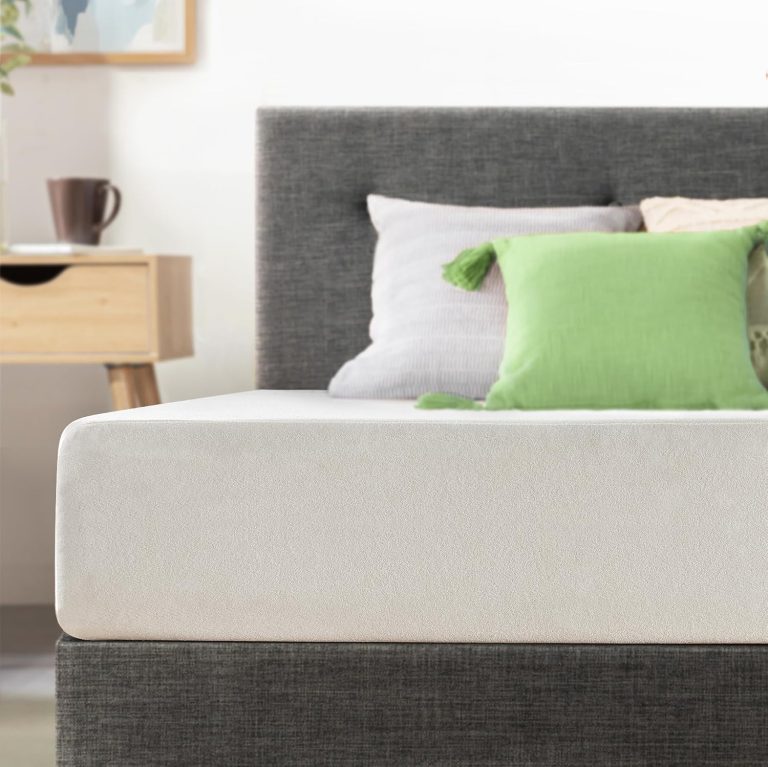
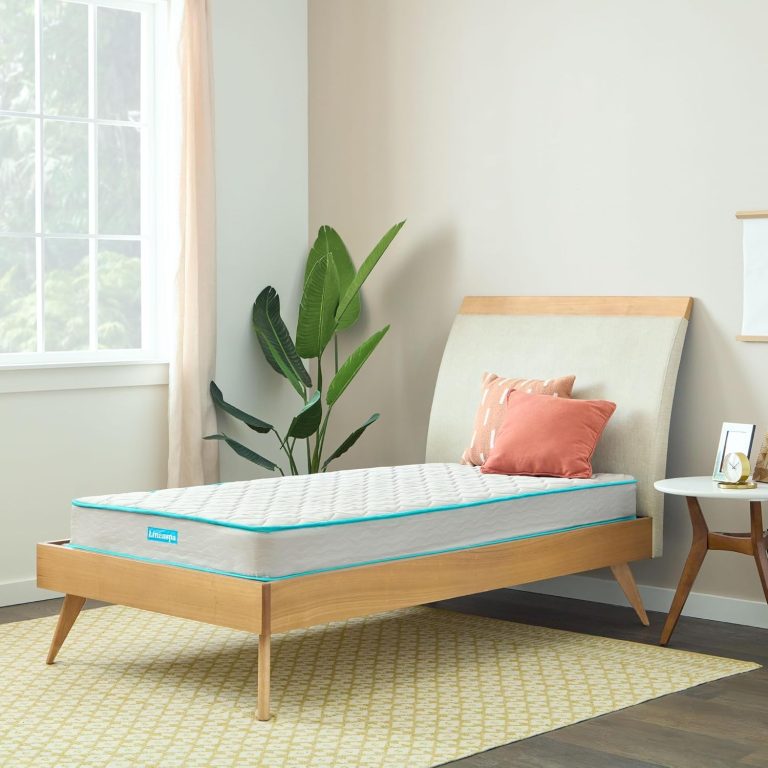
Thickness, also called profile or depth, is the measurement from the bottom to the top of the mattress. It ranges from skinny 6-inch models to towering 16-inch giants. We found that most sleepers never think about this number until they bring a bed home and realize it feels wrong.
Why Thickness Changes How a Bed Feels
A mattress is a sandwich of layers. The thickness determines how many layers you get. Thin mattresses have fewer layers, so they feel firmer and closer to the ground. Thick mattresses pack in more foam, coils, or latex for a plusher ride.
Think of it like a running shoe. A thin-soled shoe gives you more ground feel. A thick-soled shoe adds cushion and height. Neither is wrong. You just pick based on what you want from the experience.
The Hidden Role of Base Support Layers
Every mattress has a support core. This is the thick bottom section that keeps your spine aligned. On a thin mattress, that core is all you get. On a thicker one, you add comfort layers on top for pressure relief.
We found that mattresses under 8 inches often skip comfort layers entirely. That makes them too firm for side sleepers. If you want pressure relief around your hips and shoulders, you need at least 2 to 3 inches of soft comfort foam on top of the support core.
Standard Mattress Thickness by Type
Different mattress types have different standard thickness ranges. Knowing these helps you set expectations before you shop. We looked at the most common categories to give you a clear picture.
| Mattress Type | Typical Thickness Range | Best For |
|---|---|---|
| Innerspring | 8 to 12 inches | Back sleepers who want bounce |
| Foam | 6 to 14 inches | Side sleepers wanting pressure relief |
| Hybrid | 10 to 14 inches | Combination sleepers needing balance |
| Latex | 6 to 12 inches | Hot sleepers who want durability |
| Airbed | 9 to 13 inches | Couples with different firmness needs |
Innerspring and Hybrid Thickness Ranges
Traditional innerspring mattresses usually land between 8 and 12 inches. The coils do most of the work. They provide support without needing thick foam layers. A basic innerspring at 9 inches feels familiar and supportive for most back sleepers.
Hybrids combine coils with foam layers. They start at 10 inches and go up to 14. The extra height gives manufacturers room to add plush comfort layers on top of the coil system. We found that 12-inch hybrids offer the best balance for average-weight adults.
Foam and Latex Thickness Ranges
All-foam mattresses vary widely. Budget models sit at 6 to 8 inches. Premium models reach 12 to 14 inches. The difference comes down to foam density and layering. A 10-inch foam bed with high-density base foam often outperforms a cheap 12-inch one with weak materials.
Latex mattresses run thinner because latex is naturally supportive. A 9-inch latex bed can feel more supportive than a 12-inch foam bed. Many experts say latex provides better bounce and cooling, so it needs fewer layers to perform well.
How Your Body Weight Should Guide Thickness Choice
Your weight plays a massive role in how thick your mattress should be. This is one of the most important factors we found in our research. Lighter bodies press down less. Heavier bodies sink deeper. So the right thickness changes with your build.
If you weigh under 150 pounds, you don’t need a thick mattress. Your body won’t sink far into the layers. A comfortable 8 to 10-inch bed gives you enough cushion without making you feel lost in the foam.
If you weigh over 230 pounds, you need more support material under you. A thin mattress will bottom out. The support core compresses too quickly, and your hips sink toward the frame. We recommend 12 inches or more for heavier sleepers to prevent this sagging feeling.
Sleeping Position Changes the Rules
Back sleepers do well with medium-thick mattresses around 10 inches. Your spine needs support without too much sink. A moderate profile gives you that firm base with a soft top layer.
Side sleepers need more cushioning at the hips and shoulders. Look for at least 10 to 12 inches of total thickness. That extra height usually means more comfort layers for pressure relief. Without them, you wake up with numb arms or sore shoulders.
Stomach sleepers should stick to thinner mattresses. A 9 to 10-inch model keeps your hips from sinking too deep. When your hips drop below your spine, lower back pain follows. We found that stomach sleepers do best with firmer, thinner beds.
Couples Need a Compromise
Sharing a bed complicates things. You might have different weights and different sleeping positions. A mattress that works for one partner often fails the other.
We found that a 12-inch hybrid is the safest choice for couples. Coils provide support for heavier partners. Foam layers cushion lighter partners. The combination handles varied weights better than a single-material bed.
If one partner is significantly heavier, consider a split-firmness option. Some brands let you choose different firmness levels for each side. This costs more but prevents constant compromise on comfort.
Practical Concerns Beyond Comfort
Comfort is only half the story. Mattress thickness affects practical things too. Bed height changes how you get in and out of bed. It changes whether deep-pocket sheets fit. And it changes how the mattress works with your existing frame.
Bed Height and Accessibility
A very thick mattress can make your bed too high. Standard bed frames sit about 18 inches off the floor. Add a 14-inch mattress and you’re at 32 inches total. That’s too tall for many people to climb into comfortably.
On the flip side, a thin mattress sits too low. An 8-inch mattress on a low platform frame puts you at 16 inches from the floor. That’s hard on knees and backs when you get up in the morning. We found that a total bed height of 22 to 28 inches works best for most adults.
Fitting Sheets and Bed Frames
Deep-pocket sheets exist for a reason. A standard fitted sheet fits mattresses up to 12 inches tall. For anything thicker, you need deep pocket sheets. Check your sheet labels and buy accordingly. Nothing ruins a night of sleep like a fitted sheet popping off at 2 a.m.
Your bed frame also has limits. Some platform beds have tall side rails. A thick mattress makes those rails feel like a fence around you. We recommend measuring the rail height on your frame before buying a thick mattress. The mattress should sit above the rails for easy access.
Getting the Right Bedding for Your Thickness
Once you know your mattress thickness, shop for sheets that match. Fitted sheets come in regular, deep, and extra-deep pockets. Regular fits up to 12 inches. Deep fits 12 to 15 inches. Extra-deep handles 16 inches and beyond.
Also consider your bed skirt or dust ruffle. Thick mattresses hang lower over the frame. A standard bed skirt might not reach the floor. Measure the drop you need before buying one. We found that adjustable bed skirts work best for thicker mattresses.
Our Recommended Thickness by Sleeper Profile
Based on our research and market analysis, here is our simple guidance. Use this as a starting point. Then adjust based on your personal comfort and preferences.
- Kids and teens (under 150 lbs): 8 to 10 inches is plenty. They need support without excessive height.
- Average adults (150 to 230 lbs): Aim for 10 to 12 inches. This range balances support, comfort, and price.
- Heavier adults (over 230 lbs): Choose 12 inches or more. You need the extra material to prevent bottoming out.
- Side sleepers of any weight: Go at least 11 inches. You need thick comfort layers for pressure relief.
- Older adults or those with mobility issues: Keep total bed height around 22 to 25 inches. Lower beds are harder to get out of.
- Guest rooms and kids rooms: 8 to 9 inches saves money and makes bed-making easier.
Testing Thickness Before You Buy
You can’t test a mattress’s thickness by pressing the top. The real test is lying on it. Visit a store if you can. Spend at least 10 minutes in your usual sleeping position. Feel how your hips, shoulders, and back line up.
Pay attention to how easily you get up from the mattress. If you struggle to push yourself up, consider a thinner profile. Your knees and back will thank you in the morning. We found that many people overestimate how thick they want once they actually sit on a bed.
Measuring Your Current Mattress Thickness
Not sure how thick your current mattress is? Grab a tape measure. Place it at the top center of the mattress. Run it straight down to the bottom edge. That’s your thickness. Measure on the side, not the corner where it might be compressed.
Use this number as your baseline. If you’re happy with your current bed’s height, match the thickness on your next purchase. If you want a softer feel, go up an inch or two for extra comfort layers. If you want firmer support, go down an inch. It’s that simple.
Your mattress thickness is a personal choice. There is no universal right answer. The best mattress for you balances support, comfort, and practical height needs. Measure your room, check your frame, and consider how you sleep. Do that, and you will find the perfect fit for your body and your bedroom.
Conclusion
Finding the right mattress thickness comes down to your body, your sleeping style, and your bedroom setup. We found that 10 to 12 inches works best for most average adults, but thinner beds suit kids and lighter sleepers just fine. Heavier sleepers should aim for 12 inches or more to avoid bottoming out.
Before you buy, measure your current bed and check your frame height. Think about how easy it is to get in and out of bed. Remember that thicker isn’t always better — it just costs more and needs deeper sheets.
Start by using our sleeper profile guide above. Pick a thickness that matches your weight and position. Then test it in person if you can. Your perfect mattress is out there, and now you know exactly how to measure it.
Frequently Asked Questions
Does a thicker mattress last longer than a thin one?
Not always. The quality of materials matters more than total thickness. A 10-inch mattress with high-density foam can outlast a cheap 14-inch model with weak support layers. We found that thickness alone doesn’t predict durability. Check the density and warranty instead.
Can I use a thin mattress on a box spring?
Yes, but you need to check the frame first. Box springs work best with mattresses that are at least 8 inches thick. Anything thinner might sag between the slats. We recommend using a bunkie board or solid platform for mattresses under 8 inches.
How do I know if my mattress is too thick for my bed frame?
Sit on the edge of your bed. If your feet dangle awkwardly or you have to climb up, the bed is probably too tall. You should be able to sit and stand with ease. Measure the frame rail height and compare it to your mattress profile. Your mattress should sit above the rails, not sink below them.
Is a 14-inch mattress too tall for most people?
For many people, yes. A 14-inch mattress puts your total bed height around 32 inches, which is tall for getting in and out of bed. It works well for taller people or those who like a high bed. But for most adults, 12 inches is plenty tall enough for comfort and accessibility.
Does mattress thickness affect how hot I sleep?
Yes, it can. Thicker mattresses pack in more foam layers, which trap heat. Thinner mattresses have fewer layers and breathe better. If you sleep hot, look for a thinner profile with cooling gel or breathable coils. A 10-inch hybrid often sleeps cooler than a 14-inch all-foam bed.