How to Choose the Best Queen Size Mattress for an Adjustable Bed
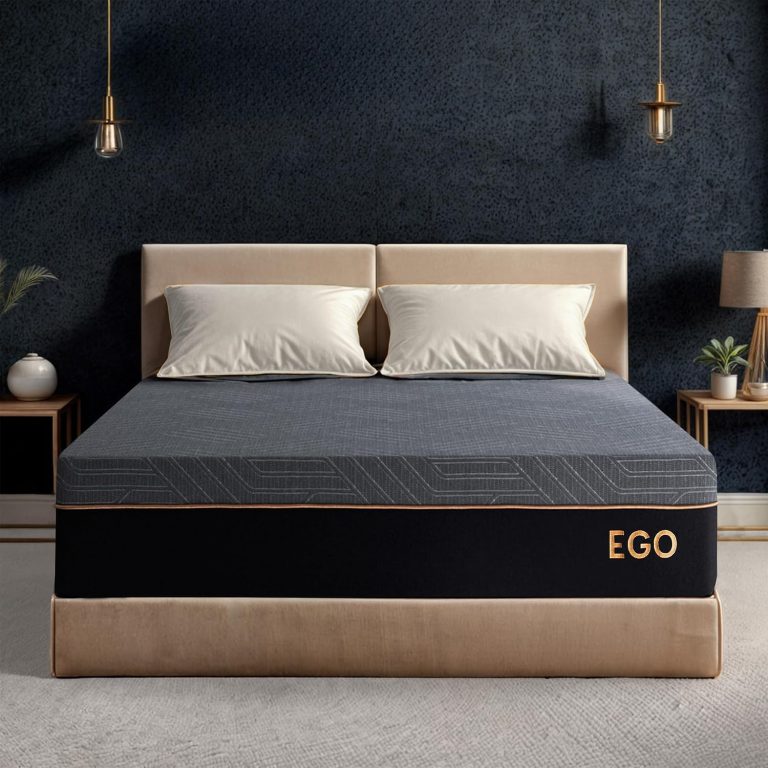
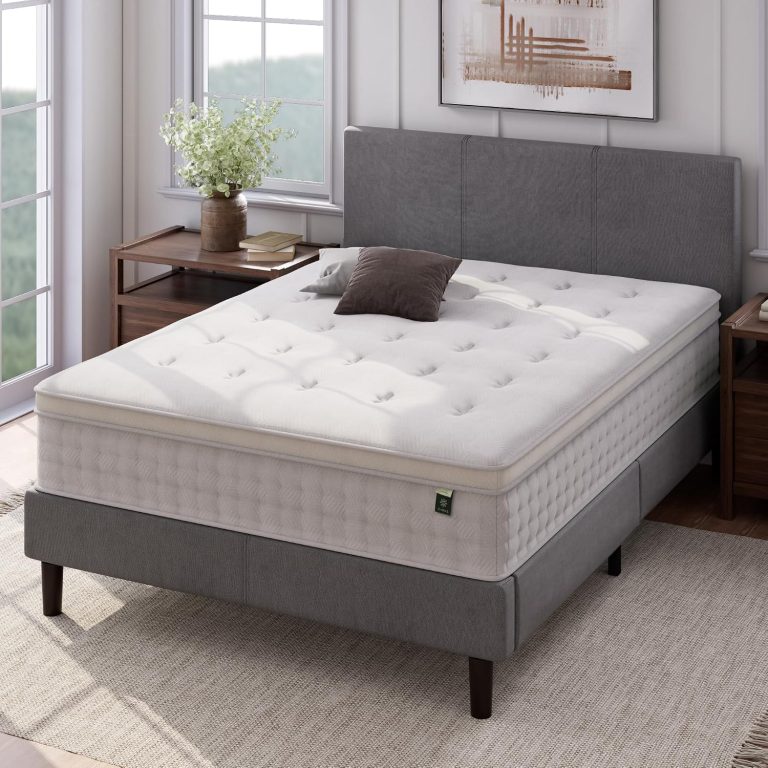
For a queen size adjustable bed, you need a mattress that’s flexible, durable, and supportive, like a high-quality memory foam, latex, or hybrid model. We found that the best choices are specifically designed to bend without sagging while providing pressure relief for your back and hips. This combination ensures your bed’s features actually work for you.
Choosing the right mattress for your adjustable base is about more than just comfort. It’s about finding a bed that moves with you, whether you’re reading, watching TV, or managing health issues like acid reflux or sleep apnea. Many experts say that innerspring mattresses often don’t flex well, which can cause them to lift off the base. You need a mattress with flexible coils or all-foam construction to get the full benefit of your adjustable investment.
- Flexibility is key: Memory foam, latex, and hybrid mattresses bend easily without damage.
- Watch the thickness: A mattress between 8 and 12 inches works best with most adjustable frames.
- Check the base’s warranty: Using a non-compatible mattress can void your adjustable bed’s coverage.
- Edge support matters: Reinforced edges help you get in and out of bed safely, even when the head is raised.
- Test the weight: A heavy mattress can strain the motors of your base, so lighter is often better.
Below, we break down exactly how to pick the perfect queen mattress for your adjustable frame, what to avoid, and the top features that will make your setup feel like a luxury suite. Let’s walk through it together.
Choosing the Right Queen Mattress for Your Adjustable Base
You have the adjustable frame. Now you need the perfect mattress to pair with it. The wrong choice can ruin the experience, while the right one turns your bedroom into a comfort zone you will love.
We found that the ideal queen mattress for an adjustable bed needs to bend easily, support your body in multiple positions, and stay put as the frame moves. Let’s break down what actually matters.
Why Standard Innerspring Mattresses Fail Here
Traditional innerspring coils are rigid. When you raise the head or foot of the bed, these coils resist the bend. This can cause the mattress to lift off the base, creating an uncomfortable gap.
That gap puts stress on the frame’s motors. It also ruins the supportive surface you paid for. Many experts say that continuous-coil innersprings are the worst choice for adjustable bases (Sleep Foundation).
The Winning Materials: Foam, Latex, and Hybrids
Flexible materials are the answer. We found that memory foam, latex, and pocketed coil hybrids bend effortlessly while holding their shape. These materials conform to the angles of your adjustable base.
- Memory foam: Molds to your body. Great for pressure relief. It moves perfectly with the base.
- Latex: Bouncier than foam. Stays cooler. Very durable and responsive.
- Hybrid: Pocketed coils for support, foam for comfort. The coils flex individually.
All three options work well. The best one depends on your sleep style and temperature preferences.
Critical Features to Look For in an Adjustable-Compatible Queen
Not all flexible mattresses are equal. You need specific features to protect your base and your back. Here is what we recommend you check before buying.
Mattress Thickness and Weight Limits
Thickness is a big deal. A mattress between 8 and 12 inches works best with most adjustable frames. Thicker is not always better.
Heavy, thick mattresses can strain the motors. They also create more stress on the hinges. Lighter options, around 10 inches, are easier for the base to lift and bend.
Why 10 Inches is the Sweet Spot
We found that a 10-inch mattress offers enough foam layers for comfort. It also keeps the total weight down. This balance protects your base’s motors and gives you a plush feel.
Check the manufacturer’s weight limit for your base. Some frames support up to 600 pounds. Others are less robust.
Edge Support for Easy Entry and Exit
When you raise the head of the bed, you often sit on the edge. Weak edges collapse under your weight. That makes getting up tricky and unsafe.
Look for reinforced edges. High-density foam rails or sturdy coil perimeters keep the surface stable. You want to sit confidently on the side without sliding off.
Warranty Compatibility Is Non-Negotiable
Your adjustable base has a warranty. So does your mattress. Using an incompatible mattress can void the base’s coverage.
Many experts say you must check both warranties before purchasing. Look for a mattress that explicitly states it is adjustable-base friendly. This small step saves you from future headaches.
Comfort and Support: Matching the Mattress to Your Sleep Style
Your sleeping position matters more than you think. A mattress that feels great for a back sleeper might cause hip pain for a side sleeper. Let’s match you with the right feel.
Side Sleepers Need Pressure Relief
Side sleeping puts pressure on your shoulders and hips. You need a softer top layer that cushions these areas. Memory foam excels here.
Look for a medium-soft to medium firmness. The foam should contour to your curves while keeping your spine aligned. This reduces the chance of waking up sore.
Back and Stomach Sleepers Need Support
Back and stomach sleepers need a firmer surface. Soft foam can cause your hips to sink too deep. That throws your spine out of alignment.
We found that hybrid mattresses with pocketed coils work best here. The coils provide pushback, while the foam adds comfort. A medium-firm feel is usually the winner.
How You Will Use Your Adjustable Bed Matters
Adjustable bases are not just for sleeping. Many people use them for reading, working, or watching TV. Your mattress needs to handle these activities without breaking down.
Zero Gravity Position and Pressure Points
The zero gravity position raises both your head and feet slightly. This distributes your weight evenly. It reduces pressure on your lower back.
Many guidelines point to this position as helpful for circulation and back pain relief (Cleveland Clinic). Your mattress must support your whole body evenly in this angle.
Acid Reflux and Snoring Relief
Raising your head helps with acid reflux and snoring. The angle keeps stomach acid down. It also opens your airways.
A flexible mattress keeps you comfortable in this elevated position. You get the health benefits without sliding down the bed. This is a major reason people invest in adjustable setups.
Comparing Mattress Types for Adjustable Beds
Still unsure which material to choose? Here is a quick comparison to help you decide. We found that this table simplifies the decision-making process.
| Mattress Type | Flexibility | Best For | Watch Out For |
|---|---|---|---|
| Memory Foam | Excellent | Side sleepers, pressure relief | Heat retention |
| Latex | Excellent | Hot sleepers, durability | Higher price |
| Hybrid | Very Good | Back and stomach sleepers | Heavier weight |
| Innerspring | Poor | Not recommended | Lifts off the base |
Take your time with this. The material you pick affects everything from temperature to longevity.
Common Mistakes People Make When Buying
We have seen many people buy the wrong mattress for their adjustable base. Avoid these common errors. They cost time, money, and comfort.
Buying a Mattress That Is Too Thick
Thick mattresses over 12 inches often have extra layers. These layers add weight and bulk. They can also prevent the base from bending fully.
Stick with the 8 to 12 inch range. You get full adjustability without stressing the motors. This is one of the most important rules we found.
Ignoring the Base’s Motor Capacity
Every base has a lifting capacity. Heavy mattresses shorten the lifespan of the motors. They also make the base work harder and louder.
Check the manual for weight limits. Then compare it to the mattress weight. A lighter mattress is almost always a safer bet.
Our Quick Checklist Before You Click Buy
Ready to purchase? Run through this checklist first. It covers all the essential points we discussed.
- Confirm the mattress says “adjustable base compatible.”
- Measure the thickness: aim for 8 to 12 inches.
- Check the total weight against your base’s motor limit.
- Test edge support by sitting on the side in the store.
- Read the warranty for both mattress and base.
- Match firmness to your primary sleeping position.
Go through each point slowly. It takes five minutes and prevents a costly mistake. Your future self will thank you.
Why Your Investment Deserves the Right Match
An adjustable bed is a significant purchase. Pairing it with the wrong mattress wastes that investment. You lose the health benefits and the comfort.
We found that the right queen mattress transforms the experience. You get better sleep, less pain, and a bed that adapts to your needs. Take the time to match them correctly.
Your body changes positions throughout the night. Your mattress should handle that without complaint. When it does, you wake up refreshed and ready to go.
Conclusion
You don’t need to overthink this. A queen mattress for your adjustable bed just needs to be flexible, within the right weight range, and compatible with your base’s warranty. We found that memory foam, latex, and hybrid models are your safest bets. Innersprings are not worth the risk.
Your adjustable base is an investment in better sleep and daily comfort. Don’t let a mismatched mattress ruin that. Check the thickness, test the edge support, and match the firmness to how you sleep most nights.
Here is your next step: measure your base, grab the manual, and confirm the weight limit. Then compare it to the mattresses on your shortlist. You will find the right match quickly, and your back will feel the difference by morning.
Frequently Asked Questions
Can I use a regular queen mattress on an adjustable bed?
You can, but it is risky. Standard innerspring mattresses often don’t bend properly. They can lift off the base or put stress on the frame’s motors. For best results, pick a mattress that is explicitly labeled adjustable-base compatible.
How thick should a mattress be for a queen adjustable bed?
Stick with a mattress between 8 and 12 inches. A 10-inch model is often the sweet spot. It gives you enough comfort layers without adding too much weight for the motors to handle.
Will a 12-inch mattress work on an adjustable base?
Yes, a 12-inch mattress can work, but you need to check the weight. If it is a heavy hybrid, it might strain the motor. A lighter 12-inch foam model usually bends just fine without issues.
Do I need a special mattress for an adjustable bed?
Yes, you do. You need a mattress with flexible materials like memory foam, latex, or pocketed coils. These bend smoothly with the frame. Rigid innerspring mattresses are not designed for this kind of movement.
How much weight can an adjustable bed base hold with a mattress?
Most queen adjustable bases support between 600 and 850 pounds total. That includes the mattress plus you and your partner. Check your base’s manual for the exact number. A lighter mattress leaves more room for body weight.