Innerspring vs Foam Mattress: Which Is Right for You?
For most sleepers, foam mattresses win for pressure relief and motion isolation, while innerspring mattresses win for cooling, bounce, and edge support. Your choice comes down to your sleeping position, body weight, and whether you sleep hot. We found that side sleepers and people with back pain often prefer foam, while stomach sleepers and heavier folks usually do better with innerspring.
This is the classic mattress showdown. Both types have been around for decades, and both have passionate fans. The truth is, there isn’t one “best” option for everyone. We dug into how each material feels, how long it lasts, and what the research says about support. That way, you can pick the right one for your body and your budget.
- Foam: Great for pressure relief and motion isolation. Best for side sleepers and couples.
- Innerspring: Great for airflow, bounce, and firm edge support. Best for stomach sleepers and heavier people.
- Cooling: Innerspring runs cooler; foam can trap heat unless it has gel or breathable layers.
- Durability: High-density foam lasts 7-10 years; quality innersprings also last 7-10 years.
- Cost: Innerspring is usually cheaper upfront, but you can find good options in both categories.
Below, we break down the full comparison between innerspring and foam mattresses so you can feel confident about your next purchase. Let’s walk through how they feel, who they’re best for, and what you should look for in the store.
Innerspring vs Foam: The Core Differences
When you strip away the marketing, the difference comes down to support systems. Innerspring mattresses use steel coils. Foam mattresses use layers of polyurethane foam, memory foam, or latex. These materials behave very differently under your body.
We found that the feel is the fastest way to tell them apart. An innerspring gives you a bouncy, traditional hotel-bed sensation. Foam gives you a “hugging” or sinking feeling. You might know which one you like already, but let’s break down why they feel so different.
How Innerspring Coils Work
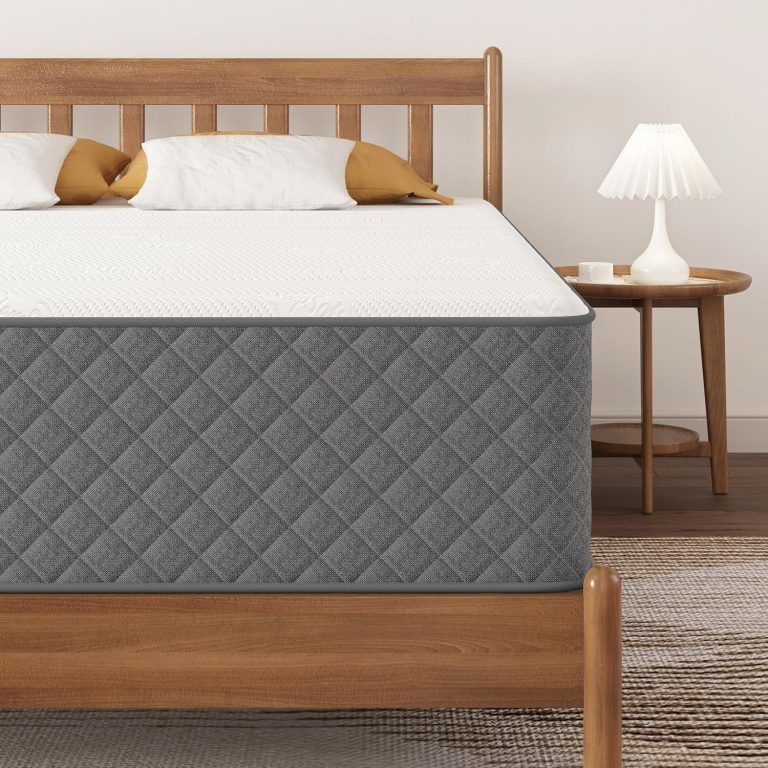
Innerspring coils push back against your weight. The thicker the coil gauge (lower number), the firmer the bed. Modern innersprings also use pocketed coils, which move independently.
This independent movement is a big deal for couples. When you toss and turn, the motion stays on your side. Older innersprings used continuous coils that transferred movement across the whole bed. We found that pocketed coil systems are the reason innersprings are still competitive today.
How Foam Layers Work
Foam conforms to your body’s shape. It distributes weight evenly across the surface. This reduces pressure points at your shoulders and hips.
Memory foam is heat-sensitive. It softens where your body is warmest, which creates that custom-molded feel. Polyfoam (regular foam) is more responsive and sleeps cooler. Latex foam is the premium option, offering both bounce and contouring.
Many experts say that foam is superior for pressure relief because it eliminates the high-pressure zones that coils can create (Cleveland Clinic).
Feel and Support: What Your Body Actually Experiences
You will know the difference within 30 seconds of lying down. An innerspring feels firm and supportive on top. A foam bed feels soft and enveloping. But the long-term support depends on your sleeping position.
Your spine needs to stay aligned while you sleep. If your hips sink too deep, your spine curves. If you are too firm, your lower back arches. Both materials can achieve proper alignment, but they do it differently.
Side Sleepers Need Pressure Relief
Side sleeping puts heavy pressure on your shoulder and hip. These areas are bony and sensitive. Foam is usually the better choice here.
We found that memory foam is particularly good for side sleepers. It allows your shoulder to sink slightly, keeping your spine straight. An innerspring can feel like you’re lying on a board at your hip.
Research on sleep surface comfort suggests that medium-firm foam reduces pain and improves sleep quality in side sleepers (National Institutes of Health).
Stomach Sleepers Need Firmness
Stomach sleeping is the toughest position for your lower back. If your hips sink too far, your spine takes a painful arch. You need a firm, flat surface.
Innerspring mattresses usually provide the firm support stomach sleepers need. The coils keep your hips elevated and aligned. Soft foam beds can cause lower back strain over time.
Back Sleepers Have the Most Flexibility
Back sleepers can do well on both types. You need moderate support with a bit of contouring. A medium-firm foam bed works great. So does a hybrid innerspring with a comfort layer on top.
We recommend testing both if you’re a back sleeper. Your personal preference for sinkage versus bounce matters more here than in other positions.
Temperature Control: Do You Sleep Hot?
This is the most common complaint we hear about foam beds. Traditional memory foam traps body heat. It’s dense and doesn’t allow much airflow.
Innersprings have a natural advantage. The space between coils allows air to circulate. This keeps the surface cooler and more breathable.
But foam manufacturers have worked on this problem. Many modern foam mattresses include cooling gel, copper infusions, or breathable covers. We found that these features help, but they don’t completely solve the heat issue.
If you are a hot sleeper, an innerspring or hybrid is your safest bet. If you prefer foam’s feel, look for one with open-cell technology and a breathable cover.
Motion Isolation for Couples
If your partner tosses and turns, motion isolation matters. Foam is the undisputed champion here.
Memory foam absorbs movement. You could drop a bowling ball on one side and barely feel it on the other. Innersprings transmit some motion, even with pocketed coils.
We found that this is the top reason couples choose foam. A restless partner won’t disrupt your sleep if you’re on a foam bed.
That said, a high-quality pocketed coil innerspring with thick foam layers (often called a hybrid) does a decent job too. It’s not as good as all-foam, but it’s close.
Edge Support and Bounce
Foam mattresses have a weakness: weak edges. When you sit on the edge of a foam bed, it compresses significantly. You might feel like you’re sliding off.
Innersprings, especially those with reinforced coil edges, offer excellent edge support. You can sit comfortably on the edge to tie your shoes or get ready for bed.
Bounce is another area where innersprings win. The coil response gives you a lively, springy feel. This makes it easier to change positions and get out of bed. Foam, especially memory foam, can feel sluggish in comparison.
Durability and Lifespan
Both mattress types can last a decade or more, but it depends on quality. Cheap foam mattresses degrade quickly. They develop body impressions and sag within a few years.
High-density foam (above 1.8 pounds per cubic foot) holds up well. We recommend checking the density specs before buying a foam bed. Lower density foam will not last.
Innersprings can also sag when coils weaken. Look for a coil gauge of 14 or lower for better durability. A quality innerspring with a thick foam comfort layer (hybrid) often outlasts both traditional options.
We found that most mattress warranties cover defects for 10 years. If a mattress sags beyond that point, it’s considered normal wear and tear.
Price and Value Comparison
Price is a major factor for most shoppers. Innerspring mattresses are generally cheaper to produce. You can find a decent innerspring queen for under $500.
All-foam mattresses sit in a mid-range price point. Memory foam options often run between $600 and $1,200 for a queen. Latex foam is the premium choice, often exceeding $1,500.
We found that hybrid mattresses (coils plus foam layers) offer the best of both worlds, but they cost more. Expect to pay $1,000 or more for a quality hybrid.
Your budget should guide your choice, but remember that a mattress is an investment in your health. You spend roughly one-third of your life on it.
| Feature | Innerspring | Foam |
|---|---|---|
| Feel | Bouncy, firm, supportive | Soft, contouring, hugging |
| Pressure Relief | Moderate | Excellent |
| Motion Isolation | Fair (better with pocketed coils) | Excellent |
| Cooling | Excellent (good airflow) | Poor to fair (traps heat) |
| Edge Support | Good to excellent | Poor to fair |
| Bounce | High | Low |
| Durability | 7-10 years with quality coils | 7-10 years with high-density foam |
| Typical Cost (Queen) | $300 – $900 | $500 – $1,500 |
Your Quick Checklist Before Buying
You don’t need to overthink this. Use this checklist to narrow down your options before you hit the store or browse online.
- Check your sleep position: Side sleepers lean foam. Stomach sleepers lean innerspring. Back sleepers can choose either.
- Consider your body weight: Heavier sleepers (over 230 lbs) usually need innerspring or hybrid support to avoid sinking.
- Think about your partner: Couples who share a bed should prioritize foam for motion isolation.
- Assess your temperature: Hot sleepers should avoid traditional memory foam unless it has active cooling features.
- Test the edges: If you sit on the edge of your bed regularly, innerspring offers better support.
- Check the density specs: For foam, look for high-density polyfoam or quality memory foam. For coils, check the gauge.
Who Should Choose Innerspring
Innerspring mattresses are not outdated. They’re a solid choice for specific needs.
Choose innerspring if you sleep hot, need to sit on the edge of your bed, or prefer a firm, bouncy feel. Stomach sleepers and heavier individuals often find coils provide the necessary support.
You’ll also appreciate the lower upfront cost. And if you hate the “sinking in” feeling, the firm support of coils will feel much more natural.
Who Should Choose Foam
Foam mattresses excel at comfort and pressure relief. They’re the go-to for side sleepers and anyone with joint or back pain.
Choose foam if you want deep contouring, need to isolate motion from a partner, or prefer a quiet, peaceful sleep surface. Foam beds are also lighter and easier to move than innersprings.
Just be aware of the heat retention. Many guidelines recommend looking for breathable foam constructions to manage temperature (National Sleep Foundation).
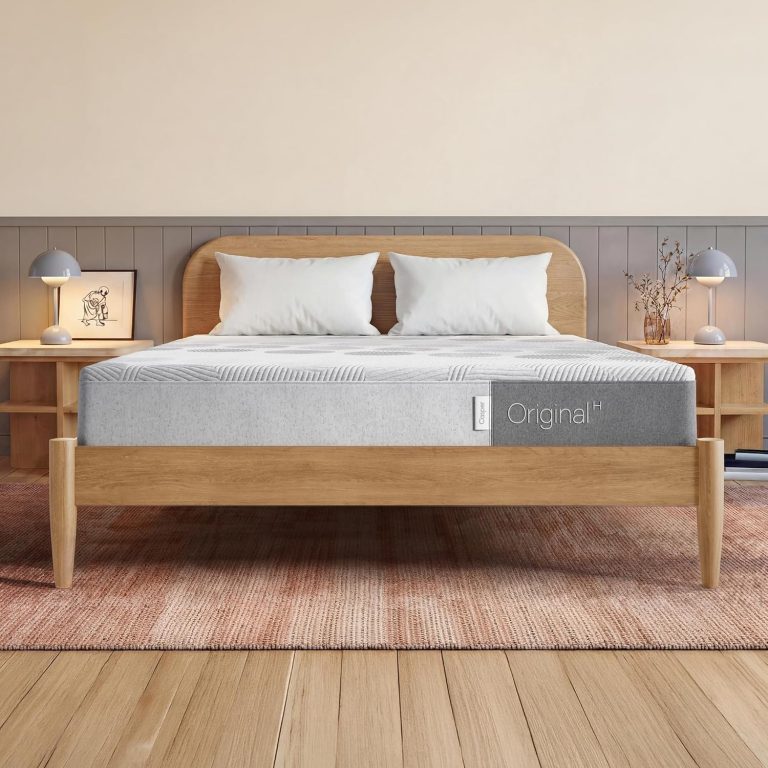
If you are on the fence, a hybrid mattress is a smart compromise. It combines the cooling and edge support of coils with the pressure relief of foam layers. That way, you get the benefits of both worlds without a major compromise.
Conclusion
You now have a clear picture of how innerspring and foam mattresses stack up. Foam wins for pressure relief and motion isolation, while innerspring wins for cooling, bounce, and edge support. Your sleeping position and body weight should drive your final call.
Start by narrowing down your top two or three picks based on our checklist. Then, lie on each mattress for at least 10 minutes in your usual sleeping position. That test will tell you more than any spec sheet.
If you’re still torn, a hybrid mattress gives you a balanced middle ground. Take your time, use the trial period, and don’t settle until your body feels genuinely comfortable.
Frequently Asked Questions
Which mattress type is better for back pain?
For most people with back pain, a medium-firm foam mattress offers better pressure relief and spinal alignment. You get contouring where you need it most, especially at the lower back. Innersprings can work too, but only if they have a thick comfort layer on top.
Do foam mattresses sag faster than innerspring?
Cheap low-density foam sags quickly, often within a couple of years. Quality high-density foam holds up just as well as good coils. Check the density rating before buying — anything above 1.8 pounds per cubic foot is a safer bet.
Can you flip an innerspring or foam mattress?
Most modern mattresses are one-sided and should not be flipped. You can and should rotate them head-to-toe every few months. Flipping a one-sided mattress will damage the comfort layers and void your warranty.
What’s the best mattress for heavy people?
Heavier sleepers typically do best with innerspring or hybrid mattresses with heavy-gauge coils. Coils provide better support and prevent the excessive sinkage that can strain your spine. Look for a coil gauge of 13 or lower for maximum durability.
Are hybrid mattresses worth the extra cost?
Hybrids cost more because they combine the best of both materials. You get cooling and edge support from coils, plus pressure relief from foam. If you have the budget, a good hybrid is often the safest compromise for couples with different preferences.