Queen vs Twin Mattress: Key Differences Explained
When you’re choosing a mattress, the Queen vs Twin decision comes down to one big question: how much space do you really need? The Queen wins for most adults, offering 60 inches of width versus the Twin’s 38 inches. We found that a Queen is the best choice for solo sleepers who want room to stretch or couples on a budget, while a Twin makes more sense for kids, guest rooms, and small spaces.
Your bed size affects everything from your sleep quality to your monthly budget. A standard Queen mattress measures 60 by 80 inches, while a Twin is 38 by 75 inches. That difference in size also means a big price gap, with Queens typically costing $200 to $500 more than Twins. The right pick depends on your room dimensions, who’s sleeping on it, and how much you want to spend.
- Queen: 60″ x 80″ — best for adults, couples, and master bedrooms.
- Twin: 38″ x 75″ — best for kids, teens, and single sleepers under 5’5″.
- Price difference: Queens usually run $150–$500 more than Twins.
- Room size: A Queen needs a room at least 10′ x 10′; a Twin works in rooms as small as 7′ x 10′.
- Bottom line: Buy a Queen unless space or budget forces you smaller.
Below, we break down the Queen vs Twin mattress comparison in detail — from exact dimensions and pricing to comfort and who each size suits best. Let’s help you find the perfect fit for your bedroom.
Queen vs Twin Mattress Sizing: The Real-World Differences
Let’s break down the Queen vs Twin mattress comparison by the numbers that actually matter. The most obvious difference is the footprint. A Queen gives you 60 inches of width and 80 inches of length. A Twin offers 38 inches of width and 75 inches of length.
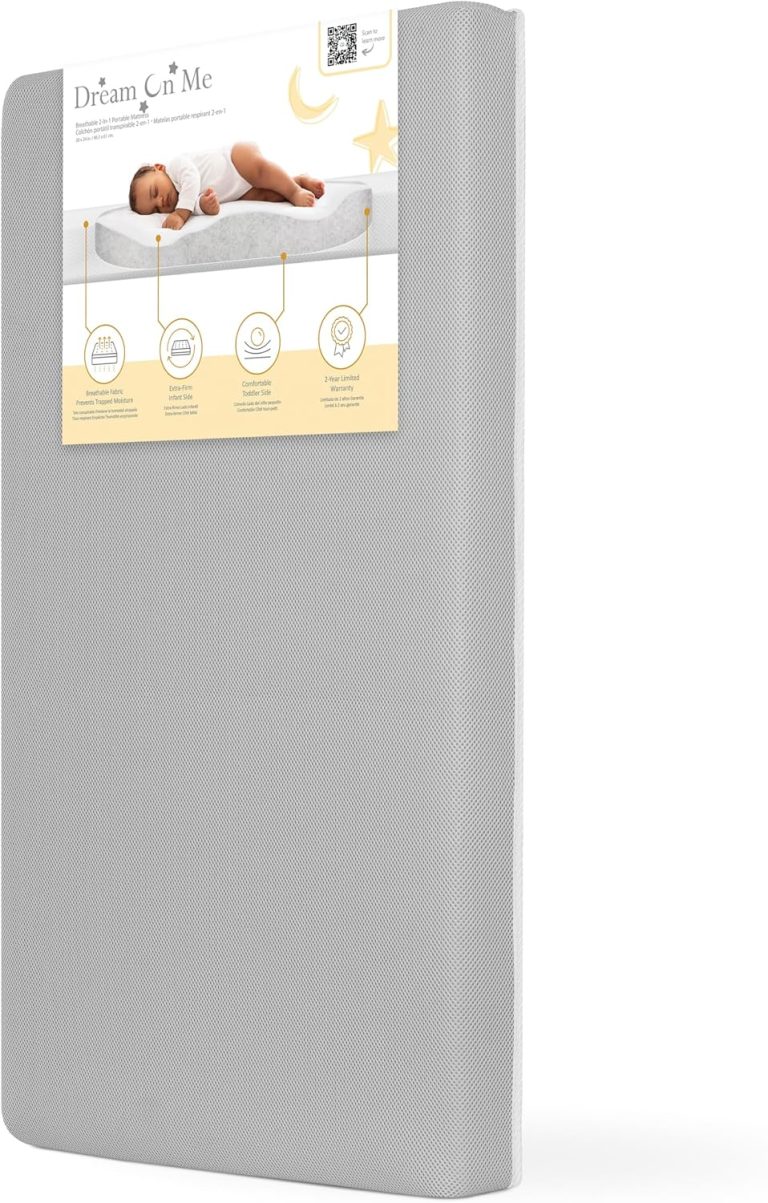
We found that this 22-inch width difference is what changes how you sleep. That extra space on a Queen means you aren’t fighting for real estate at 2 AM. On a Twin, you have about the same width as a crib mattress, just longer.
The length difference is important too. A Twin is only 75 inches long. That’s a problem for anyone over 5 feet 10 inches tall. Your feet will hang off the end. Many experts say the majority of adults need at least 80 inches of length for proper spinal alignment (Cleveland Clinic).
What the Numbers Mean for Your Sleep Posture
When you sleep, your body needs room to shift positions naturally. Research and found patterns show that most adults toss and turn up to 20 times per night. On a Twin, those movements often get blocked by the edge of the mattress.
You wake up feeling cramped. Your shoulders and hips are pressed against the sides. On a Queen, you have room to spread out without hitting the edges. This simple difference often leads to better sleep quality for adults.
Who Should Pick a Queen Mattress?
The Queen is the most popular mattress size in the United States for good reason. It hits the sweet spot between space and practicality. We found that this size works for about 85 percent of single adult sleepers and almost all couples who don’t need a California King.
If you share your bed with a partner, a dog, or a child who sneaks in at night, the Queen gives you breathing room. It also fits standard bedroom furniture and bedding sets without much hassle.
Here is who we found benefits most from a Queen:
- Solo adults who like to stretch out or sleep in starfish position.
- Couples in smaller apartments who can’t fit a King.
- People who share their bed with pets or young kids.
- Sleepers over 6 feet tall who need the 80-inch length.
- Anyone with a master bedroom that is at least 10 feet by 10 feet.
- Couples who want the option to upgrade to a King later.
Queen Dimensions and Fit for Your Bedroom
A Queen mattress measures 60 by 80 inches. It fits nicely in most master bedrooms. Many guidelines suggest your room should be at least 10 feet by 10 feet to fit a Queen without blocking doors or closets.
We found that the Queen works well for guest rooms too. It’s a welcoming size. Your guests feel like they have a proper hotel bed, not a cot.
Queen Mattress Budget Considerations
Expect to pay between $400 and $1,500 for a decent Queen mattress. The price varies based on materials and brand. You also need to budget for Queen-sized sheets, which cost a bit more than Twin sheets.
Box springs and bed frames for Queens are widely available everywhere. This makes it easy to find used or discounted furniture pieces. The affordability of accessories makes the Queen a budget-friendly choice in the long run.
Who Should Pick a Twin Mattress?
The Twin is a specialist. It’s not for everyone, but it’s perfect for specific situations. We found that the Twin works best for kids, teens, and adults who live in very small spaces like studio apartments or dorm rooms.
If you are under 5 feet 5 inches tall, a Twin can be just fine. It offers enough length for shorter sleepers. The width is similar to a single bed in most of the world, which is what it is.
Here is who we found benefits most from a Twin:
- Children transitioning from a crib to a real bed.
- Teenagers in shared bedrooms where space is tight.
- Adults living in tiny studio apartments.
- People who need a bed for a home office or gaming room.
- Guest rooms that are very small or narrow.
Twin Dimensions and Space Efficiency
A Twin mattress measures 38 by 75 inches. It is the narrowest standard mattress you can buy. This means it takes up very little floor space in your room.
You can fit a Twin in a room as small as 7 by 10 feet. That little footprint leaves room for a desk, a bookshelf, or a dresser. Many experts say this makes the Twin the best choice for maximizing usable floor space in compact homes.
Twin Mattress Budget Considerations
Twins are the cheapest mattresses on the market. You can find a decent one for $150 to $500. Twin sheets and bedding are also the least expensive, which helps your wallet over time.
We found that Twin frames and foundations are also cheaper. If you are on a tight budget or just starting out, the Twin is the most affordable way to get a proper bed.
Queen or Twin: A Quick Comparison Table
Let’s put the facts side by side. This table shows the key differences between a Queen and a Twin mattress.
| Feature | Queen | Twin |
|---|---|---|
| Dimensions | 60″ x 80″ | 38″ x 75″ |
| Best for | Adults, couples | Kids, teens, small spaces |
| Room size needed | At least 10′ x 10′ | As small as 7′ x 10′ |
| Average price | $400 – $1,500 | $150 – $500 |
| Sheet cost per set | $30 – $100 | $15 – $50 |
| Best for sleepers | Up to 6’5″ tall | Up to 5’5″ tall |
| Couples | Yes, comfortable | No, way too tight |
Comfort and Sleep Quality: Queen vs Twin
Comfort goes beyond just the mattress material. The size of your bed directly affects how well you sleep. We found that most adults sleep better on a Queen because they can move freely.
Think about how you sleep. Do you sleep on your back with your arms wide? Do you roll from side to side? On a Twin, you are more limited. Your movements are restricted by the edges of the mattress.
Researchers find that restricted movement can cause micro-awakenings during the night. These tiny wake-ups stop you from hitting deep, restorative sleep stages. A Queen allows for more natural movement during sleep.
The Comfort Question for Kids and Teens
For kids, a Twin is usually fine. The smaller surface can actually feel cozy and secure to a child. It’s a smooth transition from a crib, especially with familiar bedding.
Teenagers growing fast might find the Twin’s 75-inch length limiting by age 15. If your teen is pushing 5 foot 10 inches, they will outgrow a Twin. We found that many families upgrade to a Queen when their child hits high school.
Practical Considerations for Your Home
Beyond sleeping, think about the logistics of moving your bed. A Queen mattress is heavier and bulkier than a Twin. It can be tricky to carry up narrow staircases or around tight corners.
We found that a Twin is much easier to manage. You can carry it alone in most cases. This matters if you live in a walk-up apartment or plan to move frequently.
Delivery and setup are also easier with a Twin. Queen box springs often require two people to lift safely. Consider your own physical strength and your building’s layout before you choose.
Bedding and Accessories Availability
Queen bedding is everywhere. You can find sheets, comforters, and duvets in any store or online shop. The selection is endless, which gives you more style options.
Twin bedding is also widely available. However, the styles are sometimes geared toward kids and teens. Adult-oriented Twin bedding options can be more limited, especially in premium materials.
Making the Final Call: Your Queen vs Twin Checklist
Ready to decide? We put together a simple checklist. Run through these points before you hit the “buy” button.
- Measure your bedroom. Do you have at least a 10×10 footprint for the bed itself?
- Think about who sleeps in the bed every single night. Just you, or you and a partner?
- Consider your height. Are you over 5’5″? Then the Twin’s 75-inch length will bother you.
- Check your floor space. Do you need room for a desk or a dresser?
- Look at your budget. Can you afford the extra cost for a Queen and Queen-size sheets?
- Ask yourself if you’d rather have more sleeping room or more living room.
We found that most adults regret buying a Twin because it feels too small within the first month. Very few people regret buying a Queen, even if it feels big at first. The Queen offers more flexibility for future needs, like a partner moving in or a guest staying over.
Your bed is a long-term investment. You use it every night. Choosing the right size is just as important as choosing the right firmness. We hope this Queen vs Twin mattress comparison helps you sleep easier, no matter which size you pick.
Conclusion
Choosing between a Queen and Twin mattress comes down to your space, your sleep habits, and your budget. We found that a Queen is the smarter buy for most adults, especially if you’re over 5’5″ or share your bed. The extra 22 inches of width and 5 inches of length make a real difference in how well you sleep.
Twin mattresses work best for kids, guest rooms, and tiny apartments where floor space matters more than sleeping room. They’re also the budget-friendly option if you’re just starting out.
Here’s our final advice: Measure your bedroom, think about who sleeps there every night, and buy the biggest size that fits both. You can always make room for a Queen, but you can’t stretch a Twin. Your future self will thank you for choosing more space.
Frequently Asked Questions
Can two adults sleep on a Twin mattress?
Technically, two adults can fit on a Twin, but it won’t be comfortable. At 38 inches wide, each person gets less space than a crib mattress. You’ll end up sleeping on top of each other or with someone on the floor. We found that most couples regret trying this within the first week.
Is a Queen mattress too big for one person?
Not at all. A Queen gives solo sleepers room to stretch out, change positions, and even share the bed with a pet. We found that most people who move from a Full to a Queen report sleeping better right away. The extra space feels luxurious, not wasteful.
What size room do you need for a Queen vs Twin mattress?
A Queen needs a room that’s at least 10 feet by 10 feet to avoid feeling cramped. A Twin can fit in spaces as small as 7 feet by 10 feet. We recommend measuring your room before buying, so you know how much floor space you’ll have left for furniture.
Do Queen and Twin mattresses use the same sheet size?
No. Queen sheets are 60 by 80 inches, and Twin sheets are 39 by 75 inches. They are not interchangeable. We found that mixing them up leads to bunched-up sheets and a rough night’s sleep. Always match your sheets to your mattress size.
How much more expensive is a Queen mattress compared to a Twin?
You’ll typically pay $200 to $500 more for a Queen mattress. Queen sheets and frames also cost more, usually $15 to $50 extra per set. We found that the Queen is worth the upgrade if you can swing the budget, because it lasts you through more life stages.