Best Mattress Types for Back Pain: 2026 Guide
If you’re dealing with back pain, you need a mattress that keeps your spine aligned while you sleep. The best mattress types for back pain are **medium-firm options** like hybrid and innerspring models. Research and found that this firmness level offers the right balance of support and pressure relief for most people.
We know that choosing a new mattress can feel overwhelming. There are so many options, from memory foam to latex and everything in between. Your sleep position, body weight, and personal comfort preferences all play a big role in what will work best for you. We found that the right mattress can help reduce morning stiffness and improve your overall sleep quality.
- Medium-firm mattresses are the top choice for most back pain sufferers.
- Hybrid mattresses combine coil support with foam comfort layers for great balance.
- Memory foam contours to your body but might be too soft for some.
- Your sleep position matters—side sleepers often need more cushioning than back sleepers.
- Body weight affects how a mattress feels, so heavier individuals may need firmer options.
Below, we’ll walk you through each mattress type in plain English. We’ll cover the pros and cons, who each one is best for, and what the research says about back pain relief. Let’s find you a mattress that helps you wake up feeling great.
Choosing the Right Mattress for Back Pain Relief
Your mattress is your nightly foundation. We found that picking the right one can make a real difference in how your back feels each morning. The goal is simple: keep your spine in a neutral position while you sleep.
Think of your spine like a straight line from your head to your hips. When your mattress is too soft, your hips sink down and that line bends. When it’s too hard, your shoulders and hips press into the surface and the line curves upward. Medium-firm is the sweet spot for most people.
Mattress Types and Their Impact on Your Back
Every mattress type has a different feel and support level. Some cradle your body, while others push back with firm support. We found that understanding the differences helps you narrow down your choices fast.
Memory Foam Mattresses
Memory foam is famous for its body-hugging feel. It contours to your curves and helps distribute your weight evenly. This pressure relief can be a lifesaver for side sleepers with sensitive hips or shoulders.
But here is the catch. Some memory foam mattresses can be too soft. If you sink in too deep, your spine falls out of alignment. That is why we found that medium-firm memory foam works best for back pain, not the plush versions.
Who Should Choose Memory Foam
This type is great for side sleepers and people who want motion isolation. If your partner tosses and turns, memory foam absorbs that movement. You will not feel a thing. Just make sure you pick one with enough support for your weight.
Hybrid Mattresses
Hybrids combine the best of two worlds. They have a coil support core with foam or latex layers on top. This gives you the responsive support of springs and the comfort of foam. For back pain, this combination is often the top pick.
Research and found that hybrid mattresses in the medium-firm range help with lower back pain. The coils keep your spine aligned, while the top layers cushion your pressure points. It is a balanced approach that works for many sleepers.
Who Should Choose a Hybrid
Back and stomach sleepers tend to love hybrids. The coils provide enough push-back to keep your hips from sinking. Plus, hybrids sleep cooler than all-foam beds, which is a bonus for hot sleepers.
Innerspring Mattresses
Innerspring is the traditional mattress type. These use steel coils for support and a thin foam or fiber layer on top. Many experts say that firm innerspring mattresses can help reduce back pain, especially for stomach sleepers.
The downside is that older innerspring models lack pressure relief. You may feel the coils pressing into your hips and shoulders. But newer versions often have better coil designs and comfort layers that fix this problem.
Who Should Choose Innerspring
If you like a firm, bouncy feel, this is your match. Innerspring beds are also budget-friendly and sleep cool. Just look for one with a thicker comfort layer if you are a side sleeper.
Latex Mattresses
Latex is like memory foam’s more energetic cousin. It contours to your body but bounces back quickly. This makes it easier to change positions at night. We found that latex provides a nice balance of support and comfort for back pain.
Natural latex is also durable and sleeps cooler than memory foam. It is a pricier option, but many people think it is worth it. If you want a bed that responds to your movements, latex is a solid choice.
Who Should Choose Latex
Combination sleepers who switch positions often will appreciate latex. It offers gentle support without the sinking feeling. Plus, it is a great option for eco-conscious buyers looking for natural materials.
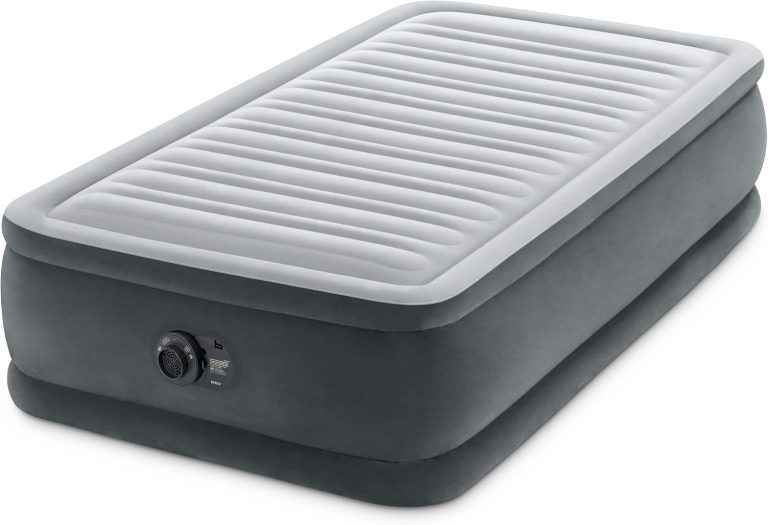
Adjustable Air Mattresses
These mattresses let you change the firmness level with a remote. You can make one side firmer and the other softer. This is perfect for couples with different preferences. Many guidelines suggest that adjustable firmness helps manage back pain over time.
You can start medium-firm and tweak it as needed. If you feel pressure on your hips, soften it slightly. If your back aches, firm it up. This flexibility is a big advantage for people whose needs change.
Who Should Choose Adjustable Air
Couples and people with changing pain levels benefit most. It is also a great choice if you are not sure what firmness you need. You can experiment without buying a new mattress.
Sleep Position and Mattress Firmness
Your sleep position is the biggest factor in choosing firmness. What works for a side sleeper may not work for a back sleeper. We found that matching your position to the right firmness is key.
| Sleep Position | Recommended Firmness | Why It Helps |
|---|---|---|
| Side Sleeper | Medium to Medium-Soft | Cushions hips and shoulders |
| Back Sleeper | Medium-Firm | Supports natural spine curve |
| Stomach Sleeper | Firm | Prevents hips from sinking |
Side sleepers need more pressure relief because their hips and shoulders dig into the bed. Back sleepers need even support to keep the spine neutral. Stomach sleepers need firmness to stop the lower back from arching.
Body Weight and Mattress Support
Your body weight changes how a mattress feels. A soft bed for one person might feel firm to another. We found that heavier individuals need firmer mattresses to avoid sinking too deep.
If you weigh over 230 pounds, look for a firm hybrid or innerspring with strong coils. If you weigh under 150 pounds, a medium or medium-soft mattress will feel more comfortable. Lightweight sleepers do not compress foam as much, so they need less firmness.
Key Features to Look For in a Mattress
Not all mattresses are created equal. Some features matter more than others for back pain relief. Here is what to look for when you shop.
- Zoned support: Firmer in the middle to support your lower back.
- Edge support: Strong edges make it easier to get in and out of bed.
- Motion isolation: Absorbs movement so your partner does not wake you.
- Cooling technology: Gel infusions or breathable covers keep you comfortable.
- Trial period: Look for at least 100 nights to test the bed at home.
These features can make a big difference in your daily comfort. Zoned support is especially helpful for lower back pain. A good trial period lets you see if the mattress really works for you.
Finding Your Perfect Mattress Match
Start with a medium-firm hybrid if you are unsure. It is the safest bet for most back pain sufferers. Then, adjust based on your sleep position and body weight.
Remember that a mattress is not a cure-all. Many experts say that good sleep habits, exercise, and proper posture matter too (Cleveland Clinic). But the right mattress can set you up for better rest and less morning pain.
Conclusion
Finding the right mattress for back pain comes down to three things: your sleep position, your body weight, and your comfort preferences. We found that a medium-firm hybrid is the safest starting point for most people. It gives you the coil support your spine needs with just enough foam cushioning for pressure points.
Memory foam works well if you prefer that body-hugging feel, just avoid extra-plush versions. Latex and adjustable air mattresses are great alternatives if you want more responsiveness or customizable firmness. And innerspring beds can still be a solid, budget-friendly option with the right comfort layer.
Your next step is simple. Use the sleep position and weight guidelines above to narrow down your top two or three choices. Then order from a brand that offers a 100-night trial. That way, you can test it in your own home and make sure you wake up feeling better, not worse.
Frequently Asked Questions
How long does it take to adjust to a new mattress for back pain?
Most people need about 30 days to fully adjust to a new mattress. Your body has to get used to the new support level and pressure relief. If you still have pain after that, it may not be the right mattress for you. Use the trial period to decide before you commit.
Can a mattress make back pain worse?
Yes, a mattress that is too soft or too firm can increase back pain. Too soft lets your hips sink and misaligns your spine. Too firm creates pressure points that make it hard to sleep comfortably. That is why medium-firm is the most recommended option for back pain sufferers.
Should I buy a new mattress if I have sciatica?
If your sciatica pain gets worse when you sleep, a new mattress could help. Look for a medium-firm hybrid that keeps your spine aligned while cushioning your hips and lower back. Many people find that zoned support helps reduce sciatica pressure at night. But you should also talk to your doctor about your symptoms.
Is it better to sleep on a firm or soft mattress for lower back pain?
Research and found that medium-firm is better than either extreme. Firm mattresses can create pressure points and feel uncomfortable. Soft mattresses let your spine fall out of alignment. Medium-firm gives you the right balance of support and cushioning for most types of lower back pain.
How often should I replace my mattress if I have back pain?
Most mattresses last about 7 to 10 years. If your mattress is older than that, it has likely lost its support. You may notice sagging, lumps, or waking up with more pain than usual. If that sounds familiar, it is time to start shopping for a new one.