Mattress vs Gadda: Key Differences for Better Sleep
For most people, a mattress beats a gadda for long-term comfort and support. A gadda is a soft, quilted cotton pad, while a mattress is a structured sleep surface. The main difference is support versus softness — and that changes everything about how you sleep.
We researched both options and found that your choice really depends on your sleep setup. If you sleep on the floor or a traditional low bed, a gadda might feel familiar and cozy. But if you deal with back pain, need proper spinal alignment, or want better durability, a real mattress is almost always the smarter investment. We also looked at cost, maintenance, and how each one holds up over time.
- Winner for support: Mattress — it keeps your spine aligned all night.
- Winner for price: Gadda — it’s much cheaper to buy and replace.
- Winner for floor sleepers: Gadda — it’s light and easy to fold away.
- Winner for durability: Mattress — it lasts years longer than a gadda.
- Bottom line: If you can afford it, get a mattress. Use a gadda as a topper or for guest setups.
Below, we break down the key differences between a mattress and a gadda, so you can pick the right one for your sleeping style, budget, and space.
Mattress vs. Gadda: Breaking Down the Real Differences
You want to know which one gives you the best sleep. We found that the answer depends on where you sleep and what your body needs. Let’s look at the core differences between these two sleep surfaces.
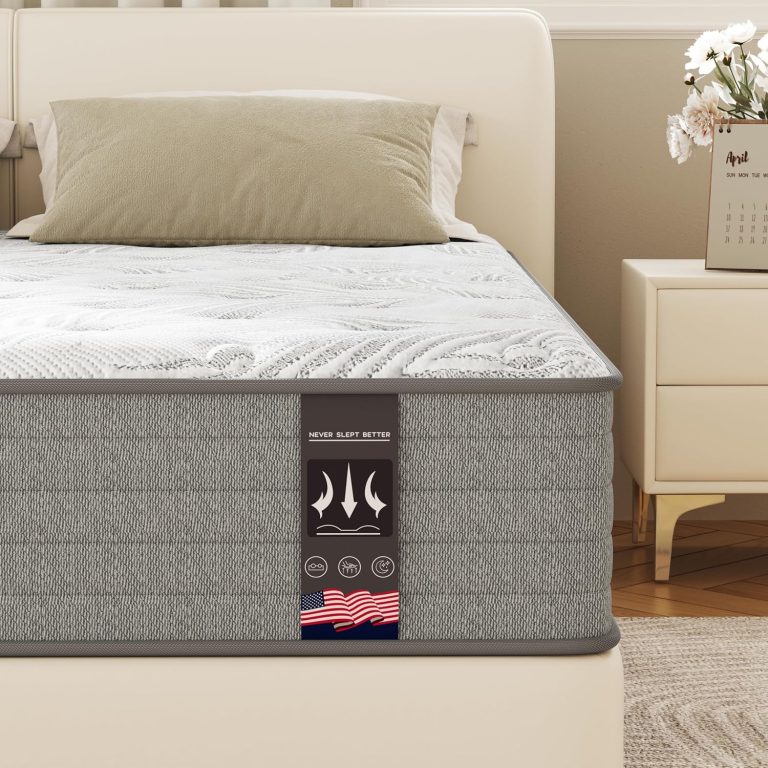
A mattress is a firm, structured base. It usually sits on a bed frame or box spring. A gadda is a thick, quilted cotton pad. People often place it directly on the floor or on a hard surface. That simple difference changes how your body rests all night.
What Exactly Is a Gadda?
A gadda is a traditional sleep pad. It looks like a giant, fluffy pillow. It is usually filled with cotton or foam scraps. You can fold it up and move it easily.
People in South Asia have used gaddas for generations. They sleep on them directly on the floor. The softness feels nice at first. But the lack of structure can cause problems over time.
What Makes a Mattress Different?
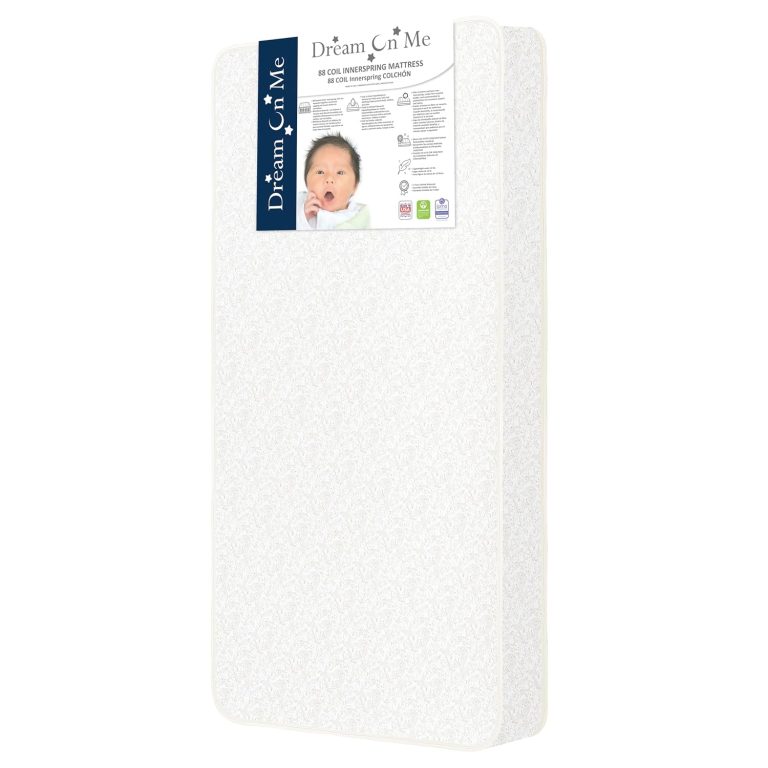
A mattress has layers of support. It uses foam, springs, or latex to hold your body. The goal is to keep your spine in a neutral line. That means your head, neck, and back stay aligned while you sleep.
Mattresses also have a firm base. This base prevents your hips from sinking too deep. That support is key for people with back pain or joint issues.
Support and Spinal Alignment: The Big Test
Your spine needs support while you sleep. Without it, you wake up sore and stiff. We found that mattresses win this category by a wide margin.
A gadda is soft and gives way under your weight. Your hips and shoulders sink in. This creates a curve in your lower back. Over time, that curve can lead to pain.
Many guidelines point to proper spinal alignment as a key factor for restful sleep (Mayo Clinic). A mattress keeps your spine straight. A gadda does not offer that same level of support.
How a Mattress Keeps Your Spine Happy
Memory foam and innerspring coils respond to your body. They push back gently. This keeps your hips from sinking too low. Your neck stays level with your spine.
We found that medium-firm mattresses work best for most people. They offer a balance of softness and support. That balance helps you sleep without tossing and turning.
Why a Gadda Fails the Support Test
A gadda is basically a soft pillow for your whole body. It feels cozy, but it does not hold you up. Your body sinks into the cotton. Your spine bends out of shape.
If you sleep on your back, a gadda can push your head forward. If you sleep on your side, your hip sinks deep. Both positions strain your muscles and joints.
Comfort and Feel: Softness vs. Stability
Comfort is personal. Some people love sinking into a soft surface. Others need a firm base to feel secure. We found that both options have their fans.
A gadda feels like sleeping on a giant marshmallow. It is plush and warm. Many people love that cozy, hugged feeling. But that softness comes with a downside.
You may wake up with a sore back. Your body has to work harder to find a stable position. You might also feel stuck in one spot all night.
The Gadda Cozy Factor
There is something special about a gadda. It feels familiar and safe. It is like sleeping on a giant blanket.
We found that gaddas are great for kids or for naps. They are light and easy to wash. But for a full night of sleep, the softness can backfire.
The Mattress Stability Advantage
A mattress gives you a stable surface. You do not sink too deep. You can move freely without feeling stuck.
This stability helps you sleep deeper. You spend less time adjusting your position. That means more restful sleep and less morning stiffness.
Cost and Value: What You Pay Over Time
Price matters. A gadda is much cheaper upfront. A mattress costs more but lasts longer. We found that the long-term value favors the mattress.
A good gadda might cost you 50 to 100 dollars. A decent mattress starts around 300 dollars. That is a big difference in price. But you may replace a gadda every year or two.
Gadda Costs Add Up
Gaddas flatten out. The cotton compresses and loses its fluff. You have to replace them often.
We found that a gadda lasts about 1 to 2 years with daily use. That means you might buy 3 or 4 gaddas in the time one mattress lasts. The savings disappear fast.
Mattress Longevity Wins
A quality mattress lasts 7 to 10 years. That is a solid return on your money. You pay more upfront, but you sleep better for longer.
Many experts say a good mattress is worth the investment. It supports your health and your sleep quality. Over time, it costs less per night than a gadda.
Maintenance and Cleaning: The Hidden Work
Both options need care. But one is much easier to manage. We found that gaddas require more frequent washing and fluffing.
Gaddas absorb sweat and dust. They are thick and heavy when wet. You have to air them out regularly to keep them fresh.
Keeping a Gadda Fresh
You should wash a gadda cover every week. The inner filling needs sun drying to kill bacteria. That is a lot of work.
If you skip the care, the gadda gets smelly. Dust mites love warm, damp cotton. That can trigger allergies and breathing issues.
Mattress Care Is Simpler
A mattress just needs a good protector. You wash the sheets and the protector. The mattress itself stays clean underneath.
You should rotate your mattress every few months. That is about it. It is much less daily work than a gadda.
Who Should Choose a Gadda?
Gaddas are not all bad. They work well in certain situations. We found that they are great for specific needs.
- Floor sleepers: If you prefer a firm floor base, a gadda adds a soft layer.
- Kids and toddlers: A gadda is safe and soft for playtime and naps.
- Guests: Keep a gadda folded in a closet for overnight visitors.
- Small spaces: A gadda rolls up and stores away easily.
- Budget shoppers: If you only have 50 dollars, a gadda is better than nothing.
If any of these sound like you, a gadda might work. Just know its limits for long-term back health.
Who Needs a Real Mattress?
Most adults need a mattress. If you have back pain, a mattress is the safer choice. We found that support matters more as you age.
You also want a mattress if you sleep in the same spot every night. Your body needs consistent support. A gadda cannot provide that.
Signs You Need a Mattress Right Now
Pay attention to how you feel in the morning. Do you wake up with a sore back? Do you toss and turn all night? These are signs that your sleep surface is failing you.
Many guidelines point to proper support as a key factor for avoiding back pain (NIH). If you have chronic pain, a mattress is not a luxury. It is a health tool.
Can You Use Both Together?
Yes, and this might be the best option. You can put a gadda on top of a mattress. This gives you the support of a mattress with the softness of a gadda.
We found that this combo works well for people who want a plush feel. The mattress handles the support. The gadda adds a cozy top layer.
Just make sure the gadda is not too thick. A thin gadda works better as a topper. A thick one can ruin the mattress support.
Quick Comparison Table
Here is a simple breakdown of the key differences. Use this to make your final decision.
| Feature | Mattress | Gadda |
|---|---|---|
| Support level | High | Low |
| Spinal alignment | Excellent | Poor |
| Upfront cost | High | Low |
| Lifespan | 7-10 years | 1-2 years |
| Maintenance | Easy | High effort |
| Portability | Hard to move | Easy to fold |
| Best for | Daily sleep | Guests, kids, floor |
Your Final Checklist Before Buying
Before you spend any money, run through this quick checklist. It will help you pick the right sleep surface for your needs.
- Check your budget: Can you afford 300 dollars or more for a mattress?
- Check your sleeping spot: Do you sleep on a bed frame or the floor?
- Check your back: Do you wake up sore or stiff in the morning?
- Check your space: Do you need something you can fold and store?
- Check your long-term plans: Are you staying in this place for years?
- Check your guests: Do you need a spare sleeping option for visitors?
Answer these honestly. If you need support and durability, choose a mattress. If you need a cheap, portable option, go with a gadda. Your back will tell you which one you picked right.
Conclusion
So, mattress vs gadda — what is the right call for you? We found that a real mattress wins for support, spinal alignment, and long-term value. It costs more upfront, but it protects your back and lasts for years. A gadda is cheaper and works great for floor sleepers, kids, or guest setups. But you will likely replace it every couple of years.
Your best move? Buy a quality mattress if you can swing the budget. If you want that soft, cozy feel, add a thin gadda on top as a topper. That combo gives you the best of both worlds.
Take the checklist from earlier and run through it tonight. Your back will thank you in the morning.
Frequently Asked Questions
Can I sleep on a gadda every night without hurting my back?
You can, but it is risky. A gadda does not provide enough support for your spine during full-night sleep. We found that most people wake up sore after a few weeks of nightly gadda use. It is better for naps or occasional use than for your daily sleep routine.
Is a gadda the same as a mattress topper?
No, they are different. A mattress topper is designed to sit on top of a mattress and add comfort. A gadda is a standalone pad that you use directly on the floor or a hard surface. You can use a gadda like a topper, but it is thicker and less structured than most toppers.
How do I know if my gadda needs to be replaced?
Check how flat it feels when you press down on it. If the cotton has compressed and lost its fluff, it is time for a new one. We found that gaddas usually last 1 to 2 years with regular use. If you wake up sore, that is another sign your gadda has worn out.
Can I put a gadda on top of my existing mattress?
Yes, you can. This is a popular way to soften a firm mattress. Just keep the gadda thin so it does not ruin the support underneath. A thick gadda can throw off your spinal alignment and make the mattress feel less supportive.
What is the cheapest way to get better sleep without buying a mattress?
Start by fixing your current setup. Put a firm blanket or yoga mat under your gadda to add some structure. Then add a pillow under your knees if you sleep on your back, or between your knees if you sleep on your side. These small changes can help, but you will still get better support from a real mattress when your budget allows.