Spring Mattress Types Explained for Better Sleep
Spring mattresses come in four main types: innerspring, pocket coil, continuous coil, and offset coil. The best one for you depends on how you sleep, your budget, and whether you want that classic bouncy feel. Innerspring mattresses are the most common and affordable option you’ll find in most stores.
You’ll also hear about hybrid mattresses, which combine spring cores with foam or latex layers for extra comfort. We found that coil gauge (wire thickness) and coil count play a big role in how firm and supportive the bed feels. Your body weight matters too, so a mattress that works for a 130-pound side sleeper might feel totally different to a 230-pound stomach sleeper.
- Innerspring: The classic, budget-friendly choice with a firm, bouncy feel.
- Pocket coil: Each coil is wrapped individually, giving you better motion isolation.
- Continuous coil: One continuous wire forms the coils, making it durable and supportive.
- Offset coil: Coils are flattened on top and hinge together, offering a balance of support and contouring.
- Hybrid: A spring core plus foam or latex layers for a softer, more cushioned surface.
Below, we break down each spring mattress type in plain English so you can pick the right one without the sales pressure. Let’s walk through what you can expect from each option and which sleeper they suit best.
Choosing the Right Spring Mattress for Your Sleep Style
You might think a spring is a spring. But we found that the way coils are built changes everything about how a bed feels. Each type has a distinct personality, and your job is to find the one that matches your body.
Before you shop, know your sleep position and weight. That info will guide you to the right coil type. Let’s break down the options so you can walk into a store with confidence.
Innerspring Mattresses: The Tried-and-True Classic
This is the bed you probably grew up on. Innerspring mattresses use a network of interconnected coils. They are the most common and budget-friendly option on the market.
The coils work as one unit. When you push down on one spot, the surrounding coils move too. This gives you that classic, firm bounce that many people love.
We found that these beds sleep cooler because air flows freely through the open coil structure. If you sleep hot, this is a major plus.
Who Should Consider an Innerspring Bed
These are great for back and stomach sleepers who need a firmer surface. They also work well for heavier individuals because the interconnected coils provide strong, even support. If you move around a lot at night, the bounce makes it easier to shift positions.
The Trade-Offs You Should Know
Motion transfer is the biggest downside. If your partner tosses and turns, you will feel it. You also won’t get much pressure relief at your hips and shoulders. That can be a problem for side sleepers.
Pocket Coil Mattresses: Built for Motion Isolation
Here is where things get interesting. In a pocket coil system, each spring sits in its own fabric pouch. They work independently instead of as one big unit.
This design is a game-changer for couples. When your partner gets up at 3 AM, you won’t even stir. The coils only compress where pressure is applied, so the rest of the bed stays perfectly still.
We found that pocket coils also contour better to your body. They hug your curves while still giving you that springy support. That makes them a top pick for side sleepers.
Pocket Coil and Motion Transfer
Sleep studies often highlight how important undisturbed sleep is for your health (National Institutes of Health). If you share a bed, this type of coil is worth the extra money. It’s the quietest and most isolated option you can buy.
Continuous Coil Mattresses: The Durable Workhorse
Instead of individual springs, a continuous coil mattress uses one long piece of wire. That wire is bent into an S-shape to form every coil in the bed. It’s a smart, efficient design that keeps costs down.
Because the wire runs the entire length of the mattress, it creates a very sturdy frame. These beds are built to last. You will often find them in guest rooms and hotels because they handle heavy use well.
The feel is firm and supportive. However, you won’t get much contouring. The continuous wire connects everything, so you might feel some motion transfer across the surface.
Best Use Cases for Continuous Coils
If you want a no-fuss, firm bed that won’t sag, this is your pick. It’s also a solid choice for kids’ rooms or rental properties where durability matters more than plush comfort.
Offset Coil Mattresses: The Balanced Performer
Offset coils are a clever twist on the classic innerspring. The top and bottom of each coil are flattened. These flat ends are then hinged together with a wire.
This design gives you a great balance of support and flexibility. The coils move independently at the hinge points, so they respond to your body shape better than standard innersprings. Yet they still feel bouncy and responsive.
We found that offset coils offer a middle ground. They provide more contouring than continuous coils but better support than some pocket coil options. It’s a solid choice if you can’t decide between firm and plush.
Hybrid Mattresses: When Springs Meet Foam
Hybrids are the new kids on the block. They take a pocket coil base and add thick layers of foam or latex on top. This combo aims to give you the best of both worlds.
The springs provide support and airflow. The foam provides pressure relief and a cushioned feel. We found that hybrids are excellent for side sleepers who need extra padding for their shoulders and hips.
Why Hybrids Feel Different From Standard Springs
You still get the support of coils, but you don’t feel them poking through. The comfort layer absorbs your body weight first. Many experts say this design helps with spinal alignment (Cleveland Clinic).
The trade-off is heat retention. Foam traps body heat more than bare springs. If you sleep hot, look for hybrids with gel-infused foam or breathable covers.
Is a Hybrid Worth the Higher Price Tag
Hybrids usually cost more than standard spring mattresses. But the added comfort layers can make a big difference in sleep quality. If you have chronic back pain or pressure points, the extra cost might be worth it.
Coil Gauge and Count: The Numbers That Matter
You will see numbers like 13.5 gauge or 800 coils on the spec sheet. These numbers tell you how firm and supportive the bed will be. Learning to read them will help you avoid a bad purchase.
Understanding Coil Gauge
Gauge refers to the thickness of the wire. A lower gauge number means a thicker wire. Thicker wires feel firmer and last longer. Higher gauge numbers mean thinner wires that feel softer and more flexible.
Here is a quick breakdown:
- 12 to 13 gauge: Very firm, best for heavier people
- 13.5 to 14 gauge: Medium firm, works for most sleepers
- 15 gauge: Soft and flexible, good for lightweight sleepers
Does Coil Count Really Matter
You might think more coils always means a better bed. That’s not always true. A high coil count with thin wire can feel worse than a lower count with thick wire.
We found that coil distribution matters more than total count. A good mattress places more coils in the middle third of the bed, where your hips and lower back sit. This zone needs the most support to keep your spine aligned.
Comparing Spring Types Side by Side
To make this easy, here is a quick comparison table. Use it to narrow down your choices before you test beds in person.
| Spring Type | Motion Isolation | Support | Best For |
|---|---|---|---|
| Innerspring | Poor | Firm | Back sleepers on a budget |
| Pocket Coil | Excellent | Contouring | Couples and side sleepers |
| Continuous Coil | Fair | Very Firm | Kids rooms and guest beds |
| Offset Coil | Good | Balanced | People who want a bit of everything |
| Hybrid | Good to Excellent | Soft to Firm | Pressure relief seekers |
Your Body Weight Changes How Springs Feel
Here is a reality check. A mattress that feels perfect for one person can feel terrible for another. Your weight plays a huge role in how a spring mattress performs.
Lightweight Sleepers (Under 150 lbs)
You won’t compress thick coils very much. A firm innerspring might feel like you are sleeping on a rock. We found that softer coils and hybrid designs work better for you. They allow your body to sink in just enough for pressure relief.
Average Weight Sleepers (150 to 200 lbs)
You are in the sweet spot. Most spring types will work well for you. A medium-firm coil is usually a safe bet. You can experiment with different styles and see what feels comfortable.
Heavier Sleepers (Over 200 lbs)
You need serious support. Thin coils will bottom out and lose their shape. Look for thick, low-gauge coils in the 12 to 13 range. Pocket coils with high density are also a good option because they distribute weight evenly.
A Simple Checklist Before You Buy
Use this list when you are at the store. It will keep you focused and help you avoid making a rushed decision.
- Test your sleep position: Lie the way you actually sleep, not just on your back.
- Check the edge support: Sit on the edge and see if it collapses.
- Ask about the coil gauge: Make sure it matches your weight range.
- Test motion isolation: Have a friend move on one side while you lie still.
- Verify the warranty: Look for at least a 10-year warranty.
- Check the return policy: Make sure you can try it at home for a month.
What About Adjustable Bases and Springs
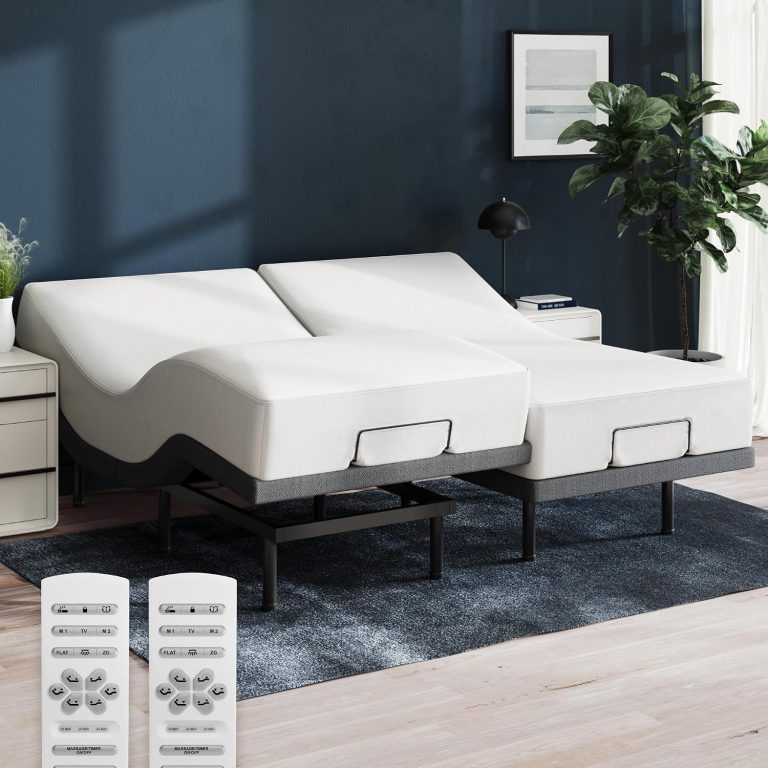
You might be thinking about an adjustable bed frame. Not all spring mattresses work with them. The bed needs to bend without damaging the coils.
We found that pocket coil mattresses are the safest bet for adjustable bases. The individually wrapped coils flex independently. Continuous and offset coils are too rigid and may kink or break when bent.
Always check the manufacturer’s label. If it doesn’t say “adjustable base compatible,” don’t risk it. You could void the warranty.
Longevity and Wear: How Long Will It Last
No mattress lasts forever. But spring types have different lifespans. Knowing this will help you set realistic expectations.
Standard innersprings last about 5 to 8 years with proper care. The interconnected coils can sag over time. Pocket coil beds last a bit longer, around 7 to 10 years, because each coil wears independently. Continuous coils are the most durable, often lasting 10 to 15 years thanks to the single-wire design.
Rotating your mattress every few months will help even out wear. And a good foundation matters just as much as the mattress itself. A weak box spring will shorten the life of any coil system.
Conclusion
Spring mattresses aren’t one-size-fits-all. We walked through innerspring, pocket coil, continuous coil, and offset options. You also saw how hybrids blend springs with foam for extra comfort. The right choice really comes down to your body weight, sleep position, and whether you share the bed.
Focus on coil gauge first, then think about motion isolation. Heavier sleepers need thick 12 to 13 gauge wire. Couples should lean toward pocket coils. If you want that classic firm bounce on a budget, a standard innerspring is still a smart pick.
Your next step is simple: visit a store and lie down for at least 10 minutes in your usual sleep position. Bring your pillow. That hands-on test will tell you more than any spec sheet ever could.
Frequently Asked Questions
What is the best spring mattress type for back pain?
We found that pocket coil and hybrid mattresses tend to work best for back pain. The individually wrapped coils contour to your spine’s natural curve. That targeted support helps keep your lower back aligned through the night.
How often should you replace a spring mattress?
Most spring mattresses last between 7 and 10 years with regular use. You should start shopping for a new one sooner if you notice sagging, visible wear, or waking up with aches. A good rule of thumb is to replace it when you stop sleeping well on it.
Are expensive spring mattresses worth the extra money?
Higher prices usually mean better coil gauge, more durable materials, and thicker comfort layers. But you don’t always need the priciest option. We found that mid-range mattresses with a 13.5 gauge coil offer solid value for most sleepers.
Can you flip a spring mattress to make it last longer?
Most modern spring mattresses are one-sided, meaning you can’t flip them over. You can, however, rotate them 180 degrees every few months. That simple habit helps distribute wear evenly and extends the life of your coils.
What is the difference between a spring mattress and a hybrid?
A standard spring mattress has coils with just a thin padding layer on top. A hybrid adds a thick layer of foam or latex between the coils and the surface. That extra cushioning gives hybrids a softer, more pressure-relieving feel than traditional springs.