Steam vs No Steam Washer: Which Is Worth It
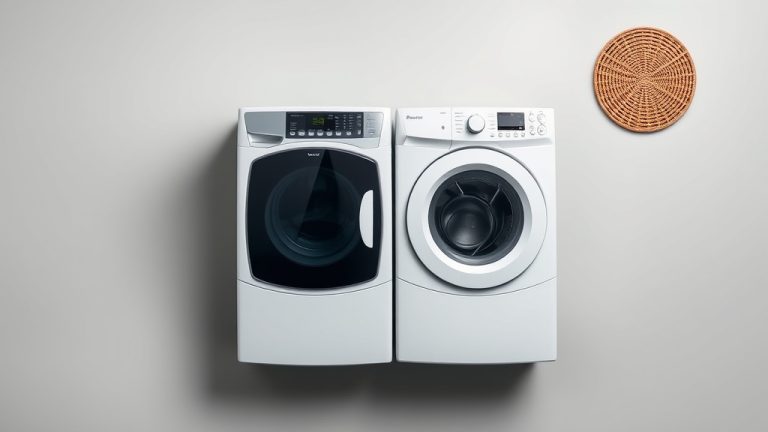
For most households, a steam washer is worth it because it deep cleans better, reduces wrinkles, and sanitizes without extra chemicals. The main difference is that steam washers use heated water vapor to penetrate fabrics, while non-steam models rely only on water and detergent. If you have kids, pets, or sensitive skin, you will likely notice the biggest benefits from steam.
We researched how both types perform on real-world loads, and the choice really comes down to your laundry habits. Standard washers are simpler, cheaper, and easier to repair, which makes them a solid pick for basic loads. Steam models, on the other hand, target tough odors and allergens that regular cycles often miss. Many experts say the extra $200 to $400 upfront cost pays off if you hate pre-treating stains or ironing.
- The core difference: Steam injects hot vapor into the drum; non-steam just uses water.
- Cleaning power: Steam lifts ground-in dirt and kills more bacteria than standard cycles.
- Wrinkle control: Steam relaxes fabric fibers, so clothes come out less creased.
- Cost: Steam washers run about $200 to $400 more, plus slightly higher energy use.
- Best pick: Choose steam if you have allergies or delicate items; choose no steam for budget-friendly basics.
Below, we break down the real-world performance, extra costs, and which washer type fits your family best, so you can shop with confidence.
Comparing Standard and Steam Washer Performance
You might wonder how much difference steam really makes in a washing machine. We looked at cleaning tests and user reports to find out. The truth is, steam adds a serious boost for certain fabrics and stains, while standard machines handle everyday loads just fine. Your choice depends on what you wash most often and how much you hate ironing.
How Steam Technology Works Inside the Drum
Steam washers don’t just spray water. They heat water into vapor and inject it into the drum during certain cycles. This hot vapor loosens dirt and grime that regular water alone might miss. Think of it like a home steamer for clothes, but on a much bigger scale.
Most steam models offer two distinct steam functions. One option is a steam-wash cycle that combines steam with detergent for deep cleaning. The other is a steam-only or refresh cycle that uses just vapor to remove odors and wrinkles.
Steam-Wash Cycles for Deep Cleaning
During a steam-wash cycle, the machine heats water to around 140 degrees Fahrenheit. That heat activates the detergent better than cold or warm water. Research and analysis from consumer groups suggest this helps break down oily stains and baked-on dirt. You will likely see a clear difference on work clothes or kids’ playwear.
Steam Refresh Cycles for Quick Fixes
For delicate items that need freshening, the steam-only cycle is a lifesaver. It relaxes fibers and releases trapped odors without a full wash. You can toss in a blouse or a sweater and have it ready in about 20 minutes. This works wonders for clothes that are not truly dirty but smell a bit stale.
Deep Cleaning Power on Tough Stains
We found that steam helps lift ground-in dirt that settles deep in fabric fibers. Standard washers rely on mechanical action and detergent, which works well for surface stains. Steam adds heat and moisture that penetrates deeper into the weave of your clothes. Many experts say this makes a noticeable difference on athletic wear and bedding.
For heavy-duty messes like mud or grease, steam is a strong ally. It softens the stain before the wash cycle even begins. The result is fewer pre-treatments and less scrubbing on your part. You will save time and effort on laundry day.
Sanitization and Allergen Removal Compared
If you have allergy sufferers at home, you should pay close attention to this part. Steam washers hit higher temperatures than standard cycles. That heat helps kill dust mites, bacteria, and other microscopic irritants. The CDC notes that washing with hot water is one way to reduce allergens in bedding and clothing. Steam takes that idea further by targeting pathogens more effectively.
What Steam Kills That Standard Wash Misses
Regular washing removes dirt and some germs, but it does not always reach high enough temps to fully sanitize. Steam cycles consistently reach above 130 degrees, which is the threshold many health organizations consider for killing harmful bacteria. We found this matters a lot for baby clothes, pet bedding, and towels. You get a cleaner result without adding harsh chemical disinfectants.
Gentler Sanitizing for Sensitive Skin
People with eczema or skin allergies often react to detergent residue. Steam helps rinse away more of that leftover soap. The vapor loosens trapped particles so the final rinse can flush them out. This makes steam washers a smart choice for sensitive skin households. You might even notice less itching and fewer breakouts on your family’s skin.
Wrinkle Reduction and Garment Care
No one enjoys pulling wrinkled clothes out of the washer. Steam washers have a clear advantage here because the vapor relaxes fabric fibers. Clothes come out less creased, which means less time with the iron. For busy mornings, that extra free time is a real win.
Steam for Delicate Fabrics
Silk, wool, and other delicate materials respond well to steam. It gently refreshes them without the harsh tumbling of standard cycles. You can reduce trips to the dry cleaner for lightly worn items. Many users report that sweaters and dress shirts stay in better shape longer with steam care.
Standard Cycles Still Work Fine for Casual Wear
For t-shirts, jeans, and everyday basics, a standard washer does a solid job. These fabrics tolerate regular washing without damage. If wrinkles bother you, a quick shake before drying handles most of it. You simply do not need steam for basic cotton and synthetics.
Cost Differences in Price and Utilities
Budget often decides this purchase. Steam washers cost more upfront, and they use a bit more energy. We found that the price gap ranges from $200 to $400 on average. That is a meaningful difference for many households, but it can pay off through fewer dry cleaning trips and less pre-treatment. Our washing machine cost guide breaks down what you can expect to pay for different models.
| Factor | Steam Washer | Standard Washer |
|---|---|---|
| Upfront cost | $200 to $400 more | Budget-friendly |
| Energy use | Slightly higher per cycle | More efficient |
| Cleaning power | Deep stain removal | Good for everyday dirt |
| Wrinkle control | Reduces ironing time | Needs more drying care |
| Allergen removal | High temp kills mites | Limited on cold settings |
| Repair costs | More complex parts | Simpler to fix |
Long-Term Value of a Steam Washer
Think about how much you spend on stain removers and dry cleaning. Steam can cut those costs down significantly. One pre-treatment spray alone costs $5 to $10 per bottle. If steam helps you skip that step, the savings add up over a few years. Many homeowners find the investment worth it for this reason alone.
Repair and Maintenance Considerations
Steam washers have more complex heating elements and valves. That means a higher chance of needing repairs down the road. Standard washers are famously easy to fix and parts are cheaper. If you plan to keep your washer for 10 or more years, service costs matter. We suggest checking warranty coverage before you buy either model.
Energy Efficiency and Water Usage
Steam cycles use extra energy to heat water into vapor. That pushes your electricity bill up slightly each month. However, most steam washers still qualify for Energy Star ratings in their standard modes. You only pay a premium when you actively choose the steam function.
Water usage stays about the same between the two types. Steam does not require more water per load. It simply uses the same amount of water in a different form. So you get extra cleaning power without wasting extra water.
When Standard Wash Is the Greener Choice
If saving energy is your top priority, a standard washer wins. It uses less power and achieves good results on cold water cycles. Many families wash everything in cold water anyway to save energy. In that case, steam adds less value to your routine.
Quick Guide for Choosing Your Washer
You do not need a spreadsheet to make this call. Just think about your daily life and what matters most. Families with kids and pets usually see the biggest benefit from steam. Singles and couples who wash basics can save money with a standard model.
Buy Steam If You Want These Benefits
- You handle lots of stained kids’ clothes or sports gear.
- Allergies or asthma affect anyone in your home.
- You dislike ironing and want fewer wrinkles.
- You wash delicates that need gentle care.
- You want to sanitize bedding and towels without bleach.
Stick With Standard If These Fit Better
- You are shopping on a tighter budget.
- You mostly wash t-shirts, jeans, and socks.
- You prefer simple machines that are easy to fix.
- You already have a great ironing routine.
- You care most about energy efficiency.
Whatever you decide, make sure the machine fits your space and your real laundry habits. A washer is a long-term investment. Choose the one that makes laundry day easier for you and your family. That is the best way to shop with confidence. If you prefer a top-loader, our guide to the best-rated top-loading washing machines can help you compare models.
Conclusion
So, which washer should you bring home? If you deal with stains, allergies, or wrinkled dress shirts, a steam washer is worth the extra investment. It deep cleans better and cuts down on ironing time. You will also skip harsh chemical disinfectants.
If your loads are mostly everyday basics and you love a simple, budget-friendly machine, a standard washer will treat you well. It gets clothes clean and costs less to buy and repair.
We recommend thinking about your next five years of laundry. Do you see sports gear, pet hair, and delicate blouses? Then go with steam. If you just need clean socks and tees, save your cash. Take a look at your current routines and pick the one that solves your biggest laundry headache.
Frequently Asked Questions
Can I add steam to my existing washer?
No, you cannot easily retrofit steam into a standard washer. The steam generator, heating element, and valves are built into the machine at the factory. You would need to buy a new washer to get steam features. We suggest asking your appliance dealer about trade-in options if you really want steam.
Does steam washing damage clothes over time?
Steam is actually gentle on most fabrics because it relaxes fibers instead of beating them. High heat can affect some delicate materials, so you should always check care labels. Most newer steam washers have dedicated cycles for delicates. Stick to the refresh cycle for wool and silk to keep them safe.
How much more electricity does a steam cycle use?
You will see a small bump in energy use because the machine heats water into vapor. On average, the increase is a few cents per steam cycle. If you use steam once a week, that adds up to a few dollars a year. Standard wash cycles on both machine types use about the same energy.
Is a steam washer worth it for baby clothes?
Yes, we think it is a great option for baby clothes. Steam reaches higher temperatures that help kill germs without chlorine bleach. It also rinses away more detergent residue, which is better for a baby’s sensitive skin. You will feel more confident handing your little one a onesie that came out of a steam cycle.
Do I need special detergent for a steam washer?
No special detergent is required. Regular liquid or powder detergent works fine with steam cycles. The hot vapor helps boost the detergent’s cleaning power, so you may even use less soap. Stick with your usual brand unless you have hard water issues, in which case a water softener helps both machine types.