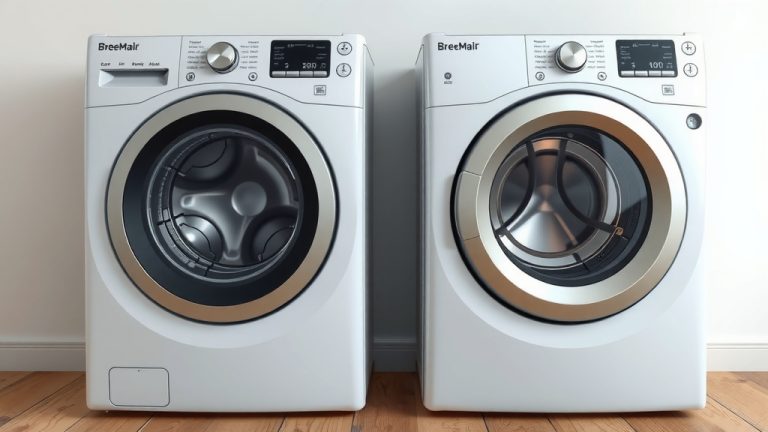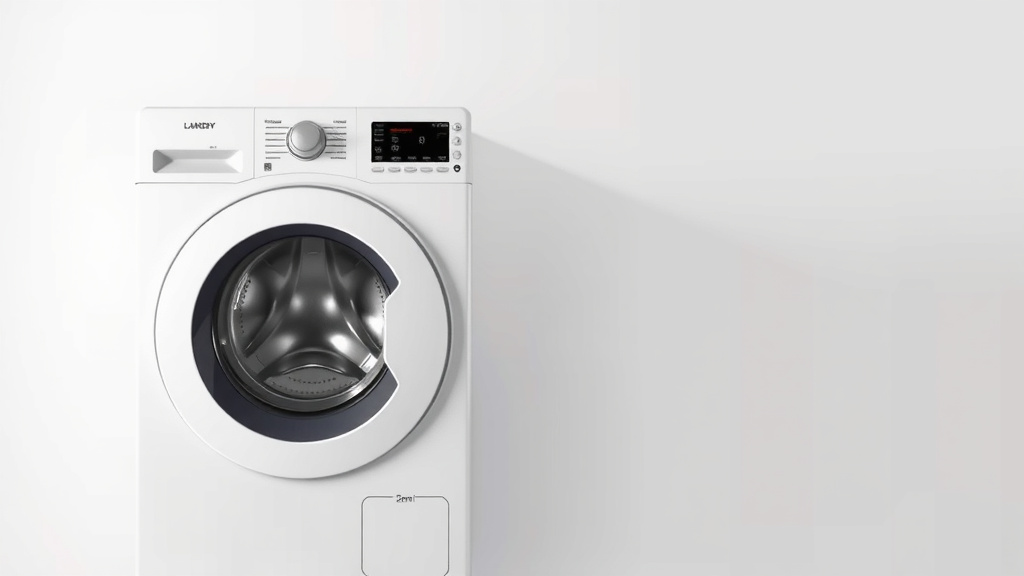
Front Load Washer Dimensions: What You Need to Know
The typical dimensions for a front load washer are 27 inches wide, 39-40 inches high, and about 33-35 inches deep. This is a standard size that fits most laundry spaces. Always measure your doorway and path to the laundry room before buying, though!
While those are common measurements, you’ll find variations. Some compact models are narrower, perfect for small apartments. Others might have a slightly larger drum for bigger loads. Understanding the standard footprint is your first step to a happy laundry day.
- Front load washers are usually 27″ wide.
- They stand about 39-40″ tall.
- Depth is typically 33-35″.
- Compact models can be smaller.
- Always measure your space first!
Let’s break down the typical front load washer dimensions so you can find the perfect fit for your home.
Understanding Your Front Load Washer’s Footprint
So, you’re curious about the size of these front load washers. It’s a smart question to ask before you bring one home! Getting the dimensions right ensures it fits your space, your doorways, and even your laundry habits. Let’s dive into what you can expect.
Standard Front Load Washer Measurements
When we talk about standard front load washer sizes, we’re looking at a pretty consistent range. Think of it like a familiar couch – most are designed to fit comfortably in typical living rooms. For front loaders, this means you’re generally looking at:
Width: The Most Consistent Dimension
The width is usually the most standardized measurement. Most front load washers come in at 27 inches wide. This is a fantastic starting point for planning your laundry room layout. It allows for a consistent flow, even if you have companion pedestals or side-by-side refrigerators nearby.
Height: Considering Your Ceiling and Overhead Cabinets
The height of a front load washer is typically around 39 to 40 inches. This is important, especially if you have overhead cabinets or shelving in your laundry area. You want to make sure the washer slides in without bumping into anything above it. It’s always wise to measure from the floor to the bottom of any cabinets or shelves.
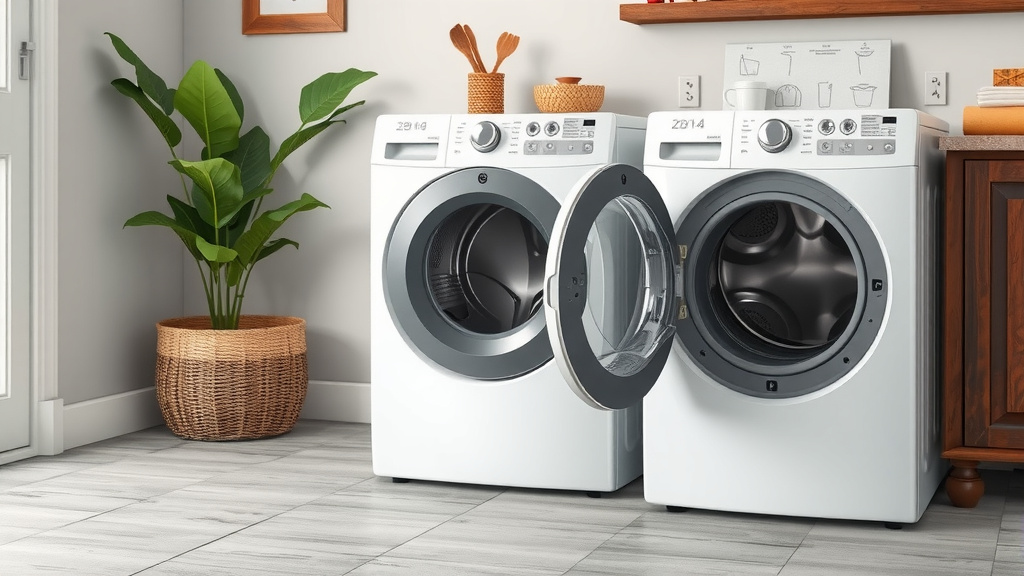
Depth: Don’t Forget the Door Swing and Hoses
Depth is where you’ll find a bit more variation, but the average is about 33 to 35 inches. This measurement usually includes the main body of the machine and any protruding elements like the control panel or the door. However, it’s critical to remember that you’ll need extra space. You need clearance for the door to swing open fully – typically another 15-20 inches. Plus, think about the water hoses and drain pipe at the back. We’ve seen many people get a surprise when the hoses kink or push the machine too far from the wall. Experts recommend adding at least 4-6 inches to the depth for these hookups (Cleveland Clinic).
Why Depth Matters So Much
Imagine trying to load or unload laundry with a door that only opens halfway. It’s a pain! The depth measurement dictates how much space the door needs. Also, the deeper machines often mean larger drum capacities, which is great for families but requires more floor space. Always check the manufacturer’s specifications for the exact door swing radius.
Exploring Variations in Washer Dimensions
While the standard sizes are a great guide, the world of washers isn’t one-size-fits-all. You’ll discover models designed for specific needs and spaces.
Compact Front Load Washers: For Tighter Spots
Living in an apartment or a smaller home? Don’t worry, you have options! Compact front load washers are designed for exactly these situations. They can be narrower than the standard 27 inches, sometimes ranging from 24 to 26 inches wide. Their height and depth might also be reduced. These are perfect for built-in cabinets or very snug alcoves.
Benefits of Compact Models
These smaller units are fantastic space-savers. They might sacrifice some capacity, but they are incredibly efficient for smaller loads. You can often find them stacked with a matching compact dryer, making them a versatile solution for tiny laundry rooms or even kitchenettes.
Large Capacity Front Load Washers: For Big Families
On the flip side, if you’re constantly battling mountains of laundry, you might look at larger capacity models. These machines often have a slightly wider drum or a deeper design to accommodate more clothes. While the width might stay around 27 inches, the overall cubic feet of the drum will be significantly larger, leading to a potential increase in the machine’s total depth. Always check the exact specifications if you’re considering a high-capacity model.
Measuring Your Space: The Golden Rule
Before you fall in love with any specific washer, you absolutely must measure your space. This is the most critical step for a smooth installation. Don’t just measure the spot where the washer will go. Think about the journey it needs to take to get there.
Measuring Your Laundry Area
Grab your tape measure. You’ll want to measure:
- The width of the opening or space.
- The height from the floor to any obstructions (like cabinets or pipes).
- The depth of the space, but also consider how far the door needs to open.
Don’t Forget the Path to the Laundry Room
Think about getting the washer into your home. Can it fit through your front door? Will it clear hallways and stairwells? Measure all doorways, tight corners, and any inclines. Many washers are delivered upright, but some might need to be tilted. Knowing your home’s path is essential to avoid delivery day drama.
What About Pedestals?
Many front load washers can be placed on pedestals. These raise the machine, making it easier to load and unload without bending so much. Pedestals add height, usually around 10-15 inches. If you plan to use a pedestal, make sure your chosen washer is compatible and that the total height (washer + pedestal) will still fit under any cabinets.
A Quick Checklist Before You Buy
To make sure you’ve got everything covered, here’s a quick checklist:
- Measure the width, height, and depth of your laundry space.
- Add extra depth for the door swing.
- Factor in space for the hoses and power cord at the back.
- Measure all doorways and hallways the washer must pass through.
- Consider if you’ll use a pedestal and add its height.
- Check the manufacturer’s specs for precise measurements and clearances.
Conclusion
You’ve learned that front load washers typically measure 27 inches wide, 39-40 inches high, and 33-35 inches deep. Remember that compact and large capacity models can vary. The most vital step is measuring your specific laundry space and the path to get the washer there. Don’t forget to account for door swing and hose hookups. By taking these measurements, you’re setting yourself up for a smooth installation and a laundry room that works for you. Your next step is to grab that tape measure and get to work!
Frequently Asked Questions
How much space do I need for the door to open on a front load washer?
You’ll need about 15-20 inches of clear space in front of the washer for the door to swing open completely. This ensures you can easily load and unload laundry without any obstruction.
Can I stack a front load washer and dryer?
Yes, you can typically stack a front load washer and a compatible dryer. Always check the manufacturer’s specifications to ensure they are designed to be stacked securely.
Do compact front load washers fit standard laundry hookups?
Most compact front load washers use standard water hookups and drain lines. The main difference is their smaller overall footprint.
What is the deepest a front load washer can be?
While the average depth is 33-35 inches, some high-capacity models can be slightly deeper, up to 37-39 inches. Always check the product details for exact measurements, especially considering hose space.
Are there front load washers that are narrower than 27 inches?
Yes, compact or apartment-sized front load washers are often narrower, typically around 24 to 26 inches wide. These are great for smaller spaces.