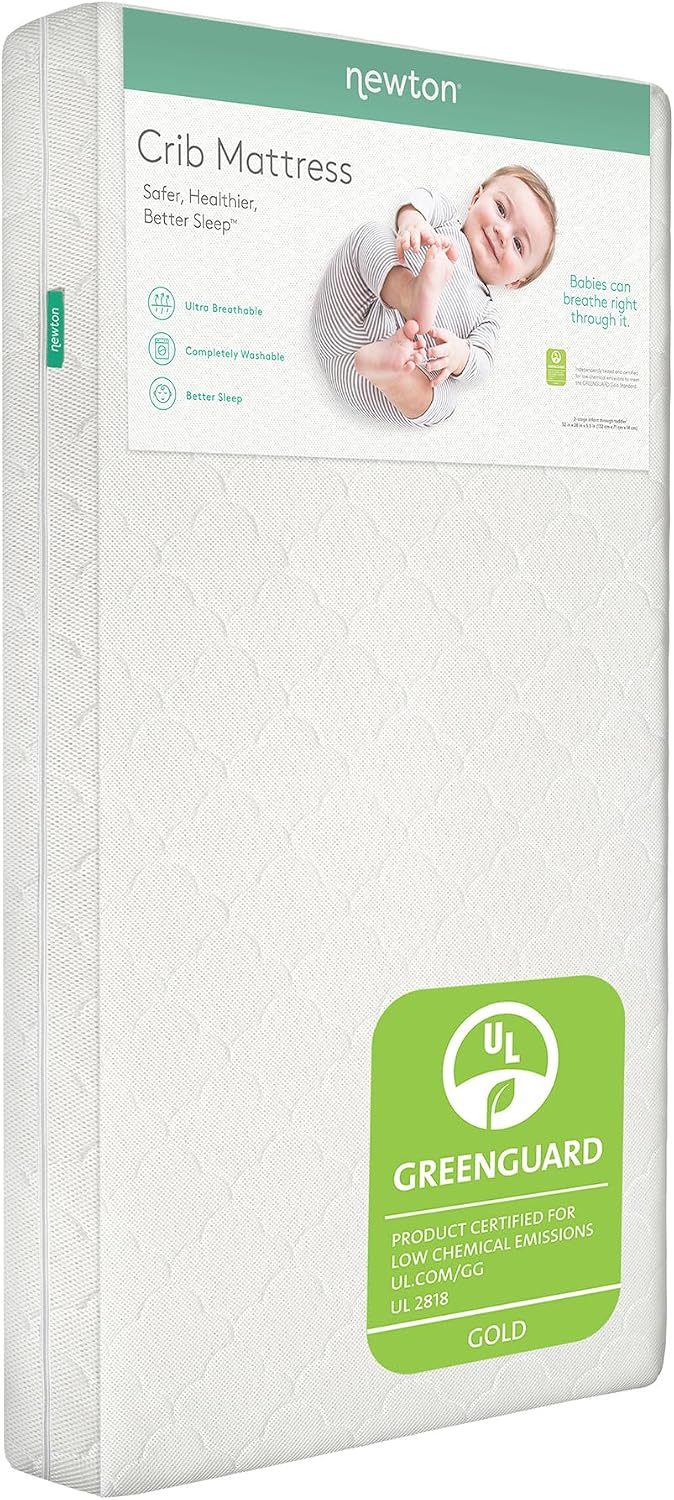
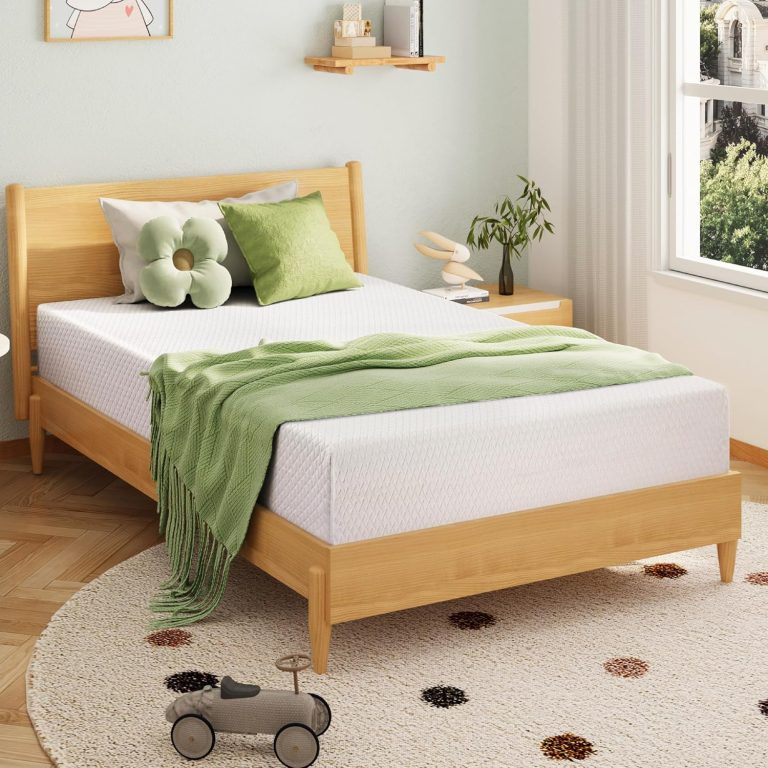
Best Cooling Mattresses of November 2026: Top Picks
The best cooling mattress is one that actively pulls heat away from your body while you sleep, using materials like gel-infused memory foam, latex, or coils with breathable covers. You need a mattress that fights night sweats and hot flashes so you can finally sleep through the night.
We found that temperature-regulating technology matters more than brand names when picking a bed. Whether you sleep hot, live in a warm climate, or just hate waking up sweaty, the right cooling mattress makes a massive difference. Breathability, heat-dissipating materials, and moisture-wicking fabric all work together to keep your body at the ideal sleep temperature.
- Cooling mattresses use airflow, heat-absorbing gels, or phase-change materials to lower your sleep surface temperature.
- Memory foam traps heat, so look for gel infusions or open-cell designs if you want foam.
- Hybrid mattresses with coils offer the best airflow for hot sleepers.
- Breathable covers made from cotton, wool, or bamboo help wick away sweat.
- Your firmness preference matters too because softer beds make you sink deeper and trap heat.
Below, we break down everything you need to know about choosing the best cooling mattress for your body, budget, and sleep style. Let’s find the one that helps you sleep cool and wake up refreshed.
Choosing the Right Cooling Mattress for Hot Sleepers
You need a mattress that keeps you cool, plain and simple. The best option for you will depend on how much heat you generate and whether you prefer foam or coils. We found that hybrids are the most reliable for people who wake up sweaty, but newer foam technologies help a lot too.
Why Regular Mattresses Make You Overheat
Most standard memory foam traps body heat like a blanket. The foam is dense and doesn’t let air move through easily. This makes the surface feel warm and sticky by morning (Sleep Foundation).
Your body temperature naturally drops a bit to fall asleep. If your bed holds heat, your body fights that drop. That\’s why you toss and turn.
How Cooling Mattress Technology Works
Not all cooling beds work the same way. We found three main methods are used to keep you comfortable.
Phase-Change Materials for Active Cooling
These materials absorb heat from your body and change state, like ice melting. They pull heat away from you on contact and release it when you aren\’t in bed. This is the most effective type of cooling today, and many experts say it works best for night sweats (Cleveland Clinic).
Gel Infusions for Heat Dispersal
Gel swirled into the foam helps pull heat away from your skin. It doesn\’t cool you actively, but it helps spread your body heat out so it doesn\’t pool in one spot. Older gel beds felt cool for five minutes. Newer ones last all night because they also have breathable bases.
Coil Systems with Airflow
Coils are the biggest difference in hybrid mattresses. The space between the steel springs lets heat escape downward instead of building up. Coils also help you sleep on the bed rather than in it, which is key for staying dry (Mayo Clinic).
Identifying the Best Cooling Mattress for You
Your weight, sleeping position, and room climate change the equation. We found that a bed that works for a side sleeper might feel like a furnace for a back sleeper.
Side Sleepers and Pressure Relief
You press more of your body into the mattress when you sleep on your side. This creates more heat. You need a plush comfort layer with active cooling on top. We found that a hybrid with a thick, breathable top layer works well for you.
Back and Stomach Sleepers
Your body has less contact with the bed in these positions. You naturally stay cooler than side sleepers. A firmer surface with open-cell foam or latex works best for you. You need less cushion and more support, which also means less heat trapping.
Heavier Body Types
You sink deeper into the mattress, which traps more heat. You need a firm, durable bed with strong coils and a thin comfort layer. We found that memory foam is often too hot for you unless it has aggressive cooling tech built in.
Cover Fabric Matters Just as Much
The outside of the mattress touches your skin all night. The best cooling mattress uses a cover that helps wick sweat away. Cotton and wool are great choices. They allow air to move freely. Bamboo and Tencel feel silky and cool to the touch.
Some covers are treated with special finishes that feel cool when you first lie down. This is nice, but it fades over time. Look for a cover that\’s naturally breathable over a gimmick that wears off.
Comparing Mattress Types for Cooling
We compared the main mattress types side by side. This table shows which ones fight heat best and what you should expect.
| Mattress Type | Cooling Level | Best For |
|---|---|---|
| Pure Memory Foam | Low to Medium (unless gel-infused) |
Budget shoppers, pressure relief |
| Latex | Medium to High | Hot sleepers who want bounce |
| Hybrid (Coils + Foam) | High | Most hot sleepers |
| Innerspring (Traditional) | High | Those who want old-school support |
We found that latex is a hidden gem for cooling. It has natural open cell structure. Air passes through it easily. It\’s also bouncier, which helps you move without sinking into heat.
Firmness and Its Impact on Temperature
Soft mattresses make you sink deeper. Deeper sinking means more body contact and less airflow. This traps heat fast. Firmer mattresses keep you on top. We found that a medium-firm to firm bed is the sweet spot for hot sleepers who want to stay cool.
Signs You Need a Cooling Mattress Right Now
Waking up with damp pajamas is a bad sign. Your sheets should not feel clammy. If you flip your pillow to the cold side every night, your bed is failing you. Many guidelines point to these signals as reasons to switch to a cooling model (NIH).
Also, check your room temperature. If you keep it below 70 degrees and still sweat, the mattress is definitely the problem.
What to Avoid When You Shop
Not every “cooling” claim is real. Some brands put a cooling gel layer on top but use heavy foam underneath that traps all the heat. Avoid any mattress with dense polyfoam base layers. They hold warmth and work against the cooling top. Also, avoid glossy, vinyl-like covers that don\’t breathe.
The Ultimate Cooling Mattress Checklist
Before you buy, run through this quick checklist. If you check off most items, you found a winner.
- Breathable cover: Cotton, wool, or bamboo, not plastic-based.
- Active cooling layer: Look for the word “phase-change” specifically.
- Coil base: Steel coils with good airflow for heat escape.
- No heavy foam: Avoid dense polyfoam in the support core.
- Good edge support: Helps you sleep closer to the edge where air is cooler.
- Moisture-wicking liner: Helps sweat evaporate instead of pooling.
Why You Should Upgrade Your Sleep Setup
Lying in a bed that traps heat is miserable. It makes you wake up groggy and irritable. The best cooling mattress helps you regulate your core temperature, which is what your brain needs for deep REM sleep. Many experts say that a cool sleep environment is one of the most effective ways to improve sleep quality without medication (Sleep Foundation).
Switching to the right bed is an investment in your mornings. You won\’t just sleep cooler, you\’ll feel more rested when the alarm goes off. Give your body the cool surface it wants.
Conclusion
You don’t have to wake up soaked in sweat every morning. The best cooling mattress for you combines breathable materials, smart construction, and a cover that actually wicks moisture away from your skin. We looked at how gel infusions, phase-change materials, and coil bases work differently, and the research is clear: coils and latex beat traditional foam for airflow.
Your weight and sleeping position matter more than you think. Side sleepers need active cooling layers, while back sleepers can get away with firmer, more breathable surfaces. Skip anything with dense polyfoam cores, even if the top feels cool to the touch.
Start your search with our checklist in mind. Focus on hybrid or latex models with breathable covers. If you check off most of those boxes, you will sleep cooler tonight and every night after.
Frequently Asked Questions
How much should I pay for a quality cooling mattress?
You can find a solid cooling hybrid mattress for under $1,000 in a queen size. Most good options fall between $800 and $1,500. You don’t need to spend $3,000 to get genuine cooling technology. Mid-range mattresses often include the best balance of coil support and phase-change cooling layers, so focus on materials rather than price tags.
Will a cooling mattress help with night sweats from menopause?
Yes, a mattress with phase-change material or active cooling technology can make a real difference. These materials pull heat away from your body the moment you lie down, which helps manage temperature spikes during the night. Pair it with breathable sheets made from cotton or bamboo for the best results, since the cover fabric does a lot of the heavy lifting for sweat management.
Do cooling mattress toppers work as well as cooling mattresses?
A cooling topper can help, but it won’t fix a mattress that traps heat underneath. Toppers add a thin layer of gel or phase-change material on top, which provides temporary relief. The problem is that heat still builds up in the foam base below. You get better, longer-lasting results from a mattress designed for airflow from the ground up.
How long does the cooling effect last on a mattress?
Quality cooling mattresses stay cool for years because the technology is built into the materials, not just sprayed on top. Phase-change materials and gel infusions don’t wear out with normal use. A cooling cover coating might fade after a few washes, so look for a mattress with naturally breathable fabric like wool or cotton instead of a treated finish that loses its kick.
Can a firm mattress help me sleep cooler, or should I choose plush?
Firmer mattresses generally keep you cooler because you rest on top of the surface instead of sinking into it. Less body contact means less heat transfer. Plush beds feel cozy but hug your body more, which traps warmth. We recommend a medium-firm feel for most hot sleepers so you get a good balance of support, pressure relief, and airflow.