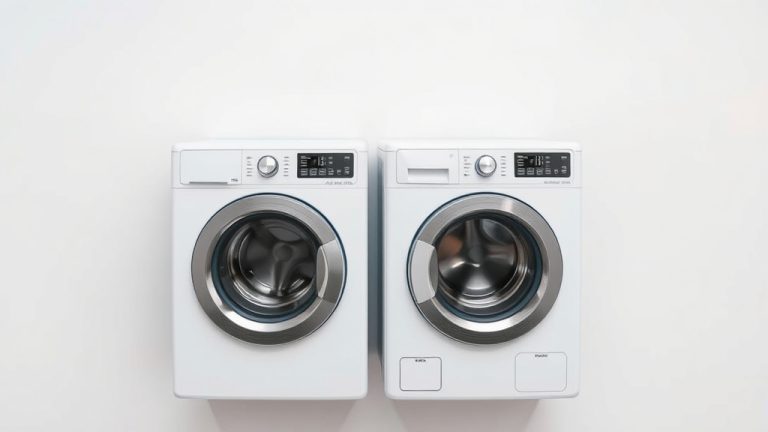
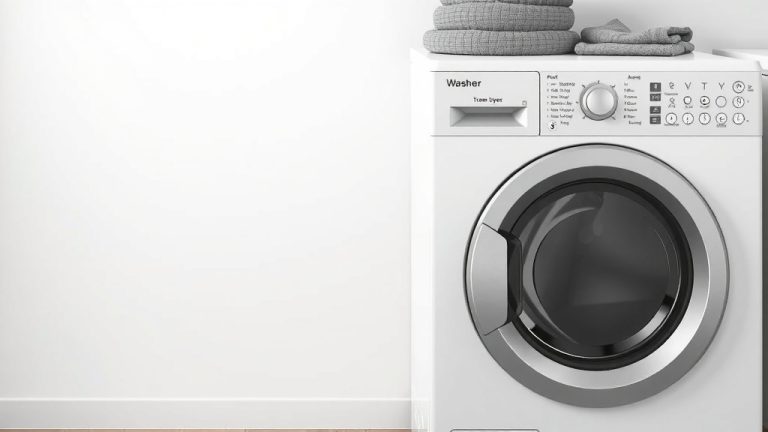
Front Load vs Top Load Washers: Which Is More Efficient
When it comes to efficiency, front load washers win over top load washers. They use less water and less energy per load. That means a front load washer is more efficient for your utility bills and the environment.
We found that front loaders use about 40% less water than traditional top loaders. They also spin clothes faster, which removes more moisture and cuts dryer time. This makes a big difference in your monthly costs, even if the upfront price is higher.
- Water savings: Front loaders use far less water per cycle.
- Energy savings: Less water means less energy to heat it.
- Dryer time: High spin speeds pull out more water, so drying is quicker.
- Cleaning power: Front loaders are gentler on clothes but still get them very clean.
- Maintenance: Front loaders need door seals wiped down to prevent mold.
Let’s walk through the real differences between these two washer types so you can pick the right one for your home. We will break down costs, cleaning performance, and what it is like to live with each machine day to day.
Efficiency Showdown: Front Load vs. Top Load Washers
We found that front load washers are the clear winners for efficiency. They slash water usage and cut energy bills. Top loaders still have their place, but they simply can’t match the resource savings.
Water Usage: The Biggest Difference
Water is the heart of the efficiency debate. Traditional top loaders need a full tub of water to submerge your clothes. That can be 30 to 40 gallons per load. Front loaders only need about 15 to 20 gallons. The tumbling action does the cleaning work, not the water volume.
We found that this difference alone saves thousands of gallons a year for a typical family. If you have a septic system or pay for water, this matters even more. The Environmental Protection Agency highlights that washing machines are one of the biggest water users in the home.
Energy Consumption: What It Costs You
Less water means less energy. Why? Because your water heater doesn’t have to work as hard. Heating water accounts for a huge chunk of a washer’s energy use. Front loaders use cold water more effectively, too. Their spray rinse systems get soap out without a full tub.
Many experts say front loaders can cut energy use by up to 50% compared to older top loaders. That translates to real money on your monthly bill. You will see the biggest savings if you currently own an older machine with a center agitator.
Spin Speed and Drying Time
Front loaders spin much faster than top loaders. We found that they can reach 1,200 to 1,400 RPM (revolutions per minute). Top loaders usually max out around 600 to 800 RPM. Faster spinning extracts more water from your clothes.
Think of it like wringing out a sponge. The harder you squeeze, the less water remains. Clothes that come out drier spend less time in the dryer. That saves energy on every single load. It also saves wear and tear on your dryer.
Cleaning Performance and Fabric Care
Efficiency is great, but you still need clean clothes. The good news? Front loaders clean just as well as top loaders, often better. They are also gentler on your fabrics. That means your favorite shirts last longer.
How Each Machine Gets Clothes Clean
Top loaders use an agitator or impeller to scrub clothes against each other. This is rough on fabric. It can cause pilling, snags, and stretching over time. Front loaders use gravity. The drum rotates and drops clothes through the water repeatedly.
This tumbling action is thorough but gentle. We found that front loaders handle bulky items like comforters much better. The clothes don’t get tangled around a central post. Your delicates come out looking newer for longer.
Dealing With Smelly Washer Syndrome
Here is the trade-off. Front loaders have a rubber door gasket that can trap water. If you leave the door shut, mold and mildew can grow. This creates a musty smell that transfers to your clothes. It is a common complaint we hear from owners.
Top loaders don’t have this issue because the door is on top and air circulates. However, many newer front loaders have self-cleaning cycles. You can also just leave the door ajar between loads. A quick wipe of the gasket once a week prevents the problem entirely.
Cost Comparison: Upfront vs. Long-Term
Let’s talk dollars and cents. Front loaders cost more at the store. You might pay $200 to $500 more upfront. But the savings add up over the machine’s lifetime. The efficiency difference pays you back over time.
| Factor | Front Load Washer | Top Load Washer |
|---|---|---|
| Upfront Price | Higher (usually $800-$1,500) | Lower (usually $400-$900) |
| Water Per Load | 15-20 gallons | 30-40 gallons |
| Energy Use | Up to 50% less | Standard usage |
| Spin Speed | 1,200-1,400 RPM | 600-800 RPM |
| Fabric Wear | Gentler on clothes | Rougher on clothes |
We found that the payback period is usually three to five years. After that, you are saving money every single month. Plus, your clothes last longer, which saves money on replacements. It is a classic “spend more now to save more later” situation.
Practical Living: Daily Use and Ergonomics
Efficiency is not just about water and power. It is also about your daily comfort. How does each machine feel to use? This is where personal preference really comes into play.
Loading and Unloading: Bending vs. Reaching
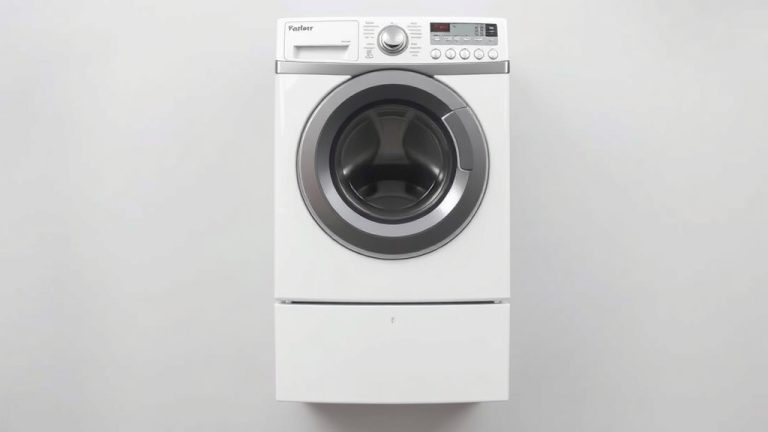
Front loaders require you to bend down. That can be tough on your back. Some people solve this by putting the washer on a pedestal drawer. This raises it up and gives you storage underneath. It adds to the cost, though.
Top loaders are easier to access. You just open the lid and drop clothes in. No bending required. This is a big deal for older adults or anyone with back problems. We found that many buyers choose top loaders for this reason alone.
Installation and Space Requirements
Front loaders can be stacked with a dryer. This is perfect for small apartments or laundry closets. They also fit under counters, giving you a built-in look. Top loaders need space above them for the lid to open.
Top loaders are usually simpler to install. They are plug-and-play. Front loaders are heavier and can vibrate more during the spin cycle. You might need a sturdy floor or a vibration pad. Many experts say the installation is not hard, just a bit more involved.
Maintenance and Lifespan of Each Type
Nobody wants to think about repairs. But it is smart to know what you are getting into. Front loaders have more complex parts. Top loaders are simpler machines. This affects how long they last and how often they break.
Repair Rates and Common Issues
We found that top loaders with agitators are the most reliable. They have fewer electronics and less to go wrong. They can easily last 10 to 14 years with basic care. Front loaders have more sensors, pumps, and control boards. These parts can fail over time.
However, modern front loaders have improved a lot. Many brands now offer 10-year warranties on the motor. The door seal is the main thing to watch. If you keep it clean and dry, your machine will run well for years.
Environmental Impact Beyond Your Home
Efficiency is about more than your wallet. It is about the planet. Water is a precious resource. Energy production creates emissions. Choosing a front loader reduces both. That is a win for everyone.
Research and found data shows that washing machines account for about 15% of a household’s indoor water use. Switching to a front loader cuts that number dramatically. Less water used means less water treated at the plant. Less energy used means fewer greenhouse gas emissions. It is a simple way to shrink your footprint.
Making Your Final Choice
So, which one is for you? We found that the answer depends on your priorities. If you care most about saving money and resources, get a front loader. If you have back problems or a tight budget, a top loader might be better. Let’s break it down simply.
- Pick a front loader if you want lower water and energy bills.
- Pick a front loader if you want gentler care for expensive fabrics.
- Pick a front loader if you need to stack your machines to save space.
- Pick a top loader if you cannot bend down easily.
- Pick a top loader if you want a lower upfront purchase price. For a detailed breakdown of what you’ll pay, check out our washing machine cost guide.
- Pick a top loader if you want the simplest, most reliable machine.
Either way, you are upgrading from an old machine. That is a great step. New washers of both types are far more efficient than models from a decade ago. You will see savings no matter which direction you go.
Conclusion
When you stack them up, front load washers are the efficiency champions. You will save water, energy, and money on every single load. The faster spin speed even cuts your dryer time, which adds up to serious savings over a year.
Yes, you will pay more upfront. And yes, you need to wipe down the door gasket now and then. But for most households, the long-term payoff is worth it. Your clothes last longer, too.
If you can handle the bending and the higher price tag, go with a front loader. If not, a top loader still beats your old machine. Check your budget, measure your space, and pick the one that fits your daily life.
Frequently Asked Questions
How much money will I save per year with a front load washer?
Most families save between $100 and $200 per year on water and energy bills. You will also save on dryer costs because clothes spin out drier. The exact amount depends on how many loads you run each week and your local utility rates.
Do front load washers clean better than top load washers?
Front loaders clean just as well, and often better, than top loaders. The tumbling action lifts dirt out of fabrics without the rough scrubbing of an agitator. You will also notice that bulky items like comforters come out cleaner and less tangled.
Can a front load washer be placed on the second floor of a house?
Yes, you can put a front loader on a second floor. The key is making sure the floor is sturdy and level. Use a vibration pad or anti-vibration mat to reduce noise and movement during the spin cycle. This is a common setup in many homes.
Are high-efficiency top load washers worth buying?
High-efficiency top loaders are a solid middle ground. They use less water than older agitator models, but still more than front loaders. They are a good pick if you want better efficiency without giving up the convenience of loading from the top.
How long do front load washers last compared to top loaders?
Top loaders with agitators often last 10 to 14 years because they are simpler machines. Front loaders typically last 8 to 12 years with proper care. Keep the door seal clean and dry, and your front loader will serve you well for a long time.