Best Mattress Guide for 2026: How to Choose
The best bed mattress for you is the one that keeps your spine aligned while you sleep and relieves pressure on your hips and shoulders. We found that medium-firm mattresses are the most popular choice for most sleepers, as they offer the best balance of support and comfort. Your ideal pick ultimately depends on your sleeping position, body weight, and whether you sleep hot or cold.
Since everyone’s body is different, there is no single “best” mattress that works for all 300 million people in the US. Many experts say that a memory foam mattress is great for pressure relief, while a hybrid mattress offers more bounce and airflow. You should also consider your budget, as a good quality mattress can range from a few hundred dollars to over three thousand.
- Side sleepers usually need a softer mattress to cushion the shoulders and hips.
- Back sleepers typically do best with a medium-firm feel for spinal support.
- Stomach sleepers need a firmer surface to keep the hips from sinking too deep.
- Hot sleepers should look for cooling gel, breathable foams, or innerspring coils.
- Heavier individuals often need a firmer, more durable mattress to prevent sagging.
Below, we walk you through the best mattress types, how to match one to your sleep style, and what to look for before you buy.
Finding the Right Mattress for Your Sleep Style
Your sleep position is the biggest clue. It tells you exactly where your body needs extra support and pressure relief. We found that most people naturally settle into one of three main positions: side, back, or stomach.
Each position puts a different load on your spine. A mattress that works for a side sleeper will often feel too soft for a stomach sleeper. The trick is matching the surface to your body’s needs.
Side Sleepers: The Pressure Relief Seekers
You probably sleep on your side if you curve your legs and tuck your arm under the pillow. This position leaves your hips and shoulders bearing most of your body weight. Those areas press hard into the bed.
A medium-soft to medium mattress works best here. It lets your hips and shoulders sink in just enough to keep your spine straight. Many guidelines point to this as a smart choice for side sleepers (Mayo Clinic).
If the bed is too firm, you’ll wake up with numbness or tingling in your arm. If it’s too soft, your lower back will ache from poor alignment. Our guide to firmness for side sleepers explains how to test for the right feel.
Back Sleepers: The Neutral Alignment Lovers
Back sleeping spreads your weight evenly across the mattress. That makes it easier to find a comfortable bed. You need enough support to keep your lower back from sinking too deep.
A medium-firm mattress is the sweet spot for most back sleepers. It offers a balanced mix of cushioning for your heels and support for your lumbar curve. You get a gentle hug without feeling swallowed up.
Many experts say that back sleepers are the lucky ones. They have the most options on the market and rarely struggle to find a good fit.
Stomach Sleepers: The Firm Support Fanatics
Stomach sleeping is tough on your spine. Your midsection is the heaviest part of your body, so it naturally sinks into a soft bed. That creates a sharp angle in your lower back that leads to pain.
You need a firm or extra-firm surface to keep your hips level with your shoulders. This prevents your belly from dipping below the rest of your body. We found that stomach sleepers often do best on firm innerspring or latex mattresses.
If you love stomach sleeping, try a firm bed. Your back will thank you in the morning.
The Best Mattress Types for Different Needs
Once you know your sleep position, the next step is choosing a material. Each mattress type brings its own feel, lifespan, and price point. Here’s the quick rundown on what we found.
Memory Foam: The Contour King
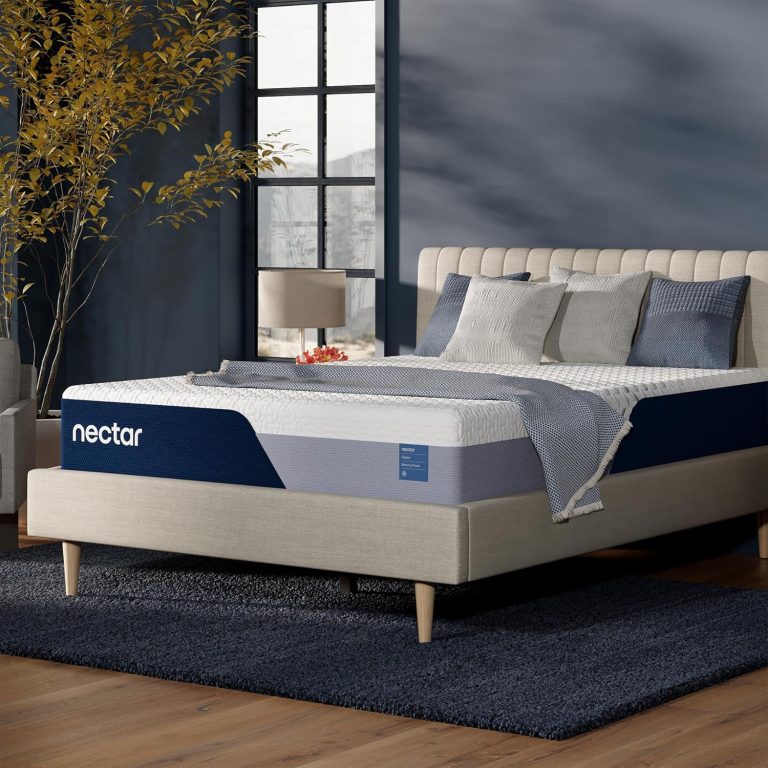
Memory foam hugs your body like a warm blanket. It softens with your body heat and molds to your shape. That makes it one of the best options for side sleepers who need deep pressure relief.
The downside? Traditional memory foam traps heat. Many brands now add cooling gel or copper infusions to fix that problem. Our review of a cooling gel memory foam mattress explains how gel layers help regulate heat.
If you like the feeling of being “held” by your bed, memory foam is your friend. It also isolates motion well, which matters if your partner tosses and turns.
Hybrid Mattresses: The Best of Both Worlds
Hybrids combine foam layers on top of a coil support system. You get the pressure relief of foam with the bounce and airflow of springs. This makes them a strong contender for hot sleepers and couples.
We found that hybrid mattresses are the most popular choice in the US right now. They offer a balanced feel that works for most body types. The pocketed coils also provide excellent edge support, so you can sit on the side of the bed without rolling off.
Innerspring: The Classic Bouncy Bed
Innerspring mattresses have been around for decades. They rely on steel coils for support and a thin foam pad on top for comfort. You get a bouncy, responsive feel that makes moving around in bed easy.
These beds sleep cooler because air flows freely between the coils. They also tend to be more affordable than foam or hybrid options. The trade-off is less pressure relief and more motion transfer.
Latex: The Natural and Durable Pick
Latex offers a similar feel to memory foam but with more bounce. It responds to pressure without sinking too deep. You also get natural cooling properties and better airflow.
High-quality latex beds can last up to 15 years with proper care. That’s longer than most foam options. They’re also naturally resistant to dust mites and mold, which is great for allergy sufferers.
The main downside is cost. Latex mattresses are often the priciest option on the market.
How Your Body Weight Changes the Equation
Your weight plays a major role in how a mattress feels. A bed that’s perfect for a 150-pound person may feel like a brick to someone who weighs 250 pounds. Here’s what research and found to be true.
For lighter individuals under 150 pounds, a soft to medium mattress provides enough cushioning. Their bodies don’t press deep enough to get pressure relief from a firm surface.
For average-weight people between 150 and 230 pounds, a medium to medium-firm feel usually works best. They get support without excessive sinking.
For heavier individuals over 230 pounds, a firm mattress with robust coils is the safest bet. It prevents premature sagging and offers the deep support needed for proper alignment. Many experts say that heavier sleepers should avoid thin foam beds, as they wear out quickly.
Temperature Regulation: Do You Sleep Hot or Cold?
Nobody wants to wake up drenched in sweat. Your body temperature drops slightly during sleep, and your bed can help or hurt that process. We found that hot sleepers need to be picky about their mattress materials.
Memory foam is the worst offender for heat retention. Its dense structure traps body heat. If you’re a hot sleeper who loves foam, look for gel-infused or open-cell foam options.
Innerspring and hybrid beds sleep the coolest because coils allow airflow. Latex is also naturally breathable and stays cool throughout the night. Consider a breathable cotton or wool cover too, as it helps wick away moisture.
Compare Mattress Types at a Glance
Still weighing your options? This quick comparison can help you narrow it down based on what matters most to you.
| Mattress Type | Best For | Sleeps Cool? | Price Range |
|---|---|---|---|
| Memory Foam | Side sleepers, pressure relief | No (unless gel-infused) | $300 – $1,500 |
| Hybrid | Couples, all positions | Yes | $800 – $2,500 |
| Innerspring | Stomach sleepers, hot sleepers | Yes | $200 – $1,200 |
| Latex | Allergy sufferers, durability | Yes | $1,000 – $3,000+ |
Partner Considerations: Motion Isolation and Edge Support
Sleeping with a partner adds another layer of complexity. You both need to feel comfortable, and your bed needs to handle two different bodies moving through the night. Two features matter most here.
Motion Isolation for Light Sleepers
If your partner gets up at 5 AM for a workout, you’ll feel it. Memory foam and latex absorb movement better than innerspring coils. We found that all-foam beds are the gold standard for motion isolation.
Hybrids with pocketed coils perform reasonably well too. The coils move independently, so the motion doesn’t travel across the bed as much as traditional innerspring.
Edge Support for Sitting and Sleeping
Do you sit on the edge of your bed to put on socks? Then edge support matters. Hybrids and innerspring mattresses offer reinforced edges that hold firm. All-foam beds tend to compress more at the edges, making them feel less stable.
Your Pre-Purchase Checklist
Before you hit “add to cart,” run through this quick checklist. We found that buyers who follow these steps end up happier with their purchase.
- Check the return policy — make sure you get at least a 100-night trial.
- Look at the warranty — a 10-year warranty is the industry standard.
- Measure your bed frame — order the right size for your room and foundation.
- Read the firmness scale — know whether a “medium” runs soft or firm for that brand.
- Consider your sleeping position — match the bed to how you actually sleep, not how you’d like to.
- Account for weight distribution — heavier sleepers need firmer, denser materials.
Budget and Long-Term Value
You don’t need to spend three grand to get a great mattress. We found several quality options under $800 that hold up well for years. The trick is balancing upfront cost with expected lifespan.
A $400 innerspring mattress might only last 5 years. A $1,000 hybrid could easily last 10. When you break down the cost per night, the pricier option often comes out cheaper in the long run.
Look for beds with high-density foam and reinforced coils if you want durability. These materials resist sagging and body impressions better than low-density alternatives.
Testing a Mattress Before You Commit
Online mattress shopping is convenient, but you can’t lie on a bed through a screen. If you buy online, use the trial period wisely. Sleep on the mattress for at least 30 nights before making your final decision. Many experts say that it takes a few weeks to adjust to a new surface.
If you shop in stores, wear comfortable clothes and spend at least 10 minutes lying on each bed. Change positions and see how your hips, shoulders, and back feel. Don’t let a salesperson rush you.
Above all, listen to your body. The best mattress is the one that makes you forget it’s there. When you wake up without stiffness or soreness, you’ve found your match.
Conclusion
Finding the best bed mattress comes down to your sleep position, body weight, and temperature needs. You now know that side sleepers need pressure relief, back sleepers thrive on medium-firm support, and stomach sleepers require a firmer surface.
Your next step is simple. Use the pre-purchase checklist we covered, and focus on brands that offer a 100-night trial. That way, you can test your top pick in your own home. You deserve a mattress that helps you wake up refreshed and pain-free. Take your time, read the fine print, and trust how your body feels during the trial.
Frequently Asked Questions
How often should I replace my mattress?
Most experts recommend replacing your mattress every 7 to 10 years. If you wake up with new aches or notice visible sagging, it’s time to shop.
Keep an eye on the warranty, too. A bed that’s still under warranty usually has enough life left in it.
Can a mattress topper make a bad bed more comfortable?
Yes, a mattress topper can help, but it is not a long-term fix. A high-quality topper can add softness or firmness to your current bed.
If your mattress is sagging or over 8 years old, a topper won’t solve the real problem. You will likely need a new mattress.
Is a firmer mattress always better for back pain?
Not always. Research and found that medium-firm beds often work best for lower back pain.
Too much firmness can put extra pressure on your hips and shoulders. The goal is spinal alignment, not just hardness.
Are expensive mattresses worth the money?
Not necessarily. You can find great quality beds under $1,000 that last for years.
High prices often cover brand names, extra features, or premium materials. Focus on the build quality and warranty rather than the price tag.
What is the best mattress for couples with different preferences?
A hybrid mattress is usually your safest bet. It balances foam comfort with coil support, which appeals to most people.
Look for a model with strong motion isolation and good edge support. That way, both of you get a good night’s sleep, even if you move around.