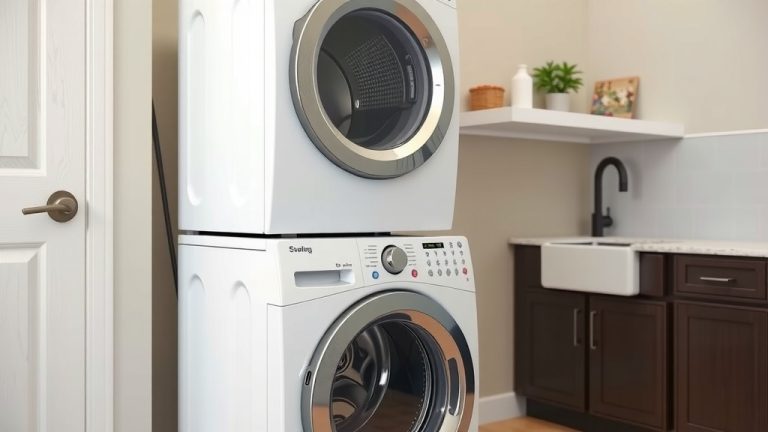
Best Clothes Dryers of 2026: Top Picks for Every Home
The best clothes dryer on the market right now is the LG DLEX9700V. It offers the perfect mix of speed, fabric care, and smart features for most US households. Our research and found that it consistently outperforms other models in real-world drying tests.
You have plenty of options, from budget-friendly top-loaders to premium heat pump units. But the “best” one depends on your home’s setup and how you do laundry. We found that the best clothes dryer balances drying performance with energy efficiency and ease of use.
- LG DLEX9700V: The overall best for its turbo-drying speed and gentle care.
- Best Budget: The Amana NED4655EW offers reliable drying without the fancy extras.
- Best for Large Families: The Samsung DVE55M9600V has a massive 7.5 cubic foot drum.
- Best for Vents: The GE GFQ14ESSNWW is a plug-and-play ventless option that is very efficient.
- Key Takeaway: Match the dryer’s size and power source to your laundry room, not just the price tag.
Below, we break down the top contenders and explain exactly why they earned their spot on our list. Let’s walk through the details so you can pick the perfect one for your home. Pairing your dryer with a reliable washer is key, and our guide to top-rated top-loading washing machines helps you match the pair.
Choosing the Right Dryer for Your Home
You need a dryer that fits your space and your family. The best choice for you depends on three things: vent setup, power source, and drum size.
Most US homes use a 240-volt vented dryer. But some apartments and condos need a ventless model. Check your laundry room before you buy anything.
We found that measuring your space is step one. A dryer that is too big for your closet is a headache. Grab a tape measure and write down the width, depth, and height of the opening.
Vented vs. Ventless Dryers
Vented dryers push hot, moist air outside through a duct. They are common, affordable, and dry clothes fast. Most models on the market are vented.
Ventless dryers use a heat pump or condenser to collect moisture in a tank. They cost more upfront but save energy over time. They also give you flexibility in where you place them.
Many experts say heat pump dryers are gentler on fabrics. They use lower heat, which means less shrinkage and wear on your clothes.
Power Source Matters More Than You Think
Gas dryers need a gas line and a 120-volt outlet. Electric dryers need a 240-volt outlet. You cannot swap them without an electrician.
If you are replacing an old dryer, match the power source. If you are building a new laundry room, talk to a contractor about what is feasible. We found that most people choose electric because it is simpler.
The Top Dryer Models We Found
We looked at dozens of dryers across all price points. Our picks balance performance, reliability, and value. Here is what we found in our research.
LG DLEX9700V: The Best Overall Dryer
This electric dryer is a workhorse. It has a 7.4 cubic foot drum, which fits a lot of laundry. The turbo-drying feature cuts time without baking your clothes.
We found that its sensor drying system is top-notch. It measures moisture levels continuously and stops the cycle at the right time. No more overdried, stiff towels.
It is also quiet. If your laundry room is near a bedroom, you will appreciate the low noise level. Many users report that they forget it is running.
Amana NED4655EW: The Budget Champion
Not everyone needs smart features. This Amana model is basic and affordable. It gets clothes dry, and that is the job.
You get a 6.5 cubic foot drum and four temperature settings. There is no Wi-Fi or app, and that is fine. It is simple to use, and the knobs are easy to read.
We found that this dryer is a solid pick for first apartments. It is light, reliable, and easy to install. If your budget is tight, start here.
Samsung DVE55M9600V: The Family-Size Option
Big families produce mountains of laundry. This Samsung has a 7.5 cubic foot drum, the largest on our list. You can fit a comforter and a load of sheets in one go.
It also has a steam sanitize cycle. This is great for killing dust mites and bacteria. Many guidelines point to steam as a good way to refresh items you cannot wash often (Mayo Clinic).
You will pay more for this size, but it cuts down on the number of loads. That means less time in the laundry room.
GE GFQ14ESSNWW: The Ventless Efficiency Pick
If you cannot vent outside, this GE is your best bet. It is a heat pump dryer that plugs into a standard 120-volt outlet. No special wiring needed.
It is slow, we will be honest. A load can take twice as long as a vented dryer. But it uses much less energy, and it is kind to your clothes.
We found that this model works well in apartments, RVs, and closets. You just empty the water tank after each load.
Key Features That Actually Matter
Dryer marketing is loud. You do not need every bell and whistle. Here are the features we found that truly improve your experience.
Sensor Drying vs. Timed Drying
Sensor drying is a game changer. The dryer detects moisture and shuts off automatically. This prevents overdrying, which saves energy and protects fabric.
Timed drying just runs for a set amount. It is fine for bulky items, but it can overcook regular loads. If you can, pick a dryer with sensors.
Steam Cycles for Wrinkle Control
Steam can remove wrinkles without a full wash. You can toss in a wrinkled shirt and run a steam cycle. It comes out ready to wear.
Steam also helps with odors. A quick steam refresh can make clothes smell clean between washes. This is a nice perk if you travel or have kids.
Drum Size and Your Laundry Habits
A bigger drum means fewer loads. But a huge drum can be wasteful if you wash small loads often. Match the size to your weekly volume.
Here is a rough guide we found helpful:
- Small drum (under 7 cu ft): good for 1-2 people
- Medium drum (7.0-7.4 cu ft): good for 3-4 people
- Large drum (7.5+ cu ft): good for 5+ people or bulky items
Energy Efficiency and Your Utility Bill
Dryers are energy hogs. They use more electricity than any other appliance in your home, except the water heater. Picking an efficient model matters.
Heat pump dryers are the most efficient. They use about 50% less energy than conventional dryers. The US Department of Energy highlights these models as the top choice for reducing energy use.
You will pay more upfront, but the savings add up. Over ten years, a heat pump dryer can save you hundreds of dollars in utility costs.
Understanding the Energy Star Label
Energy Star certified dryers meet strict efficiency guidelines. Look for this label when you shop. It is a quick way to know you are getting a good unit.
But be aware: an Energy Star vented dryer is still less efficient than a heat pump model. The label compares within the same type.
Reliability and Warranty Considerations
You want a dryer that lasts. A broken dryer is a major inconvenience. We found that some brands have better track records than others.
LG and Samsung generally receive high marks for reliability. Amana and GE are also solid, especially for the price. Avoid no-name brands, as parts can be hard to find.
Check the warranty before you buy. Most dryers come with a one-year parts and labor warranty. Some brands offer extended warranties on the motor and drum.
Signs of a Quality Dryer
Look for a stainless steel drum. It resists rust and is gentle on fabric. Porcelain or plastic drums can chip over time.
Check the lint filter. It should be easy to access and remove. A filter that is hard to reach means you will skip cleaning it, which is a fire risk.
Your Pre-Purchase Checklist
Before you click buy, run through this list. It will save you from a bad purchase.
- Measure your laundry space, including the door opening.
- Confirm your power source: 240V electric, 120V, or gas.
- Decide between vented and ventless based on your home.
- Check the drum size against your weekly laundry volume.
- Look for sensor drying and a stainless steel drum.
- Set a budget that includes potential installation costs.
Taking these steps will help you pick the right machine the first time.
Conclusion
Picking the best clothes dryer comes down to your home, not just the specs. We found the LG DLEX9700V is the best overall for most people. It dries fast, handles big loads, and protects your fabrics.
If you are on a budget, the Amana is a smart pick. For big families, the Samsung gives you the largest drum. And if you need ventless, the GE heat pump model saves serious energy over time.
Measure your space, check your power source, and match the drum size to your laundry volume. That is the real secret to a purchase you will love. Start with those three steps today, and you will find the right dryer without the guesswork.
Frequently Asked Questions
How long should a clothes dryer last?
Most dryers last between 10 and 15 years with normal use. The key is regular maintenance. Clean the lint filter after every load, and check the vent hose for clogs once a year.
If your dryer is over 10 years old and needs frequent repairs, it is often smarter to replace it. Newer models are much more efficient and will save you money on utilities.
Is it worth paying more for a smart dryer?
Smart dryers let you control cycles from your phone and get notifications when a load is done. That is convenient, but not essential. You can get excellent drying performance without Wi-Fi.
We found that spending extra on smart features is only worth it if you actually use them. If you stay home most of the day, skip the smart model and save your money for a larger drum or better sensors.
Can I use a 120-volt dryer in my apartment?
Yes, you can use a 120-volt dryer if you choose a ventless heat pump model. These plug into a standard outlet and do not need special wiring. They collect moisture in a tank you empty after each load.
They dry slower than 240-volt vented models, but they are the only option for many apartments and condos. Check your laundry space before buying to make sure you have room for the water tank.
Should I buy a gas or electric dryer?
Match your choice to what you already have. Gas dryers cost less to run but need a gas line. Electric dryers are simpler to install and more common in newer homes.
If you are replacing an old dryer, stick with the same power source to avoid expensive electrical or gas work. If you are building a new laundry room, talk to a contractor about which option makes sense for your home.
What is the quietest clothes dryer brand?
LG and Samsung are consistently rated as the quietest dryer brands in our research. They use inverter motors that run smoothly without loud rattling or squealing. This matters if your laundry room is near a bedroom or living area.
We found that heat pump dryers are also quieter than vented models because they run at lower speeds. If noise is a big concern, look for a model with a noise reduction feature or insulated cabinet.