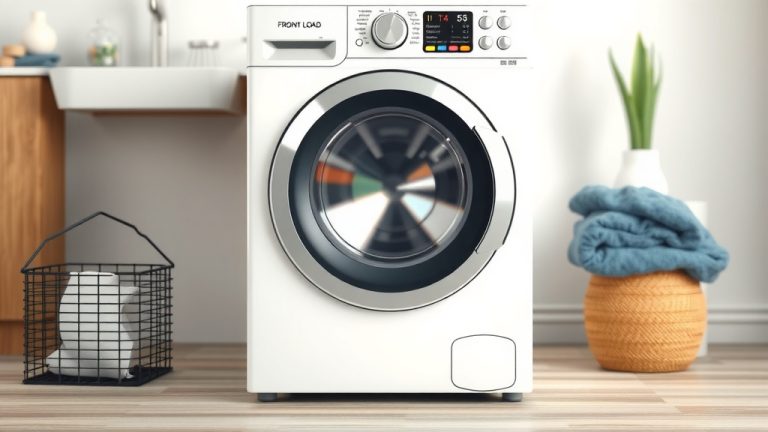
Choosing the Best Washing Machine: A 2026 Guide
The best type of washing machine for you really depends on your needs, but generally, a high-efficiency (HE) front-load washer is considered the top performer for most households. These machines use less water and energy, resulting in lower utility bills, and they are incredibly gentle on your clothes while still providing a powerful clean. You’ll find they also extract more water, meaning shorter drying times.
When choosing a washing machine, you’re looking at two main types: top-load and front-load. Within top-loaders, you have traditional agitator models and newer, HE impeller models. We found that while agitator models are often cheaper upfront, HE models, especially front-loaders, offer better cleaning performance and long-term savings. It’s about finding the right balance of cost, efficiency, and cleaning power for your laundry routine.
- Front-load HE washers are often the best overall choice.
- They use less water and energy, saving you money.
- They’re also gentler on your clothes.
- Top-load HE models are a good alternative if you prefer them.
- Consider your budget and laundry habits carefully.
Let’s break down the different types and help you figure out which washing machine will make your laundry days a little brighter.
Choosing Your Ideal Washing Machine Type
So, you’re on the hunt for a new washing machine. It feels like a big decision, right? Don’t worry, we’re here to help you navigate the options. The “best” machine isn’t a one-size-fits-all answer. It truly depends on your household, your budget, and your laundry habits. But, research consistently points to one type as the top performer for most people.
We’ve looked at what makes a washing machine tick, and the verdict is clear: high-efficiency (HE) front-load washers often come out on top. They offer a winning combination of cleaning power, efficiency, and gentleness on clothes. Let’s dive deeper into the two main categories you’ll find: top-load and front-load washers.
Understanding Top-Load Washing Machines
Top-load washers have been a staple in homes for decades. They’re familiar, and many people have a strong preference for them. You load your laundry from the top, which is convenient for some, especially if you have back issues.
The Traditional Agitator Model
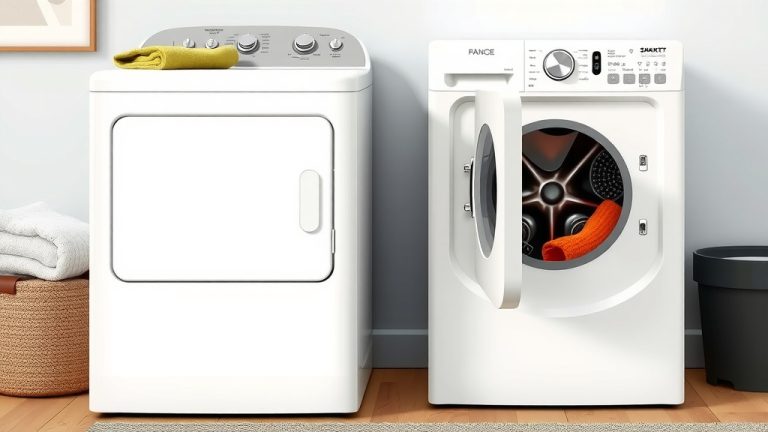
These are the classic machines you might remember from your childhood. They have a central post, called an agitator, that twists and turns to move clothes through the water. This design is effective at cleaning tough stains but can be a bit hard on fabrics.
- Pros: Generally cheaper upfront cost. Simple to use and repair.
- Cons: Uses more water and energy. Can be rough on clothes, leading to faster wear and tear. Smaller load capacity compared to some other types.
The High-Efficiency (HE) Impeller Model
These are the modern top-loaders. Instead of a central agitator, they use a low-profile cone or disc at the bottom of the drum, called an impeller. This piece spins and rubs against clothes to clean them. They use less water than agitator models and are gentler on your laundry.
- Pros: Uses less water and energy than agitator models. More gentle on clothes. Larger drum capacity often means you can wash more at once.
- Cons: Can sometimes struggle with very large or heavy loads. Cleaning performance can be slightly less vigorous than front-loaders for extremely soiled items.
Exploring Front-Load Washing Machines
Front-load washers are the new kids on the block, relatively speaking, and they’ve gained immense popularity for good reason. You load them from the front, which requires bending over, but the benefits often outweigh this minor inconvenience for many.
How They Work and Why They Shine
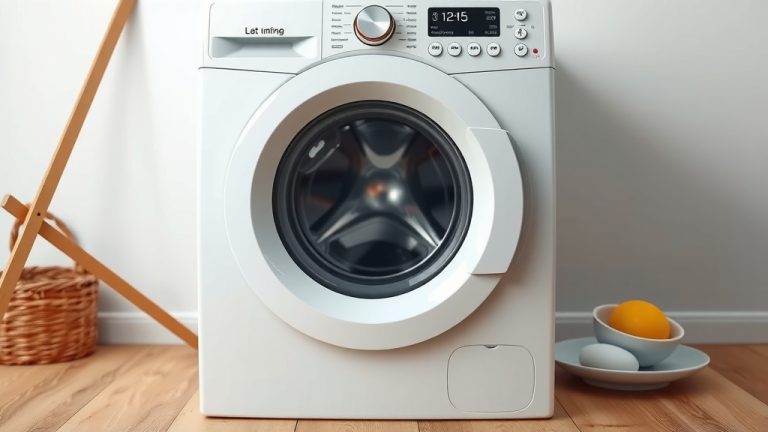
Front-loaders tumble clothes through a small amount of water. This tumbling action is incredibly effective at lifting dirt from fabrics. Because they use so little water, they are exceptionally energy-efficient. Plus, they spin much faster than top-loaders, extracting more water from your clothes.
- Pros: Superior cleaning performance. Use significantly less water and energy. Gentlest on clothes, extending their lifespan. Higher spin speeds mean shorter drying times. Often have larger capacities.
- Cons: Higher upfront cost. The bending required for loading can be an issue for some. Cycles can sometimes be longer. Requires regular cleaning of the door seal to prevent mold and mildew.
HE Impeller vs. Front-Load: The Showdown
When you compare HE top-loaders (with impellers) to front-loaders, the front-loaders generally edge out the competition in overall performance. Many studies and consumer reports find that front-loaders provide a deeper clean. They are also typically more water and energy-efficient. For instance, the U.S. Department of Energy mandates efficiency standards, and front-loaders consistently meet and exceed them (U.S. Department of Energy).
Think of it like this: an HE top-loader is like a very efficient shower, while a front-loader is more like a powerful, targeted stream. Both get you clean, but the targeted stream often works faster and uses less water overall.
Key Factors to Consider for Your Home
Now that you know the types, let’s talk about what matters most to your household. What’s your budget? How much laundry do you do? Do you have any physical limitations?
Budget and Long-Term Savings
While front-loaders tend to have a higher purchase price, their long-term savings are often worth the initial investment. The reduced water and electricity bills can add up significantly over the lifespan of the machine. Many guidelines suggest considering the total cost of ownership, not just the sticker price (Consumer Financial Protection Bureau).
Space and Installation Needs
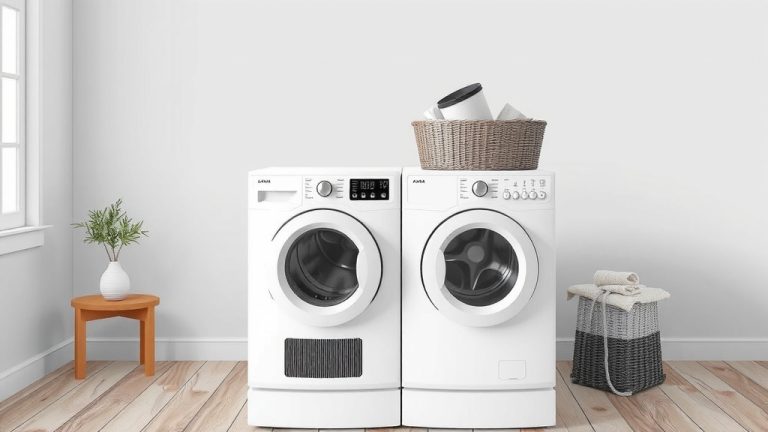
Measure your laundry space carefully! Front-loaders are often more compact in overall dimensions, but you need to ensure you have enough clearance for the door to open fully. Top-loaders, especially agitator models, can be taller. Also, consider if you plan to stack your washer and dryer; this is typically only an option with front-loaders.
Your Laundry Habits
Do you wash large loads? Are you often dealing with stubborn stains? If you have a large family or frequently wash bulky items like comforters, a larger capacity machine, often found in HE top-loaders and front-loaders, will be beneficial. For those who prioritize fabric care and efficiency, a front-loader is usually the way to go.
Ease of Use and Accessibility
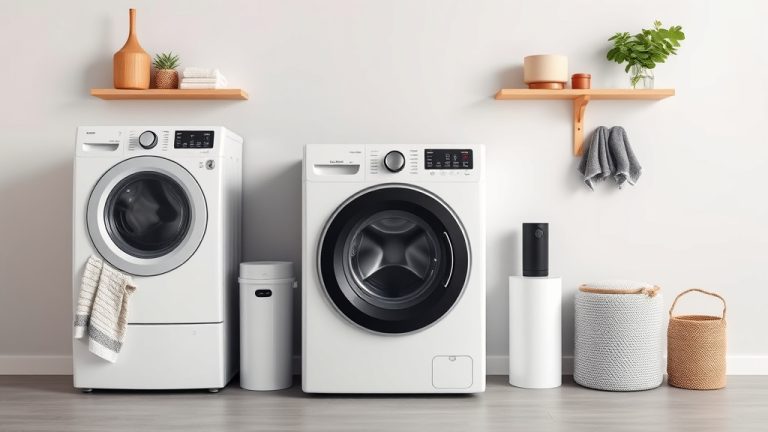
If bending down is difficult, a top-loader might seem more appealing. However, many front-loaders now come with pedestals that raise the machine, making loading and unloading much easier. It’s worth looking into these accessories.
| Feature | Traditional Top-Load (Agitator) | HE Top-Load (Impeller) | Front-Load (HE) |
|---|---|---|---|
| Upfront Cost | Lowest | Mid-range | Highest |
| Water Usage | Highest | Lower | Lowest |
| Energy Usage | Higher | Lower | Lowest |
| Gentleness on Clothes | Lowest | Good | Highest |
| Cleaning Performance | Good | Very Good | Excellent |
| Spin Speed | Lower | Higher | Highest |
Your Laundry Machine Checklist
To help you zero in on the perfect machine, ask yourself these quick questions:
- What is my firm budget for a new washer?
- How much laundry do I typically do per week?
- Do I have specific accessibility needs?
- Is energy efficiency a top priority for me?
- How important is it for my clothes to last longer?
- What are my laundry room’s space limitations?
Conclusion
Choosing the right washing machine is about finding the perfect fit for your life. While a traditional agitator top-loader might be familiar, our research shows that high-efficiency (HE) front-load washers consistently deliver the best results for most homes. You’ll enjoy superior cleaning power, gentler fabric care, and significant long-term savings on your utility bills. If a front-loader isn’t for you, an HE impeller top-loader is a solid, efficient alternative. Take a moment to consider your budget, space, and how much laundry you tackle each week. Your next step? Measure your laundry space and start comparing HE front-load models that fit your needs!
Frequently Asked Questions
Are HE front-load washers really worth the higher price?
Yes, research indicates they often are. While the upfront cost is higher, the substantial savings on water and energy bills over the machine’s lifespan can make them more economical. Many homeowners find the long-term savings outweigh the initial investment.
Can a top-load washer be just as effective as a front-load?
High-efficiency (HE) impeller top-loaders offer very good cleaning performance and are much more efficient than older agitator models. However, front-load washers generally provide superior cleaning power and are gentler on clothes, according to most consumer reports.
How do I know if a front-load washer is too much bending for me?
If bending is a concern, consider purchasing a washing machine pedestal. These bases lift the front-load washer higher, making it much easier to load and unload without straining your back. Some models are also designed with a slightly higher drum.
Which type of washer is best for large families or bulky items?
For large families or frequent washing of bulky items like comforters, look for machines with a larger capacity. Both HE impeller top-loaders and front-load washers often come in larger sizes that can handle bigger loads efficiently, reducing the number of cycles you need to run.
How often should I clean my washing machine, especially a front-loader?
Regular cleaning is important for all washing machines to prevent odors and maintain performance. For front-loaders, pay special attention to cleaning the door seal and the detergent dispenser monthly to prevent mold and mildew buildup. Running a cleaning cycle with hot water and vinegar or a specialized cleaner every few months is also recommended.