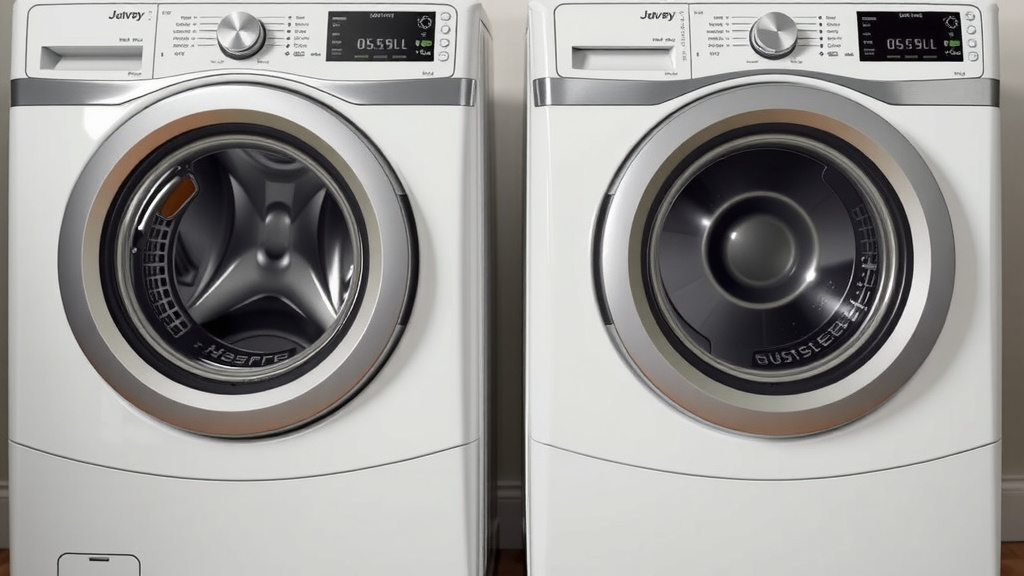
Choosing the Right Washer and Dryer Sets
When buying a washer and dryer, you should look for energy efficiency, appropriate capacity, and the types of cycles you’ll actually use. Matching these factors to your household needs and budget ensures you get a system that works well for your laundry routine without wasting resources. Don’t get swayed by fancy features you’ll never need!
Choosing new laundry appliances can feel like a big decision, especially with so many options available. We’ve found that focusing on a few key considerations can make the process much simpler. Think about how much laundry you do and what fabrics you commonly wash to find the best fit for your home and lifestyle.
- Energy Efficiency: Look for the ENERGY STAR label to save on utility bills.
- Capacity: Match the drum size to your family’s laundry load.
- Cycle Types: Select cycles that suit your common fabrics and stains.
- Budget: Determine how much you want to spend upfront.
- Space: Measure your laundry area carefully before you buy.
Below, we break down exactly what to look for in a washer and dryer to help you make the best choice for your home.
Choosing Your Next Washer and Dryer Set
Picking out new laundry machines can feel like a chore in itself. But fear not! We’ve researched what matters most. Focusing on a few key features will help you find a system that makes laundry day easier. You want appliances that fit your life, not the other way around.
Understanding Washer Types and Features
Washers come in two main styles: top-load and front-load. Each has its own set of benefits. Think about your washing habits and what kind of results you’re hoping for.
Top-Load Washers: The Classic Choice
Top-load washers have a lid on top. You add clothes through the opening above. They often have an agitator in the middle. This is the tall, finned post that twists and turns. It helps move clothes through the water.
Pros: They are typically less expensive upfront. You can also add forgotten clothes mid-cycle. Many people find them easier to load and unload. You don’t have to bend over as much.
Cons: Some models can be harder on clothes. They might use more water than high-efficiency (HE) models. HE agitators are smaller or absent. They can sometimes leave clothes tangled.
Front-Load Washers: The Modern Powerhouse
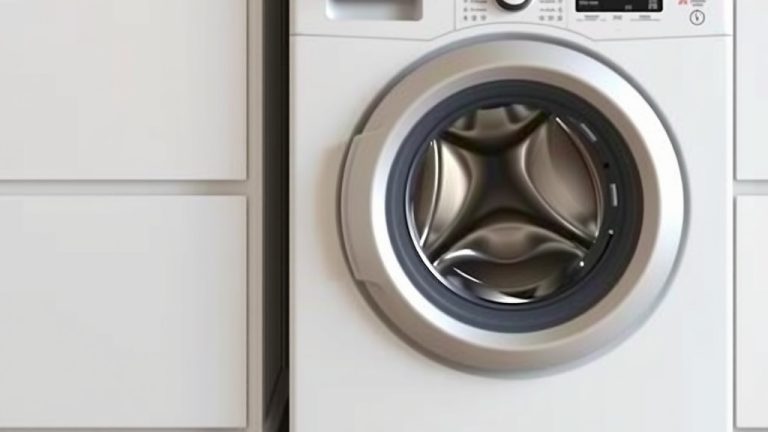
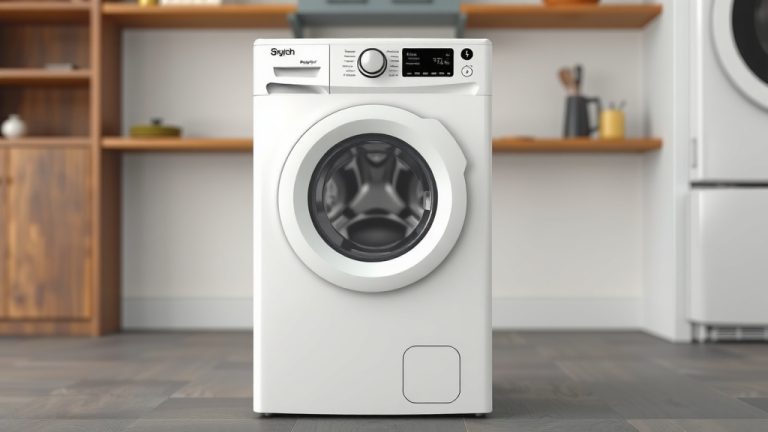
Front-load washers have a door on the front. You load clothes into a drum that spins horizontally. They use gravity to tumble clothes. This is a gentler washing action.
Pros: Front-loaders are known for being very energy and water-efficient. They often have higher spin speeds. This means clothes come out drier. This can reduce dryer time. They are also gentler on fabrics.
Cons: They usually cost more to buy. You need to bend down to load and unload. Some people don’t like the sound of the tumbling action. They can also develop mold or mildew if the door seal isn’t wiped down.
Dryer Essentials: What to Keep in Mind
When it comes to dryers, you’ll mainly choose between gas and electric models. The type you pick often depends on your home’s existing hookups.
Electric Dryers
Electric dryers use a heating element that runs on electricity. Most homes can easily accommodate an electric dryer. They are generally more affordable to purchase.
Pros: Installation is usually simpler. You likely already have the necessary electrical outlet. They tend to have a lower upfront cost than gas dryers.
Cons: They can be more expensive to run. Electricity costs can add up over time. Drying times might be a bit longer compared to gas models.
Gas Dryers
Gas dryers use natural gas or propane to heat the air. They still need an electrical outlet to power the drum and controls.
Pros: Gas dryers typically heat up faster. This can lead to quicker drying times. Many find them more cost-effective to operate over the long term, depending on local utility prices.
Cons: They require a gas line, which might mean extra installation costs if you don’t already have one. The initial purchase price is often higher.
Capacity: How Much Laundry Do You Tackle?
The size of your washer and dryer drums, known as capacity, is a big deal. It’s measured in cubic feet. Choosing the right capacity prevents overstuffing. This ensures your clothes get clean and dry properly.
Small households (1-2 people): A capacity between 3.0 and 4.0 cubic feet is usually fine. You can likely do laundry once a week with this size.
Medium households (3-4 people): Look for capacities around 4.0 to 5.0 cubic feet. This is a good middle ground for most families. You can handle larger loads more easily.
Large households (5+ people): Consider capacities of 5.0 cubic feet or more. This allows you to wash bulky items like blankets. You’ll also spend less time doing laundry cycles.
Cycle Selection: Match Your Needs
Modern washers and dryers offer a variety of cycles. Think about the types of clothes you wash most often. Do you have delicate items? Do you frequently deal with tough stains?
Common Washer Cycles:
- Normal/Cotton: Good for everyday loads like t-shirts and jeans.
- Delicate/Hand Wash: For fragile fabrics like silk or lace.
- Permanent Press: Designed for synthetic fabrics that wrinkle easily.
- Heavy Duty: For heavily soiled items like work clothes or towels.
- Quick Wash: For lightly soiled items you need fast.
Common Dryer Cycles:
- Normal/Cotton: For most fabrics, medium heat.
- Permanent Press: For synthetics, lower heat to prevent wrinkles.
- Delicate/Air Fluff: No heat, good for refreshing items or drying delicate items.
- Bulky Items: For comforters, blankets, and pillows.
- Timed Dry: You set the time, and it stops when done.
Many machines also have special settings for steam cleaning or sanitizing. These can be great for allergy sufferers or for reducing allergens. Research indicates steam can also help reduce wrinkles (Cleveland Clinic).
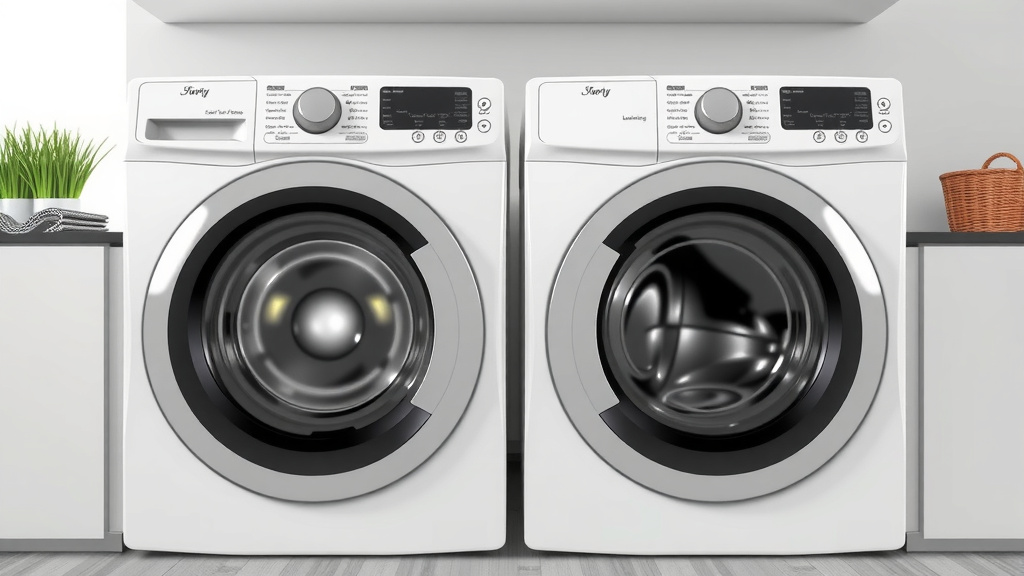
Energy Efficiency: Saving Money and the Planet
Appliances that use less energy can save you money on utility bills. Look for the ENERGY STAR label. This certification means the appliance meets strict energy efficiency guidelines set by the U.S. Environmental Protection Agency.
ENERGY STAR certified washers use less water and energy. This translates to lower bills. Dryers also benefit from energy efficiency. Some models have moisture sensors. These stop the dryer when clothes are dry. This prevents over-drying and saves energy.
Smart Features: Are They Worth It?
Many new laundry machines come with “smart” features. These can include Wi-Fi connectivity. You might be able to control your washer and dryer from your smartphone. You could get notifications when a cycle is done. Some apps offer troubleshooting guides.
Think honestly about how you’d use these features. Will you really want to start a load from your phone? Or get a text when your clothes are ready? For some, these features add convenience. For others, they’re just extra bells and whistles that increase the price. We found that most people are perfectly happy with machines that have straightforward controls.
Space and Installation: A Practical Check
Before you fall in love with a particular model, measure your laundry space. You need enough room for the appliances themselves. Also, ensure you have space for doors to open fully. Check for clearance around vents and hookups.
Think about delivery and installation too. Will the machines fit through your doorways? Do you need to hire a professional for hookups, especially for gas dryers? Getting these details sorted beforehand prevents headaches later.
Your Laundry Appliance Checklist
To help you remember, here’s a quick checklist:
- Measure your laundry space accurately.
- Decide between gas or electric dryer.
- Choose washer type (top-load vs. front-load).
- Select capacity based on household size.
- Identify essential wash and dry cycles.
- Look for the ENERGY STAR label for efficiency.
Conclusion
You’ve now got a solid plan for choosing your next washer and dryer. Remember to focus on what truly matters for your home: energy efficiency, the right capacity, and the cycles you’ll actually use. Don’t get caught up in features you won’t need. Your goal is to find appliances that make laundry day smoother and more affordable. Now, armed with this knowledge, you’re ready to confidently pick the perfect set. Go measure your space and start comparing models!
Frequently Asked Questions
How do I know what washer capacity I need?
We found that household size is the best guide for capacity. Small households of 1-2 people usually need 3.0-4.0 cubic feet. Families of 3-4 might prefer 4.0-5.0 cubic feet. Larger families of 5+ should look for 5.0 cubic feet or more to handle bigger loads and bulky items.
Is a front-load washer or top-load washer better for me?
Front-load washers are generally more energy and water-efficient and gentler on clothes, but cost more upfront. Top-load washers are often less expensive, easier to load, and you can add items mid-cycle. Research suggests the best choice depends on your budget and priorities.
Should I get a gas or electric dryer?
Your decision often depends on existing hookups. Electric dryers are more common and easier to install. Gas dryers can heat up faster and be more cost-effective to run long-term, but require a gas line. We found that local utility costs play a big role in the overall savings.
What does the ENERGY STAR label mean for my laundry machines?
An ENERGY STAR label means the appliance has met strict energy efficiency guidelines. This means your washer and dryer will use less water and electricity. You’ll see this reflected in lower utility bills over time. It’s a great way to save money and help the environment.
Are smart features on washers and dryers worth the extra cost?
Smart features like Wi-Fi connectivity can offer convenience, such as starting cycles remotely or getting notifications. However, we found that many people don’t actively use these features. Think honestly about whether these extras fit your lifestyle before paying a premium for them.