How Long Does Filter Last in Air Purifier? A Complete Guide to Filter Lifespan
So, you’ve brought a new air purifier into your home, and naturally, one of the first things on your mind is probably, ‘When do I need to change the filter?’ This is a super common query, and trust me, the answer isn’t always simple. The true filter lifespan is influenced by various elements, and knowing these will ensure you maintain optimal air quality without wasting money on premature replacements.
Think of your air purifier filter like the oil filter in your car. Just as you wouldn’t ignore your car’s maintenance schedule, you shouldn’t overlook your air purifier’s filter replacement needs. Let me walk you through everything you need to know about filter longevity, replacement schedules, and how to maximize your filter’s life.
Understanding Air Purifier Filters: The Basics
Before we dive into how long filters last, let’s talk about what these filters actually do. Most modern air purifiers use multiple layers of filtration, kind of like a security checkpoint that your air has to pass through multiple times.
The Different Types of Filters
Air purifiers typically contain several filter types working together:
- Pre-filters that catch larger particles like dust and hair
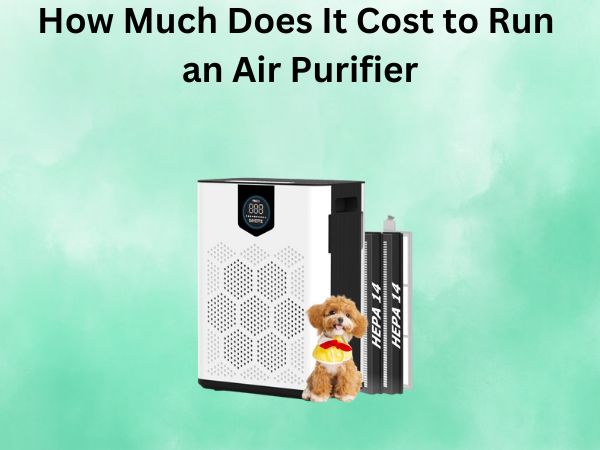
- HEPA filters that trap microscopic particles and allergens
- Activated carbon filters that eliminate odors and chemical pollutants
- Ionizers and UV lights in some premium models
Each of these components has its own lifespan, which is why you might need to replace them at different intervals. It’s not just one filter you’re dealing with—it’s usually a system of filters working together like a team.
How Long Do Air Purifier Filters Actually Last?
Typical Filter Replacement Timeframes
Here’s where things get real: most air purifier filters last somewhere between three to twelve months. That’s quite a range, isn’t it? The reason for this variation is that several factors influence how quickly your filter accumulates particles and loses its effectiveness.
Let’s break this down by filter type:
Pre-Filters: The First Line of Defense
Pre-filters are the workhorses of your air purification system. They catch all the big stuff—dust, pet hair, pollen—before it reaches the more delicate filters. Because of their job, they get dirty quickly. You’re looking at replacing these roughly every one to three months, depending on your environment. Some pre-filters are actually washable, which can extend their life considerably. If you’ve got pets or live in a dusty area, you might find yourself replacing these monthly. It’s like having a bouncer at a club who handles the rough stuff before it gets inside.
HEPA Filters: The Main Players
HEPA filters are the heroes of the air purifier world. These can capture particles as small as 0.3 microns, including allergens, bacteria, and other microscopic nasties. Because they’re so effective, they also fill up faster than you might expect. Most HEPA filters last between six to twelve months under normal household conditions. However, if you live in a high-pollution area or have multiple pets, you might be replacing them every four to six months.
Activated Carbon Filters: Odor Eliminators
These filters are primarily responsible for removing odors and volatile organic compounds. They typically last three to six months, sometimes shorter if you’re dealing with strong odors from cooking, pets, or smoking. The activated carbon becomes saturated over time and loses its ability to absorb new odors, even if it still looks fine visually.
Factors That Affect Filter Lifespan
Indoor Air Quality in Your Home
This is probably the biggest factor determining how long your filters last. If you live in a relatively clean environment with minimal dust and pollutants, your filters will last longer. Conversely, if you’re constantly battling dust, pet hair, or live in a polluted urban area, your filters will fill up much faster. It’s the difference between driving your car in highway conditions versus stop-and-go city traffic.
Number of Occupants and Pets
Every person in your home contributes to air particle generation through dead skin cells, clothing fibers, and general movement. Add pets into the mix, and you’ve significantly increased the particulate load your filters must handle. A household with two people and no pets will see much longer filter life than a home with a family of five and three dogs.
How Often You Run the Purifier
This seems obvious, but I’m surprised by how many people don’t consider it. If you run your air purifier 24/7, the filters will get dirty faster than if you run it just during sleeping hours or in the evenings. However, running it less often also means reduced air quality. It’s a trade-off worth considering based on your needs and budget.
Humidity Levels
Higher humidity can affect how quickly certain pollutants accumulate on filters. In humid climates, you might notice your pre-filters get saturated faster, which then forces more air through the HEPA filter, potentially shortening its lifespan.
The Quality of Your Air Purifier
Not all air purifiers are created equal. Premium models with better engineering and higher-quality filters often maintain better airflow even as filters fill up, which can extend the effective lifespan of the filters. Budget models might show decreased performance much more quickly as filters get clogged.
Signs Your Filter Needs Replacement
Visual Indicators
The most obvious sign is visual inspection. If your filter looks visibly dirty, dark gray, or clogged with particles, it’s time for a change. However, I wouldn’t rely solely on appearance because filters can be dirty long before they look obviously discolored.
Performance Changes
Has your air purifier become noticeably quieter? That might actually be a bad sign because it could mean air isn’t flowing through the filter properly. Conversely, if it’s suddenly making more noise trying to push air through a clogged filter, that’s another clear signal. Also pay attention to whether dust seems to be accumulating faster on surfaces in your home—that suggests your purifier isn’t working optimally.
Odor Issues
If you start noticing that the air purifier isn’t eliminating odors like it used to, your activated carbon filter has probably reached the end of its life. Carbon gets saturated and can’t absorb new odors even though it looks perfectly fine.
Air Quality Monitor Readings
Many modern air purifiers include air quality monitors. If these readings aren’t improving even when the purifier runs, your filters might be the culprit.
Manufacturer Recommendations vs. Reality
What the Manual Says
Most manufacturers provide filter replacement guidelines in their product manuals. These are typically conservative estimates because they don’t know your specific situation. They might say twelve months, but your actual timeline could be quite different.
Real-World Usage
In my experience, real-world filter replacement happens faster than manufacturer recommendations suggest, especially for HEPA filters. This is why it’s important to monitor your specific situation rather than blindly following a timeline. Check your filter’s condition every month or two, and you’ll develop a better sense of when replacement is actually needed.
How to Extend Your Filter’s Lifespan
Regular Maintenance Tips
Want to get more life out of your filters? There are several strategies you can employ:
- Vacuum regularly to reduce dust in your home and decrease the load on your air purifier
- Use washable pre-filters and clean them monthly to extend their life
- Keep your air purifier away from obvious pollution sources like cooking areas or smoking zones
- Ensure proper placement so the purifier can work efficiently without obstruction
- Keep the exterior of your purifier clean so it operates at peak efficiency
- Consider running the purifier on lower settings during less critical times to reduce filter wear
Strategic Placement
Where you place your air purifier matters more than many people realize. Position it away from walls and furniture that might block airflow. Keep it away from moisture-heavy areas like bathrooms and away from direct sources of pollution. A well-placed purifier works more efficiently and puts less strain on its filters.
Cost Considerations: Budgeting for Filter Replacements
Filter Replacement Costs
Replacement filters range from about thirty dollars to over two hundred dollars, depending on your specific model and where you purchase them. Budget models tend to have cheaper replacement filters, but premium purifiers with better filters might cost more. Calculate your annual filter replacement expense based on your specific situation, not the manufacturer’s estimate.
Long-Term Investment
When evaluating an air purifier, don’t just look at the initial purchase price. Calculate the lifetime cost of filter replacements. A purifier that costs less upfront but requires filter changes every two months might be more expensive in the long run than a higher-quality model with longer-lasting filters.
Comparing Filter Lifespan Across Different Brands
Budget-Friendly Brands
Affordable air purifier brands typically have filters that need replacing more frequently, sometimes every three to six months. However, this isn’t necessarily bad—their replacement filters are usually less expensive, so the overall cost might balance out.
Premium Brands
Higher-end air purifier manufacturers often engineer their systems to work with longer-lasting filters. Some premium models advertise filter life of twelve to twenty-four months, though this often depends heavily on your environment. When filters last longer, the higher upfront cost of the purifier can be justified through lower replacement expenses over time.
Understanding Filter Replacement Schedules
Setting Up a Reminder System
Rather than guessing when to replace your filters, establish a system. Write down the date when you install a new filter. Check it monthly, and mark on your calendar when it begins to look noticeably dirty. Many modern air purifiers send app notifications when filters need replacing, which takes the guesswork out of the equation.
Seasonal Variations
Filter life can vary by season. During high pollen seasons or winter months when homes are sealed tight and heating systems circulate lots of dry air and dust, filters might get dirty faster. Plan accordingly and potentially stock replacement filters before seasons that you know will be harder on your system.
When NOT to Wait for Replacement
Health Considerations
If anyone in your household has respiratory issues, allergies, or other health sensitivities, don’t push your filters to their absolute limits. Replace them when they’re looking moderately used, not when they’re completely clogged. Your health is worth the extra cost of slightly more frequent replacements.
Conclusion
So, how long does a filter last in an air purifier? The honest answer is that it depends on numerous factors unique to your situation. Most filters last between three and twelve months, but your actual replacement schedule should be based on visual inspection, performance monitoring, and your specific environmental conditions rather than a calendar date alone.
The key takeaway is this: treat your air purifier filters like an important part of your home maintenance routine. Check them regularly, understand the signs of wear, and replace them before they become completely ineffective. By doing so, you’ll ensure that your air purifier continues to provide the clean, healthy air your family deserves. Remember, investing in timely filter replacements is an investment in your health and the longevity of your air purification system.
Frequently Asked Questions
Can you clean and reuse air purifier filters instead of replacing them?
This depends on your filter type. Washable pre-filters can absolutely be cleaned and reused multiple times, extending their life significantly. However, HEPA filters and activated carbon filters are not designed for cleaning. Attempting to wash a HEPA filter can damage its delicate fibers and compromise its ability to capture particles. You’d actually be making your air purifier less effective. It’s far better to replace these filters when they’re dirty rather than trying to clean them.
What happens if you don’t replace your air purifier filter?
Failing to replace a dirty filter leads to several problems. First, the air purifier becomes increasingly ineffective, defeated by its own clogged filter. Second, the motor has to work much harder to push air through the blockage, which strains the system and can reduce its lifespan. Third, and most importantly, you’re no longer getting the air quality improvement you’re paying for. In extreme cases, a heavily clogged filter can actually cause the motor to overheat or fail completely, requiring expensive repairs or replacement of the entire unit.
Are expensive replacement filters worth the cost compared to budget alternatives?
Higher-quality filters, particularly HEPA filters from reputable manufacturers, are generally worth the investment. They typically capture more particles, last longer, and maintain better airflow even as they accumulate dust. Budget-friendly alternatives might seem like good deals initially, but they often require more frequent replacement and may not perform as effectively. That said, you don’t necessarily need the absolute most expensive option—look for mid-range filters from trusted brands that balance cost and quality.
How do I know which replacement filter is compatible with my air purifier?
Always check your air purifier’s manual or look at the model number on your current filter. Most manufacturers make it easy to identify the correct replacement by printing the model number prominently. You can also check the manufacturer’s website or contact their customer service. Avoid generic filters that claim to fit multiple models, as they often don’t work properly and might damage your purifier. It’s worth spending a few minutes ensuring you have the exact right filter rather than dealing with compatibility issues later.
Should I buy replacement filters in bulk to save money?
Buying filters in bulk can save you money, but be cautious. Only do this if you’re confident about your replacement schedule and have proper storage conditions. Filters should be kept in a cool, dry place. If you buy more than you’ll use in a year or so, they might deteriorate or their media could become less effective over time. Additionally, air purifier technology evolves, and the manufacturer might discontinue your model or release an improved version with different filter requirements. Usually, buying one or two extra filters ahead of time is smart, but massive bulk purchases rarely make sense.
“`