How Important Is an Air Purifier for Allergies? A Complete Guide to Breathing Better Indoor Air
Take a moment and consider: when was the last time you truly inhaled deeply at home, free from concerns about allergens or pollutants? If you’re an allergy sufferer, that feeling might seem like a distant dream. The unfortunate truth is, the air within your living spaces can often be a major contributor to your symptoms, affecting your health more than you might realize. This is where the power of an air purifier becomes clear, offering a straightforward path to dramatically improved indoor air quality and a better life.
Understanding the Scope of Indoor Air Quality Problems
Here’s something that might surprise you: the Environmental Protection Agency has found that indoor air can be two to five times more polluted than outdoor air. Think about that for a moment. You’re spending most of your day breathing air that’s potentially dirtier than what you’d encounter walking down a busy street. Your home, your sanctuary, might actually be harboring invisible threats that trigger your allergies day after day.
What’s Actually Floating in Your Indoor Air?
When we talk about indoor air pollution, we’re discussing a complex mixture of harmful particles and substances. Dust mites are probably the most notorious culprits for allergy sufferers. These microscopic creatures thrive in warm, humid environments, and they’re leaving behind waste particles that trigger severe allergic reactions. Then there’s pet dander from your beloved furry companions, pollen that sneaks in through windows and doors, and mold spores that love damp corners of your bathroom or basement.
But that’s just the beginning. Volatile organic compounds, or VOCs, are released from furniture, cleaning products, and paint. Bacteria and viruses float through the air, especially concerning during cold and flu seasons. Smoke particles from cooking and outdoor pollution that infiltrates your home also contribute to this invisible soup of contaminants. It’s like living in an invisible cloud of particles that your respiratory system has to battle constantly.
How Allergies Develop from Poor Indoor Air
When you’re exposed to high concentrations of these allergens day after day, your immune system becomes increasingly sensitive. Your body treats these harmless particles as threats and launches an immune response. Histamine is released, causing the sneezing, itching, congestion, and watery eyes that make you miserable. The longer you’re exposed to these allergens in your own home, the worse your symptoms typically become.
The Critical Role of Air Purifiers in Allergy Management
How Air Purifiers Actually Work
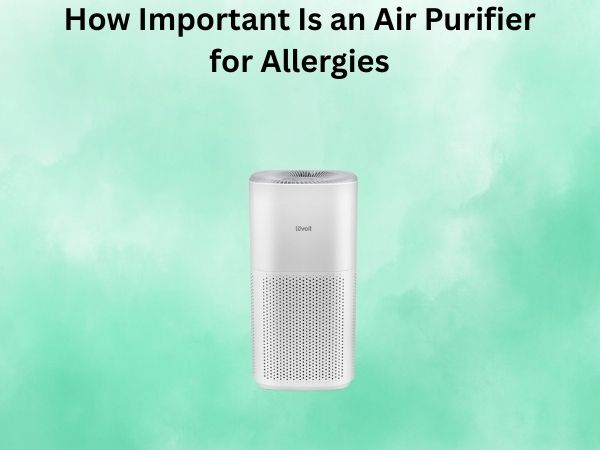
An air purifier functions like a bouncer for your indoor environment, actively filtering out unwanted particles before they can reach your lungs. Most quality air purifiers use a multi-stage filtration system. The first stage is typically a pre-filter that catches larger particles like dust and pet hair. Then comes the HEPA filter, which is where the real magic happens.
HEPA stands for High-Efficiency Particulate Air, and these filters are designed to capture 99.97 percent of particles that are 0.3 microns or larger. To put that in perspective, that’s smaller than what you can see with your naked eye. Many advanced models also include activated carbon filters that eliminate odors and VOCs, plus some have UV-C technology that can neutralize bacteria and viruses.
Why HEPA Filtration Matters for Allergy Sufferers
If you suffer from allergies, the HEPA filter is your best friend. Because dust mite debris, pollen, and pet dander all fall within that filtration range, a genuine HEPA filter removes these allergens from circulation. This means fewer particles floating around your bedroom at night, which translates to fewer allergic reactions interrupting your sleep. You might actually wake up without a stuffy nose for the first time in years.
The Science Behind Air Purifier Effectiveness
Real-World Impact on Allergy Symptoms
Multiple clinical studies have demonstrated that air purifiers significantly reduce allergy symptoms in test subjects. One study published in indoor air quality research showed that participants using HEPA air purifiers experienced a 60 percent reduction in airborne allergen levels within the first week of use. More importantly, they reported noticeable improvements in respiratory symptoms, better sleep quality, and reduced daytime allergic reactions.
The reduction isn’t just about the numbers on a lab report. We’re talking about real people breathing easier, experiencing fewer sneezing fits, and waking up without feeling like they’ve been in a war with their sinuses. These aren’t marginal improvements—they’re life-changing differences for those who’ve suffered from severe allergies.
Factors That Influence Purifier Effectiveness
However, effectiveness isn’t guaranteed just because you buy an air purifier. Several factors determine how well it actually works in your specific situation.
- Room Size Compatibility: An air purifier rated for 300 square feet won’t effectively clean a 600-square-foot living room. The purifier needs to process the room’s air multiple times per hour to be effective.
- Filter Quality and Replacement: Cheap HEPA filters aren’t created equal. True HEPA filters from reputable manufacturers perform significantly better than knockoff versions. You also need to replace filters regularly, typically every 6 to 12 months.
- Air Exchange Rate: This is measured in air changes per hour, or ACH. For allergy sufferers, you want at least 4 to 5 air changes per hour, meaning the entire room’s air gets filtered that many times hourly.
- Placement and Operation: Where you position your purifier matters. It shouldn’t be tucked in a corner where airflow is blocked. Running it continuously, especially at night in your bedroom, yields better results than sporadic use.
- Seal and Leakage: Some purifiers allow unfiltered air to bypass the filter through poor design. A truly effective purifier has minimal air leakage around the filter housing.
When Air Purifiers Make the Biggest Difference
Specific Allergy Scenarios Where Purifiers Excel
Not everyone needs an air purifier with equal urgency, but certain situations make them genuinely crucial. If you live in an urban area with significant outdoor air pollution, an air purifier helps counteract the constant infiltration of pollutants. If you have pets but refuse to part with them despite allergies, a purifier becomes essential rather than optional. The same applies if you live with someone who smokes or in a building where neighbors’ cooking odors permeate your space.
People with severe dust mite allergies find air purifiers particularly valuable. Since dust mites are virtually impossible to eliminate through cleaning alone, continuous air filtration prevents you from breathing in their waste products throughout the day and night. Parents of children with asthma triggered by allergies often report that air purifiers have been transformative, reducing medication dependence and emergency visits.
Seasonal Allergy Management
If you’re plagued by seasonal allergies—those miserable weeks when pollen counts skyrocket—an air purifier becomes your defensive shield. Running it during high pollen season, particularly with windows closed, creates a cleaner microenvironment where your allergies can finally take a break. Many people find that using an air purifier during their problem seasons allows them to reduce antihistamine dependence.
Choosing the Right Air Purifier for Your Needs
Key Features to Prioritize
When you’re evaluating air purifiers, don’t just grab the first option you see. Genuine HEPA certification is non-negotiable—verify that it actually contains true HEPA filtration, not just “HEPA-type.” Check the CADR rating, which indicates how quickly the purifier removes particles. For allergies, you want a CADR of at least 100 for dust and pollen.
Consider noise levels if you plan to run the purifier in your bedroom. Some models are whisper-quiet, while others sound like a jet engine. Look for models with multiple fan speeds so you can run them quietly during the day and increase power at night. Smart features like air quality sensors, app connectivity, and filter replacement reminders add convenience, though they increase the price.
Common Mistakes People Make When Buying Purifiers
Many people buy the cheapest option available, thinking all air purifiers are essentially the same. This is a costly mistake. Budget models often lack true HEPA filtration and don’t actually remove allergens effectively. Others buy a single small purifier for their entire house, wondering why their allergies persist. You typically need multiple units—one for your bedroom, another for the living area—to achieve comprehensive protection.
Another mistake is ignoring filter replacement schedules. A clogged filter is virtually useless and might even recirculate particles. Some people also fail to seal air leaks around the purifier, allowing unfiltered air to bypass the filter entirely. Finally, closing windows and doors to keep outdoor pollutants out, then running an air purifier, is more effective than keeping windows open while hoping the purifier keeps up.
Air Purifiers as Part of a Comprehensive Allergy Strategy
Why Purifiers Alone Aren’t Enough
Here’s an important reality check: an air purifier is incredibly helpful, but it’s not a complete solution to allergies. Think of it as one tool in a larger toolkit. You still need to minimize allergen sources through regular cleaning, using allergen-proof mattress and pillow covers, washing bedding in hot water weekly, and controlling humidity levels.
Vacuuming with a HEPA-filter vacuum cleaner, damp-dusting surfaces to trap particles instead of spreading them, and maintaining good ventilation all work synergistically with your air purifier. If you have pets, regular grooming and designated pet-free zones—especially your bedroom—are essential. These measures combined with a quality air purifier create an environment where your allergies can finally become manageable.
Complementary Steps to Maximize Air Purifier Benefits
- Control Humidity: Keep indoor humidity between 30 and 50 percent. Dust mites thrive in humid environments, so a dehumidifier in problem areas reduces their population while your purifier filters airborne allergens.
- Upgrade Your Bedding: Allergen-proof mattress and pillow covers create a barrier against dust mites. Combined with regular washing in hot water, this dramatically reduces bedroom allergen exposure.
- Minimize Carpeting: Carpet traps allergens like nothing else. Hard flooring with washable rugs is far easier to keep allergen-free. If you must have carpet, clean it professionally quarterly.
- Air Purifier Placement: Position your bedroom purifier near your bed to ensure you’re breathing the cleanest air during sleep when you’re most vulnerable to allergy symptoms.
- Regular Filter Maintenance: Set phone reminders to replace filters on schedule. A clogged filter loses effectiveness rapidly and can actually harbor bacteria and mold.
The Health Benefits Beyond Allergy Relief
Broader Respiratory and Wellness Improvements
While we’ve focused on allergies, air purifiers offer broader health benefits that shouldn’t be overlooked. People with asthma report fewer attacks when using air purifiers, particularly if their asthma is triggered by airborne allergens. Those with chronic bronchitis or other respiratory conditions also experience improvements in breathing capacity and reduced symptoms.
Beyond respiratory health, cleaner air improves sleep quality for many people. When you’re not battling congestion and allergic reactions throughout the night, you sleep deeper and wake more refreshed. Better sleep enhances immune function, mood, cognitive performance, and overall health. Some people report mental clarity improvements after starting to use air purifiers, likely because their brains are finally getting adequate oxygen without competing for resources to fight allergic inflammation.
Long-Term Cost Considerations
People often hesitate at the upfront cost of a quality air purifier, but consider the long-term financial picture. Medications for allergies—antihistamines, nasal sprays, decongestants—add up quickly over a year. Some people spend $50 to $100 monthly on allergy medications and treatments. A decent air purifier costs between $200 and $600, plus maybe $100 annually for filter replacements. Over several years, the air purifier pays for itself in reduced medication expenses while providing better symptom control.
Addressing Common Questions About Air Purifier Necessity
Do I Really Need an Air Purifier?
If you suffer from allergies that significantly impact your quality of life, the answer is almost certainly yes. If your allergies are mild and manageable with occasional medication, you might get by with just improved cleaning habits and ventilation. However, if you’re reaching for allergy medication multiple times daily, waking up congested, or avoiding activities due to allergy concerns, an air purifier could genuinely improve your situation.
What About Using an Air Purifier Alongside Medication?
An air purifier doesn’t replace prescribed allergy medications, but it reduces the burden on your immune system. Many people find they can reduce medication dosages or frequency once they start using an air purifier, which reduces medication side effects while improving symptom control. Always consult your doctor before changing medication, but generally, fewer allergens in your environment means less need for medication.
Conclusion
The question of how important an air purifier is for allergies really depends on your specific situation, but for most allergy sufferers, the answer is that it’s quite important. These devices directly address one of the primary sources of your suffering—the allergens floating through your indoor air—in a way that other interventions simply cannot. They’re not magic bullets that eliminate allergies entirely, but they’re powerful tools that can dramatically reduce the allergen exposure that triggers your symptoms.
When combined with other allergy management strategies—controlling humidity, using allergen-proof bedding covers, regular cleaning, and keeping your space organized to minimize dust traps—an air purifier creates an indoor environment where you can finally breathe easier. The investment in a quality air purifier with true HEPA filtration could mean fewer sleepless nights, reduced medication dependence, improved quality of life, and better overall health. If you’ve been tolerating allergies because you thought there were no effective solutions, it might be time to consider giving yourself the gift of cleaner air.
Frequently Asked Questions About Air Purifiers and Allergies
How long does it take for an air purifier to improve my allergy symptoms?
Most people notice improvements within three to seven days of starting to use an air purifier, particularly regarding nighttime congestion and morning symptoms. However, the full benefit takes about two weeks as your body recovers from the constant allergen exposure. Some people with severe allergies might need a few weeks to feel substantial improvement. Consistency is key—the purifier must run regularly, ideally 24/7, to maintain these improvements.
Are expensive air purifiers significantly better than budget options?
There’s a noticeable quality difference between budget and premium air purifiers. Expensive models typically have better filtration, lower noise levels, smarter features, and more durable construction. However, you don’t need to buy the most expensive option available. Mid-range air purifiers from reputable brands usually offer the best value, providing genuine HEPA filtration and good performance without excessive cost. Avoid the cheapest options, as they rarely contain true HEPA filters.
Can I use an air purifier in multiple rooms, or do I need separate units?
For optimal effectiveness, you should have a purifier in each room where you spend significant time, especially your bedroom. A single purifier moving between rooms is ineffective because allergens quickly accumulate in spaces without filtration. The bedroom is particularly important since you spend eight hours there nightly and allergen exposure during sleep worsens morning symptoms. If budget is limited, prioritize your bedroom first, then add units to other high-traffic areas.
Will an air purifier help if I keep my windows open?
An air pur