How Long Does It Take an Air Purifier to Work? A Complete Guide to Timing and Effectiveness
Just plugged in your new air purifier and eager to experience purer air? You’re not alone in wondering about the wait. While it’s tempting to think clean air is just a moment away, the reality is more nuanced than a quick flick of a switch. Achieving truly purified air is a gradual journey, and grasping its duration will help you manage expectations and optimize your purchase.
Let me walk you through everything you need to know about how air purifiers work, how long they take to be effective, and what factors influence their performance.
The Quick Answer: Immediate Results vs. Noticeable Improvement
Here’s the reality you need to understand right away: your air purifier starts working the moment you turn it on, but you won’t necessarily feel or notice a dramatic difference immediately. Think of it like getting a haircut—the stylist starts cutting your hair right away, but you don’t see the full transformation until they’re completely finished.
Most air purifiers can process the air in a small bedroom within 15 to 30 minutes on their highest setting. However, noticing a real difference in air quality—whether that’s reduced dust, fewer allergens, or cleaner-smelling air—typically takes between a few hours to several days, depending on various factors we’ll explore together.
Understanding How Air Purifiers Actually Work
The Basic Filtration Process
Air purifiers work by drawing air into their intake vents, pushing it through various filters, and then releasing purified air back into your room. The most common filtration system includes a pre-filter, a HEPA filter, and often an activated carbon filter.
The pre-filter catches larger particles like dust and pet hair. The HEPA filter—which stands for High-Efficiency Particulate Air—captures the smallest particles, including allergens and pollutants. The activated carbon filter tackles odors and volatile organic compounds. It’s like a three-stage security checkpoint for your air.
Air Changes Per Hour: The Key Metric
Here’s where things get technical but important. Air purifiers are rated by something called Air Changes Per Hour, or ACH. This refers to how many times the purifier cycles all the air in a room through its filters in one hour.
A purifier with an ACH of 4 means it completely processes all the air in your room four times per hour. Most experts recommend an ACH of at least 3 to 5 for effective air purification. If your purifier has a lower ACH, it’ll take longer to noticeably improve your air quality.
Room Size Matters More Than You’d Think
How Square Footage Affects Purification Time
This is crucial: the size of your room dramatically impacts how long purification takes. A purifier designed for a 150 square foot bedroom will work much faster than that same purifier struggling to clean a 400 square foot living room.
If you’re using a purifier in a space larger than its rated capacity, you’re essentially asking it to work twice as hard for half the results. It’s like trying to fill a swimming pool with a garden hose when you really need a fire hydrant.
Matching Your Purifier to Your Space
Before you even consider how long purification will take, make sure your purifier is actually sized for your room. Check the manufacturer’s recommendation for maximum room size. If your space is on the larger side, you might need a more powerful unit or you’ll be waiting significantly longer for results.
Different Types of Purifiers: Different Timelines
HEPA Filter Purifiers
HEPA-based purifiers are the gold standard for particle removal. They typically start showing noticeable results within 2 to 4 hours of continuous operation. If you’re dealing with specific allergens or dust, you might notice improvement even sooner—sometimes within 30 to 60 minutes on a higher fan setting.
Activated Carbon Purifiers
These work best for odors and chemical smells. You might notice odor reduction almost immediately—sometimes within 15 to 30 minutes—because carbon absorption works quite rapidly. However, if you’re looking to remove particles and allergens, carbon filters alone won’t be as effective.
Ionizer and Electrostatic Purifiers
Ionizers release negatively charged ions that attach to particles, causing them to fall to the ground. These can show results relatively quickly, sometimes within an hour. However, the particles still settle in your space rather than being trapped in a filter, so regular cleaning remains necessary.
UV and Photocatalytic Purifiers
These purifiers use ultraviolet light or chemical reactions to neutralize pollutants. They work continuously as air passes through, but you won’t notice dramatic differences because they’re eliminating particles at a molecular level. Results typically become apparent after a few days of consistent operation.
The First 30 Minutes: What’s Actually Happening
When you first turn on your air purifier, several things happen simultaneously. The motor starts drawing air through the intake. The filters begin capturing particles immediately. If you have an ionizer function, negative ions start being released into the air.
During these first 30 minutes, you might notice the purifier running loudly if you’ve set it to the highest fan speed. This is completely normal. The air in your immediate vicinity near the purifier outlet is becoming cleaner, but the rest of your room’s air hasn’t cycled through yet.
The First Week: Building Momentum
Days 1 to 3: The Breaking-In Period
During the first few days, you’re in what I call the “breaking in” phase. Your purifier is working hard, cycling air through the filters repeatedly. This is when you’ll likely start noticing some improvement, especially if your room had particularly poor air quality before.
You might notice that dust accumulates less quickly on surfaces. Allergens become less bothersome. If you have pets, the musty pet smell might start to diminish. These changes are subtle but real.
Days 3 to 7: Noticeable Improvements
By the end of the first week, most people notice a genuine difference. Your bedroom might smell fresher. You might sleep better because airborne particles are reduced. Allergies might not flare up as much when you’re in that room. The cumulative effect of multiple air cycles is becoming apparent.
Long-Term Effects: Beyond the First Month
Here’s something that surprises many people: air purifiers actually become more effective over time. Why? Because as they remove particles from the air, the baseline air quality improves. There are fewer particles to circulate, so each cycle of air through the filters makes an increasingly noticeable difference.
After a month of continuous use, you’ll have the best sense of whether your purifier is truly working for you. Some benefits become even more apparent after extended use:
- Reduced dust buildup on furniture and shelves
- Fresher-smelling rooms without artificial fragrances
- Fewer allergy symptoms and respiratory irritation
- Better sleep quality, especially for those with asthma
- Less visible floating dust particles when light comes through windows
Factors That Speed Up or Slow Down Purification
Fan Speed Settings
Running your purifier on the highest fan speed will, of course, clean air more quickly than running it on a lower setting. However, higher speeds consume more energy and create more noise. Finding the right balance depends on your situation and tolerance for sound.
Room Ventilation and Air Circulation
If your room has windows and doors that are constantly opening and closing, you’re introducing new pollutants while the purifier is working to remove existing ones. Ideally, keep your space as sealed as possible while the purifier operates to see faster results.
Initial Air Quality Condition
If your room starts with extremely poor air quality—say, after you’ve been cooking, smoking, or during a particularly high pollen day—it’ll naturally take longer to reach noticeably clean air. You’re starting from a deeper hole that needs more cycles to climb out of.
Filter Condition
A new, clean filter works far more efficiently than an older, clogged one. If your purifier’s filters haven’t been changed in months or years, you’re not experiencing its true performance potential. Regular filter replacement is essential.
Room Temperature and Humidity
Believe it or not, temperature and humidity levels can affect how well particles float and how effectively filters capture them. Very dry air can cause particles to scatter more, while high humidity can make particles heavier and easier to capture.
How to Actually Measure If Your Purifier Is Working
Visual Indicators
Look at your window sills and flat surfaces. Is dust accumulating more slowly than before? Check window corners for spider webs—if they’re accumulating less often, your purifier is working. These might seem like small signs, but they’re genuine evidence of improved air quality.
The Smell Test
Does your room smell fresher and cleaner? Especially if you have pets or cook frequently, a purifier should noticeably reduce odors. This is one of the easiest ways to verify effectiveness.
Health Improvements
Pay attention to how you feel. Are your allergies less bothersome? Is your breathing easier? Do you wake up with less congestion? These personal health indicators are often the best proof that your purifier is working.
Air Quality Monitors
If you want objective data, consider purchasing an air quality monitor. These devices measure PM2.5 particles and other pollutants, giving you before-and-after readings that prove your purifier’s effectiveness in measurable terms.
Common Mistakes That Slow Down Your Results
Placing Your Purifier Wrong
Location matters significantly. If you tuck your purifier into a corner or behind furniture, its intake vents become restricted. The air can’t flow freely into the unit, so it can’t clean your space as effectively. Keep your purifier in an open area with at least a few feet of clearance around it.
Not Running It Long Enough
Some people turn on their purifier for an hour or two and then shut it off, expecting results. For optimal effectiveness, run your purifier continuously, at least during hours when you’re in that room. This ensures consistent air cycling.
Ignoring Filter Maintenance
This is the number one mistake people make. They buy a purifier, set it up, and then forget about it for a year. Clogged filters are drastically less effective. Check your filters monthly and replace them according to the manufacturer’s recommendations.
Using the Wrong Purifier Size
As mentioned earlier, if your purifier isn’t matched to your room’s square footage, it’ll take much longer to show results—if it shows meaningful results at all. This is a fundamental issue with setup, not the purifier itself.
Optimizing Your Purifier for Maximum Speed and Effectiveness
Strategic Placement
Position your purifier in a central location where air can flow freely in all directions. Avoid placing it against walls or in confined spaces. If your room is large, consider whether a central location or near where you spend the most time makes more sense.
Temperature Control
Maintain moderate room temperature and humidity levels. Extremely dry rooms can benefit from a humidifier running alongside your purifier. Very humid rooms should be dried out somewhat for optimal purifier performance.
Seal Your Space
While your purifier is operating, minimize opening doors and windows. Each opening introduces new pollutants that the purifier must then remove. Even just sealing for a few hours can show faster improvements.
Use the Right Fan Speed
On days when air quality is particularly poor or you’re in a period where you want faster results, use the highest fan speed. For daily maintenance and lower noise, medium or low settings work fine once you’ve achieved your baseline clean air.
Maintenance: Keeping Your Purifier Performing Optimally
Filter Replacement Schedule
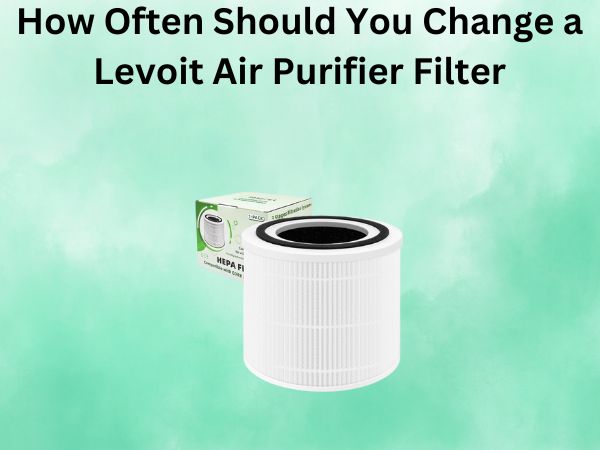
Most manufacturers recommend filter changes every 6 to 12 months, depending on usage and air quality. Some filters in heavily used units might need replacing every 3 to 4 months. Check your unit’s specific guidelines.
Regular Cleaning
Dust the exterior of your purifier monthly. If your model has a washable pre-filter, rinse it under running water every few weeks. This maintains optimal airflow and extends filter life.
Monitoring Performance
Many modern purifiers have indicator lights or app notifications when filters need replacing. Pay attention to these signals. Don’t wait until your purifier stops working effectively to change filters.
Real-World Timeline Expectations
Let me give you a realistic timeline for what you can expect:
- First 15-30 minutes: Purifier starts operating, subtle air movement changes
- First 1-2 hours: Immediate air near outlet is cleaner
- First 24 hours: You might notice slight improvements in smell or dust
- Days 3-7: Noticeable improvements for most people
- Week 2-4: Significant improvements in air quality and personal health effects
- Month 2 onward: Sustained, consistent air quality improvements
Conclusion
So, how long does it take an air purifier to work? The answer depends on multiple factors, but here’s the honest truth: it starts working immediately, but you’ll notice meaningful differences within a few hours to several days. The combination of your room size, purifier capacity, initial air quality, and how consistently you run the unit all play roles in determining the exact timeline.
Don’t expect miracles in the first five minutes, but do expect gradual, cumulative improvements that become increasingly noticeable over the first week and month. Ensure your purifier is properly sized for your space, positioned in an open area, maintained regularly, and run consistently for best results. With realistic expectations and proper care, your air purifier will deliver noticeable improvements to your indoor air quality and personal health within days, not weeks or months.