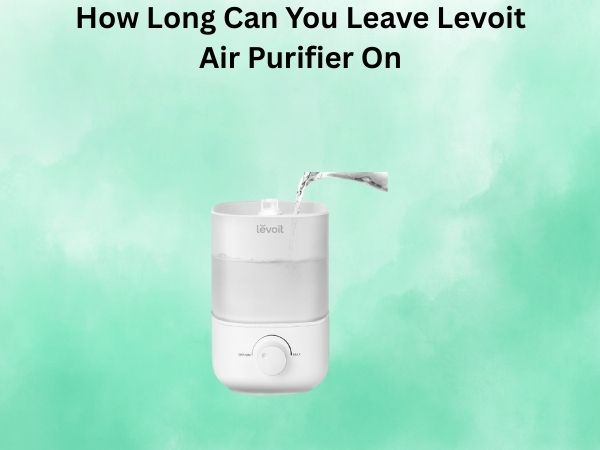
How Long Can You Leave Levoit Air Purifier On? A Complete Guide to 24/7 Operation
Are you wondering if it’s safe and practical to keep your Levoit air purifier running 24/7? Many users share concerns about potential energy costs or whether continuous operation might wear out the device. As more households invest in air purification for healthier indoor environments, understanding the optimal way to use these appliances becomes essential.
The short answer is yes—you can leave your Levoit air purifier running 24 hours a day, 7 days a week. However, there’s much more to learn about maximizing efficiency, extending the lifespan of your device, and making the most of your investment. Let me walk you through everything you need to know.
Understanding Levoit Air Purifiers: Built for Continuous Operation
Levoit has designed their air purifiers with continuous operation in mind. Unlike some household appliances that require rest periods, these devices are engineered to run indefinitely without causing damage to internal components. Think of it like a reliable workhorse that doesn’t need coffee breaks—it’s built to keep going.
The filtration systems, motors, and electrical components in Levoit purifiers are manufactured to handle extended use. This doesn’t mean you should never turn it off, but rather that the device won’t suffer from mechanical failure simply because you’re running it constantly.
Can You Really Leave It On All Day and Night?
The Safety Factor
From a safety perspective, leaving your Levoit air purifier running continuously is perfectly fine. The device has built-in safety features including automatic shut-off mechanisms and thermal protection. You won’t wake up to find your bedroom on fire or your purifier damaged from overuse. Levoit has conducted extensive testing to ensure their products can handle round-the-clock operation.
I understand the concern though. We’ve all heard stories about devices overheating or catching fire. But modern air purifiers, particularly from reputable brands like Levoit, incorporate multiple safety layers. Your purifier is designed to dissipate heat effectively and won’t overheat during continuous operation.
The Filter Replacement Reality
Here’s where the real story unfolds. While you can leave your purifier running indefinitely, the filters won’t last forever. In fact, continuous operation actually shortens filter lifespan compared to intermittent use. A filter that might last six months with eight hours of daily operation could need replacement every three to four months with 24-hour use.
Think of filters like the oil in your car engine. The longer the engine runs, the faster the oil degrades. Similarly, filters accumulate pollutants continuously, and their effectiveness diminishes over time. The good news? Levoit filters are affordable, and knowing when to replace them is straightforward.
How Long Do Levoit Filters Actually Last?
Standard Usage Patterns
Levoit provides general guidelines for filter longevity. Most HEPA filters are rated to last between 6 to 12 months under normal conditions. But what’s “normal”? This typically means running the purifier 6 to 8 hours daily in an average-sized room.
- Light usage (4 hours daily): 12 months or longer
- Standard usage (8 hours daily): 6 to 8 months
- Heavy usage (16 hours daily): 3 to 6 months
- Continuous usage (24 hours daily): 2 to 4 months
Factors Affecting Filter Life
Several variables influence how quickly your filters deteriorate. Indoor air quality plays a huge role. If you live near a busy highway, have multiple pets, or suffer from severe allergies, your filters will clog faster than someone living in a cleaner environment.
Humidity levels also matter. High humidity can cause filters to become damp, potentially reducing their efficiency. Similarly, smoking indoors or cooking heavily will dramatically shorten filter lifespan. It’s like comparing a swimmer in a dirty pool to one in a clean pool—the dirtier the water, the harder the work.
Energy Consumption: What Will Your Bill Look Like?
Calculating Your Operating Costs
Many people hesitate to run their purifiers continuously because they worry about electricity costs. Let’s put this into perspective. Most Levoit air purifiers consume between 30 to 60 watts during normal operation, depending on the model.
If we use a 45-watt average running 24 hours daily for 30 days, you’re looking at approximately 32.4 kilowatt-hours per month. At the average U.S. electricity rate of about 14 cents per kilowatt-hour, that’s roughly $4.50 monthly for running your purifier continuously. For many households, this is less than the cost of a single coffee.
Different Models, Different Consumption Rates
Levoit offers various models with different power ratings. Their smaller units like the Core 300 are more energy-efficient, while larger models designed for bigger spaces naturally consume more power. Check your specific model’s specifications on the packaging or Levoit’s official website to calculate exact costs.
The Sweet Spot: Balancing Efficiency and Longevity
Smart Operation Strategies
You don’t necessarily need to run your purifier 24/7 to maintain healthy indoor air. Here’s a practical approach that most air quality experts recommend:
- Run continuously during peak pollution hours (morning and evening)
- Use the sleep mode or lower fan speed during nighttime
- Set it to medium speed during the day when you’re home
- Turn it off when you’re away for extended periods
- Monitor air quality with your purifier’s built-in sensor if available
Using Smart Features Wisely
Many modern Levoit purifiers come equipped with smart features like air quality sensors and programmable timers. These aren’t just fancy additions—they’re practical tools for optimizing performance. A purifier with an air quality sensor will automatically increase fan speed when it detects rising pollutant levels and decrease speed when air is clean. This approach reduces wear on components while maintaining excellent air quality.
Sleep Mode and Noise Considerations
Running Your Purifier at Night
Most Levoit purifiers feature a dedicated sleep mode, which operates at the lowest fan speed. This is ideal for nighttime operation. In sleep mode, the device is nearly silent—many users report hearing only a soft whisper-like sound. Running your purifier in sleep mode all night is an excellent compromise between air quality and noise disruption.
During sleep, your body is particularly vulnerable to airborne pollutants affecting sleep quality. A quietly operating purifier ensures you breathe clean air without the distraction of noise.
Noise Levels at Different Speeds
Understanding noise output helps you decide when to use different settings. Sleep mode typically produces 24-30 decibels—quieter than a whisper. Standard medium operation might reach 45-50 decibels, similar to normal conversation. Maximum speed could reach 65-70 decibels. Knowing these levels helps you operate your purifier more strategically.
Environmental Impact of Continuous Operation
The Carbon Footprint Question
Running a device 24/7 naturally consumes more electricity, which raises questions about environmental responsibility. However, consider the full picture. If continuous operation is necessary to maintain healthy indoor air for someone with severe asthma or allergies, the health benefits likely outweigh the minimal environmental impact of the electricity consumption.
For most households, operating the purifier during waking hours and sleep mode at night represents a balanced approach that’s both environmentally conscious and health-protective.
Maintenance Requirements for Long-Term Operation
Regular Cleaning Beyond Filter Replacement
Continuous operation means your purifier needs more attention. The intake vents accumulate dust quickly, and the exterior casing can become noticeably dusty. Here’s what regular maintenance looks like:
- Check intake vents weekly and wipe them with a dry cloth
- Clean the exterior monthly with a slightly damp microfiber cloth
- Inspect for any unusual sounds or smells monthly
- Monitor filter replacement indicators closely
- Ensure adequate space around the unit for proper airflow
Preventing Premature Wear
The motor is the heart of your purifier. Ensuring adequate airflow prevents the motor from working too hard. Never block intake or output vents. Keep your purifier at least 6 inches away from walls and furniture. This simple practice significantly extends motor lifespan and maintains consistent performance.
When You Should Definitely Keep It Running
Health Conditions That Warrant Continuous Operation
Some situations absolutely justify 24/7 operation. If anyone in your household suffers from asthma, severe allergies, or respiratory conditions, continuous operation is medically prudent. Poor indoor air quality directly impacts these conditions, sometimes making the difference between a good night’s sleep and a night spent struggling to breathe.
Similarly, if you have a newborn or young children, you might feel more comfortable running the purifier around the clock. Their developing lungs are more vulnerable to air quality issues, and the minimal cost of continuous operation is worth the peace of mind.
When You Can Safely Turn It Off
Scenarios for Intermittent Use
If you’re concerned about energy consumption or want to extend filter life, you can definitely run your purifier less frequently. If you have relatively good indoor air quality and no respiratory issues, running your purifier during the day while you’re home is sufficient for most people.
When you’re away for days or weeks, there’s no benefit to running the purifier. The pollutants will stabilize over time, and you’ll return to a clean home when you restart it. Similarly, if you live in an area with excellent air quality and keep your home clean, you might only need to run your purifier a few hours daily or even every other day.
Comparing Levoit Models for Continuous Use
Best Models for 24/7 Operation
Not all Levoit purifiers are equally suited for continuous operation. Smaller, more efficient models like the Core 300 are perfect for continuous use due to their low power consumption and reliable performance. Larger models designed for bigger spaces naturally use more energy but are equally capable of running continuously.
If you’re considering purchasing a purifier specifically for continuous operation, choose a model with a good warranty and strong customer reviews for durability. Read what actual users say about long-term reliability rather than relying solely on specifications.
Troubleshooting Issues with Extended Operation
Common Problems and Solutions
If you run your purifier continuously, you might encounter some issues. A burning smell doesn’t necessarily mean disaster—it often indicates dust accumulating on the heating element. Simply turn it off, unplug it, and let it cool completely before cleaning the vents thoroughly.
Unusual noises developing over time typically indicate filter clogging. When filters become very full, the motor works harder to push air through, creating louder operation. This is your signal that filter replacement is overdue. Ignoring this can eventually stress the motor.
Reduced airflow despite recent filter replacement might indicate blocked intake vents. Check for dust buildup around the intake area. Sometimes pet hair or dust accumulates in ways that aren’t immediately obvious, restricting airflow and reducing efficiency.
Cost-Benefit Analysis: Is Continuous Operation Worth It?
Breaking Down Your Investment
Let’s do some actual math. A quality Levoit purifier costs between $100 and $300. Filters cost roughly $30 to $60 each. With continuous operation, you’ll replace filters every 2 to 4 months, costing about $90 to $180 annually in filters.
Electricity costs roughly $50 to $60 annually for continuous operation. So your total annual operating cost is approximately $140 to $240, or less than $20 monthly on average. For many households, this is a worthwhile investment in health and air quality, especially compared to the cost of treating respiratory issues caused by poor indoor air quality.
The Verdict: Smart, Informed Operation
You absolutely can leave your Levoit air purifier running continuously without damaging the device. The purifier is engineered for this purpose and won’t suffer mechanical failure from extended operation. However, continuous operation does mean more frequent filter replacements and slightly higher electricity costs.
The best approach is matching operation to your actual needs. If you have health concerns related to air quality, run it continuously or use sleep mode at night. If you have good indoor air quality and no health issues, use it during waking hours. Most people find a middle ground works best—moderate daily use supplemented with occasional continuous operation during high-pollen seasons or when indoor air quality dips.
Conclusion
The question of how long you can leave your Levoit air purifier on has a straightforward answer: as long as you want. These devices are built for continuous operation and won’t fail simply from running 24/7. However, practical considerations around filter replacement, electricity costs, and noise should guide your decision about how often to actually run it.
Your specific situation—including health conditions, indoor air quality, budget, and environmental concerns—should determine your operating schedule. Someone with severe asthma will benefit from continuous or near-continuous operation. Someone in a clean environment with no respiratory issues can run it intermittently. Most households fall somewhere in between, finding that running the purifier during daytime hours and using sleep mode at night provides the best balance.
The key is making an informed decision rather than leaving it to chance. Understand that filters will need more frequent replacement with continuous use, factor in the modest electricity costs, and prioritize your family’s health and comfort above all else. Levoit purifiers are reliable, affordable tools for improving indoor air quality. Used wisely, they’ll serve your household well for years to come.
Frequently Asked Questions
Is it safe to leave my Levoit air purifier running 24 hours a day?
Yes, it’s completely safe. Levoit air purifiers are specifically designed and tested for continuous 24-hour operation. The device includes multiple safety features including thermal protection and automatic shut-off mechanisms. There’s no risk of fire, overheating, or mechanical damage from running it continuously. However, you should be aware that filters will need replacement more frequently with constant use.
How much will my electric bill increase if I run my Levoit purifier constantly?
Most Levoit purifiers consume between 30 to 60 watts during operation. Running a 45-watt purifier continuously costs approximately $4 to $5 per month, or roughly $50 to $60 annually. This is a minimal addition to most household electricity bills and less than the cost of a single premium coffee monthly. Check your specific model’s wattage on the packaging for precise calculations.
How often will I need to replace filters with 24/7 operation?
With continuous operation, expect to replace your filters every 2 to 4 months, compared to 6 to 12 months with standard use. This means annual filter costs of $90 to $240 depending on the filter type and your indoor air quality. Poor air quality, pets, and smoking accelerate filter clogging, requiring even more frequent replacements.