How Long to Run a Rainbow Air Purifier: A Complete Guide to Optimal Usage
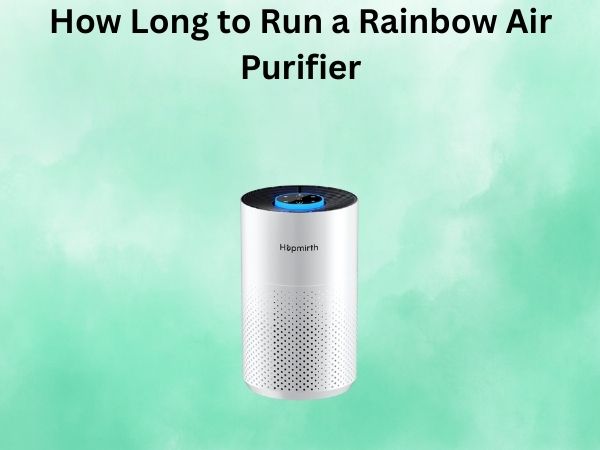
So, you’ve got a Rainbow air purifier, and now you’re asking: how long should it run for peak performance? It’s a very common query, and the truth is, there isn’t a single, straightforward answer. This guide will clarify everything you need to understand for truly effective usage of your Rainbow system.
Understanding Your Rainbow Air Purifier’s Purpose
Before we dive into the specifics of runtime, let’s talk about what your Rainbow air purifier actually does. Think of it like a bouncer at an exclusive club—it’s constantly working to keep unwanted particles from entering your breathing space. Your Rainbow unit uses water as a filter, which is pretty ingenious when you think about it. The water captures dust, allergens, and other airborne particles, making your indoor air cleaner and fresher.
Now, the question of how long to run it depends on several factors unique to your situation. Your room size, air quality, the number of people living in your home, and whether you have pets all play a role in determining the ideal runtime.
Factors That Determine How Long You Should Run Your Rainbow Air Purifier
Room Size and Air Circulation Needs
The first thing to consider is the size of the room where you’re using your Rainbow air purifier. A smaller bedroom requires significantly less filtration time than a large living room or open-concept space. If you’re purifying a small 200-square-foot room, you might need far less runtime than someone tackling a 500-square-foot area.
The general rule of thumb is that your air purifier should cycle through the room’s air multiple times per hour. Most experts recommend at least 3 to 5 complete air changes per hour for optimal results. This means if your room holds 1,000 cubic feet of air, your purifier should be processing 3,000 to 5,000 cubic feet of air hourly.
Indoor Air Quality Assessment
Your current indoor air quality is another crucial factor. Are you dealing with heavy pollution from traffic outside? Do you live in an area prone to wildfires or dust storms? These external factors mean you might need longer runtime to combat the influx of particles entering your home.
If you have poor air quality, you might benefit from running your Rainbow air purifier continuously or for extended periods. On the other hand, if you live in a relatively clean environment, shorter daily sessions might be sufficient.
Allergen Levels in Your Home
Are you or someone in your family dealing with allergies or asthma? If so, you’ll want to run your air purifier longer and more frequently. Allergens like pollen, dust mites, and pet dander don’t just disappear on their own—they need active removal through consistent air filtration.
Think of allergen management like keeping a clean kitchen. You wouldn’t wash your dishes once a week and expect them to stay clean the whole time. You need consistent effort to maintain the results you want.
Pet Ownership and Household Activity
If you have pets, your air purifier is earning its keep. Pets shed hair, dander, and introduce various particles into your home environment constantly. Running your Rainbow air purifier for longer periods helps manage the additional load these furry friends create.
Similarly, if you have a busy household with lots of people moving around, cooking, and generating dust and particles, your air purifier will need more runtime to keep up with the demand.
Recommended Runtime Guidelines for Different Scenarios
Continuous Operation vs. Scheduled Runtime
Some people leave their air purifiers running 24/7, while others prefer to run them on a schedule. There’s actually merit to both approaches. Continuous operation ensures your air stays consistently clean, but it does consume more electricity and require more frequent water changes.
A scheduled approach might involve running your Rainbow air purifier for 8 to 12 hours daily, perhaps during peak waking hours or while you’re sleeping. This approach balances air quality with energy efficiency.
For Allergy Sufferers
If allergies are a concern, I’d recommend running your Rainbow air purifier for at least 12 to 16 hours per day. You might want to keep it running throughout your waking hours and during sleep to ensure you’re breathing clean air when you’re most vulnerable.
For General Air Quality Maintenance
In a typical home with no major air quality issues, running your Rainbow air purifier for 4 to 8 hours daily can be sufficient. This gives you decent air circulation without excessive energy consumption or water usage.
For Heavily Polluted Environments
If you live in an area with significant outdoor pollution or you’ve recently had construction work, consider running your air purifier for 12 to 24 hours daily. Some people in severely affected areas run them continuously, which is perfectly reasonable.
Energy Consumption and Operational Costs
Let’s be practical—running an appliance comes with energy costs. Your Rainbow air purifier does consume electricity, and the longer you run it, the higher your power bill becomes. However, the cost is usually quite reasonable compared to the health benefits you’re gaining.
A typical Rainbow air purifier uses between 50 to 200 watts depending on the model and speed setting. If you run it 8 hours daily at an average consumption of 100 watts, you’re looking at roughly 800 watt-hours or 0.8 kilowatt-hours per day. At an average electricity rate, this translates to just pennies per day.
Most people find this investment minimal compared to the improvement in air quality and respiratory health.
Water Changes and Maintenance During Runtime
How Runtime Affects Water Maintenance
Here’s something important: the longer you run your Rainbow air purifier, the more frequently you’ll need to change the water. The water is what captures all those particles, and it gets dirty remarkably fast when you’re actively filtering air.
If you’re running your purifier continuously, you should expect to change the water every 1 to 2 days. With moderate daily use of 8 to 12 hours, you might change it every 3 to 5 days. The key is to check the water regularly—when it looks visibly dirty or discolored, it’s time for a change.
Signs Your Water Needs Changing
- The water has turned brown, gray, or noticeably darker
- You notice a distinct odor coming from the unit
- The air flow seems reduced
- Particles are visible floating in the water basin
Maintaining the water quality is essential because dirty water loses its ability to filter effectively. It’s like trying to clean something with a dirty rag—you’re just spreading the problem around rather than solving it.
Seasonal Variations in Air Purifier Usage
Summer Considerations
During summer months, outdoor air pollution and pollen counts are often higher. Many people find they need to run their air purifiers longer during these seasons. Additionally, if you’re keeping windows open for fresh air, you’re inviting more outdoor particles inside, which justifies increased runtime.
Winter Challenges
Winter presents different challenges. While outdoor pollution might decrease, indoor air becomes more stagnant because people keep windows closed. Heating systems can dry out air and concentrate indoor pollutants. Running your Rainbow air purifier for extended periods during winter helps address these issues.
Spring and Fall Transitions
Spring and fall typically feature peak allergy seasons with high pollen counts. If you suffer from seasonal allergies, these are prime times to increase your air purifier runtime. You might even want to run it continuously during these months if pollen levels are severe in your area.
Optimizing Your Rainbow Air Purifier Schedule
Creating a Daily Runtime Plan
Rather than guessing, let me help you create a structured plan. Start by identifying your highest-priority times for clean air. For most people, this includes sleeping hours when you’re in an enclosed bedroom, and peak waking hours when you’re most active.
A practical schedule might look like this: run your air purifier for 2 to 3 hours in the morning while you’re getting ready, off during the afternoon when you might be away, and then 8 to 10 hours overnight while sleeping. This ensures clean air during your most vulnerable times without excessive runtime.
Using Speed Settings Strategically
Most Rainbow air purifiers come with multiple speed settings. Running at high speed uses more energy and processes air faster, while low speed is quieter and more energy-efficient. Consider using high speed during peak hours and low speed during sleeping hours or when you’re away.
Monitoring and Adjusting
Pay attention to how you feel after different runtime durations. Do you notice improvements in breathing, fewer allergy symptoms, or better sleep quality? These real-world indicators are often more valuable than guidelines. If you’re not noticing improvements, increase your runtime. If you’re satisfied with air quality but finding the water needs changing constantly, you might be running it more than necessary.
Common Mistakes to Avoid
Running It Continuously Without Maintenance
Some people assume that if they run their air purifier 24/7, it’ll work better. That’s only true if you’re changing the water frequently. Neglecting water changes while running continuously defeats the entire purpose.
Turning It Off Completely During High-Pollution Days
It seems counterintuitive, but some people actually run their purifiers less on days with poor outdoor air quality. This is backwards logic. These are exactly the days you should increase runtime to combat the influx of particles.
Ignoring Room-Specific Needs
Just because your bedroom is clean doesn’t mean your living room is. Different rooms accumulate different particle loads. Rather than one-size-fits-all thinking, consider which rooms need the most filtration and adjust accordingly.
The Bottom Line on Rainbow Air Purifier Runtime
So how long should you actually run your Rainbow air purifier? The honest answer is: it depends on your specific situation. However, most people benefit from running their air purifier 8 to 16 hours daily, with adjustments based on air quality, allergies, pets, and seasonal factors.
If you’re dealing with significant allergies or poor air quality, don’t hesitate to run it longer or even continuously. The health benefits typically far outweigh the modest energy costs. If you’re looking for general air maintenance in a relatively clean home, 6 to 8 hours daily is usually sufficient.
The key is to stay attentive to how the unit is performing, change the water regularly, and adjust your usage based on real-world results and seasonal changes. Your air purifier is an investment in your health, and giving it appropriate runtime ensures you get maximum benefit from that investment.
Conclusion
Running your Rainbow air purifier effectively isn’t about following a rigid formula—it’s about understanding your unique needs and responding accordingly. The factors we’ve discussed, from room size and air quality to allergies and pets, all play important roles in determining optimal runtime. There’s no wrong answer as long as you’re being thoughtful about your usage patterns and maintaining the unit properly through regular water changes. Start with the recommendations provided, monitor how you feel, and adjust from there. Your Rainbow air purifier is a powerful tool for improving your indoor air quality, and with the right runtime approach, you’ll enjoy cleaner, fresher air throughout your home. Remember to check your water regularly, stay aware of seasonal changes, and listen to what your body is telling you about air quality. With these practices in place, you’ll maximize the benefits of your investment and breathe easier knowing you’re taking active steps toward healthier indoor air.
Frequently Asked Questions
Can I run my Rainbow air purifier 24 hours a day?
Yes, you can run your Rainbow air purifier continuously if you’d like. However, keep in mind that this will require changing the water more frequently—typically every 1 to 2 days instead of every few days. You’ll also see a noticeable increase in your electricity bill, though it’s usually still quite modest. Running continuously is ideal if you have severe allergies, live in a heavily polluted area, or want the absolute best air quality possible.
How do I know if I’m running my air purifier long enough?
The best way to assess if you’re running it long enough is to pay attention to physical symptoms. If you notice fewer allergy symptoms, better sleep quality, improved breathing, or less dust accumulation in your home, your current runtime is likely sufficient. If you’re still experiencing problems despite running it regularly, try increasing the runtime and reassessing after a week or two.
Does running my Rainbow air purifier longer wear it out faster?
Extended runtime does mean your air purifier is working harder, but Rainbow units are built to handle continuous operation. The main wear factor is actually the water basin and any moving parts, but these are designed for regular use. As long as you’re maintaining the unit properly by changing water regularly and cleaning it according to manufacturer recommendations, extended runtime shouldn’t significantly shorten the unit’s lifespan.
Is it better to run my air purifier on high speed or low speed?
Running on high speed filters air faster but uses more energy and creates more noise. Running on low speed is quieter and more energy-efficient but filters more slowly. The best approach is usually a hybrid—use high speed during your most important times (like sleeping hours) and switch to low speed during quieter periods or when you’re away. This balances efficiency with energy conservation.
Should I run my Rainbow air purifier if I’m not home?
Whether to run your air purifier while you’re away depends on your situation. If you’re only gone for a few hours, you might turn it off to save energy. However, if you’re gone all day and particles are accumulating, running it while away ensures clean air when you return. Many people use timers to run their purifiers during predictable away periods, creating fresh air without unnecessary continuous operation.
“`