How Often Do You Need to Run an Air Purifier: A Complete Guide
Do you ever find yourself pondering the ideal runtime for your air purifier? Perhaps you’re concerned about whether you’re underutilizing it or, conversely, overusing it and racking up your energy bill. It’s a common dilemma! Many households purchase air purifiers hoping for improved indoor air quality, yet they often struggle to determine the most effective operating schedule. This guide is here to help you navigate these uncertainties and discover the perfect balance for your home.
Understanding Your Air Purifier’s Role in Your Home
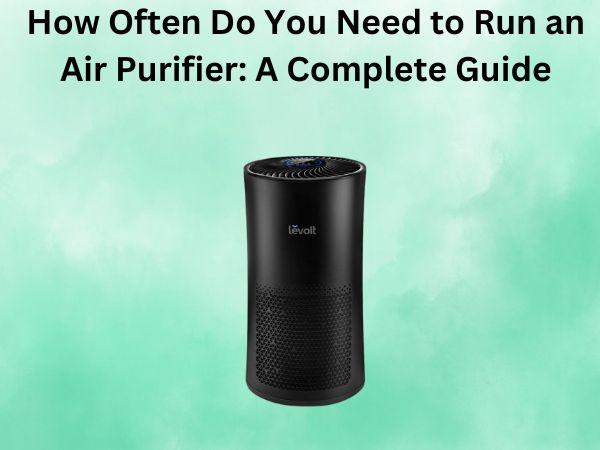
Before we dive into how often you should run your air purifier, let’s talk about what it actually does. Think of an air purifier as a bouncer at a nightclub—its job is to filter out the unwanted guests (pollutants, allergens, and contaminants) and let the good stuff (clean air) pass through. Your air purifier works by drawing in air from your room, passing it through various filters, and releasing purified air back into the space.
The effectiveness of your air purifier depends on several factors, including the quality of the filters, the size of the room, and how often you actually run the device. It’s not a one-size-fits-all situation, which is why understanding your specific needs is crucial.
Factors That Determine How Often You Should Run Your Air Purifier
Not everyone needs to run their air purifier the same way. Your usage depends on multiple variables that are unique to your living situation. Let’s explore what matters most.
Air Quality in Your Area
The air quality outside your home is the first big factor to consider. If you live in an area with high pollution levels, frequent wildfires, or significant industrial activity, you’ll want to run your air purifier more frequently. On the other hand, if you live in a rural area with naturally clean air, you might get away with running it less often.
You can check your local air quality index (AQI) through websites and apps that provide real-time data. When the AQI is high, it’s a clear signal to boost your air purifier usage.
The Size of Your Room
Room size plays a significant role in determining runtime. A small bedroom needs less filtration time than a large living room or open-plan apartment. If your air purifier is rated for a certain square footage, using it in a smaller space means it can clean the air faster. Conversely, if your purifier is undersized for your space, you’ll need to run it continuously or for much longer periods.
Presence of Allergens and Pets
Do you have pets? Are you or your family members allergic to dust, pollen, or pet dander? These factors should directly influence how often you run your purifier. If you have cats or dogs in your home, you’re dealing with constant shedding and dander, which means your air purifier should be working harder and longer.
People with allergies or asthma should prioritize running their purifier more frequently, especially during allergy season or when outdoor pollen counts are high.
Your Home’s Ventilation System
Some homes have better natural ventilation than others. If you open windows frequently or your home has an excellent HVAC system, you might need less intense air purifier usage. However, if you live in a tightly sealed apartment or a home without good air circulation, your purifier will need to work harder and longer to maintain clean air quality.
Recommended Running Schedules for Different Scenarios
Now that we understand the factors involved, let’s look at practical recommendations for different situations. This is where the rubber meets the road.
For Allergy and Asthma Sufferers
If you struggle with allergies or asthma, consider running your air purifier for at least 8 to 12 hours per day. Many experts recommend running it continuously during high pollen season or when your symptoms are active. During times when allergen levels are lower, you might reduce usage to 4 to 8 hours daily.
The key here is consistency. Regular, prolonged use provides more stable relief than sporadic operation.
For Homes Without Specific Health Concerns
If you don’t have allergies or respiratory issues, you can be more flexible. Running your air purifier for 4 to 6 hours daily is often sufficient to maintain decent air quality. You could run it during the day or throughout the night, depending on your schedule and preferences.
For Pet Owners
Pet hair and dander require more aggressive filtration. Pet owners should aim for 6 to 10 hours of daily operation. If your pets spend most of their time in one room, focus your air purifier usage there. Some people prefer running their purifier continuously in rooms where pets spend the most time.
For Individuals in High-Pollution Areas
Living near highways, industrial zones, or areas with frequent wildfires means you should run your air purifier much more frequently. Many people in these situations run their purifiers 12 to 24 hours daily, or continuously during peak pollution days. This is an investment in your family’s health, and extended usage is justified in these circumstances.
Can You Run Your Air Purifier 24/7?
Here’s a question that comes up often: is it okay to leave your air purifier running all the time? The short answer is yes, most modern air purifiers are designed to run continuously without damage. However, there are some considerations to keep in mind.
Energy Consumption and Costs
Running your air purifier around the clock will increase your electricity bill. The amount depends on the wattage of your device. A typical air purifier uses between 30 to 100 watts. Running a 50-watt purifier for 24 hours daily costs roughly $40 to $60 annually, depending on your local electricity rates. That’s not breaking the bank, but it’s worth considering.
Filter Replacement Frequency
Continuous operation means your filters will need replacement more frequently. If you run your purifier 24/7, you might need to change filters every 3 to 6 months instead of every 6 to 12 months. This adds to your maintenance costs over time.
When Continuous Operation Makes Sense
If you have severe allergies, asthma, or live in a severely polluted area, running your purifier continuously might be the best choice. The health benefits often outweigh the increased energy and maintenance costs.
Optimal Times to Run Your Air Purifier
If you’re not running your purifier 24/7, when should you actually use it? Let’s discuss strategic timing.
Night Time Operation
Many people prefer running their air purifier at night. You’re in your bedroom for 7 to 8 hours, so concentrating filtration during sleep makes sense. Running the purifier at night also means you’re less likely to notice any noise it produces. Just make sure your air purifier isn’t too loud for comfortable sleeping.
During Peak Pollution Hours
Air quality typically worsens during rush hour traffic and late afternoon. If you live near a busy road, running your purifier during these peak hours can help combat localized pollution spikes. Check your local AQI readings to identify your area’s worst times.
Allergy Season Intensification
Spring and fall are typically allergy seasons. Increase your air purifier usage during these months when pollen counts are naturally higher. You can dial back operation during winter and summer when allergen levels drop.
Signs You Need to Run Your Air Purifier More Often
Your own observations can tell you whether your current schedule is adequate. Here are some warning signs that you should increase usage.
- You notice increased dust accumulation on surfaces despite regular cleaning
- Your allergies or asthma symptoms aren’t improving as expected
- You smell odors or notice stuffiness in your rooms
- Your eyes feel dry or irritated indoors
- Family members are coughing or experiencing respiratory discomfort
- Your home smells musty or stale
Any of these signs suggests your current air purifier usage isn’t sufficient for your needs. It might be time to extend runtime or consider upgrading to a more powerful unit.
Checking Your Air Purifier’s Efficiency Rating
Understanding your purifier’s Clean Air Delivery Rate (CADR) helps determine ideal runtime. The CADR tells you how much clean air your device produces per minute. Higher CADR ratings mean faster air cleaning, which can allow shorter operating times in the same space.
For example, a high-efficiency purifier with a CADR of 300 can clean a medium room quickly, while a lower-rated purifier with a CADR of 100 needs significantly longer to achieve the same result. Always check your product specifications to understand these ratings.
Maintaining Your Air Purifier for Best Results
How often you run your air purifier is only half the equation. Proper maintenance ensures it works efficiently regardless of usage frequency.
Regular Filter Checks
Check your filters monthly to see if they’re becoming clogged. A dirty filter forces your purifier to work harder and reduces effectiveness. Depending on usage and air quality, you might need to replace filters every 3 to 12 months.
Optimal Placement
Where you place your air purifier affects how well it works. Keep it away from walls and corners. Central placement in a room allows for better air circulation and faster filtering. Avoid placing it near doors or windows where outdoor air can interfere with its operation.
Regular Cleaning
While filters do the heavy lifting, keep the exterior and intake vents clean. Dust buildup on the machine reduces efficiency. Wipe down your purifier weekly with a damp cloth.
The Smart Approach: Seasonal Adjustments
Rather than using a fixed schedule year-round, consider adjusting your air purifier usage seasonally. This approach balances health needs with energy efficiency and cost.
During winter, when heating systems can dry out the air and people spend more time indoors, running your purifier 6 to 10 hours daily makes sense. Spring requires increased usage due to pollen. Summer pollen decreases, so you might reduce to 4 to 6 hours. Fall brings another spike in allergens, so increase again.
Additionally, check your local AQI regularly and adjust accordingly. A sudden pollution event or wildfire in your region warrants temporary increases in usage.
Does Room Size Matter More Than You Think?
Yes, absolutely. A 300-square-foot bedroom and a 1,000-square-foot living room require vastly different purification strategies. The industry standard is that an air purifier should clean the entire room’s air at least four times per hour (ACH of 4).
To calculate if your purifier meets this standard, multiply your room’s square footage by the ceiling height to get cubic feet. Multiply that by 4 to get the cubic feet per hour (CFM) needed. Compare this to your purifier’s actual CFM rating. If the numbers don’t match, you either need longer runtime or a more powerful unit.
Conclusion
So how often do you need to run your air purifier? The honest answer is: it depends on your unique circumstances. There’s no universal rule that works for everyone. However, using the guidelines we’ve discussed, you can determine what works best for your situation.
For most people without specific health concerns, 4 to 6 hours daily is a reasonable starting point. If you have allergies, asthma, pets, or live in a polluted area, aim for 8 to 12 hours daily or continuous operation. Always monitor your air quality and adjust accordingly.
Remember that running your air purifier is an investment in your health and well-being. While energy costs and filter replacements are considerations, the benefits of breathing cleaner air far outweigh these expenses. Pay attention to how you and your family feel, and don’t hesitate to increase usage if symptoms or air quality concerns arise.
Start with a reasonable schedule, monitor your results, and adjust as needed. Your optimal air purifier routine will become clear once you understand your home’s specific needs and your family’s health requirements. Take the time to get it right, and you’ll enjoy the benefits of cleaner, healthier air every single day.
Frequently Asked Questions
Is it expensive to run an air purifier all day and night?
Running an air purifier continuously costs between $40 to $80 annually for most households, depending on the device’s wattage and your local electricity rates. While this adds to your energy bill, it’s a relatively small cost compared to the health benefits of breathing clean air. If you’re concerned about expenses, run your purifier during peak pollution hours or allergy season instead of continuously.
Can running an air purifier too much damage it?
No, modern air purifiers are built to handle extended operation. They can safely run 24/7 without mechanical damage. However, running it continuously will deplete your filters faster, requiring more frequent replacements. This is the main trade-off to consider, not equipment damage.
How do I know if my air purifier is actually working?
Several signs indicate your purifier is working effectively: reduced dust accumulation, improved allergy symptoms, fresher-smelling air, and cleaner surfaces. You might also notice the filter becoming darker over time, indicating it’s capturing pollutants. If you have access to an air quality monitor, you can measure particle levels before and after running your purifier to confirm its effectiveness.
Should I run my air purifier with windows open?
It’s not ideal. Opening windows introduces outdoor pollutants that your purifier then has to work harder to filter. If you need fresh outdoor air, run your purifier longer to compensate. Better yet, keep windows closed while using your purifier, and rely on the device for air circulation rather than natural ventilation.
What’s the difference between running my air purifier on low versus high speed?
High speed cleans air faster but uses more energy and produces more noise. Low speed is quieter and more economical but takes longer to clean the air. If you have time flexibility, use low speed overnight and high speed during peak pollution hours or high-allergen periods. Adjust based on your current air quality needs.
“`