How Many Plants Needed to Purify Air: A Complete Guide to Indoor Air Quality
Ever noticed how much lighter the air feels in a plant-filled room? There’s definitely a special connection we have with indoor greenery. But for those serious about breathing cleaner, the big question is: what’s the magic number of plants needed to genuinely improve your air quality at home?
The answer isn’t as straightforward as you might think, and that’s what we’re diving into today. I’m going to walk you through everything you need to know about using plants as natural air purifiers, from the science behind it all to the practical steps you can take right now.
Understanding How Plants Purify Air
Before we talk numbers, let’s understand the mechanism. Plants don’t just look pretty sitting in your living room—they’re actually tiny air-filtering machines working around the clock. When plants photosynthesize, they take in carbon dioxide and release oxygen. But that’s just the beginning of their air-purifying superpowers.
Think of plant leaves as nature’s air filters. They absorb harmful substances through tiny pores called stomata. These pollutants then move through the plant’s vascular system where beneficial microorganisms in the soil break them down. It’s like having a biological air purifier running continuously without electricity.
The Science of Phytoremediation
The technical term for this process is phytoremediation, which sounds fancy but essentially means using plants to clean up contaminants. Research from NASA and other institutions has shown that certain plants can remove volatile organic compounds (VOCs) like formaldehyde, benzene, and xylene from the air.
These VOCs come from everyday items in your home—your furniture, cleaning products, new carpeting, and even paints. Over time, they accumulate and can affect your health, causing everything from headaches to respiratory issues.
The NASA Study: What It Really Tells Us
You’ve probably heard about the famous NASA study from 1989 that found plants could purify air in sealed space stations. While this research was groundbreaking, many people misunderstand what it actually proved.
The study showed that specific plants could remove certain pollutants under controlled laboratory conditions. However, here’s the catch: those conditions were far more extreme than your average living room. The space was sealed, the air wasn’t being exchanged naturally, and the plant-to-room ratio was much higher than what most homes have.
Translating Lab Results to Real Life
So what does this mean for your bedroom or office? Well, the NASA findings give us direction, but they’re not a perfect blueprint for home use. In real homes with windows that open, doors that close and open constantly, and air circulation systems running, the results are different.
Your living space isn’t a sealed chamber, so you’re getting some natural air exchange happening continuously. This is both good and bad—good because fresh air is entering, bad because it means plants need to work harder to make a noticeable difference in a room where air is constantly being replaced.
How Many Plants Do You Actually Need?
Let me give you the real answer: there’s no magic number that works for everyone. The amount of plants you need depends on several factors working together like ingredients in a recipe.
Factors That Determine Plant Quantity
- Room Size: A small bedroom needs far fewer plants than an open-concept living area. Generally, you’re looking at needing one plant per 100 square feet of floor space as a starting point, but this is just a baseline.
- Plant Type: Some plants are air-purifying superstars while others barely make a dent. A snake plant or spider plant will outperform a decorative fern in most cases.
- Plant Size and Maturity: A small six-inch potted plant won’t purify air the same way a full-grown plant with extensive foliage will. Mature plants have more surface area for air exchange.
- Ventilation Rates: If your room has excellent air circulation and you open windows regularly, you might need more plants to see an effect since outside air is constantly replacing indoor air.
- Pollutant Concentration: A room with heavy smokers or new furniture will have higher VOC levels, requiring more plants to make a meaningful difference.
- Air Quality Goals: Are you trying to achieve minimal improvement or significant purification? Your expectations will influence how many plants you need.
The General Recommendation
Most air quality experts suggest having 15 to 18 medium to large houseplants in a typical 1,800 square foot home to notice a measurable improvement in air quality. However, even just having 6 to 8 well-chosen plants strategically placed can help reduce indoor pollutants, especially in specific rooms where you spend the most time.
Best Air-Purifying Plants to Keep in Your Home
Not all plants are created equal when it comes to air purification. Let me introduce you to some champions that deserve a spot in your home.
Snake Plant (Sansevieria)
This is my personal favorite because it’s nearly impossible to kill. Snake plants work even at night, which is unusual. Most plants only purify air during the day when photosynthesis occurs, but snake plants continue their work 24/7. They remove formaldehyde, benzene, xylene, and trichloroethylene. Plus, they’re incredibly low-maintenance, making them perfect for beginners or busy people.
Spider Plant (Chlorophytum comosum)
Spider plants are like the friendly neighbor of houseplants—everyone likes them and they actually do their job well. They’re excellent at removing formaldehyde and xylene. These plants are also prolific growers, meaning they’ll give you baby plants constantly, so you can multiply your air-purifying team without spending extra money.
Pothos (Devil’s Ivy)
Don’t let the ominous name fool you—pothos is a gentle air cleaner that removes formaldehyde, benzene, and xylene. It’s a trailing plant that looks beautiful cascading from shelves or hanging baskets. It’s also incredibly forgiving if you forget to water it occasionally.
Boston Fern
Boston ferns are moisture-loving plants that excel at removing formaldehyde. They prefer humid environments, so placing one in your bathroom could kill two birds with one stone—improving air quality and giving the fern the humidity it loves. The only downside is they need more attention than some other plants on this list.
Peace Lily
Peace lilies are elegant plants that remove ammonia, benzene, formaldehyde, and xylene. What’s really cool about them is that they tell you when they need water by drooping slightly. They’re excellent for offices or bedrooms where you want both aesthetics and functionality.
Rubber Plant (Ficus elastica)
These sturdy plants are known for their large, glossy leaves that provide ample surface area for air purification. They remove formaldehyde effectively and add a tropical feel to any space. They do need bright, indirect light and occasional pruning, but they’re worth the effort.
Bamboo Palm
If you want a larger statement plant that purifies air, the bamboo palm is your answer. It removes formaldehyde, benzene, and trichloroethylene. Just be aware that it needs room to grow, so it’s better suited for living rooms or large offices rather than small bedrooms.
Strategic Placement for Maximum Air Purification
Here’s something many people overlook: where you place your plants matters almost as much as how many you have. It’s not enough to just scatter them randomly throughout your home.
Bedroom Placement Strategy
Your bedroom is where you spend roughly one-third of your day, often in a sealed environment. This is prime real estate for air-purifying plants. I’d recommend placing 3 to 4 medium-sized plants in a typical bedroom. Position them near corners where air circulation tends to be slower, helping those areas benefit from purification.
Living Room and Common Areas
Open-concept living areas need more plants because air circulates quickly. Place plants at varying heights—some on shelves, some on the floor, some hanging—to maximize coverage. Think of it like creating a network of air filters throughout the space.
Kitchen Considerations
Kitchens produce particulates and VOCs from cooking. Placing resilient plants like pothos or spider plants near the kitchen can help capture some of these pollutants before they spread throughout your home. Just avoid placing delicate plants directly above the stove where heat and grease might damage them.
Near Pollution Sources
If you have a printer or office equipment that emits formaldehyde, place an air-purifying plant nearby. Same goes for areas near furniture, new carpeting, or where you store cleaning supplies. Putting plants at the source of pollution makes them work more efficiently.
Additional Factors That Affect Air Purification Effectiveness
Plant count is just one piece of the puzzle. Several other factors influence how well plants can improve your indoor air quality.
Plant Health and Vigor
A struggling plant with yellowing leaves isn’t going to purify air effectively. You need healthy, vibrant plants with plenty of green foliage. This means providing adequate light, proper watering, and occasional fertilization. Think of it like this: you wouldn’t expect a tired, exhausted person to do their best work, and plants are the same way.
Soil Quality Matters
Here’s something fascinating—the soil itself plays a crucial role in air purification. The microorganisms in potting soil actually break down harmful substances. Using high-quality potting soil and changing it periodically ensures these beneficial organisms are active and working.
Light Conditions
Plants photosynthesize using light energy, so the lighting in your space affects their purification capacity. A plant in a dark corner will purify less effectively than the same plant in bright, indirect light. If your home lacks natural light, consider adding grow lights to maximize plant performance.
Temperature and Humidity
Most houseplants prefer temperatures between 65 and 75 degrees Fahrenheit. Extreme temperatures slow down their metabolic processes, which means less air purification. Humidity also matters—plants work more efficiently when humidity levels are moderate. Dry air can stress plants and reduce their effectiveness.
Combining Plants with Other Air Quality Solutions
Here’s my honest take: while plants are wonderful, they work best as part of a comprehensive approach to indoor air quality. They’re not a silver bullet, but they’re an excellent component of a larger strategy.
HEPA Filters and Air Purifiers
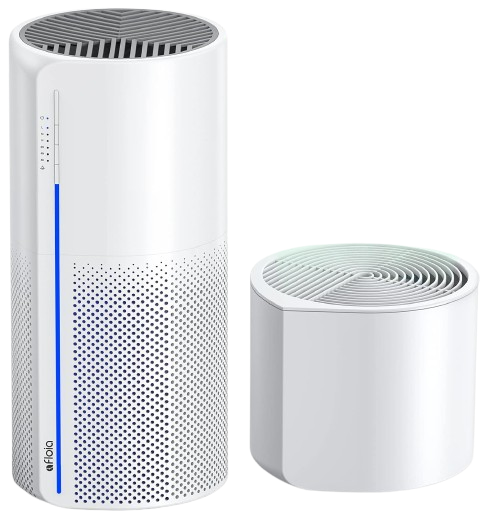
Using mechanical air purifiers alongside plants creates a synergistic effect. Air purifiers handle particulates and some VOCs quickly, while plants work continuously over time to reduce pollutants. Together, they’re more effective than either alone.
Proper Ventilation
Opening windows regularly, using exhaust fans in bathrooms and kitchens, and ensuring your HVAC system is well-maintained all contribute to better air quality. Plants enhance these efforts but don’t replace them.
Reducing Pollutant Sources
Using natural cleaning products, choosing low-VOC paints and furniture, and avoiding smoking indoors reduces the overall burden on your plants. It’s easier for plants to maintain good air quality than to constantly fight against heavy pollution.
Common Misconceptions About Plants and Air Purification
Let me clear up some myths I’ve heard repeatedly from people trying to improve their indoor air.
Myth: One Plant Purifies a Whole House
This is simply not true. A single plant, no matter how large or robust, cannot effectively purify the air in an entire home. Air purification is a cumulative effort—you need multiple plants working together.
Myth: More Plants Always Equals Better Air
While more plants generally help, there are diminishing returns. Beyond a certain point, adding more plants provides minimal additional benefit. Focus on having healthy, well-maintained plants rather than just accumulating as many as possible.
Myth: Any Decorative Plant Will Purify Air
Not all plants are effective air purifiers. Some are primarily decorative. Stick with the proven air-purifying varieties I mentioned earlier for the best results.
Practical Steps to Start Your Air-Purifying Plant Journey
Ready to actually do something about your indoor air quality? Here’s a practical action plan.
Step One: Assess Your Needs
Calculate your home’s square footage and identify areas where you spend the most time. Prioritize bedrooms and living areas first. Consider what pollutants are likely present—furniture off-gassing, cooking fumes, cleaning product storage, etc.
Step Two: Choose Your Plants Wisely
Select plants based on three criteria: their air-purifying ability, how much light your space gets, and how much maintenance you’re willing to provide. If you’re a plant killer, go with hardy options like snake plants. If you enjoy plant care, you have more flexibility.
Step Three: Start Small and Build
Don’t feel pressured to fill your home with 15 plants overnight. Start with 3 to 5 healthy plants in key locations. Get them established and thriving, then gradually add more. This approach is more sustainable and less overwhelming.
Step Four: Maintain Your Plants Properly
Healthy plants purify better than struggling ones. Learn the watering and lighting requirements for each plant type. Use quality potting soil, and repot plants as they grow. Remove dead leaves promptly to maintain plant vigor.
Conclusion
So how many plants do you need to purify air? The answer, as I’ve explained, depends on your specific situation. However, a reasonable starting point is having 6 to 8 well-chosen plants in key locations throughout your home, with the goal of eventually reaching 15 to 18 plants for a typical house if you want noticeable improvements in overall air quality.
The real value of houseplants goes beyond their air-purifying abilities. They add beauty to your space, boost your mood, and create a connection to nature indoors. Even if their air-purification effect is modest, these benefits alone make them worthwhile additions to any home.
Remember, plants work best as part of a comprehensive approach to air quality that includes proper ventilation, reducing pollutant sources, and perhaps using mechanical air purifiers in specific areas. Start with hardy, proven air-purifying plants like snake plants and spider plants, place them strategically throughout your home, and maintain them properly. Your lungs—and your living space—will thank you.
Frequently Asked Questions
Can houseplants really make a noticeable difference in indoor air quality?
Yes, houseplants can make a measurable difference, particularly in smaller rooms or when you have a sufficient number of mature, healthy plants. Studies show that having 15 or more plants in an average home can reduce VOC levels noticeably. However, the effect is more subtle than mechanical air purifiers. The best approach combines plants with good ventilation and other air quality measures. Plants are particularly effective at continuous, 24/7 purification in the long term, even if they work more slowly than dedicated air purifiers.