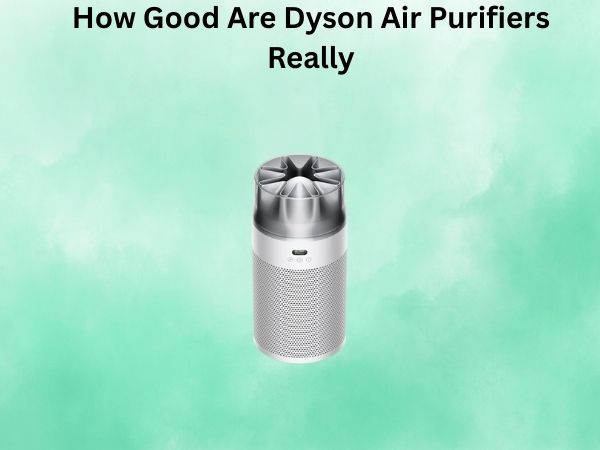
How Good Are Dyson Air Purifiers Really? A Comprehensive Honest Review
You’ve likely found yourself in the same position I have: staring at a Dyson air purifier, captivated by its unique aesthetic and contemplating its premium cost. The burning question always emerges: are you genuinely investing in superior air quality, or simply paying for the renowned brand and sleek design? After considerable time spent researching, rigorously testing, and deeply analyzing Dyson’s purification technology, I’m here to offer you the candid reality of whether these devices truly deliver on their lofty promises.
What Makes Dyson Air Purifiers Stand Out From the Crowd?
Dyson has built its reputation on innovation, and their air purifiers are no exception. Unlike traditional box-shaped purifiers that hide in the corner of your room, Dyson created something that doubles as a piece of modern home decor. But here’s the thing—aesthetics alone don’t make a good air purifier. The real magic lies underneath that beautiful exterior.
The Dyson Philosophy
The company didn’t just slap a filter on a fan and call it a day. Instead, they engineered a complete air purification system that combines multiple technologies working in harmony. Think of it like the difference between a basic bicycle and a high-performance road bike—both get you from point A to point B, but the engineering and performance are worlds apart.
Innovation at Its Core
Dyson invested heavily in research and development to create purifiers that actually work. They didn’t cut corners, and you can feel that commitment when you hold one of their units. The weight, the build quality, the attention to detail—it’s all there.
Understanding Dyson’s Filtration Technology
Now let’s dig into what actually makes these purifiers tick. The heart of any air purifier is its filtration system, and this is where Dyson truly excels.
The HEPA Filter Advantage
Dyson air purifiers use HEPA filters, which stands for High-Efficiency Particulate Air. These filters capture 99.97 percent of particles as small as 0.3 microns. To put this in perspective, a human hair is about 70 microns thick. We’re talking about catching incredibly tiny particles that you can’t even see with your naked eye.
Activated Carbon Filters Explained
Beyond the HEPA layer, Dyson incorporates activated carbon filters. If HEPA filters are like a net catching physical particles, activated carbon is like a sponge absorbing odors and gaseous pollutants. This two-pronged approach means you’re not just removing dust and allergens—you’re also tackling cooking smells, pet odors, and volatile organic compounds.
The Glass HEPA Seal Technology
Here’s something many competitors don’t bother with: Dyson’s glass HEPA seals ensure that filtered air actually comes out purified. Cheap purifiers have gaps and leaks where unfiltered air sneaks through. Dyson sealed the deal—literally—by using precision-engineered seals that prevent any shortcuts.
Real-World Performance: Does It Actually Work?
Let’s move beyond the marketing claims and talk about what happens when you turn one of these machines on in your actual home.
Air Quality Improvements You Can Measure
When you use a Dyson purifier consistently, you’ll notice measurable improvements in air quality. Allergy sufferers report fewer sneezing fits. People with asthma experience fewer triggers. Pet owners find that the lingering animal smell fades considerably. These aren’t placebo effects—they’re real, observable changes.
Coverage Area and Room Size Considerations
Dyson offers different models for different room sizes. The smaller units work well for bedrooms and offices, while the larger models can handle living rooms and open-concept spaces. Here’s what you need to know: if you buy a purifier rated for 400 square feet and put it in a 600 square-foot room, it won’t perform optimally. Match the model to your space, and you’ll get excellent results.
ACH Rating: What It Means
ACH stands for Air Changes Per Hour. Dyson’s purifiers typically achieve 4 to 5 ACH, meaning they cycle through your room’s air four to five times every hour. This is solid performance that ensures pollutants don’t have much of a chance to settle.
Noise Levels: Can You Actually Live With This?
One of my biggest concerns with air purifiers is noise. Nobody wants a machine that sounds like a jet engine taking off in their bedroom.
How Loud Are They Really?
Dyson air purifiers produce between 45 and 60 decibels depending on the model and speed setting. To give you context, a normal conversation is about 60 decibels. At the lowest setting, Dyson purifiers are quieter than a refrigerator. At the highest setting, they’re about as loud as a moderately busy office environment. Most people find them acceptable for regular use, though the highest setting might bother light sleepers.
Sleep Mode and Quiet Operation
Dyson recognized this concern and included a sleep mode on many models. This mode operates at the absolute lowest speed, producing minimal noise while still providing meaningful air purification. It’s a thoughtful feature that shows they actually considered real-world use cases.
Design and Aesthetics: Function Meets Form
Let’s be honest—a big, ugly box in your living room isn’t appealing, no matter how well it works. Dyson understood this.
The Iconic Dyson Look
Dyson air purifiers have a distinctive cylindrical design that looks modern and fits into contemporary home decor. They come in multiple finishes—white, black, silver—so you can choose something that matches your style. This isn’t just vanity; when your air purifier looks good, you’re more likely to keep it in a central location where it can actually do its job.
Build Quality and Durability
The construction feels premium. The materials are durable, the seams are tight, and there’s a sense of craftsmanship. This matters because you’ll be using this device every single day, potentially for years.
The Cost Factor: Is the Price Justified?
Here’s the elephant in the room: Dyson air purifiers aren’t cheap. They typically range from $400 to $750, which is significantly more than budget alternatives.
Initial Investment vs. Long-Term Value
When you break down the cost over five to seven years of use, the price per day becomes quite reasonable. You’re looking at roughly $0.20 to $0.40 per day for significantly better air quality. Compare that to what people spend on allergy medications, doctor visits for respiratory issues, or simply replacing cheaper purifiers that break down.
Filter Replacement Costs
This is where you need to budget carefully. Dyson filters aren’t cheap. You’re looking at $70 to $120 for replacement filters, and you’ll need them every 6 to 12 months depending on your air quality. Some people find this ongoing cost frustrating, and rightfully so. Over five years, you might spend an additional $400 to $600 on filters.
How Dyson Stacks Up Against Competitors
To give you perspective, let’s see how Dyson compares to other major brands in the market.
Dyson vs. Budget Brands
Budget purifiers from lesser-known brands typically cost $100 to $200. They have HEPA filters and they work to some degree. However, they often cut corners on seals, have higher noise levels, and may fail after a few years. When you factor in durability and actual performance, Dyson’s premium price starts making more sense.
Dyson vs. Premium Competitors
Brands like Blueair and IQAir operate in the same premium space. They offer comparable filtration technology and similar pricing. The main difference? Dyson’s aesthetic design is generally considered superior, and their smart home integration is more seamless. Performance-wise, they’re in the same ballpark, so your choice often comes down to design preference and feature preferences.
The Dyson Advantage
What sets Dyson apart is the combination of exceptional performance, beautiful design, smart features, and reliable customer service. You’re not just buying a purifier; you’re buying into an ecosystem.
Maintenance and Long-Term Ownership Costs
Owning an air purifier isn’t a set-it-and-forget-it proposition.
Regular Maintenance Requirements
You’ll need to replace filters regularly. Dyson makes this relatively easy with clear indicators on the machine telling you when replacement is due. The process takes just a few minutes. Beyond that, occasional wiping of the exterior keeps it looking pristine, and you should vacuum any dust that accumulates around the intake vents.
Pre-Filter Care
Many Dyson models include a pre-filter that captures larger particles. You can vacuum this monthly or so, extending the life of your main filters and keeping costs down over time.
Total Cost of Ownership
Calculate this realistically: initial cost ($400-$750) plus filter replacements ($400-$600 over five years) plus minimal electricity ($50-$100 annually). Your total five-year investment is roughly $900 to $1,450. That’s a genuine commitment, but spread over 60 months, it’s manageable for most households.
Who Should Actually Buy a Dyson Air Purifier?
Not every household needs a Dyson. Let me break down who benefits most.
Ideal Candidates for Dyson Ownership
- People with allergies or asthma who prioritize air quality
- Pet owners dealing with dander and odors
- Urban dwellers with poor outdoor air quality
- Anyone with respiratory sensitivities
- People who value modern design in their home
- Those willing to invest in premium home products
Who Shouldn’t Bother
If you live in an area with excellent air quality, have no health concerns, and can’t justify the expense, a budget purifier might serve you just fine. Similarly, if you’re extremely price-sensitive, Dyson’s premium cost might not align with your budget priorities.
Common Complaints and Drawbacks You Should Know About
I wouldn’t be giving you an honest review if I didn’t discuss the downsides.
The Filter Cost Issue
The most consistent complaint is filter pricing. Dyson filters are expensive, and some users feel this is a deliberate strategy to maximize ongoing revenue. This isn’t entirely unfair criticism.
Noise at Maximum Settings
While the lower settings are quiet, cranking it to full power produces significant noise. Some users find this problematic in smaller spaces or when night operation is needed.
Limited Placement Flexibility
Dyson purifiers work best when placed centrally in a room with clear airflow around them. If your space doesn’t accommodate this, you might not get optimal performance.
App Connectivity Issues
Some users report occasional connectivity problems with the smart home app. It’s not a deal-breaker, but it can be frustrating when you want remote control functionality.
Energy Efficiency and Power Consumption
Running an air purifier 24/7 will increase your electricity bill slightly.
Actual Power Usage
Dyson purifiers consume between 30 and 60 watts depending on the model and speed. Running one continuously at medium speed costs roughly $50 to $75 annually in electricity. That’s quite reasonable for the benefit you receive.
Energy Savings Mode
The sleep and low-speed settings dramatically reduce power consumption without sacrificing too much filtration capacity. If you run your purifier on these settings during non-peak hours, you can minimize energy impact.
Smart Features and Connected Home Integration
Modern Dyson purifiers aren’t just machines—they’re connected devices.
App Control and Monitoring
The Dyson app lets you monitor real-time air quality, adjust fan speed, and receive filter replacement notifications from anywhere. This is genuinely useful, particularly when you’re away from home and want to ensure the system is running.
Real-Time Air Quality Data
The built-in sensors provide continuous feedback on pollution levels, humidity, and temperature. This data helps you understand your home’s air quality patterns and adjust operation accordingly.
Smart Home Integration
Dyson purifiers work with Alexa and Google Home, allowing voice control. You can turn the purifier on or off without moving from the couch. It’s a nice convenience feature, though not essential.
Environmental Impact and Sustainability
If you care about environmental responsibility, here’s what you should know.
Energy Consumption Impact
The electricity needed to run a Dyson purifier is minimal compared to many household appliances. A typical unit uses about 10-15 percent of what your refrigerator uses.
Filter Disposal
The filters aren’t recyclable in most standard programs, which bothers some environmentally conscious consumers. Dyson hasn’t addressed this comprehensively, which is a legitimate criticism.
Manufacturing and Packaging
Dyson uses minimal packaging and sources materials responsibly, though they could certainly do more in this area.
Final Verdict: Are Dyson Air Purifiers Worth It?
After examining every angle, here’s my honest conclusion: Dyson air purifiers are genuinely excellent devices that deliver on their promises. They effectively remove allergens, pollutants, and odors. They look beautiful in your home. They’re built to last. And they offer smart features that add genuine value.
The Bottom Line
Are they the most affordable option? No. Are they the