How to Clear Water: Best Ways to Purify It
In 2026, with a world increasingly conscious of wellness and resource management, that seemingly simple glass of water holds more significance than ever. Is it *truly* as pure as it looks? Water clarity is just the first clue; achieving that pristine state involves a fascinating blend of science and smart solutions. From opaque municipal supplies to the wild allure of natural sources, mastering how to clear water and purify it effectively isn’t just about aesthetics – it’s about safeguarding your health and elevating your daily hydration.
In this comprehensive guide, I’ll walk you through everything you need to know about clearing water, from understanding why it becomes cloudy in the first place to implementing the most effective purification methods available today.
Understanding Why Water Gets Cloudy
What Causes Turbidity in Water?
Think of turbidity like a room filled with dust particles floating in the air—you can see them dancing in sunlight, even though they’re microscopic. Water turbidity occurs when tiny particles suspend themselves throughout the liquid, refusing to settle. These particles can include sediment, clay, algae, bacteria, and various organic matter. When water appears hazy, milky, or brownish, it’s usually because these invisible troublemakers are having a party in your pipes.
The problem isn’t always about what you can see. Some of the most dangerous contaminants are completely invisible to the naked eye. Bacteria, viruses, and chemical compounds won’t make your water look bad, but they can certainly make you feel bad.
Natural vs. Man-Made Contamination
Water gets cloudy from two main sources. Natural contamination comes from geological processes—minerals dissolving from rocks, sediment stirred up by water flow, or algae blooming in warm conditions. Man-made contamination originates from industrial discharge, agricultural runoff, or aging infrastructure that allows particles to enter our water systems.
Sediment Filtration: Your First Line of Defense
How Sediment Filters Work
Imagine a coffee filter trapping grounds while letting liquid through—that’s essentially what sediment filtration does, except it’s far more sophisticated. Sediment filters use layered materials with progressively smaller pores to catch particles. They’re like a bouncer at a club, gradually getting stricter about who gets through each door.
Most sediment filters work through mechanical straining, meaning they physically block particles larger than their micron rating. A 20-micron filter catches larger debris, while 5-micron filters snag much finer particles. The finer the filter, the slower the water flows—it’s a balancing act between clarity and convenience.
Installing a Sediment Filter System
Setting up sediment filtration doesn’t require a degree in engineering. You have several options:
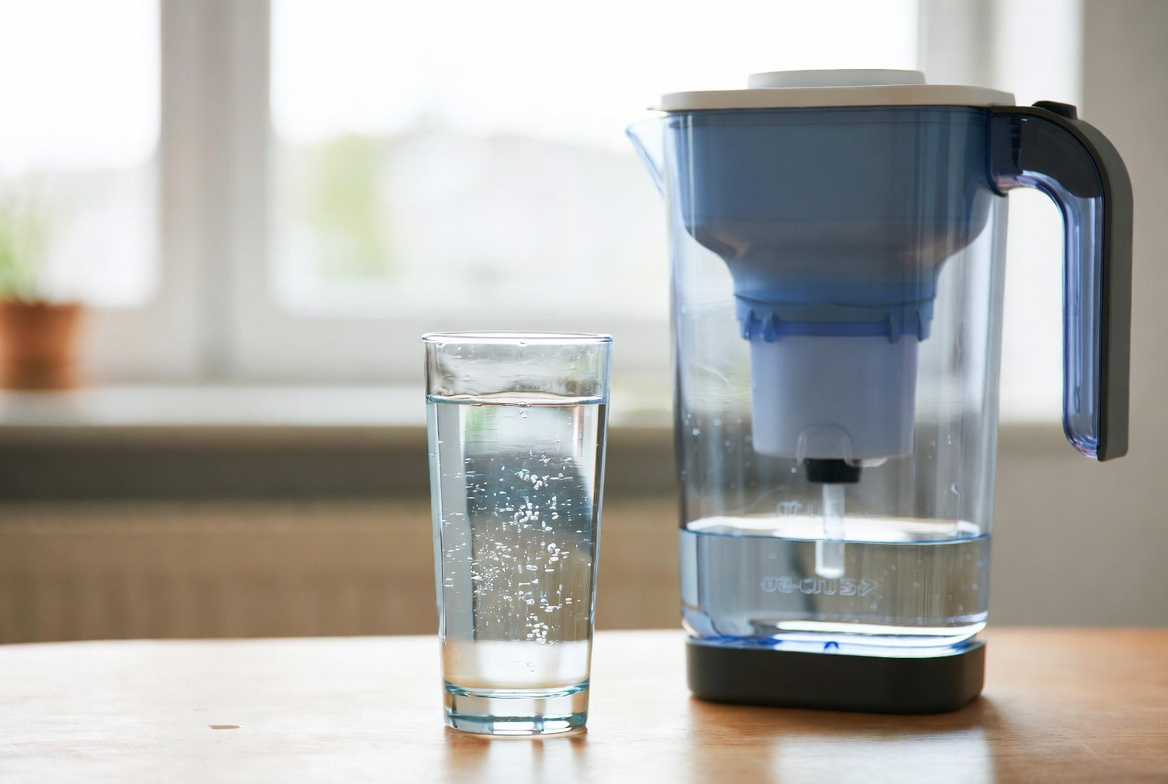
- Point-of-use filters (pitcher or faucet-mounted) for individual use
- Whole-house systems installed where water enters your home
- Under-sink filters for your kitchen specifically
- Portable filters for travel or emergencies
The whole-house approach is like hiring a security guard for your entire property rather than just one room. It protects all your water outlets simultaneously, which means clearer water from every tap and reduced strain on your appliances.
Activated Carbon Filtration Explained
Why Carbon Filters Work Magic
Activated carbon is like a microscopic sponge with an insatiable appetite for impurities. When manufacturers create activated carbon, they treat regular charcoal with steam or chemicals, creating a massive internal surface area. A single gram of activated carbon can have a surface area exceeding 3,000 square meters—roughly the size of a football field packed into something you can hold in your palm.
This material excels at removing chlorine, volatile organic compounds, pesticides, and many other chemical contaminants that sediment filters simply can’t touch. If your water tastes or smells off, activated carbon probably offers the solution.
Different Types of Carbon Filters
Not all carbon filters are created equal. Powdered activated carbon (PAC) works quickly but doesn’t last long, making it ideal for emergency situations. Granular activated carbon (GAC) lasts longer and filters more water, though it requires time to work effectively. Block filters compress carbon into solid form, offering superior contaminant removal but slower flow rates.
Reverse Osmosis: The Premium Purification Method
Understanding Reverse Osmosis Technology
Reverse osmosis sounds complicated, but the concept is elegantly simple. Picture a membrane so fine that only water molecules can pass through, while dissolved salts, minerals, and other impurities get blocked. Under normal osmosis, water naturally moves toward salt, but reverse osmosis uses pressure to push water backward, against its natural tendency. It’s like swimming upstream, except the water molecules are doing the swimming.
This process removes approximately 95 to 99 percent of dissolved solids, making it one of the most effective purification methods available. If you’re serious about water clarity and purity, reverse osmosis is your heavy hitter.
Pros and Cons of Reverse Osmosis Systems
The advantages are substantial—you get exceptionally pure water suitable for sensitive aquariums, laboratories, or families with health concerns. However, there are trade-offs. These systems waste water (typically 3 to 4 gallons for every 1 gallon of purified water), require professional installation, and remove beneficial minerals along with contaminants. Some people add mineral drops back into their water afterward to address this issue.
UV Light Treatment for Microbial Threats
How Ultraviolet Light Purifies Water
Imagine using light as a weapon against bacteria and viruses—that’s what UV treatment accomplishes. Ultraviolet light damages the DNA of microorganisms, rendering them unable to reproduce or cause infections. It’s like an invisible sterilizing beam straight out of science fiction, except completely real and highly effective.
UV treatment doesn’t remove particles or chemicals; it only kills living organisms. That’s why it works best as part of a multi-stage filtration system. Think of it as the final quality control checkpoint in a manufacturing facility—everything else has been filtered, and now we’re making sure nothing living gets through.
Setting Up UV Purification
UV systems require electricity and regular maintenance. The UV bulbs need replacement annually, and water must be relatively clear when it enters the UV chamber—cloudy water can shield microorganisms from the light. Installation typically happens after mechanical and chemical filtration steps.
Boiling Water: The Time-Tested Classic
Why Boiling Still Matters
Before modern filtration systems existed, boiling was humanity’s best defense against waterborne illness. Heat kills virtually all bacteria, viruses, and parasites that cause serious health problems. It’s reliable, requires no special equipment beyond a pot and stove, and it works in situations where electricity or filter replacements aren’t available.
That said, boiling doesn’t remove chemical contaminants or sediment—it only addresses microbial threats. If you’re boiling water that’s visibly cloudy, the particles remain even after the water cools.
Boiling Best Practices
For effective disinfection, bring water to a rolling boil and maintain it for at least one minute. At high altitudes above 6,500 feet, increase this to three minutes since water boils at lower temperatures. Allow it to cool completely before drinking, and store boiled water in clean, covered containers.
Distillation: Complete Water Purification
The Distillation Process Explained
Distillation mimics the natural water cycle inside your home. Water boils, transforming into steam that leaves behind contaminants, particles, and minerals. The steam then condenses back into pure liquid water. It’s nature’s own purification system, harnessed in a compact machine.
This method removes virtually everything—sediment, chemicals, minerals, salts, bacteria, and viruses. The resulting water is incredibly pure, sometimes too pure for regular drinking since it lacks beneficial minerals. Some people use distilled water for specific purposes like filling aquariums or humidifiers rather than for daily drinking.
Practical Considerations for Distillation
Distillers consume significant electricity and operate slowly—producing just a few gallons daily. They require regular maintenance to prevent mineral buildup inside the unit. For people needing large quantities of purified water, distillation alone isn’t practical, but it’s excellent for supplementing other methods or producing water for specific uses.
Multi-Stage Filtration Systems: The Comprehensive Approach
Why Layered Filtration Works Best
Think of water purification like home security. One lock protects your door, but multiple locks in sequence offer superior protection. Each filtration stage targets different contaminants using different methods. Sediment filters handle particles, carbon filters remove chemicals and odors, while UV or reverse osmosis systems address microbial or dissolved contaminants.
Professional water treatment facilities use this layered approach, and you can implement similar systems in your home. Most effective residential systems combine 3 to 5 different filtration methods.
Typical Multi-Stage System Configuration
A comprehensive system might flow like this: sediment pre-filter catches visible particles, activated carbon filter removes chemicals and odors, reverse osmosis membrane purifies dissolved substances, UV treatment eliminates any remaining microbes, and finally, a post-filter polishes the water before it reaches your tap. Each stage protects the next, extending equipment life and maximizing overall effectiveness.
Water Testing: Knowing What You’re Dealing With
Professional Water Testing vs. Home Tests
Before investing in expensive purification equipment, understand what’s actually in your water. Home test kits provide basic information about pH, chlorine, hardness, and some contaminants. They’re affordable and quick but offer limited accuracy. Professional laboratory testing provides comprehensive analysis of dozens of contaminants and gives you certainty.
Many water utilities provide free testing, or you can send samples to certified labs for thorough analysis. This investment pays dividends by ensuring you choose the right purification method for your specific needs rather than guessing.
Understanding Water Quality Reports
Public water utilities publish annual water quality reports detailing what enters your system and how well their treatment works. These documents reveal specific contaminants present in your area. Understanding this information helps you select appropriate home filtration to address real problems rather than marketing hype.
Maintaining Your Water Purification System
Regular Filter Replacement Schedules
The best filtration system becomes useless when filters get saturated with contaminants. A filter can only trap so much before it stops working effectively. Most sediment filters need replacement every 3 to 6 months, carbon filters every 6 to 12 months depending on usage, and UV bulbs annually. Reverse osmosis systems require various component replacements on different schedules.
Neglecting filter replacement is like never changing your car’s oil—eventual system failure becomes inevitable, and the repair costs exceed preventive maintenance costs.
System Cleaning and Sanitization
Beyond filter replacement, purification systems benefit from periodic cleaning. Mineral deposits can accumulate inside pipes and equipment, reducing efficiency. Some systems require sanitization to prevent bacterial growth within the filters themselves. Your system’s manual provides specific maintenance instructions—follow them diligently to maximize system lifespan and performance.
Budget-Friendly Water Clearing Methods
Low-Cost Options for Basic Clarity
Quality water purification doesn’t always require expensive equipment. Pitcher filters containing activated carbon cost minimal amounts and work reasonably well for basic chlorine and odor removal. Allowing water to sit in clear bottles exposed to sunlight naturally reduces some contaminants through photodegradation—it’s slow but free.
Boiling remains the most economical method for killing microbes, requiring only energy costs. Combining these simple approaches with basic sediment filtration creates an effective multi-stage system without premium price tags.
Advanced Solutions for Challenging Water Situations
Addressing Specific Contaminant Issues
Hard water requires softening systems using ion exchange or salt-based methods. High iron content needs specific filters designed for iron removal. Fluoride removal demands specialized activated alumina filters or reverse osmosis systems. Addressing specific contaminants sometimes requires specialized equipment beyond standard filtration.
This is where professional water testing truly shines—it identifies your specific challenges so you can target solutions precisely rather than implementing general-purpose systems that don’t address your actual problems.
Portable Water Purification for Travel and Emergencies
Travel-Friendly Purification Options
When you’re away from home or in emergency situations, portable purification becomes essential. Portable water filters range from simple squeeze bottles with internal filters to advanced systems fitting in backpacks. Purification tablets chemically treat water, while portable UV devices work where electricity is available. Each option has trade-offs between portability, purification effectiveness, and speed.
Emergency preparedness experts recommend keeping portable purification methods on hand, especially if you live in areas prone to water system failures or natural disasters.
Environmental Considerations in Water Purification
Reducing Waste in Your Purification Process
While purifying your water, consider the environmental impact of your chosen method. Reverse osmosis creates wastewater, pitcher filters generate plastic waste, and distillers consume significant energy. Whole-house systems may seem wasteful but actually reduce overall water consumption by filtering existing supply rather than relying on bottled water. Evaluating the complete environmental picture helps you choose sustainable purification methods.
Some innovations like gravity-fed filtration use zero electricity and generate minimal waste, making them excellent choices for environmentally conscious households.
Conclusion
Clearing water effectively requires understanding the specific contaminants present and selecting appropriate purification methods to address them. Whether you’re dealing with visible turbidity, chemical concerns, or microbial threats, solutions exist ranging from simple and affordable to sophisticated and comprehensive. Start by testing your water to understand what you’re treating, then implement layered purification using methods suited to your situation and budget. Regular maintenance ensures continued effectiveness, protecting your family’s health through consistent access to clean, clear, safe drinking water. Your investment in water purification is an investment in long-term wellness, and the methods discussed here provide practical pathways to achieving that goal.
Frequently Asked Questions
How long does it take to clear cloudy water at home?
The timeline depends on your chosen method. Simple settling in a clear container might take 24 to 48 hours as particles gradually sink. Sediment filtration clears water immediately as it passes through. Boiling takes just minutes for microbial elimination, though chemical contaminants remain. Reverse osmosis systems produce purified water within hours to days depending on their capacity. For fastest results, mechanical filtration combined with activated carbon offers nearly immediate clarity improvements.
Is filtered water safe to drink immediately?
Filtered water is generally safe immediately after passing through appropriate filters for your specific contaminants. However, if you’re uncertain about what’s in your water, boiling filtered water provides additional microbial protection. If your filtration system includes UV treatment or reverse osmosis, the water is safe without boiling. Always verify that your filtration method addresses the contaminants identified in your water testing before considering it fully safe.
Can I use the same filter multiple times?
Most filters are single-use or limited-use components designed to be replaced when saturated. Re