How to Empty the Water in a Keurig: A Complete Guide to Maintenance and Care
If you’re a coffee lover who relies on your Keurig machine every morning, you probably don’t think much about the water sitting inside it. But here’s the thing—knowing how to properly empty the water from your Keurig is actually one of the most important maintenance tasks you can perform. Whether you’re planning to travel, deep clean your machine, or simply want to prevent bacterial growth, understanding this process is essential for keeping your beloved coffee maker in top shape.
In this comprehensive guide, I’m going to walk you through everything you need to know about emptying water from your Keurig. We’ll cover why this matters, the different methods depending on your model, and some practical tips I’ve learned through years of using these machines. Let’s dive in.
Understanding Your Keurig’s Water System
Before we talk about draining, let’s first understand how water moves through your Keurig. Think of your machine like a mini water circulation system. When you fill the reservoir, water doesn’t immediately go into your cup. Instead, it sits in a tank, gets heated, and then flows through various internal passages to brew your coffee. This means water can be in multiple places: the main reservoir at the top, the internal tubing, the heating chamber, and sometimes even in the nozzles.
Where Does Water Hide in Your Keurig?
Understanding these water storage areas helps explain why a simple empty-the-reservoir approach isn’t always enough:
- The removable water reservoir (the most obvious place)
- The internal water lines and tubing
- The heating element chamber
- The K-Cup puncture needle area
- The exit needle and dispersal head
This is why truly emptying your Keurig requires more than just turning it upside down over a sink. You need a strategic approach to get all that water out.
Why You Should Empty Your Keurig’s Water
Preventing Bacterial and Mold Growth
Stagnant water is like a breeding ground for unwanted microorganisms. When water sits in your machine for extended periods—say, during a vacation or if you’re between coffee-drinking phases—bacteria and mold can start to develop. This isn’t just unpleasant; it can actually affect the taste of your coffee and potentially impact your health. By regularly emptying your Keurig, you’re essentially preventing a science experiment from happening inside your machine.
Preparing for Storage and Travel
Are you planning to pack up your Keurig for a move or take it on a trip? Leaving water inside is asking for trouble. Water can leak, seep into electrical components, or create stains on whatever surface your machine ends up on. Completely draining it before travel is simply smart planning.
Maintaining Machine Performance
Over time, mineral deposits and sediment can accumulate in your water lines. Regular draining and cleaning helps prevent buildup that could slow down your machine’s performance or affect brewing quality. Think of it like changing the oil in your car—it’s preventive maintenance that extends the life of your equipment.
Step-by-Step Guide: How to Empty Your Keurig
Step 1: Unplug Your Machine
This is non-negotiable. Before you touch anything, unplug your Keurig from the electrical outlet. Safety first. Seriously. Water and electricity don’t mix, and you want to eliminate any risk of shock or damage to the machine’s internal components.
Step 2: Remove and Empty the Reservoir
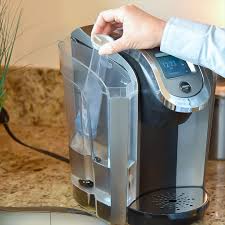
Locate your water reservoir. On most Keurig models, this is a removable tank on the side or back of the machine. Gently pull it away from the machine—it typically slides or pops off. Hold it over a sink or container and pour out any remaining water. Don’t be surprised if there’s more water than you expected. Some people find it helpful to tilt the reservoir at different angles to ensure all water drains out completely.
Step 3: Run the Machine Without Water (The Purging Process)
Here’s where things get interesting. Plug your machine back in and run a brew cycle without any water in the reservoir and without a K-Cup inserted. This forces the machine to attempt to pull water through its internal systems, which helps expel water that’s trapped in the lines. You might hear some sputtering or gurgling—that’s completely normal and actually a good sign that air is moving through the system.
Run this cycle two or three times. Each cycle will help push more residual water out of the internal pathways.
Step 4: Tilt and Tap the Machine
After running the purge cycles, gently tilt your Keurig to different angles—left, right, and backward. This helps any remaining water in the lines move toward the exit points. You can also give the machine a few light taps on the sides. Place it over a sink or towel while doing this, as water may drip out.
Step 5: Leave It to Air Dry
After you’ve completed the above steps, leave your Keurig unplugged in an upright position for at least a few hours, ideally overnight. This allows any remaining moisture to evaporate naturally. Some people prop open the K-Cup holder or remove the top cover if possible to allow better air circulation inside the machine.
Different Methods for Different Keurig Models
Keurig K-Classic and Similar Models
These standard models are straightforward. Simply follow the steps outlined above. The reservoir is easily removable, and these machines respond well to the purge cycle method. Most users find they can completely drain these models in about 20 to 30 minutes.
Keurig K-Duo Models
The K-Duo, which has both a single-serve and carafe brewing option, requires a bit more attention. Make sure you empty the carafe station as well. Run empty brew cycles on both the single-serve and carafe settings to ensure both internal systems are purged of water.
Keurig Mini Models
These compact machines have smaller reservoirs, which means less water overall, but the principle remains the same. The purge cycle is especially important on minis because water can get trapped more easily in the tight internal passages.
Keurig 2.0 Models
These newer models sometimes have a water line connection option. If yours is connected to a water line, you’ll need to disconnect it first before attempting to drain the machine. Follow the manufacturer’s instructions for disconnection, then proceed with the standard draining process.
Advanced Draining Techniques
The Gravity Method
Some people swear by tilting their Keurig at extreme angles—almost horizontal—and letting gravity do the work. If you try this method, be very careful not to damage your machine. Use a stable support to hold it at an angle for several minutes, allowing water to flow toward the exit points.
The Compressed Air Method
If you have access to compressed air (like an air compressor or canned air), you can gently blow air through the K-Cup holder area to help push water out of the internal lines. Use low pressure and be careful not to force anything. This method works best as a supplement to the purge cycle method, not a replacement.
Using Vinegar for Deep Cleaning While Draining
If you want to combine draining with descaling, you can run a vinegar solution through the machine during your purge cycles. This simultaneously removes mineral deposits while helping to drain water. Use equal parts white vinegar and water, run several brew cycles with this solution, then follow up with plain water cycles to rinse everything out.
Common Mistakes People Make When Draining Their Keurig
Mistake One: Only Emptying the Reservoir
The biggest mistake I see is people thinking that simply removing and emptying the reservoir means their Keurig is drained. That’s like thinking your car is empty of gas when you’ve only emptied the visible tank. There’s water throughout the internal system that won’t come out without the purge cycle.
Mistake Two: Skipping the Purge Cycles
Running the machine without water is essential. Don’t skip this step. Those empty brew cycles are actually doing important work, pushing water through and out of the system.
Mistake Three: Not Waiting Long Enough
Patience is a virtue when draining a Keurig. Rushing the process means water will still be trapped inside. Give it time—at least a few hours of sitting unplugged before you pack it away or consider it truly empty.
Mistake Four: Forgetting to Plug It Back In for Purging
Some people unplug the machine and then wonder why they can’t run cycles to purge it. You need to plug it back in to run those empty brew cycles. Just remember to unplug it again when you’re done before doing any physical tilting or manipulation.
How Often Should You Empty Your Keurig?
This depends on how often you use your machine. If you brew coffee daily, you probably don’t need to completely drain it. However, I recommend doing a thorough drain and dry at least once every three months as preventive maintenance. If you use your machine only occasionally or seasonally, consider draining it completely whenever you expect it to sit unused for more than two weeks.
Think about it this way: if water is going to sit in your machine for an extended period, empty it first. This simple practice can extend your machine’s lifespan significantly.
Storing Your Keurig After Draining
Short-Term Storage
If you’re storing your Keurig for a few weeks, make sure it’s completely dry, and store it in a cool, dry place. Keep the reservoir removed if possible, and leave the top open slightly to allow air circulation.
Long-Term Storage
For storage periods of several months, I recommend storing the machine with the reservoir completely removed and kept separately. Cover the machine with a breathable cloth (not plastic) to keep dust out while still allowing air circulation. Store in a temperature-controlled environment if possible.
Before Using Again
When you’re ready to use your Keurig again after storage, fill the reservoir with fresh water, run a few empty brew cycles to flush the system, and then run one cycle with a K-Cup to test everything before making your actual coffee.
Troubleshooting: When Water Won’t Come Out
The Machine Seems Clogged
If water won’t flow during the purge cycle, you might have a clogged needle. The exit needle can sometimes get blocked by coffee residue or mineral deposits. Try running a water and vinegar solution through the machine to dissolve any blockages. You can also carefully clean the exit needle with a paper clip or thin wire (while unplugged), being very gentle to avoid damage.
Water Is Leaking Somewhere Unexpected
If you notice water leaking from places other than the drip tray, stop immediately and unplug the machine. This could indicate a cracked internal line or loose connection. Consult your machine’s manual or contact Keurig customer service before proceeding.
Gurgling Sounds Won’t Stop
If your machine makes continuous gurgling sounds during the purge cycle, this usually just means there’s air in the lines. Run a few more empty brew cycles until the sounds stop, which indicates the air has been pushed out.
Final Tips for Keurig Maintenance
Beyond just draining, here are some other maintenance practices that complement the draining process:
- Clean your K-Cup holder weekly with hot water to prevent residue buildup
- Wipe down the exit needle monthly with a damp cloth
- Descale your machine every three months using a commercial descaling solution or vinegar
- Replace water filters regularly if your model uses them
- Always use fresh, filtered water rather than tap water to reduce mineral buildup
- Never let water sit in an unused machine for extended periods
Conclusion
Emptying your Keurig properly might seem like a simple task, but it’s actually one of the most important maintenance procedures you can perform. By following the steps outlined in this guide—unplugging the machine, removing the reservoir, running purge cycles, tilting to help drainage, and allowing proper drying time—you’ll ensure that your Keurig stays in excellent condition for years to come.
Whether you’re preparing for travel, storing your machine for the season, or simply performing preventive maintenance, taking the time to fully drain your Keurig protects it from bacterial growth, mineral accumulation, and potential damage. It’s a straightforward process that takes less than an hour and can add months or even years to your machine’s lifespan. So the next time you need to empty your Keurig, remember that you’re not just removing water—you’re investing in the longevity and performance of one of your kitchen’s most-used appliances.
Frequently Asked Questions
How long does it take to completely empty a Keurig?
The actual active draining process takes about 20 to 30 minutes if you include running the purge cycles and tilting the machine. However, for complete drying, you should allow at least several hours, preferably overnight. So while you can technically complete the draining steps in under an hour, true complete emptying (including drying) takes longer.
Can I damage my Keurig by emptying it?
No, emptying your Keurig won’t damage it if you follow proper procedures. The key is to unplug the machine before doing any physical manipulation, and to plug it back in only when running the purge cycles. As long as you’re careful and methodical, the draining process is completely safe for your machine.
Is there water left inside even after I’ve run purge cycles?
It’s possible that tiny amounts of water remain in hard-to-reach areas, especially in the heating element and some internal passages. This is normal and usually nothing to worry about. As long as you’ve completed the main steps, your machine is effectively empty for travel or storage purposes. Any remaining moisture will evaporate as the machine sits and dries.
Should I empty my Keurig before traveling?
Absolutely, yes. Traveling with a water-filled Keurig is risky. Water can leak, potentially damaging your luggage or other items. Additionally, any sloshing during travel can stress the internal components. Always drain your Keurig completely before packing it for travel.
What should I do if my Keurig has a built-in water line connection?
If your Keurig is connected to a water line (like the K-Duo Plus or certain commercial models), you must first disconnect the water line according to your manual’s instructions. Once disconnected, follow the standard draining procedure. Never attempt to drain or transport a machine that’s still connected to a water line, as this can cause leaks or damage.
“`