How Long Are Scrambled Eggs Good for in Refrigerator: Safe Storage Guide
Ever wondered how long are scrambled eggs good for in refrigerator? You’re not alone. It’s easy to whip up a big batch for busy mornings, but knowing when they’re still safe to eat can make all the difference between a quick breakfast and a case of food poisoning.
Food safety experts agree: keeping eggs fresh in the fridge is trickier than it looks. Scrambled eggs, once cooked, behave differently than raw eggs or hard-boiled eggs, and their shelf life depends on several factors like how they’re stored and if they’re kept airtight.
For instance, someone making meal-prep breakfasts might cook scrambled eggs on Sunday, planning to eat them on Thursday. Is that safe? Understanding the right storage techniques and knowing the safe window for eating refrigerated scrambled eggs can save time, money, and stomachaches.
Let’s break down the science, best practices, and common mistakes so you can confidently enjoy your eggs—without second guessing. Stick around for simple tips that’ll keep your mornings stress-free and your meals safe.
Understanding the Shelf Life of Scrambled Eggs in the Refrigerator
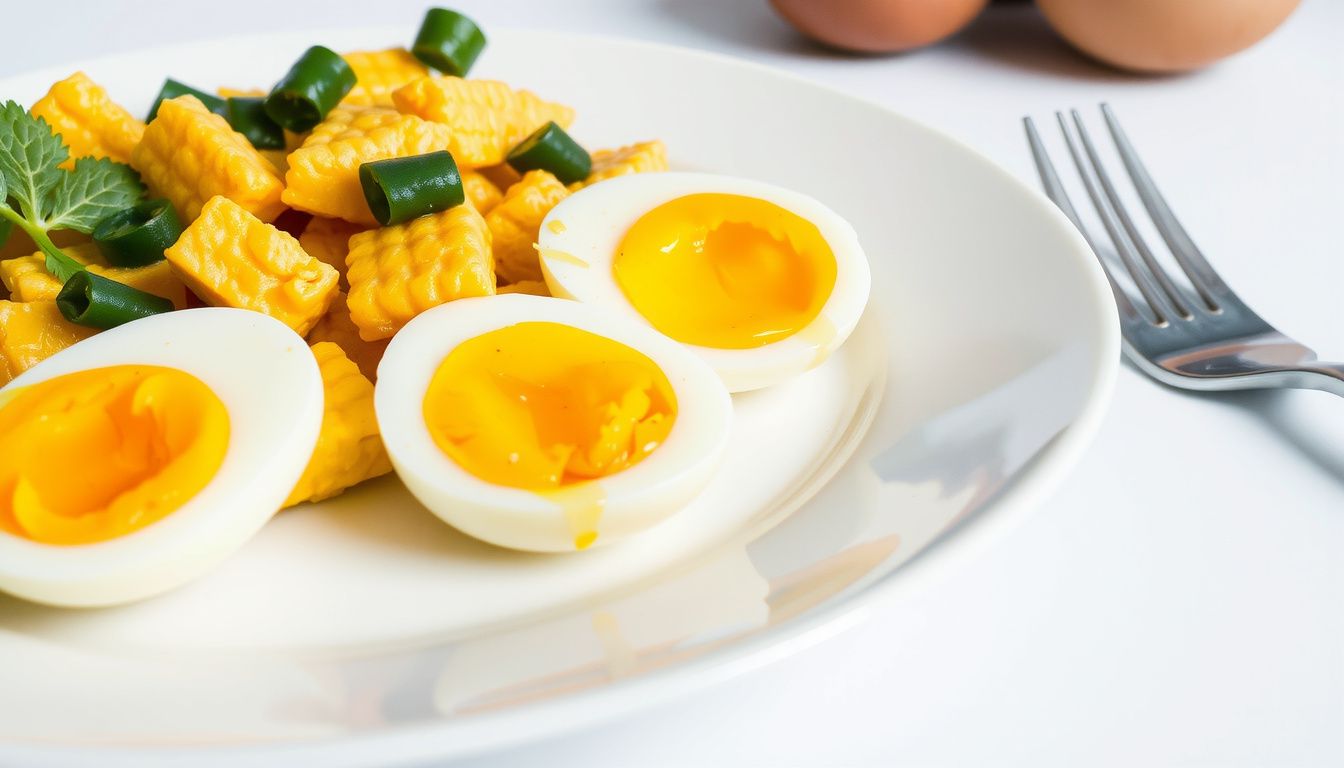
Leftover scrambled eggs are a handy meal-prep staple, but knowing how long they stay safe is crucial. Generally, scrambled eggs remain good in the refrigerator for three to four days when stored properly in an airtight container. This timeframe aligns with food safety recommendations for cooked egg dishes.
The reason for this short shelf life is that eggs are highly perishable. Even after cooking, bacteria can still grow if the eggs are not refrigerated promptly or if the temperature fluctuates. The clock starts as soon as the eggs cool to room temperature.
For instance, if someone makes a large batch of scrambled eggs on Monday morning, they can confidently use them through Thursday, ensuring each serving is reheated thoroughly before eating.
Always check for signs of spoilage—like an off smell, slimy texture, or discoloration—before consuming leftovers. Erring on the side of caution helps prevent foodborne illness.
Factors That Influence Scrambled Egg Freshness
Several factors can impact how long scrambled eggs stay fresh in the refrigerator. Understanding these can help maximize their shelf life and reduce waste.
- Storage Temperature: Eggs should be stored below 40°F (4°C). A refrigerator that runs warm may shorten their lifespan.
- Container Type: Airtight containers slow down spoilage by limiting exposure to air and moisture. Avoid loosely covered bowls or plastic wrap.
- Ingredients Added: Dairy, vegetables, or meats mixed into scrambled eggs can introduce extra moisture or bacteria, sometimes reducing freshness.
Consider this: A meal-prepper divides scrambled eggs into single-serve containers, cools them quickly, and stores them on the fridge’s middle shelf (the coldest spot). By controlling these variables, they ensure the eggs last as long as possible—up to four days without risk.
Proper Storage Techniques for Scrambled Eggs
Once scrambled eggs are cooked, proper storage is key to maintaining their safety and flavor. Letting eggs sit at room temperature encourages bacteria growth, so they should be refrigerated within two hours of cooking. Use a shallow airtight container to allow quick cooling and reduce exposure to air, which can dry them out or cause spoilage.

When storing, label the container with the preparation date. This helps track freshness and ensures eggs are consumed within the recommended three to four days. Place the container on a refrigerator shelf, not the door, since temperature fluctuations are more common there.
For example, a family meal-prepping breakfast might cook a large batch of scrambled eggs on Sunday. After cooling, they divide the eggs into single-serve portions and store them in individual containers, labeled and stacked on a middle refrigerator shelf. This approach keeps breakfast quick, safe, and easy all week long.
How to Tell if Refrigerated Scrambled Eggs Have Gone Bad
Even well-stored scrambled eggs can spoil before expected. Checking for common signs of spoilage helps prevent foodborne illness. Start by inspecting the appearance—eggs that look slimy, discolored, or watery should be discarded.
Odor is a reliable indicator. If the eggs smell sour, sulfurous, or just “off,” it’s safest to throw them out. Texture also matters; eggs that feel rubbery or have separated are likely past their prime.
Trust your senses—when in doubt, don’t taste them.
- Visual cues: Unusual colors (gray, green), mold, or excess moisture
- Smell: Any unpleasant or strong odor
- Texture: Increased slipperiness or graininess
For instance, someone grabbing Monday’s scrambled eggs on Thursday notices a faint sour smell and watery edges in the container—clear signs it’s time to toss the batch and make a fresh serving.
Risks of Consuming Spoiled Scrambled Eggs
Eating scrambled eggs that have surpassed their safe storage window poses significant health risks. Bacteria such as Salmonella and Staphylococcus aureus multiply rapidly in cooked eggs left too long in the fridge, even if they look and smell fine. Symptoms of foodborne illness can include nausea, vomiting, abdominal cramps, diarrhea, and fever—sometimes starting just hours after consumption.
For example, someone might grab last week’s leftover scrambled eggs for a quick breakfast, not realizing the risk. Within a day, they could experience severe stomach upset, missing work and requiring medical attention. This scenario highlights why it’s critical to observe recommended storage times.
To reduce risk, avoid consuming scrambled eggs that have been refrigerated for more than 3–4 days. Never taste questionable eggs—when in doubt, throw them out. Vulnerable populations, such as pregnant individuals, young children, and those with weakened immune systems, are at even greater risk from spoiled eggs.
- Food poisoning can be severe and lead to dehydration or hospitalization.
- Even reheating won’t destroy all toxins produced by bacteria.
- Always err on the side of caution when deciding whether to keep or discard leftovers.
Best Practices for Reheating Refrigerated Scrambled Eggs
Reheating scrambled eggs properly ensures both safety and quality. Eggs should be reheated until steaming hot (at least 165°F/74°C) to kill any potential bacteria. Use a microwave, stovetop, or oven, and stir frequently to promote even heating.
For instance, someone meal-prepping for the week might portion their scrambled eggs into airtight containers. When ready to eat, they transfer a portion to a microwave-safe dish, cover loosely, and heat in 30-second intervals—stirring each time—to avoid cold spots where bacteria could survive.

- Never reheat eggs more than once; repeated cooling and reheating increases bacterial risk.
- Avoid reheating eggs that have a strange odor, appearance, or texture.
- For the best texture, add a small splash of milk or water before reheating on the stovetop.
Following these steps helps preserve flavor and safety, ensuring leftovers are both delicious and safe to eat.
Tips to Extend the Freshness of Scrambled Eggs
Keeping scrambled eggs fresh for as long as possible in the refrigerator is all about a few smart choices. Start by cooling them quickly—don’t let them sit out at room temperature. Once they’re no longer steaming, transfer them into a shallow, airtight container to reduce air exposure and slow bacterial growth.
Labeling the container with the preparation date helps track how long they’ve been stored. Always store scrambled eggs on a refrigerator shelf (not the door), where temperatures stay coldest and most stable. If you plan to store them for more than a couple of days, consider dividing the batch into single-serving containers.
This way, only the portion being eaten gets reheated, protecting the rest from repeated temperature changes.
For example, a busy professional who meal preps on Sunday night can portion scrambled eggs into four containers. Each morning, they simply reheat one portion, guaranteeing fresher taste and optimal safety throughout the week.
Frequently Asked Questions About Storing Scrambled Eggs
People often wonder, “How long are scrambled eggs good for in refrigerator?” The typical answer is 3–4 days, assuming proper storage. But there are always more questions that come up when trying to make leftovers last safely.
- Can you freeze scrambled eggs? Yes, scrambled eggs freeze well. Cool them first, then use a freezer-safe container. Thaw overnight in the fridge before reheating.
- What’s the best way to reheat? Use the microwave or stovetop. Add a splash of milk or water before reheating to restore moisture.
- How can you tell if they’re still safe? Trust your senses—discard any eggs that smell off, look discolored, or have a slimy texture.
Suppose a family preps breakfast for school days. By labeling containers and always reheating portions fully, they minimize waste and avoid unpleasant surprises at mealtime.
Final Summary
Knowing how long are scrambled eggs good for in refrigerator helps prevent food waste and supports safe eating habits. With clear storage routines and a keen eye for spoilage, anyone can enjoy tasty eggs without worry. Rushing through cleanup after a family breakfast?
Storing leftovers promptly lets those eggs serve as a quick, protein-rich snack the next day.
Smart storage and attentive handling go a long way. When in doubt, trust your senses—sight, smell, and texture tell the real story. If you notice any changes, it’s safest to discard the eggs.
Ready for a safer kitchen routine? Apply these best practices to your next batch of scrambled eggs, and encourage others in your home to do the same. Keeping your refrigerator organized and paying close attention to timelines ensures every meal is both delicious and safe.