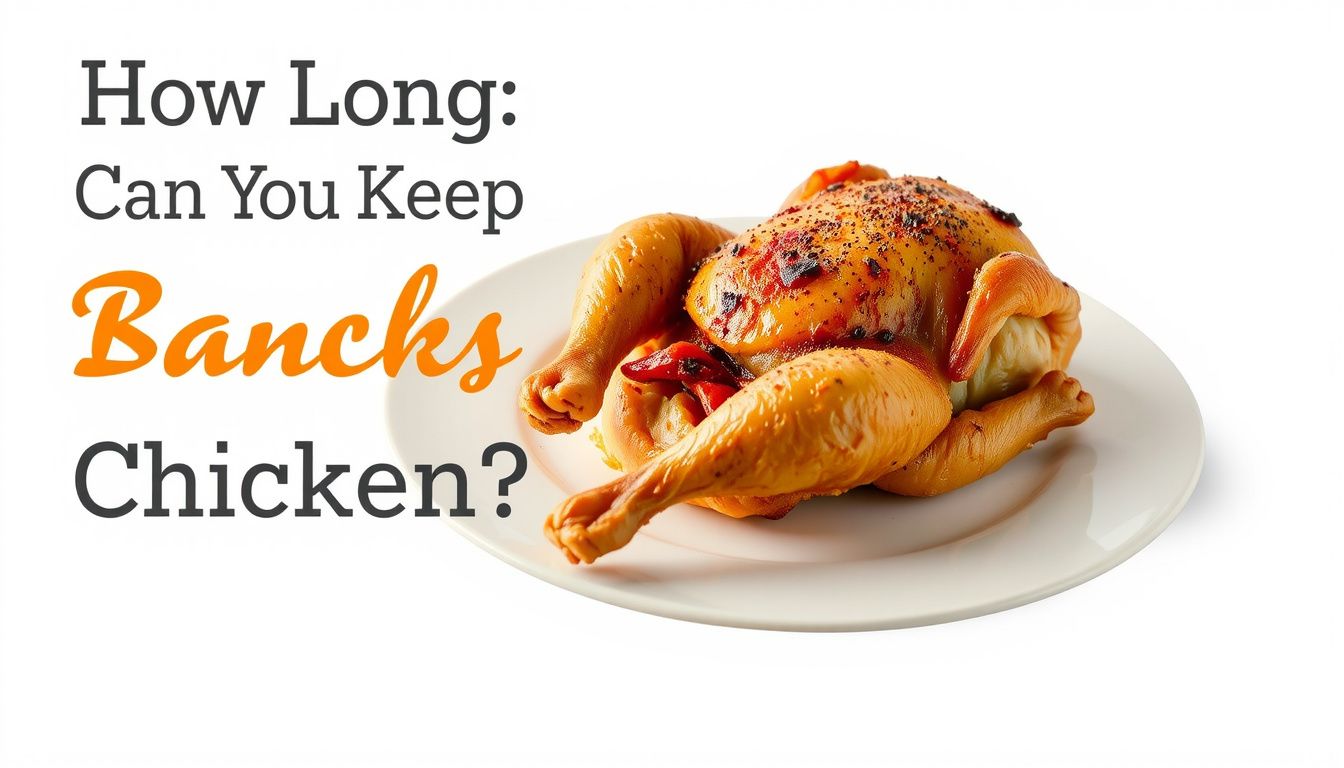
How Long Can You Keep Baked Chicken in the Refrigerator: Safe Storage Guidelines
Ever found yourself staring at leftovers and wondering, how long can you keep baked chicken in the refrigerator before it’s no longer safe? It’s a common question, especially for anyone who likes to meal prep or make the most of every home-cooked meal.
Understanding proper food storage isn’t just about avoiding waste—it’s a matter of food safety. The answer depends on a few essential factors, like storage method and fridge temperature, but the guidelines are clear once you know where to look. Food safety authorities and experienced chefs agree on the basics, making it easy to keep your kitchen running smoothly.
For example, imagine baking extra chicken breasts on Sunday for weekday lunches. Knowing exactly how long they’ll stay fresh in the fridge helps save money, time, and worry. This guide breaks down the specifics, highlights best practices, and gives you peace of mind about your leftovers.
Stick around to learn the facts, avoid common mistakes, and get practical tips for keeping your meals both tasty and safe.
Understanding Refrigerator Safety for Cooked Chicken
Once baked chicken makes its way into the refrigerator, food safety becomes a priority. Bacteria like Salmonella and Listeria can still multiply—albeit very slowly—even at cold temperatures. That’s why knowing the right storage methods and timelines matters for both flavor and health.
Refrigerators should be set at or below 40°F (4°C) to keep cooked chicken safe. At this temperature, bacterial growth is significantly slowed, but not stopped entirely. Always use airtight containers or wrap chicken tightly in foil or plastic wrap to prevent both cross-contamination and moisture loss.
These steps help lock in freshness and guard against harmful microbes.
Imagine someone meal-prepping for the week. She bakes a batch of chicken breasts on Sunday, cools them quickly, and stores them in separate containers. By labeling each container with the date, she ensures she’s always aware of how long each portion has been stored.
This simple habit minimizes the risk of eating spoiled chicken and supports consistent, safe meal planning.
Remember, odors and visible mold aren’t the only signs of spoilage. Sometimes cooked chicken can look and smell normal but still be unsafe if stored too long. Following established guidelines is non-negotiable for peace of mind.
Recommended Storage Duration for Baked Chicken
So, how long can you keep baked chicken in the refrigerator? The USDA recommends a maximum of 3 to 4 days for storing cooked chicken at proper refrigerator temperatures. This short window balances safety with quality, helping ensure the chicken remains tasty and free from dangerous bacteria.
Here’s a quick breakdown of best practices for baked chicken storage:

- Store promptly: Refrigerate within 2 hours of cooking, or 1 hour if room temperature is above 90°F (32°C).
- Use proper containers: Airtight containers or heavy-duty freezer bags work best.
- Date labeling: Mark the storage date to avoid confusion.
For example, a family might bake extra chicken thighs on a Monday night for lunches. By Thursday, any leftovers should be eaten, frozen, or discarded—even if they still smell fine. Extending storage beyond 4 days raises the risk of foodborne illness, even if there are no obvious signs of spoilage.
Following these guidelines helps protect everyone at the table and keeps meal planning stress-free.
Proper Storage Techniques to Maximize Freshness
Getting the most out of refrigerated baked chicken starts with handling and storage. Every step, from cooling to packaging, affects how long the chicken stays safe and tasty. Let’s look at the expert-approved techniques that help lock in freshness and prevent bacterial growth.
First, always let baked chicken cool to room temperature—ideally within two hours of cooking—before refrigerating. Placing hot chicken directly in the fridge can raise internal temperatures and encourage bacteria.
Next, use airtight containers or heavy-duty food-safe plastic wrap. These barriers minimize air exposure, slow down moisture loss, and prevent the chicken from absorbing odors from other foods. For families, dividing chicken into meal-sized portions makes reheating easier and reduces repeated exposure to air.
Label containers with the date of refrigeration. This simple step helps track how many days have passed and reduces the risk of accidental consumption past its prime.
For example, a busy parent preps dinner on Sunday, cools the chicken, places it in labeled glass containers, and stores portions on the middle shelf (the coldest zone). This approach keeps leftovers fresh and safe all week long.
Signs Baked Chicken Has Spoiled
Even with proper refrigeration, baked chicken will eventually spoil. Recognizing the warning signs is key to avoiding foodborne illness. Several indicators make it clear when chicken should be discarded rather than consumed.
- Unpleasant odor: Spoiled chicken emits a sour, ammonia-like, or rotten smell. If the aroma is off, it’s safest to throw it out.
- Texture changes: Slimy or sticky surfaces are a red flag. Fresh chicken feels moist but not slippery.
- Color shifts: Grayish tones, green spots, or mold signal spoilage. Healthy baked chicken remains white or golden brown.
Sometimes, changes aren’t immediately obvious. When in doubt, err on the side of caution. For instance, if a person finds chicken in the back of the fridge with a questionable smell and a slightly tacky feel—even if it’s only been a few days—it’s best to dispose of it rather than risk illness.
Understanding these signs helps everyone make informed choices about leftovers and food safety.
Risks of Consuming Improperly Stored Chicken
When baked chicken is kept beyond its safe window or stored incorrectly, it can become a breeding ground for dangerous bacteria such as Salmonella and Campylobacter. These pathogens often go undetected by sight or smell, making spoiled chicken particularly risky.
Symptoms from consuming improperly stored chicken range from mild gastrointestinal discomfort to severe food poisoning, including vomiting, diarrhea, fever, and dehydration. Vulnerable individuals—such as children, pregnant women, the elderly, and those with weakened immune systems—face a higher risk of complications.

- Never taste-test suspicious chicken—even a small bite can introduce harmful bacteria.
- Always check for changes in texture, color, or odor, but recognize that chicken may look and smell normal while still being unsafe.
- Discard chicken stored more than 3–4 days in the refrigerator, regardless of its appearance.
Consider this scenario: someone reheats chicken that’s been in the fridge for a week, thinking a quick microwave session will “kill everything.” Unfortunately, reheating won’t always destroy all toxins produced by bacteria, and the risk of foodborne illness remains.
Tips for Reheating and Using Leftover Baked Chicken
Making the most of leftover baked chicken starts with safe, effective reheating methods. To preserve quality and ensure safety, reheat only the amount you plan to eat and aim for an internal temperature of 165°F (74°C).
- Microwave: Cut chicken into smaller pieces, cover with a damp paper towel, and heat evenly. Rotate halfway through.
- Oven: Preheat to 350°F (175°C), place chicken in a baking dish with a splash of broth or water, and cover with foil to prevent drying.
- Stovetop: Sauté gently in a skillet with a bit of oil or liquid, stirring until heated through.
Avoid reheating more than once—repeated temperature changes encourage bacterial growth. Use leftovers in salads, wraps, or casseroles for variety. For example, someone might shred two-day-old baked chicken and toss it with fresh greens and vinaigrette for a quick, safe lunch.
By following these approaches, they minimize risk while maximizing flavor and texture from every serving of refrigerated baked chicken.
Frequently Asked Questions About Storing Baked Chicken
After learning the basics, many still wonder about the specifics of keeping baked chicken safe and tasty in the fridge. Here are answers to common questions from home cooks and meal preppers alike.
Can you freeze baked chicken after refrigerating? Yes, if the chicken hasn’t been in the fridge for more than three days, freezing is safe. Wrap it tightly in foil or airtight containers before freezing for up to four months.
What’s the best way to reheat refrigerated baked chicken? Oven reheating helps retain moisture and flavor. Preheat to 350°F, cover the chicken with foil, and heat for about 15-20 minutes. For a quick meal, the microwave works, but texture may suffer.
How do you tell if baked chicken is still good? Check for sour smells, slimy texture, or discoloration. When in doubt, it’s safer to discard it.
- Tip: A parent preparing school lunches on Sunday can safely use Wednesday’s baked chicken if it’s been stored properly—perfect for wraps or salads.
- Always label leftovers with the date to avoid confusion.
The Bottom Line
Knowing how long you can keep baked chicken in the refrigerator is more than a matter of taste—it’s about keeping meals safe, convenient, and delicious. With a few simple habits, anyone can confidently manage leftovers and reduce unnecessary waste.
Consider this: A busy family preps chicken breasts for weekday lunches. By cooling them quickly, storing them in airtight containers, and using them within the recommended timeframe, they enjoy fresh-tasting meals all week without worry. This small step makes meal planning easier and safer.
For best results, make it a habit to label containers with the date and keep your refrigerator at or below 40°F (4°C). If in doubt, always trust your senses and safety guidelines over guesswork.
Ready to put these tips into practice? The next time you bake chicken, apply what you’ve learned—your future self (and your taste buds) will thank you.