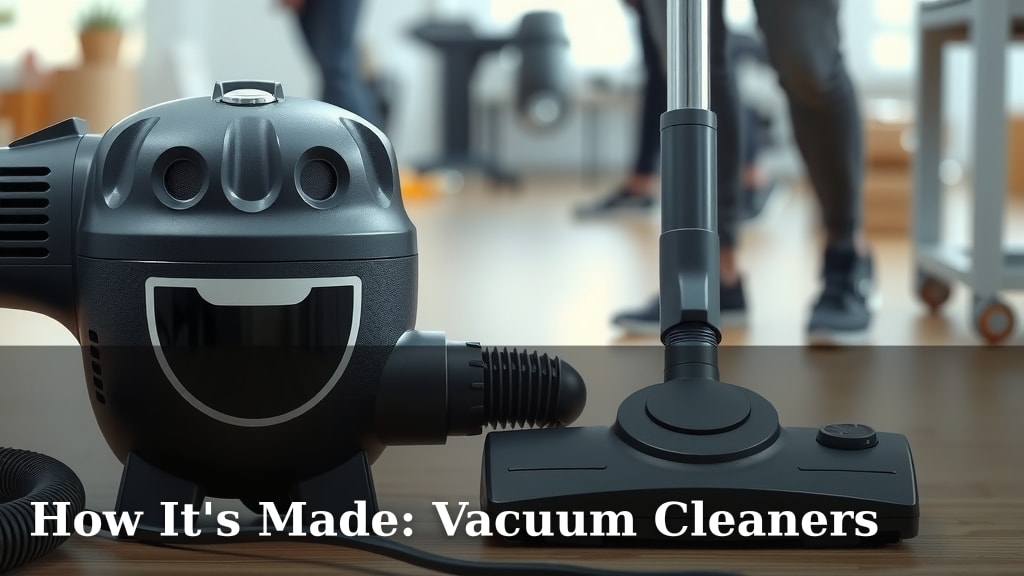
How It’s Made: Vacuum Cleaners
Vacuum cleaners are made through a fascinating manufacturing process. It involves assembling various specialized components. These parts work together to create suction and collect dirt. The entire creation process focuses on efficiency and durability.
From the initial design to the final polish, each step is carefully managed. We found that manufacturers prioritize different aspects for various types, like uprights versus canisters. Understanding the creation journey helps appreciate your machine’s engineering.
- How vacuum cleaners are built starts with component design.
- Assembly lines bring these parts together.
- Testing ensures proper suction and functionality.
- Quality control checks for safety and appearance.
Ready to peek behind the curtain? Let’s walk through exactly how these cleaning marvels come to life, from raw materials to your sparkling floors.
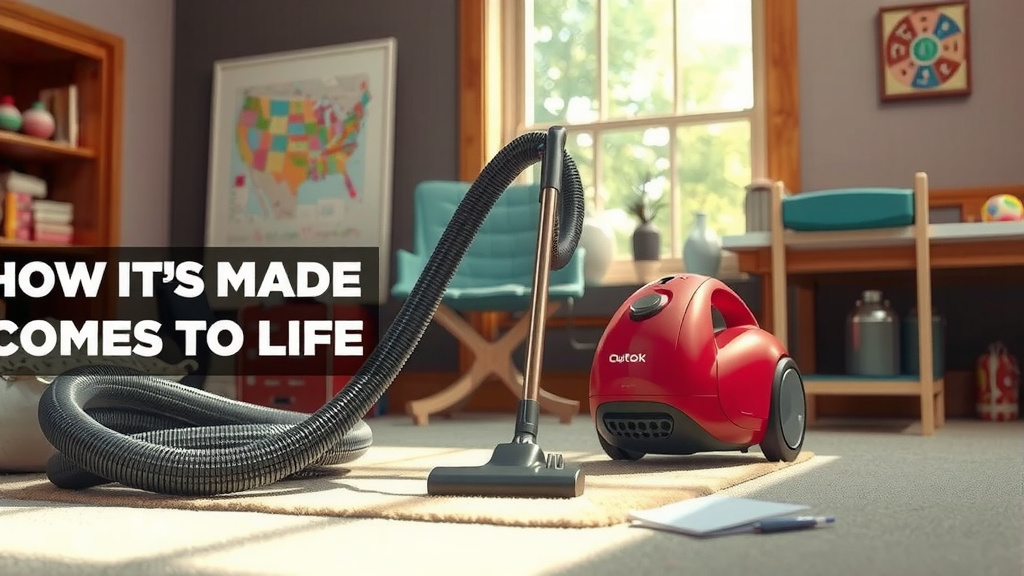
How Your Vacuum Cleaner Comes to Life
Ever wonder what goes into making your trusty vacuum cleaner? It’s more than just a motor and a bag! We’ve looked into the manufacturing process. It’s a carefully orchestrated dance of design, engineering, and assembly. The goal is always to create a machine that’s both powerful and reliable for your home.
From Blueprint to Plastic: The Design Phase
Everything starts with an idea and a detailed blueprint. Engineers and designers map out every single part. They consider how the machine will function. They also think about how easy it will be to use and maintain. This phase is all about innovation and practicality. They determine the type of motor needed. They decide on the shape of the body and handle. Even the color gets chosen here!
Choosing the Right Materials
Once the design is set, material selection begins. Most vacuums use durable plastics. These plastics are lightweight and can be molded into complex shapes. Metal parts are used for high-stress components. This includes motor parts and the extendable wand. We found that manufacturers often use recycled plastics. This helps reduce waste and is a growing trend in manufacturing.
Plastic Molding Magic
Many of the plastic components are made using injection molding. Hot plastic is injected into precise metal molds. The plastic cools and hardens into the desired shape. This method allows for mass production of identical parts. It’s a quick and efficient way to create thousands of components. Think of it like a fancy, high-tech cookie cutter for plastic!
The Heart of the Machine: The Motor
The motor is arguably the most important part. It’s what creates the suction. Manufacturers carefully select motors based on power and efficiency. They need to balance strong suction with reasonable energy consumption. Some motors are designed to be quieter than others. Research and development often focuses on improving motor technology. This leads to lighter, more powerful, and energy-saving machines.
Bringing It All Together: The Assembly Line
With all the individual parts ready, they move to the assembly line. This is where the magic of putting it all together happens. It’s a highly organized process. Workers or automated machines perform specific tasks. Each station adds a new piece or completes a connection. The goal is to build the vacuum quickly and accurately.
Step-by-Step Assembly
The process usually starts with the base or body of the vacuum. Then, the motor is carefully installed. Wiring for the power cord and switches follows. Next, components like the dustbin or bag housing are attached. Filters are placed. Finally, the outer casing is secured. The wand and any attachments are added last. It’s a streamlined production flow.
Quality Control Checks Along the Way
Quality control isn’t just a final step. It happens at multiple points on the assembly line. Workers check that parts fit correctly. They ensure connections are secure. This prevents faulty vacuums from moving forward. Catching issues early saves time and resources. It’s all about consistency and dependability.
Testing for Performance and Safety
Once assembled, every vacuum cleaner undergoes rigorous testing. This is not just a quick flick of a switch. They check for proper suction power. They test the airflow. Electrical safety is a huge concern. Many regulatory bodies set standards for appliance safety. Manufacturers ensure their products meet or exceed these requirements. We found that testing confirms the machine operates as intended.
Suction Power Verification
Engineers use specialized equipment to measure suction. This ensures the vacuum can pick up dirt effectively. They might test on different surfaces. This could include carpet and hard floors. The aim is to guarantee a satisfactory cleaning experience for you.
Durability and Endurance Testing
Some vacuums go through extreme testing. This can involve running the motor for extended periods. They might simulate years of use in a short time. This helps identify potential weak points. It ensures your vacuum can handle regular household chores. Durability is a key factor for customer satisfaction. We found that most reputable brands invest heavily in this. This is to reduce warranty claims and build brand trust.
The Final Touches: Packaging and Shipping
After passing all tests, the vacuums get their final cleaning. Any assembly residue is removed. They are then carefully packaged. Protective materials ensure they arrive in perfect condition. Instructions and warranty information are included. Finally, they are ready to be shipped to stores and directly to you. This whole process focuses on delivering a reliable cleaning tool.
Conclusion
You’ve seen how your vacuum cleaner transforms from raw materials into a cleaning powerhouse. It’s a journey of precise engineering and careful assembly. From initial design and material choices to the motor’s hum and rigorous testing, each step ensures durability and performance. Manufacturers focus on efficiency and quality, so you get a reliable tool. Understanding this process helps you appreciate the technology in your home. Now that you know how they’re made, take a moment to check your vacuum’s filters for optimal performance!
Frequently Asked Questions
How long does it typically take to manufacture one vacuum cleaner?
The exact time can vary, but automated assembly lines are very efficient. From component creation to final packaging, the entire process often takes just a few hours for a single unit. This speed is thanks to highly optimized production flows and specialized machinery.
Are vacuum cleaner motors all made the same way?
Not exactly. While the basic principle of creating suction is similar, motors differ in design for power, noise levels, and energy efficiency. Manufacturers research and develop various motor types to meet different vacuum cleaner needs and performance standards.
Why do some vacuums use bags and others use bins?
The choice between a bag and a bin is often a design decision based on user preference and the vacuum’s intended use. Bags can offer a more contained disposal experience, while bins are reusable and can be more environmentally friendly, reducing ongoing costs.
What kind of plastic is typically used for vacuum cleaner bodies?
Most vacuum cleaner bodies are made from durable, lightweight plastics like ABS (Acrylonitrile Butadiene Styrene) or polypropylene. These materials are chosen for their strength, resistance to impact, and ability to be molded into complex shapes cost-effectively.
How are different suction levels achieved in vacuums?
Suction levels are primarily determined by the motor’s power and the vacuum’s airflow design. Engineers balance motor strength with the path air takes through the machine. Factors like filter design and the seal around the cleaning head also influence how much suction reaches your floor.

![7 Best Miele Canister Vacuum For Hardwood Floors [2026]](https://bathroomexplorer.com/wp-content/uploads/2026/06/7-best-miele-canister-vacuum-for-hardwood-floors-2026-featured-768x432.jpg)