How Long After Shocking a Pool Can You Vacuum?
You can usually vacuum your pool about 24 hours after shocking it. This waiting period is important for two main reasons: safety and effectiveness. Shocking your pool adds a high dose of chlorine to kill algae and bacteria. You need to let this chemical concentration drop to safe levels before swimming or vacuuming.
Giving the shock treatment time to work is key. It needs to circulate and break down contaminants in the water. Vacuuming too soon might just stir up debris before the chlorine has a chance to break it down. Many pool pros recommend waiting, and we found that patience pays off for a cleaner pool.
- Wait 24 hours after shocking your pool.
- This lets chlorine levels drop safely.
- It also gives the shock time to work.
- Vacuuming too soon can be less effective.
- Always test your water before vacuuming.
Let’s walk through exactly why this waiting period matters and what to do before you vacuum.
You’ve just given your pool a good shock treatment, and now you’re wondering when you can get back to regular maintenance. It’s a common question! We understand you want to get your pool sparkling clean. But when is the right time to vacuum after shocking?
When to Vacuum Your Pool After a Shock Treatment
You should wait until your pool’s chlorine levels have returned to normal. This is typically around 24 hours after shocking your pool. This waiting period is essential for safety. It also ensures your vacuuming efforts are effective. We found that patience is key here.
Why the Waiting Period is Necessary
Shocking your pool is like giving it a powerful cleanse. It involves adding a large dose of sanitizer. This helps kill off algae, bacteria, and other contaminants. But this high concentration isn’t safe for you or your equipment right away. So, what’s really going on during that 24-hour wait?
Chlorine Levels Need to Normalize
The main reason for waiting is the high chlorine level. When you shock your pool, the free chlorine levels can be very high. Levels above 4 parts per million (ppm) can be irritating to swimmers’ eyes and skin. They can also damage pool equipment and accessories. The CDC recommends keeping free chlorine levels between 1-4 ppm for safety and sanitation (CDC).
Your pool’s circulation system works hard during this time. It helps to distribute the shock evenly. It also aids in breaking down the excess chlorine. We found that running your pump continuously after shocking is a good practice. This helps speed up the dissipation process.
Giving the Shock Time to Do Its Job
Shocking isn’t just about raising chlorine levels. It’s about allowing that potent dose to sanitize the water effectively. The shock needs time to kill off any living organisms. It also needs to break down organic matter. If you vacuum too soon, you might be disturbing debris before the shock has fully done its work.
Think of it like this: you wouldn’t clean a floor right after mopping it with a disinfectant, would you? You let the disinfectant sit for a bit to kill germs. It’s a similar concept for your pool. We found that letting the shock circulate ensures a deeper clean.
How to Know When It’s Safe to Vacuum
You’ve waited the 24 hours. Great! But how do you know for sure your pool is ready for vacuuming? The best way is to test your water.
Testing Your Pool Water
Before you even think about hooking up your vacuum, grab your pool test kit or strips. You need to check the free chlorine levels. If your free chlorine is reading 4 ppm or below, you’re generally good to go. Many pool professionals agree that this is the magic number.
If your chlorine levels are still higher than 4 ppm after 24 hours, don’t panic. You might need to wait a bit longer. Factors like water temperature, sunlight, and the amount of organic matter in the pool can affect how quickly chlorine dissipates. We found that re-testing every few hours can help you pinpoint the right moment.
Using Your Test Kit Properly
Make sure you’re using your test kit correctly. Follow the instructions on the packaging. This ensures accurate readings. If you’re using test strips, try to read them within the recommended timeframe. For liquid test kits, ensure you’re using fresh reagents.
Visual Clues (Use with Caution)
Sometimes, the water might look clear after 24 hours. This is a good sign. However, clear water doesn’t always mean safe chlorine levels. We found that relying solely on how the water looks can be misleading. Always back up your visual check with a reliable test.
What Kind of Vacuuming Can You Do?
Once your chlorine levels are safe, you can resume regular pool maintenance. This includes vacuuming.
Manual Vacuuming vs. Automatic Cleaners
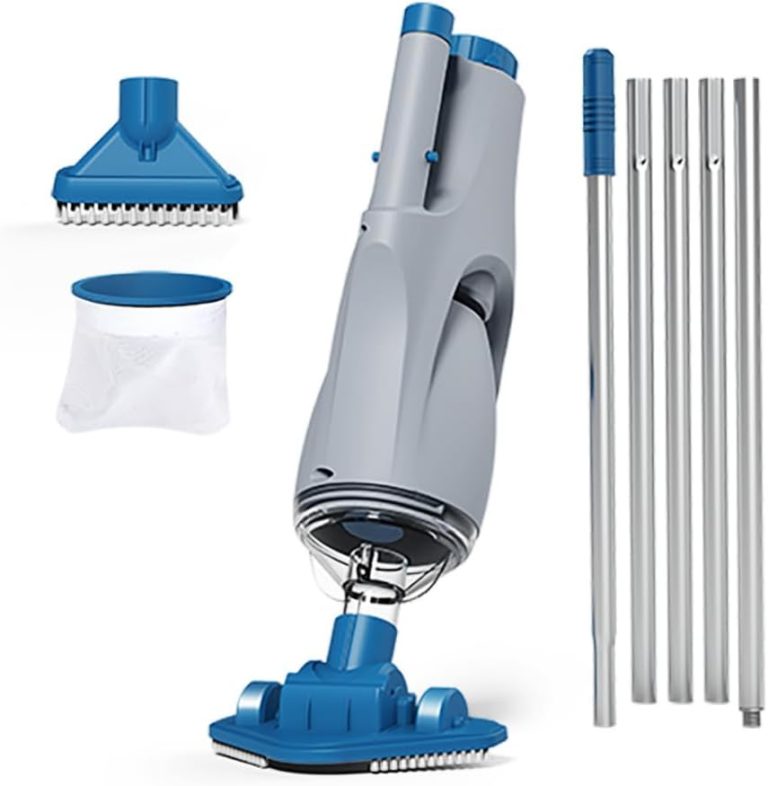
Both manual vacuuming and automatic pool cleaners can be used. If you have an automatic cleaner, you can set it to run once the chlorine levels are safe. If you’re manually vacuuming, take your time. Gently glide the vacuum across the pool floor.
Consider the Debris
If you had a lot of debris before shocking, it might still be settling. Vacuuming will help remove it. However, if you vacuumed a very dirty pool, consider if the shock was able to reach all the surfaces effectively. In some cases, you might need to run your filter a bit longer after vacuuming.
A Quick Checklist Before You Vacuum
To make sure you’re on the right track, here’s a handy checklist:
- Wait at least 24 hours after shocking your pool.
- Run your pool pump continuously during this waiting period.
- Test your free chlorine levels with a reliable test kit.
- Ensure free chlorine is at or below 4 ppm before proceeding.
- Visually inspect the water for clarity, but don’t rely on this alone.
- If in doubt, wait longer and re-test your water.
What if You Vacuumed Too Soon?
Accidents happen! If you find yourself vacuuming before the chlorine levels dropped, don’t stress too much. Your equipment is likely fine. However, the vacuuming might have been less effective. You might notice that debris you were trying to capture stirred right back up into the water.
If this happens, just continue running your filter. Keep an eye on your water chemistry. You might need to do a follow-up water test and vacuuming session later. We found that most pool equipment is built to withstand temporary chemical imbalances.
Maintaining Your Pool Post-Shock
After you’ve vacuumed and your chlorine levels are back to normal, it’s time to get back to your routine. Keep testing your water regularly. Maintaining proper chemical balance is the best way to keep your pool clean and safe.
| Free Chlorine Level (ppm) | Action Recommended |
|---|---|
| > 10 ppm | Wait to swim. Continue running pump and filter. Re-test later. |
| 4-10 ppm | Wait to swim. Generally safe for vacuuming. Re-test before swimming. |
| 1-4 ppm | Safe to swim and vacuum. Maintain this level. |
| < 1 ppm | Consider adding a small amount of sanitizer to maintain level. |
Remember, consistent maintenance prevents the need for frequent shocking. Keeping up with your pool’s needs will save you time and effort in the long run.
Conclusion
You’ve learned that waiting about 24 hours after shocking your pool is the sweet spot for vacuuming. This gives the high chlorine levels time to drop to a safe 4 ppm or below. It also ensures the shock treatment has worked its magic on any algae or bacteria. Remember, testing your water is key before you start. By being patient, you protect your pool equipment and ensure your vacuuming efforts actually clear debris, not just stir it up. Get that test kit ready, and happy swimming!
Frequently Asked Questions
What if my pool’s chlorine level is still high after 24 hours?
Don’t worry if your chlorine is still above 4 ppm after 24 hours. Factors like sunlight, water temperature, and how much your pool needs shocking can affect dissipation. You’ll need to wait a bit longer. Retest your water every few hours until it reaches a safe level.
Can I swim in the pool while waiting to vacuum?
It’s best to wait to swim until your free chlorine levels are between 1-4 ppm. If your chlorine is still high after shocking, it could irritate your eyes and skin. Always test your water before letting anyone get in.
Does running the pool pump help speed up the process?
Yes, absolutely! Running your pool pump continuously after shocking is essential. It helps circulate the shock treatment evenly and aids in dissipating the excess chlorine. This circulation speeds up the process of returning your pool to safe levels.
Is it okay to use an automatic pool cleaner right after shocking?
No, it’s generally not recommended to run your automatic pool cleaner immediately after shocking. Just like with manual vacuuming, you want to wait until the chlorine levels have dropped to prevent potential damage to the cleaner’s components. Stick to the 24-hour wait and test your water first.
What if I accidentally vacuumed my pool too soon?
If you vacuumed before the chlorine levels dropped, don’t stress too much. Your pool equipment is likely durable enough to handle it. The main issue is that your vacuuming might have been less effective, stirring up debris instead of collecting it. Just continue running your filter and re-test your water.
![7 Best Dyson Vacuum For Allergies [2026]](https://bathroomexplorer.com/wp-content/uploads/2026/05/7-best-dyson-vacuum-for-allergies-2026-featured-768x432.jpg)