How Many Amps Does Your Vacuum Cleaner Need
Most vacuum cleaners run on 12 amps or less. Standard household vacuums typically use between 6 and 12 amps. Higher amperage means more power, but it’s not the only thing that matters for cleaning performance. You’ll find this range applies to most corded upright and canister models.
Understanding your vacuum’s amperage helps you know its power draw. This is especially important if you’re concerned about your home’s electrical circuits. A higher amp vacuum might require a dedicated outlet. But don’t worry, most common models are designed for standard home use.
- Most vacuums use 12 amps or less.
- Amperage indicates power draw, not just cleaning ability.
- Higher amp models might need specific outlets.
- Check your vacuum’s manual for exact specs.
- Consider the voltage (usually 120V in the US).
Let’s walk through what amperage means for your vacuum and how to find the right information for your needs.
Understanding Your Vacuum Cleaner’s Amperage Needs
So, you’re wondering about the amps for your vacuum cleaner. It’s a really common question, and honestly, it’s quite straightforward once you break it down.
Most household vacuum cleaners operate within a specific range of amperage. You’ll typically find that your standard corded upright or canister vacuum cleaner uses 12 amps or less.
What Exactly is Amperage (Amps)?
Think of amperage like the “flow” of electricity. It’s a measure of how much electrical current your vacuum needs to run. The more amps, the more electricity it uses.
Amps vs. Watts: What’s the Difference?
People sometimes get amps and watts mixed up. Watts are a measure of total power consumption. It’s calculated by multiplying amps by volts (Voltage x Amps = Watts).
So, while amperage tells you about the *flow*, wattage tells you about the *total power output*. Most vacuum cleaner packaging will list both, but amperage is often the key number for understanding circuit load.
Why Amperage Matters for Your Home’s Electrical System
Your home’s electrical circuits have a limit. They are designed to handle a certain amount of amperage safely. Plugging too many high-amp appliances into one circuit can trip a breaker or, in a worst-case scenario, become a fire hazard.
Understanding your vacuum’s amperage helps ensure you aren’t overloading your home’s wiring. Most modern homes have circuits rated for 15 or 20 amps. This means a standard vacuum (even a powerful one) is usually well within safe limits for a single circuit, especially if it’s the only major appliance running on it.
Typical Amperage Ranges for Different Vacuum Types
The amperage can vary a bit depending on the type and power of the vacuum cleaner. Here’s a general breakdown:
Standard Upright and Canister Vacuums
These are the workhorses of home cleaning. As mentioned, they generally fall between 6 and 12 amps.
A 10-amp vacuum is quite common and offers a good balance of power and efficiency for most household cleaning tasks.
Handheld and Stick Vacuums
These are typically less powerful and therefore draw fewer amps. You might see them running on as little as 4 to 8 amps.
Their smaller size and lighter duty mean they don’t need as much juice. This makes them great for quick cleanups without worrying about your circuit.
Robotic Vacuums
Robotic vacuums are very energy efficient. They usually draw very little power, often under 2 amps while running.
When they are charging, they might draw a bit more, but still significantly less than traditional vacuums.
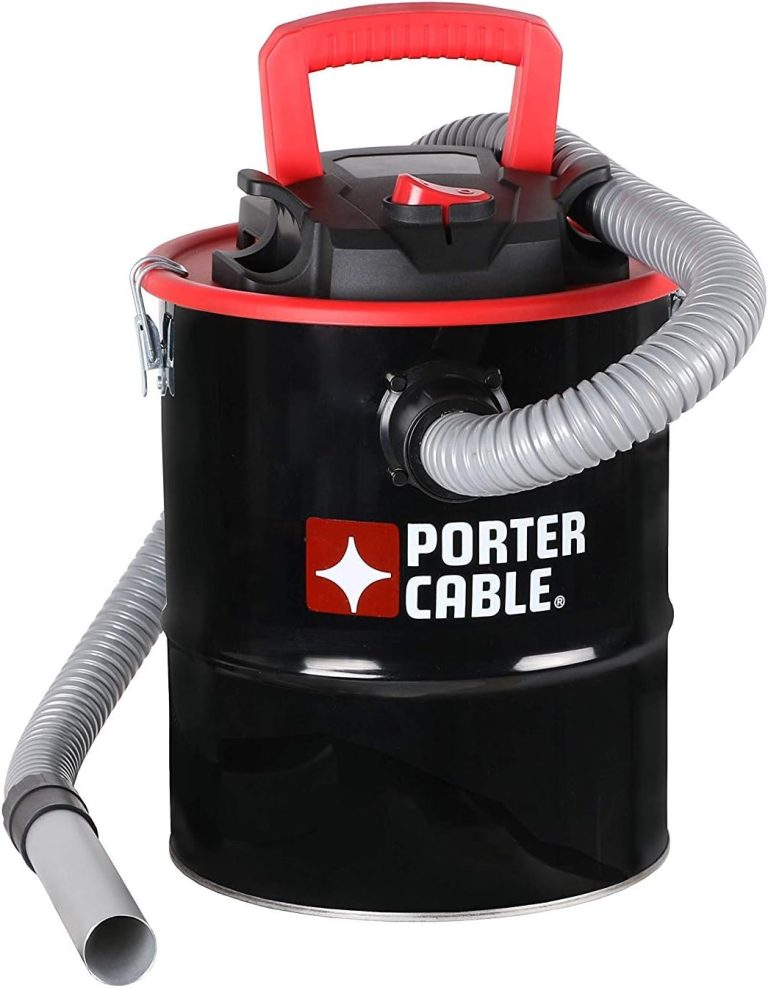
Specialty Vacuums (Wet/Dry Vacs, Shop Vacs)
These are built for tougher jobs and can have higher amperage requirements. Some powerful shop vacs might pull 10 to 15 amps or even more.
If you’re using one of these, it’s especially important to check the amperage and ensure it doesn’t exceed the rating of your outlet or circuit.
How to Find Your Vacuum’s Amperage Rating
Checking your vacuum’s amperage is simpler than you might think. You don’t need to be an electrical engineer!
Check the Vacuum Cleaner’s Label
Most vacuum cleaners have a manufacturer’s label. This label is usually found on the bottom of the vacuum, on the back, or sometimes near the power cord.
It will list important information like the model number, serial number, voltage, wattage, and, importantly, the amperage (often listed as “A” or “Amps”).
Consult Your Owner’s Manual
If you still have it, your owner’s manual is your best friend. It will have a specifications section detailing all the technical information about your vacuum.
Look for a page that lists electrical requirements. It should clearly state the voltage and amperage draw.
Look Up Your Model Online
Can’t find the label or the manual? No problem! Most manufacturers provide product specifications on their websites.
Simply search for your vacuum cleaner’s model number online. You should be able to find its specifications, including amperage, on the manufacturer’s product page or on retail websites.

Voltage: The Other Important Electrical Factor
While amperage is about the flow, voltage is about the electrical “pressure.” In the United States, standard household voltage is 120 volts.
This is important because, as we saw, Watts = Volts x Amps. If you have a vacuum designed for a different voltage (like 240 volts in some European countries), it won’t work correctly or safely in your US home.
Most vacuums sold in the US are designed for 120V and will list it clearly. Just ensure yours matches your home’s standard electrical outlets.
Tips for Using Your Vacuum Safely and Effectively
Knowing your vacuum’s amperage is great, but let’s make sure you’re using it right:
- Always check the label or manual for your vacuum’s specific amperage.
- Ensure the outlet you use is in good condition and properly grounded.
- Avoid using extension cords if possible. If you must, use a heavy-duty one rated for the amperage your vacuum needs.
- Don’t plug your vacuum into a circuit that already has many high-power appliances running.
- If your vacuum has a very high amperage draw (over 12-13 amps), consider a dedicated circuit.
| Vacuum Type | Typical Amperage Range (US) |
|---|---|
| Upright/Canister | 6 – 12 Amps |
| Handheld/Stick | 4 – 8 Amps |
| Robotic | 1 – 2 Amps (while running) |
| Shop Vac/Wet-Dry | 10 – 15+ Amps |
What If Your Vacuum Draws More Amps?
If you’ve checked and your vacuum cleaner pulls more than 12 amps, don’t panic. It just means you need to be a bit more mindful of how you use it.
A vacuum cleaner that draws 14 or 15 amps is still likely safe for a standard 15-amp household circuit, provided it’s the main appliance on that circuit. However, we found that many experts recommend dedicating a circuit to any appliance that consistently draws over 12 amps, just to be safe and prevent nuisance tripping of your circuit breaker.
If you’re unsure about your home’s wiring or circuit capacity, it’s always best to consult a qualified electrician. They can assess your electrical system and ensure it can safely handle your vacuum’s power needs.
Conclusion
You now understand that most vacuum cleaners run on 12 amps or less, making them suitable for standard home circuits. While higher amperage often means more power, it’s crucial to consider your home’s electrical capacity. Always check your vacuum’s label or manual for its exact amp draw and voltage. This simple step ensures you’re using your vacuum safely and effectively, preventing tripped breakers and potential issues.
Your next step? Take a moment to find the amperage rating on your own vacuum cleaner. It’s a quick check that gives you peace of mind about your home’s electrical system and your cleaning power!
Frequently Asked Questions
Do I need a special outlet for a 12-amp vacuum cleaner?
Generally, no. A 12-amp vacuum is well within the safe operating range for most standard 15-amp household circuits. As long as it’s not sharing the circuit with many other high-power appliances, you should be fine using a regular outlet.
Can I use an extension cord with my vacuum cleaner?
It’s best to avoid extension cords if possible, as they can sometimes reduce power or overheat. If you must use one, make sure it’s a heavy-duty cord rated for at least the amperage your vacuum draws and is as short as practical.
What’s the difference between amps and watts on a vacuum?
Amps measure the electrical current’s flow, while watts measure the total power used (Watts = Volts x Amps). Both give you an idea of power, but amperage is key for understanding circuit load and preventing overloads.
Will a high-amp vacuum damage my home’s wiring?
Not if used correctly. Standard household circuits are designed to handle a certain load. A vacuum exceeding 12-13 amps might trip a breaker if the circuit is already heavily loaded, but it’s unlikely to cause permanent damage to properly wired homes.
How do I know if my vacuum is too powerful for my outlet?
If your vacuum draws more than 12-13 amps and you notice your circuit breaker tripping frequently, it might be too powerful for that specific circuit. In such cases, consulting an electrician to assess your wiring or considering a vacuum with a lower amperage draw is a good idea.