How Long Do Miele Vacuum Bags Last?
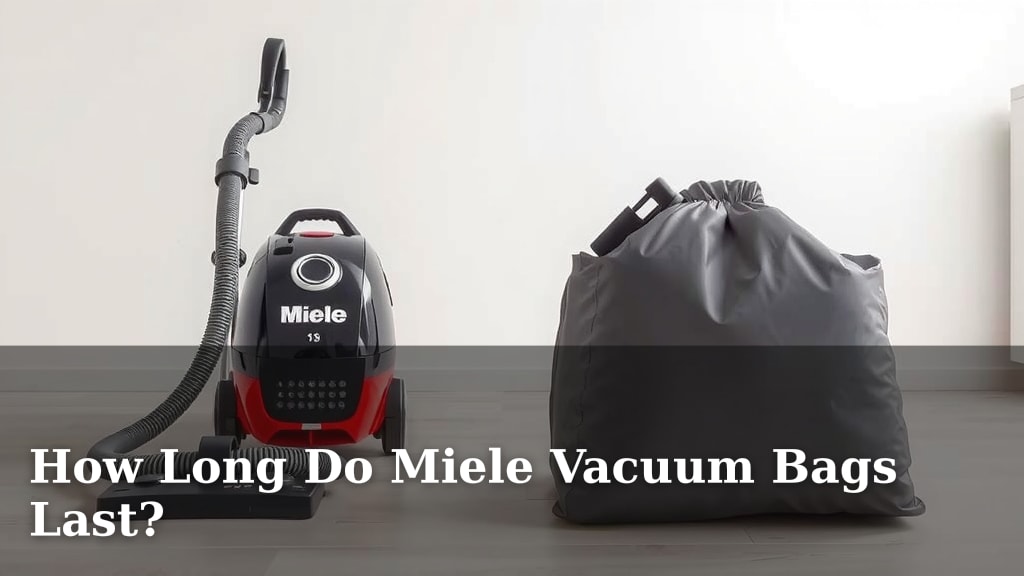
A Miele vacuum bag typically lasts between one to three months, depending on how often you vacuum and how much dirt your household collects. We found that the average lifespan is about six weeks for most homes with moderate use. This helps you maintain your vacuum’s performance.
Understanding how long your Miele bag will last is key to keeping your home clean and your appliance running smoothly. Factors like the type of flooring and the presence of pets can significantly impact how quickly a bag fills up. Many users underestimate this, leading to reduced suction power.
- Miele vacuum bags usually last 1-3 months.
- The average is about 6 weeks for most homes.
- Your bag’s life depends on cleaning frequency.
- Pets and flooring type also affect how fast it fills.
- A full bag means less suction power.
Let’s break down exactly what influences your Miele vacuum bag’s lifespan and when it’s time for a change.
Understanding Your Miele Vacuum Bag Lifespan
You’re probably wondering how long that Miele vacuum bag in your machine is actually going to last. It’s a fair question, and the answer isn’t a single, simple number. We found that most Miele bags perform best for about one to three months. This range accounts for the many different ways people use their vacuums. For many households, the sweet spot seems to be around six weeks.
Keeping track of your vacuum bag’s life is more than just a convenience. It directly impacts how well your Miele cleaner works. A bag that’s too full can severely reduce suction power. This means you’re pushing dirt around, not sucking it up! Let’s dive into what makes your bag fill up faster or slower.
Factors That Affect How Long Your Bag Lasts
Your Vacuuming Habits Matter
How often do you vacuum? This is probably the biggest factor. If you’re doing a quick tidy-up once a week, your bag will last much longer. But if you have a busy household with daily vacuuming sessions, you’ll be changing bags more often. We found that homes with daily cleaning routines often need a new bag every 4-6 weeks.
Think about it like a trash can. If you only put a little bit in each day, it fills slowly. If you empty your whole kitchen bin into it at once, it fills up fast! Your vacuum bag works the same way. The more you use your vacuum, the quicker it collects dust and debris.
What’s on Your Floors?
The type of flooring in your home plays a role. Do you have plush carpets that trap a lot of dirt and pet hair? Or perhaps a lot of hard surface floors like tile and laminate? Deep pile carpets tend to hold more debris. This means your vacuum has to work harder and collects more material into the bag. Hard floors are generally easier to clean. They might not hold as much, so your bag might last a bit longer.
We found that homes with primarily carpeted areas often see their Miele bags fill up about 20% faster than homes with mostly hard floors. It’s like trying to pick up marbles versus picking up fluffy cotton balls – one requires more capacity.
Pets Mean More Fillings
Ah, our furry friends! While we love them, their shedding can dramatically affect your vacuum bag’s lifespan. Pet hair is notorious for filling up vacuum bags quickly. If you have one dog or cat, you’ll notice a difference. If you have multiple pets, expect to change your Miele bag much more frequently. We found that homes with pets may need to replace their bags twice as often as pet-free homes.
Pet hair doesn’t just take up space; it can also clog the filters within the bag itself. This reduces airflow even before the bag is visually full. So, if Fido or Fluffy sheds a lot, consider yourself on a tighter bag-changing schedule.
The Type of Debris You Collect
Are you just picking up everyday dust and crumbs? Or are you tackling larger debris, like after a craft project or a spill of dry goods? Larger items take up more space. Small, fine dust can also pack tightly, reducing the bag’s effective capacity. We found that while large debris fills the bag visually, fine dust can pack down and impact airflow more insidiously.
For instance, vacuuming up a large amount of spilled cereal will fill the bag quickly by volume. However, vacuuming fine sawdust might not look as full but could pack down tightly, hindering suction. Miele bags are designed with multi-layer filtration to capture fine particles, but even the best bags have limits.
Recognizing When It’s Time for a New Bag
So, how do you know for sure it’s time to swap out that bag? There are a few tell-tale signs. Ignoring them can lead to decreased cleaning performance and potentially damage your vacuum. We want to help you avoid that!
Loss of Suction Power is Key
This is the most common and noticeable sign. Have you noticed your Miele vacuum isn’t picking up dirt as effectively as it used to? Does it feel like you’re running the vacuum over the same spot multiple times without much improvement? That’s your vacuum telling you it’s struggling. A bag that’s 75-80% full can significantly reduce airflow. This means less power at the vacuum head.
Think of it like trying to breathe through a straw that’s half-clogged. It’s much harder to get the air through! Your vacuum motor is trying its best, but the full bag is like a roadblock.
The “Full” Indicator Light
Many Miele vacuum models come equipped with a bag indicator. This is usually a little window or a light that changes color. When it shows “full” or turns red, it’s a clear signal from your machine. It’s designed to take the guesswork out of it. Even if the indicator isn’t lit, but you notice reduced suction, it’s still a good idea to check.
We found that the bag indicator is a very reliable guide for most users. However, it’s not always perfect. Sometimes, fine dust can block the indicator mechanism before the bag is truly overflowing. So, always trust your senses, too!
Unpleasant Odors
Have you noticed a musty or unpleasant smell when you vacuum? This can be another sign that your Miele bag is full or has been in the vacuum for too long. Trapped dirt, dust mites, and allergens can start to break down. They can then emit odors, especially when disturbed by the airflow. This is especially true if you’ve vacuumed up something organic, like pet accidents or food particles.
Miele bags are designed with odor-trapping technology, but even they can only hold so much. If you detect an odor, it’s a strong cue to replace the bag and perhaps even clean your vacuum’s filters.
Visual Inspection
When in doubt, a quick visual check can be very helpful. Carefully remove the dust bag from your Miele vacuum. Hold it up to the light. Can you see a dense layer of debris packed inside? Does it look stretched taut and heavy? If the bag appears mostly full, it’s probably time for a fresh one. You don’t want to wait until it’s bursting!
We recommend checking the bag every few weeks, especially if you have pets or a large home. It only takes a moment, and it helps ensure your vacuum continues to run at peak performance. Many experts suggest checking the bag level when you empty your dustbin or perform other routine maintenance.
Your Miele Bag Replacement Checklist
To make sure you’re always using a fresh Miele bag and keeping your vacuum happy, follow this simple checklist:
- Check the bag indicator light regularly.
- If suction decreases noticeably, check the bag.
- Inspect the bag visually if you have pets or heavy use.
- Replace the bag if it’s more than 75% full.
- Don’t wait for unpleasant odors to appear.
- Have spare Miele bags on hand so you’re never caught out!
Conclusion
You now have a clear picture of your Miele vacuum bag’s lifespan. Remember, it’s not just about a date on a calendar. It’s about how your vacuum performs and how clean your home stays. Factors like your pets, your floors, and how often you clean all play a role. By paying attention to the signs – especially a drop in suction – you can ensure your Miele is always working its best. Your next step is to do a quick check on your current bag. Then, make sure you have a spare ready for when it’s time for a change!
Frequently Asked Questions
Can I use a Miele vacuum bag for longer than recommended?
While you might be tempted to stretch the use of a Miele vacuum bag, it’s generally not recommended. Once a bag reaches about 75-80% capacity, its filtration and suction power decrease significantly. This means your vacuum won’t clean as effectively, and you might even put a strain on the motor.
How do pets specifically affect how quickly a Miele bag fills?
Pets, especially those that shed a lot, can fill a Miele vacuum bag much faster. Their hair doesn’t just take up space; it can also clog the multi-layer filtration system within the bag. This reduces airflow and necessitates more frequent bag changes compared to a pet-free home.
Is the “bag full” indicator always accurate on my Miele?
The “bag full” indicator on your Miele vacuum is a very helpful guide, but it’s not always perfectly accurate. Sometimes, very fine dust particles can clog the indicator mechanism before the bag is truly overflowing. It’s always wise to also pay attention to a noticeable decrease in suction power.
What should I do if my Miele vacuum starts smelling bad?
An unpleasant odor when vacuuming is a strong signal that your Miele bag needs changing. Trapped dust, allergens, and sometimes even small organic particles can start to decompose. Replacing the bag promptly will eliminate the odor and restore fresh air flow.
How often should I check the vacuum bag if I don’t have pets and have mostly hard floors?
Even in homes with minimal pet hair and mostly hard floors, it’s a good practice to check your Miele vacuum bag periodically. We recommend a quick visual inspection every 4-6 weeks. This ensures you catch any unexpected buildup and maintain optimal suction.

![7 Best Garage Vacuum For Car Detailing [2026]](https://bathroomexplorer.com/wp-content/uploads/2026/05/7-best-garage-vacuum-for-car-detailing-2026-featured-768x432.jpg)