
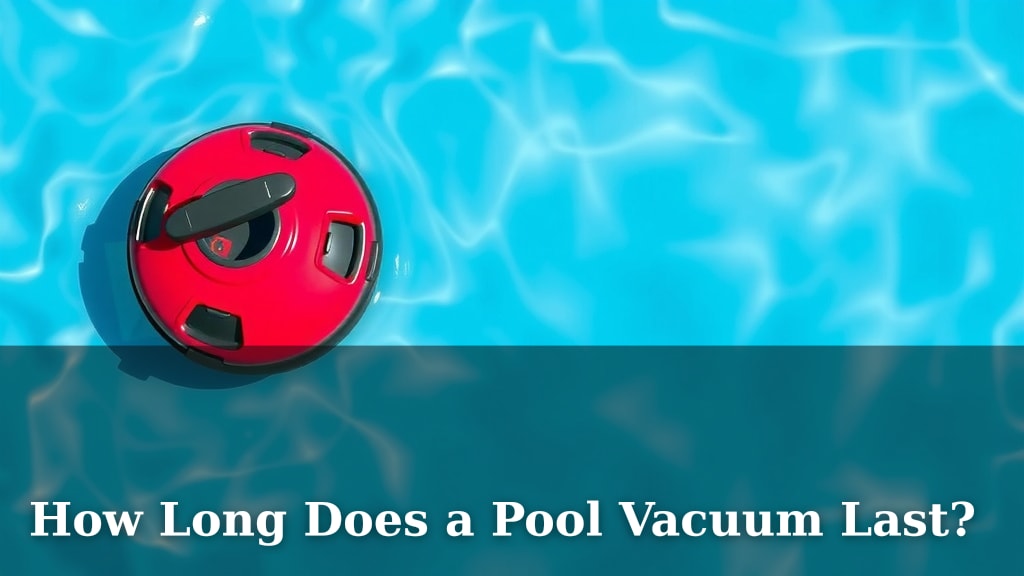
How Long Does a Pool Vacuum Last?
The lifespan of a pool vacuum can vary, but you can generally expect most robotic pool cleaners to last between 3 to 5 years. Automatic pool cleaners, including suction-side and pressure-side models, often have a similar average lifespan. While some may last longer with excellent care, others might need replacing sooner due to wear and tear or specific pool conditions. Understanding what affects their durability can help you make yours last.
Factors like the quality of the cleaner, how often you use it, and your pool’s water chemistry play a big role. Pool debris, like sharp leaves or rougher surfaces, can also wear down components faster. Regular maintenance and proper storage are key to maximizing your pool vacuum’s life. We found that many owners get more use from their cleaners by following simple best practices.
- Robotic pool vacuums typically last 3-5 years.
- Suction and pressure-side cleaners have a similar average lifespan.
- Usage frequency and pool conditions greatly impact durability.
- Regular maintenance and proper storage extend cleaner life.
- Quality of the unit also plays a role in longevity.
So, how long can you really expect your trusty pool cleaner to keep your water sparkling? Let’s break down the factors that influence its lifespan and how you can get the most out of your investment.
Your Pool Vacuum’s Lifespan: What to Expect
You’ve invested in a pool vacuum to keep your swimming space clean. So, how long can you expect this handy gadget to serve you? Generally, most pool vacuums, whether robotic, suction-side, or pressure-side, can last between **3 to 5 years**. This timeframe isn’t set in stone, though. Many factors can influence this, and some users might get more or less life out of their units.
Think of it like a car. With proper care and regular maintenance, even a mid-range car can last a long time. The same applies to your pool cleaner. Understanding what impacts its durability is your first step to making it last as long as possible.
Understanding Different Pool Vacuum Types and Their Lifespans
The type of pool vacuum you own plays a role in its expected lifespan. While the average is similar across the board, each type has unique components that can wear differently.
Robotic Pool Vacuums
These are the independent workers of the pool cleaning world. They have their own motors, filters, and power sources, making them quite self-sufficient. Because of this autonomy and advanced design, many robotic cleaners are built for durability. We found that robotic models often have a lifespan of **3 to 5 years**, with some high-end models potentially lasting even longer with excellent care.
Their lifespan hinges on their internal mechanisms. The motors, brushes, and cleaning tracks all experience wear. If you notice reduced cleaning power or mobility issues, it might signal that internal components are nearing the end of their operational life.
Suction-Side Pool Vacuums
These cleaners are simpler in design. They connect to your pool’s skimmer and use the existing water circulation system to move around and suck up debris. Their reliance on your pool’s pump means fewer internal parts to break. However, this also means they are constantly exposed to your pool’s water chemistry and potential debris. Most suction-side cleaners can last **3 to 5 years**. Their primary wear points are usually the hoses and the intake valve.
The constant flow of water and debris can be abrasive. Sharp objects or rough pool surfaces can also cause damage over time. We found that keeping the intake clear is crucial for preventing strain on the pump and the cleaner itself.
Pressure-Side Pool Vacuums
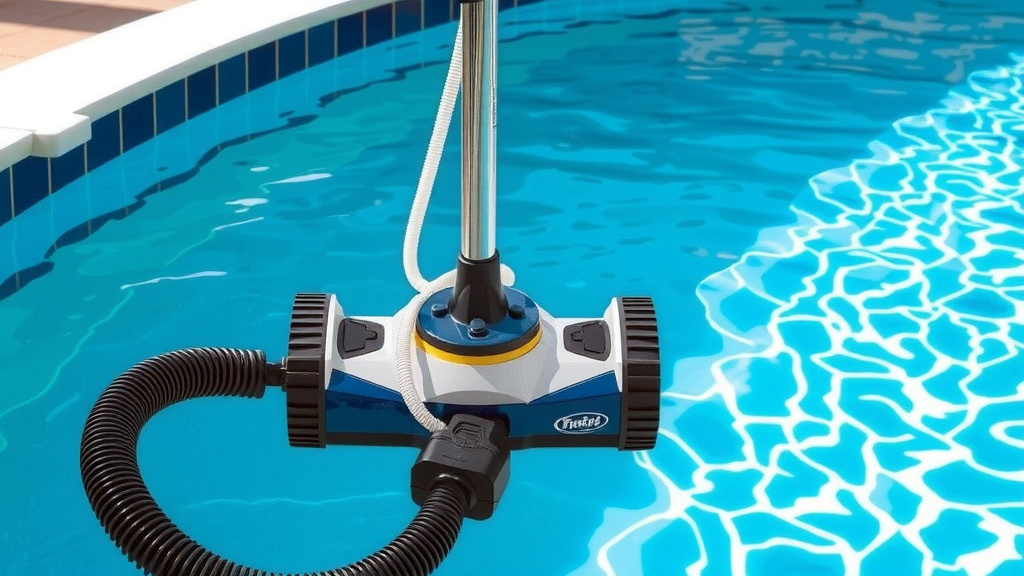
Similar to suction-side cleaners, pressure-side vacuums also use your pool’s pump system, but they connect to a return jet. They use water pressure to propel themselves and create a venturi effect to collect debris in a special bag. These models tend to be quite robust. Many users report their pressure-side cleaners lasting **3 to 5 years**. The main components to monitor are the impeller and the debris bag, which can get worn or torn.
Their operational lifespan often depends on the integrity of the hoses and the debris collection system. A damaged bag or a worn impeller can significantly reduce their efficiency and shorten their usable life.
Factors That Influence Your Pool Vacuum’s Longevity
Beyond the type of vacuum, several other elements play a critical role in how long yours will last. Understanding these can help you protect your investment.
Usage Frequency: More Work, More Wear
How often you run your pool vacuum directly impacts its lifespan. A cleaner used daily in a high-traffic pool will naturally experience more wear and tear than one used only weekly in a lightly used pool.
If your pool is constantly collecting leaves, dust, or other debris, you’ll likely need to run your vacuum more often. This increased usage means its components will be working harder and for longer periods. We found that users with pools prone to heavy debris often see a slightly shorter lifespan from their vacuums due to this increased workload.
Pool Conditions: Your Pool’s Environment Matters
The environment your pool vacuum operates in is a major determinant of its durability. Factors like pool size, shape, and surface material can all have an effect.
Debris Type and Volume
Are you dealing with fine dust, or do you often find large, sharp leaves or twigs? Larger, sharper debris can be particularly tough on a vacuum’s internal parts, brushes, and filters. We found that pools with abrasive debris, like large branches or rough plant matter, can shorten the life of a pool vacuum by wearing down components faster.
Pool Surface and Shape
Some pool surfaces are rougher than others. Vinyl liners can be more forgiving, while concrete or plaster surfaces might cause more abrasion over time. Steep walls or complex shapes can also put extra strain on a vacuum’s motors and navigation systems. Experts suggest that cleaner movements in simple, smooth-surfaced pools tend to lead to longer lifespans.
Water Chemistry: A Delicate Balance
Maintaining proper pool water chemistry is vital not just for your swimmers’ health but also for your equipment. Extreme pH levels, high chlorine concentrations, or the presence of certain chemicals can degrade plastic and rubber components over time.
We found that consistently unbalanced water, particularly with high chlorine levels, can make hoses brittle and casings susceptible to cracking. Following recommended guidelines for chlorine, pH, and alkalinity can help protect your vacuum (CDC). Regularly testing your water is a small step with big benefits for your equipment.
Maintenance and Care: The Golden Rules
Just like any mechanical device, your pool vacuum needs a little TLC to perform its best and last as long as possible. Skipping maintenance is a surefire way to shorten its life.
Regular Cleaning and Inspection
After each use, take a moment to clean out the vacuum’s filter basket or debris bag. Rinse off any accumulated debris from the unit itself. Check for any visible damage to brushes, wheels, or hoses.
We found that users who make cleaning their vacuum part of their regular pool maintenance routine often report their units lasting longer. It’s a small effort that prevents smaller issues from becoming bigger problems.
Proper Storage
When your pool vacuum isn’t in use, it should be stored properly. This means keeping it out of direct sunlight and extreme temperatures. UV rays can degrade plastic components, making them brittle.
Many manufacturers recommend storing the vacuum in a cool, dry place. Some even suggest covering it. This simple step protects it from environmental damage when it’s not actively cleaning your pool.
When to Consider a Replacement
Sometimes, even with the best care, parts wear out. Here are a few signs that your pool vacuum might be nearing the end of its service life:
- Consistent loss of suction power that can’t be fixed by cleaning the filter.
- The unit is moving erratically or stops moving altogether.
- Brushes are significantly worn down or missing.
- Cracks or significant damage to the casing, hoses, or wheels.
- The motor makes unusual noises or struggles to operate.
If you’re experiencing several of these issues, it might be more cost-effective to invest in a new pool vacuum rather than attempting complex repairs, especially if the unit is several years old.
Conclusion
You now know that your pool vacuum likely has a lifespan of 3 to 5 years. Remember, this isn’t a hard limit. By understanding how factors like vacuum type, usage frequency, pool conditions, and water chemistry affect durability, you can take better care of your cleaner. Consistent maintenance, like regular cleaning and proper storage, is your best bet for maximizing its life. If you’re seeing signs of significant wear, it might be time to consider a replacement to keep your pool sparkling without hassle.
Frequently Asked Questions
Can I extend the life of my pool vacuum beyond 5 years?
Yes, with diligent care, some pool vacuums can last beyond the average 5-year mark. Regular cleaning, proper storage away from the elements, and addressing minor issues promptly can significantly contribute to longevity.
How does the type of pool surface affect my vacuum’s lifespan?
Rougher pool surfaces like concrete can cause more abrasion on your vacuum’s brushes and wheels compared to smoother surfaces like vinyl liners. This increased wear can potentially shorten its operational life.
What should I do if my pool vacuum stops working properly?
First, perform basic maintenance like cleaning the filter and checking for debris obstructions. If the problem persists, consult your vacuum’s manual for troubleshooting tips or contact the manufacturer for repair options.
Is it better to repair my old pool vacuum or buy a new one?
This often depends on the age of your vacuum and the cost of repairs. If your unit is several years old and facing multiple issues, investing in a new one might be more cost-effective in the long run.
How often should I clean my pool vacuum’s filter or debris bag?
You should aim to clean your pool vacuum’s filter or debris bag after every use. This simple step ensures optimal performance and prevents strain on the unit, contributing to a longer lifespan.

![7 Best Handheld Vacuum For Cat Hair [2026]](https://bathroomexplorer.com/wp-content/uploads/2026/05/7-best-handheld-vacuum-for-cat-hair-2026-featured-768x432.jpg)