How Long After Bed Bug Treatment Can I Vacuum?
You can typically vacuum right after your professional bed bug treatment, but it’s best to wait at least 24 hours. This waiting period ensures the treatments have enough time to work effectively. Some treatments need this time to settle and dry completely before you disturb the treated areas.
We know you’re eager to get back to normal after battling bed bugs. Vacuuming helps remove dead bugs and eggs, but doing it too soon can interfere with the treatment’s effectiveness. We’ve found that allowing a short waiting period maximizes the chances of eliminating the infestation for good.
- Wait at least 24 hours after treatment before vacuuming.
- This allows treatments to settle and become effective.
- Vacuuming too soon can remove residual treatments.
- Consult your pest control professional for specific advice.
Let’s walk through exactly why this waiting period is so important and what you should do to get your home clean and bug-free.
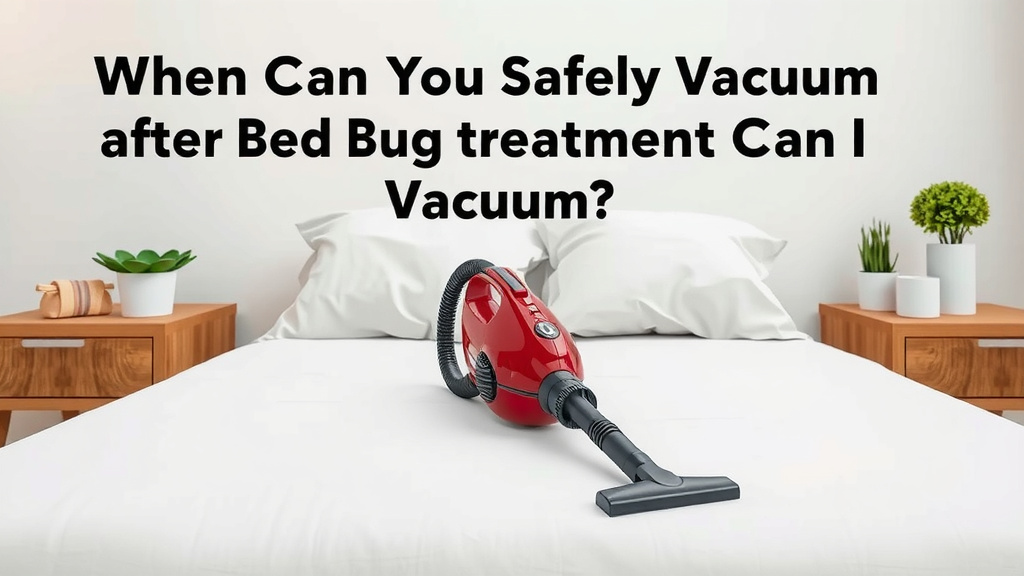
When Can You Safely Vacuum After Bed Bug Treatment?
You’ve done the hard part: you called the pros and had your home treated for bed bugs. Congratulations! Now you’re probably wondering when you can get back to your usual cleaning routine, especially vacuuming. It’s a very common question, and the answer isn’t a simple “anytime.”
Most pest control professionals recommend waiting at least 24 hours after a bed bug treatment before you vacuum. This waiting period is essential for the treatments to work as intended. Some treatments need this time to properly settle and dry.
Why the Waiting Game? Understanding Treatment Types
The reason for waiting often depends on the specific methods your pest control company used. Different treatments have different drying and settling times. It’s like letting a cake bake before you try to take it out of the oven – you need to let it do its thing.
Residual Insecticides: The Lingering Effect
Many professional treatments involve applying residual insecticides. These are liquids or dusts that remain active for a period, killing any remaining bed bugs that were not present during the initial treatment. They are often applied to baseboards, cracks, and crevices.
If you vacuum too soon, you risk removing this residual treatment before it has had a chance to kill those hidden bugs. We found that this is one of the main reasons experts suggest a waiting period. It ensures the chemicals can continue their work effectively.
Heat Treatments: Let it Cool Down
If your treatment involved heat, the waiting period is also about safety and effectiveness. The high temperatures used can make surfaces very hot.
Allowing the treated areas to cool down is crucial before you start vacuuming. This prevents any potential heat-related damage to your vacuum cleaner. It also ensures that any remaining microscopic pests are fully eradicated by the sustained heat.
Other Treatment Methods
Some treatments might involve steam, cryogenics (freezing), or even specific types of dusts. Each has its own needs.
For instance, steam treatments need surfaces to dry completely. Vacuuming too early on a damp surface can actually spread moisture and potentially lead to other issues. Always check with your technician about their specific methods.
What Vacuuming Does (And Doesn’t Do) After Treatment
Once the waiting period is over, vacuuming becomes a very helpful tool. It’s great for removing dead bed bugs and any eggs that might have survived the initial treatment. This physical removal helps clean up your home and reduces the visual reminder of the infestation.
The Benefits of Vacuuming at the Right Time
Vacuuming can remove dead bugs and eggs. This step is important for sanitation. It can also help remove any disturbed dust or debris from the treatment process.
You should aim to vacuum areas where bed bugs are commonly found. This includes mattresses, box springs, carpets along baseboards, and furniture.
What to Do With Your Vacuum Bag or Canister
This is a critical step often overlooked. After you vacuum, you need to deal with the contents of your vacuum cleaner carefully. Bed bugs and their eggs can survive inside for a while.
Immediately after vacuuming, remove the vacuum bag or empty the canister outdoors. Seal the bag tightly and dispose of it in a trash bin away from your home. If you have a canister vacuum, empty the contents into a sealed plastic bag before putting it in the outdoor trash.
How to Vacuum Effectively Post-Treatment
To make sure you’re getting the most out of your vacuuming efforts, follow these simple steps. You want to be thorough without undoing the professional treatment.
Target the Right Areas
Focus your vacuuming on areas where bed bugs are known to hide and where treatments were applied. This includes:
- The seams and tufts of your mattress and box spring.
- Around the baseboards of rooms.
- Inside and behind furniture, especially beds and couches.
- In cracks and crevices in walls or floors.
- Carpeted areas, paying close attention to the edges.
Use the Right Attachments
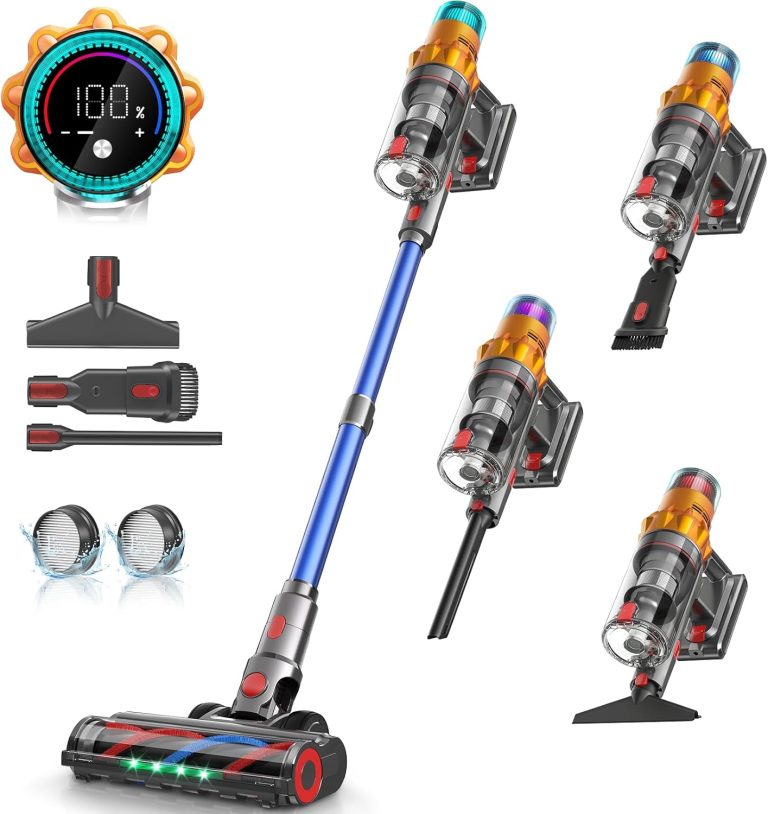
A crevice tool is your best friend for getting into those tight spots where bed bugs love to hide. A brush attachment can help agitate surfaces and pick up more debris and potential pests.
Using a vacuum with strong suction is also beneficial. It helps ensure you are effectively removing any dead bugs or eggs from deep within fabrics or carpets.
Post-Vacuuming Cleanup
Remember to clean your vacuum itself afterward. Wipe down the exterior and check the hose for any debris. This keeps your vacuum in good working order for future cleaning needs.
Your Post-Treatment Cleaning Checklist
Here’s a quick guide to help you manage your cleaning after bed bug treatment:
- Wait at least 24 hours before vacuuming.
- Consult your pest control professional for specific advice.
- Vacuum thoroughly in targeted areas.
- Empty your vacuum bag/canister outdoors immediately.
- Seal and dispose of the vacuum bag in outdoor trash.
- Repeat vacuuming as recommended by your technician.
When to Seek Professional Re-Evaluation
Even after treatment and careful cleaning, you might still have concerns. If you continue to see signs of bed bugs after your scheduled follow-up treatments, it’s important to contact your pest control company again.
Sometimes, a second or even third treatment is necessary for complete eradication. This is especially true for severe infestations or if new bugs are hatching. Don’t hesitate to reach out to them. They are the experts who know your situation best.
Your goal is a completely bed bug-free home. Following these cleaning guidelines helps ensure the professional treatment is as effective as possible. You’re on the right track to reclaiming your space and your peace of mind!
Conclusion
You’re so close to getting your home back to normal! Remember, patience is key after bed bug treatment. Waiting at least 24 hours before vacuuming allows the treatments to do their job effectively. This short pause helps ensure those residual insecticides or heat treatments have time to work fully.
Once you vacuum, be sure to dispose of the contents properly outdoors. Keep up with your pest control professional’s advice for ongoing monitoring and cleaning. You’ve got this, and a bed bug-free home is well within reach!
Frequently Asked Questions
Can I vacuum the same day as treatment?
Generally, it’s best to avoid vacuuming on the same day as your bed bug treatment. Most professionals recommend waiting a minimum of 24 hours. This period gives the applied treatments, especially residual sprays, time to settle and remain effective without being immediately removed.
What if my pest control service says I can vacuum right away?
Always follow your pest control professional’s direct instructions. If they give you the okay to vacuum sooner than 24 hours, it’s likely due to the specific products or methods they used. They know your situation best and will guide you on the safest and most effective approach.
How often should I vacuum after treatment?
Your pest control technician will likely provide a recommended schedule for post-treatment vacuuming. Often, this involves vacuuming key areas every few days for the first couple of weeks. This consistent cleaning helps remove any newly hatched bugs or those that emerge later.
Can vacuuming spread bed bugs if done too soon?
Vacuuming too soon, especially if surfaces are still wet from treatment, could potentially spread moisture. However, the primary concern with vacuuming too early is removing the residual insecticides before they’ve had a chance to kill remaining bugs. Properly sealing and disposing of your vacuum bag afterwards is crucial to prevent spreading any collected pests.
Do I need to vacuum my mattress after treatment?
Yes, vacuuming your mattress and box spring is important after treatment, but only after the recommended waiting period. Focus on the seams, tufts, and edges where bed bugs like to hide. This helps remove any dead bugs or eggs that may be present, contributing to a cleaner sleeping environment.
![7 Best Handheld Vacuum For Baseboards [2026]](https://bathroomexplorer.com/wp-content/uploads/2026/05/7-best-handheld-vacuum-for-baseboards-2026-featured-768x432.jpg)