How Long Does Food Last in a Vacuum Sealed Bag?
So, how long does food last in a vacuum sealed bag? Generally, vacuum sealing can extend the shelf life of food by 3 to 5 times compared to traditional storage methods. This means your fresh foods can stay safe and delicious for much longer, saving you money and reducing waste. You might be surprised by the difference it makes for your groceries!
When food is vacuum sealed, the removal of air drastically slows down the oxidation process. This oxidation is a primary culprit behind spoilage and nutrient loss. It also prevents the growth of certain bacteria and mold that need oxygen to thrive. Proper vacuum sealing offers a powerful barrier against these spoilage agents.
- Vacuum sealing extends food life 3-5x longer than normal.
- It prevents spoilage by removing oxygen.
- This slows down oxidation and bacteria growth.
- Frozen foods last much longer with vacuum sealing.
- Refrigerated foods also benefit significantly.
We’ve looked into how long different types of food can last when vacuum sealed. Below, we’ll break down the specifics for various food categories so you know exactly what to expect.
How Long Can Food Stay Fresh in a Vacuum Sealed Bag?
So, you’ve got your shiny new vacuum sealer, and you’re wondering how long that steak or those berries will actually last. It’s a great question! Vacuum sealing makes a huge difference in preserving your food’s freshness. Think of it as giving your food its own personal, air-free spa treatment.
We’ve found that vacuum sealing can extend the life of many foods by a remarkable three to five times compared to just wrapping them in plastic or tossing them in a container. This means less food waste and more delicious meals for you. Let’s dive into what that looks like for different kinds of food.
Shelf Life Extension: The Science Behind It
Why does removing air work so well? It’s all about slowing down the enemies of fresh food: oxygen and moisture. When air is removed, you significantly reduce the rate of oxidation. This is the process that causes fats to go rancid and colors to fade. It also stops certain spoilage microbes that need oxygen to multiply.
Many experts agree that air is a major factor in food degradation. By creating a vacuum seal, you’re essentially putting your food into a state of suspended animation, keeping it closer to its original, fresh condition for much longer. It’s a simple concept with powerful results.
Vacuum Sealing in the Freezer: A Game Changer
Freezing is fantastic, but have you ever pulled something from the freezer only to find icy crystals and a weird, dry texture? That’s freezer burn, and it happens when air gets to your food. Vacuum sealing is your secret weapon against it.
Meats in the Freezer
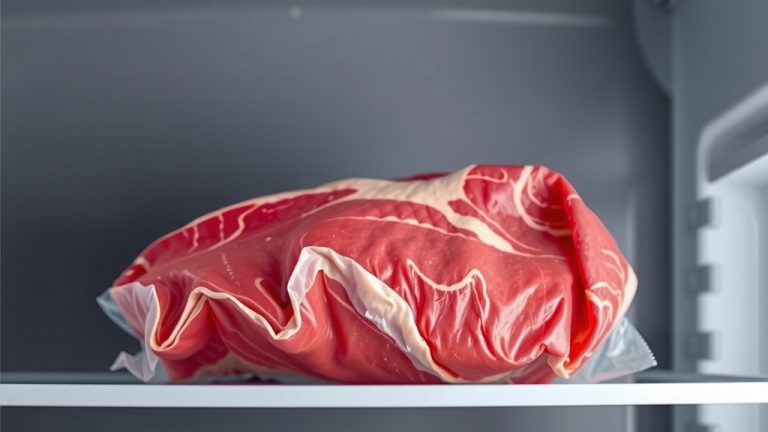
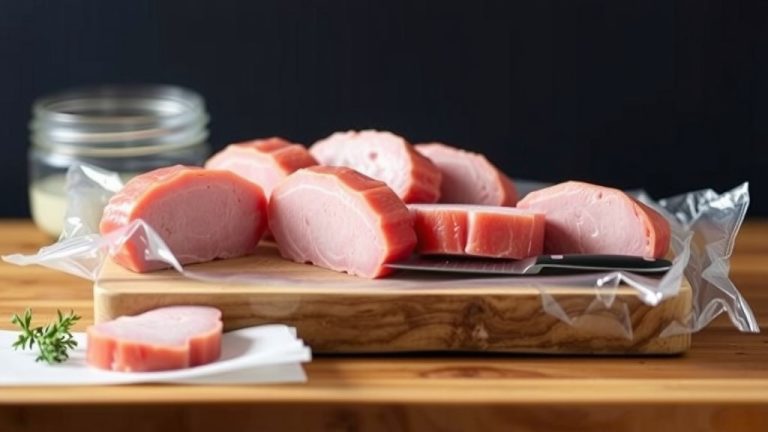
Fresh steaks, chicken breasts, or pork chops can typically last about 6 months in the freezer when stored traditionally. However, when vacuum sealed, these same meats can stay good for 2 to 3 years! Yes, you read that right. The seal prevents those damaging ice crystals from forming on the surface.
Fish in the Freezer
Fatty fish like salmon or tuna are especially susceptible to spoilage and freezer burn. Traditionally, they might last only 2-3 months in the freezer. With vacuum sealing, you can extend that to about 1 to 2 years. Leaner fish will also see a boost, potentially lasting 2-3 years when sealed.
Vegetables and Fruits in the Freezer
Most fruits and vegetables need blanching before freezing to stop enzyme action. Once blanched and properly vacuum sealed, they can last an impressive 1 to 2 years. Unblanched items will have a shorter, though still extended, shelf life due to enzyme activity.
Vacuum Sealing in the Refrigerator: Extended Freshness
Even for foods you plan to eat within days or weeks, vacuum sealing offers a significant advantage in the fridge. It’s not just about preventing spoilage; it’s about maintaining that just-bought quality.
Cheeses
Hard cheeses like cheddar or Parmesan can last for weeks or even months in the fridge, but they often dry out or get moldy. Vacuum-sealed, they can last 4 to 8 times longer, potentially staying fresh for several months. Softer cheeses like mozzarella will also benefit, lasting much longer than their typical 1-2 week fridge life.
Deli Meats and Leftovers
That opened pack of ham or leftover roast chicken can get a bit sad in the fridge after a few days. Vacuum sealing can extend their freshness from a few days to several weeks, often 1 to 2 weeks or even longer. It keeps them tasting great and safe to eat.
Fresh Produce in the Refrigerator
While not a substitute for proper storage, vacuum-sealing certain vegetables can help. Leafy greens, for instance, might last a week or two normally. Vacuum-sealed, they can sometimes go for 2 to 3 weeks. Berries benefit too, staying fresh and mold-free for 2-3 weeks instead of just a few days.
Pantry Storage: Dry Goods Get a Boost Too
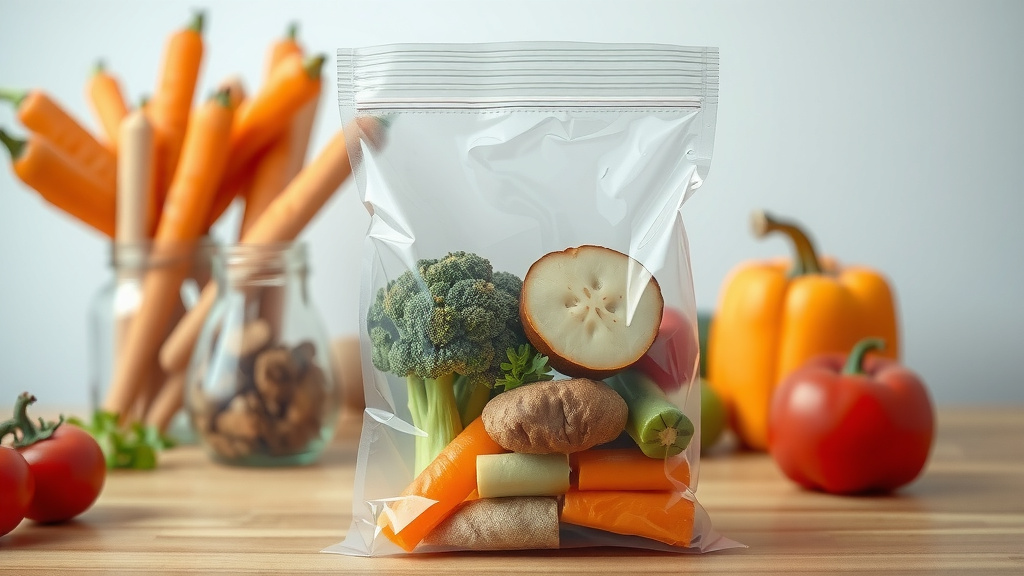
Vacuum sealing isn’t just for the fridge and freezer. Dry goods in your pantry can also enjoy a longer shelf life and stay protected from pests and moisture.
Grains, Beans, and Pasta
Items like rice, dried beans, oats, and pasta can last for years normally. However, vacuum sealing protects them from pantry moths and weevils. It also keeps them fresher. Many sources suggest sealed dry goods can last indefinitely if stored properly, but for optimal freshness, think 1 to 2 years easily.
Flour and Sugar
Whole grain flours can go rancid relatively quickly. Vacuum sealing helps slow this down considerably, extending freshness from months to potentially 1 to 2 years. Standard white flour and sugar, already quite stable, are well-protected from moisture and pests.
A Quick Reference Guide for Vacuum Sealing
Here’s a handy checklist to give you an idea of what to expect. Remember, these are general guidelines, and actual times can vary based on the initial quality of the food and your storage conditions.
- Meats (Freezer): 2-3 years
- Fish (Freezer): 1-2 years (fatty), 2-3 years (lean)
- Fruits & Veggies (Freezer, Blanched): 1-2 years
- Hard Cheeses (Refrigerator): Several months
- Deli Meats (Refrigerator): 1-2 weeks
- Dry Goods (Pantry): 1-2 years (or much longer for protection)
Understanding Potential Variations
It’s important to note that these are extended shelf lives. The quality and taste might slightly change over very long periods, even with vacuum sealing. For instance, while vacuum sealing can prevent freezer burn for years, the texture of a very delicate fish might still change a bit over an extended period. Also, always trust your senses—if something looks, smells, or tastes off, it’s best to discard it, regardless of how long it’s been sealed.
| Food Type | Traditional Refrigerated | Vacuum Sealed Refrigerated | Traditional Frozen | Vacuum Sealed Frozen |
|---|---|---|---|---|
| Beef/Steak | 3-5 days | 1-2 weeks | 6-12 months | 2-3 years |
| Poultry | 3-5 days | 1-2 weeks | 6-12 months | 2-3 years |
| Fish (Lean) | 3-5 days | 1-2 weeks | 6 months | 2-3 years |
| Hard Cheese | 4-8 weeks | 4-8 months | N/A (can become dry) | N/A (can become dry) |
| Berries | 3-5 days | 2-3 weeks | 8-12 months | 1-2 years |
This table highlights the substantial increase you can expect. You’re not just adding a few extra days; you’re often adding months or even years to your food’s usability. That’s a lot of money saved and a lot less hassle.
Conclusion
You’ve learned how vacuum sealing can dramatically extend your food’s life, keeping it fresher for longer. From years in the freezer to weeks in the fridge, you can significantly cut down on waste and save money. Your meat, produce, and even dry goods will thank you for it. Ready to give it a try? Start by vacuum sealing a batch of your favorite proteins or produce this week. You’ll be amazed at the difference!
Frequently Asked Questions
Does vacuum sealing truly prevent freezer burn?
Yes, vacuum sealing is your best defense against freezer burn. By removing all the air, it prevents ice crystals from forming on the surface of your food. This keeps your frozen items tasting and looking much better for extended periods.
Can I vacuum seal leftovers I plan to eat soon?
Absolutely! Even if you don’t plan on storing food long-term, vacuum sealing is great for everyday leftovers. It keeps them fresh and safe in the refrigerator for weeks, preventing that typical “fridge smell” from taking over.
What’s the biggest benefit of vacuum sealing dry goods?
The main advantage for dry goods like grains and pasta is protection from pests and moisture. While they last a long time normally, vacuum sealing ensures they remain free from pantry moths, weevils, and humidity, keeping them at their best quality.
Are the extended shelf life times for vacuum-sealed food guaranteed?
These times are excellent guidelines based on research and found results, but they aren’t absolute guarantees. Always use your senses—look, smell, and taste—to ensure food is still good. Initial food quality and storage conditions play a big role too.
Is vacuum sealing safe for all types of food?
Vacuum sealing is safe for most foods. However, some softer foods like delicate berries or certain soft cheeses might experience slight texture changes. For very wet items, it’s often recommended to use a ‘moist’ setting or to place a paper towel in the bag to absorb excess moisture.