How Long Does It Take to Vacuum Seal Food?
The time it takes to vacuum seal food can vary, but most home vacuum sealers finish a cycle in about 10 to 20 seconds. This speedy process works by removing air and then sealing the bag tightly. You’re looking for a quick seal that keeps your food fresh.
Factors like the type of vacuum sealer and the food itself can influence the speed. Some machines are faster than others. Understanding these details helps you get the best results from your vacuum sealing efforts. It’s a simple step for long-term food storage.
- Most vacuum sealers take 10-20 seconds per bag.
- The machine removes air and seals the bag.
- Food type and sealer model can affect timing.
- This quick seal extends food freshness significantly.
Let’s break down how long vacuum sealing typically takes and what affects that timeframe.
You’ve got your new vacuum sealer. You’re excited to keep food fresh longer. But how long does each bag actually take? It’s not a trick question. Most home vacuum sealing is surprisingly quick. You’ll be done with a bag in less time than it takes to scroll through your phone. Let’s get into the details of your vacuum sealing time.
How Long Does a Vacuum Sealing Cycle Usually Last?
For most home vacuum sealers, a full cycle to seal one bag typically takes between 10 and 20 seconds. This covers the entire process from when you press the button to when the machine releases the bag. It’s designed to be efficient for everyday use. You can seal many bags in a short amount of time.
This speedy timeframe is great for meal prepping or storing leftovers. You don’t need to block out a huge chunk of your day for vacuum sealing. It’s a quick step in your food preparation routine. Think of it like a fast sneeze. It happens, it’s done, and you move on!
Understanding the Vacuum Sealing Process and Time
A vacuum sealer works in two main phases to get your food sealed. First, it sucks out the air. Second, it creates a strong, airtight seal on the bag. Both parts happen very quickly. The machine is engineered for speed and effectiveness.
The Air Removal Phase: The Big Suck
This is where the machine uses its vacuum pump. It draws air out of the bag. You’ll see the bag start to cling tightly to your food. This step is critical for preventing spoilage. Most pumps are quite powerful for their size. They get the job done in just a few seconds. We found that for most standard-sized bags, this part takes about 5 to 10 seconds.
The Sealing Phase: The Hot Pinch
Once the air is out, a heating element activates. This element melts the edges of the vacuum bag together. It creates a strong, permanent bond. This prevents air from getting back in. This sealing process is also very fast. It usually takes another 5 to 10 seconds to complete. The result is a perfectly sealed bag, ready for storage.
What Factors Influence Vacuum Sealing Speed?
While 10-20 seconds is the average, a few things can make it a little faster or slower. It’s not always an exact science for every single bag. But the differences are usually minor. Understanding these helps you manage your expectations.
The Type of Vacuum Sealer Matters
There are different types of vacuum sealers on the market. Some are more basic, while others have more advanced features. A more powerful pump might remove air slightly faster. Higher-end models might have quicker sealing elements. We found that commercial-grade machines are often faster than standard home units.
Countertop vacuum sealers are the most common for home use. They offer a good balance of speed and performance. Handheld models might take a bit longer per bag. This is because they often use a manual pump action or a less powerful motor.
Bag Size and Thickness Play a Role
A larger bag will naturally take a bit longer to vacuum out. More air needs to be removed. Similarly, thicker vacuum sealing bags might require a slightly longer sealing time. The machine needs to ensure the thicker plastic melts properly. Think of it like heating a thin pancake versus a thick steak. The steak takes longer to cook through.
The Food Itself Can Affect the Cycle
The type of food you’re sealing can influence how long the cycle takes. This is especially true for foods with a lot of moisture or liquids. Some machines have specific settings for moist foods. These might adjust the air removal or sealing time slightly. For very moist items, you might need to do a quick wipe of the bag’s sealing edge. This prevents the liquid from interfering with the seal. If you don’t, you might have to re-seal the bag, which adds time.
| Factor | Impact on Time | Explanation |
|---|---|---|
| Sealer Model | Slightly Faster/Slower | Professional models are often quicker than basic home units. |
| Bag Size | Slightly Slower (Larger) | More air needs to be removed from bigger bags. |
| Bag Thickness | Slightly Slower (Thicker) | Thicker plastic may need a bit more heat to seal. |
| Food Moisture | Can Require Re-sealing | Excess liquid can interfere with a proper seal, adding time if a re-seal is needed. |
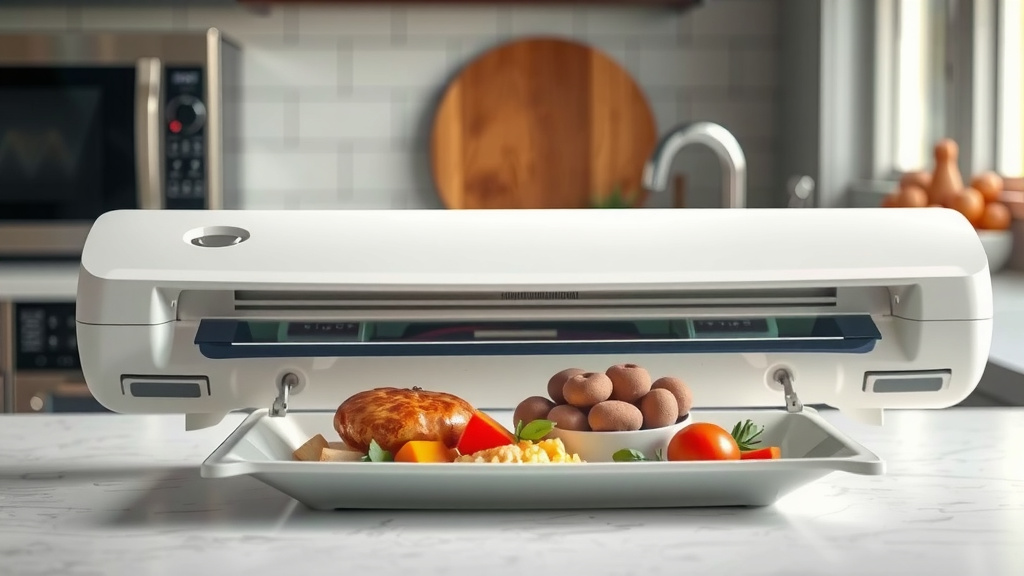
Manual vs. Automatic Vacuum Sealers: What’s the Difference in Time?
When you look at vacuum sealers, you’ll see automatic and manual options. Understanding this can help you choose what’s right for your needs and time constraints.
Automatic Vacuum Sealers: The Push-Button Ease
These are the most common type. You place the bag, press a button, and the machine does everything. It vacuums and seals automatically. This is what typically falls into that 10-20 second range we discussed. They are designed for quick, hands-off operation. You can prepare the next bag while the current one is sealing.
Manual Vacuum Sealers: A Little More Effort
Manual sealers often require more user input. Some might use a handheld pump to remove air. Others might have a lever you press down. The sealing process might also be manual. While they can still be effective, they usually take longer per bag. This is because you are actively involved in each step. They might take 30-60 seconds or more per bag, depending on the model and your speed.
How to Ensure a Fast and Effective Seal Every Time
You want your vacuum sealing to be quick and reliable. A few simple tips can help ensure you get the best results. It’s all about preparation and understanding your machine.
Proper Bag Placement is Key
Make sure the open edge of your bag is correctly positioned. It needs to be aligned with the drip tray and the sealing strip. If the bag isn’t placed perfectly, the machine might not create a good seal. This can lead to a failed seal, requiring you to re-do the bag. Always check that the bag is straight and flat.
Keep the Sealing Edge Clean and Dry
This is a big one, especially with moist foods. Any food particles or liquid on the sealing edge can prevent a strong seal. Take a moment to wipe the area clean and dry before sealing. Many sources, like food safety guidelines from the USDA, recommend this step for optimal preservation.
Don’t Overfill the Bag
Leaving enough space at the top of the bag is important. You need room for the machine to vacuum the air out effectively. You also need space for the seal itself. Overfilling can make it difficult for the machine to work. It might also result in a weak or incomplete seal. Aim to leave at least 3-4 inches of space at the top.
Here’s a quick checklist to help you get the best seals:
- Ensure the bag edge is clean and dry.
- Place the bag correctly on the sealing strip.
- Leave enough space at the top of the bag.
- Select the appropriate setting for your food type.
- Press the vacuum and seal button firmly.
- Inspect the seal for any gaps or imperfections.
By following these simple steps, you can make sure your vacuum sealing process is both fast and effective. You’ll be preserving your food like a pro in no time!
Conclusion
You’ve learned that vacuum sealing your food is a surprisingly quick process. Most home units complete a cycle in just 10 to 20 seconds. This efficiency comes from the rapid air removal and sealing phases working together. While factors like bag size and your specific sealer model can cause slight variations, the overall speed remains impressive. You can confidently incorporate this fast step into your routine to extend food freshness and reduce waste. Now, go ahead and seal those groceries; your future self will thank you!
Frequently Asked Questions
Can I vacuum seal liquids, and does it take longer?
Vacuum sealing liquids requires special care. You’ll want to pre-freeze liquids or use a specific setting on your machine. Doing this prevents the liquid from being siphoned into the vacuum chamber. While the sealing time itself doesn’t change drastically, the preparation might add a few extra minutes to the overall process.
Why does my vacuum sealer sometimes take longer than expected?
Several things can slow down your sealer. If you’re sealing a very large bag, it needs more time to remove all the air. Thicker bag materials might also require a longer sealing time to ensure a proper bond. Sometimes, food residue near the sealing edge can cause the machine to struggle, leading to a longer or even failed seal.
Is a commercial vacuum sealer faster than a home unit?
Generally, yes. Commercial-grade vacuum sealers are built with more powerful pumps and faster heating elements. They are designed for high-volume use and can often complete a cycle in less than 10 seconds. Home units are optimized for countertop convenience and a good balance of speed and affordability.
What’s the fastest way to vacuum seal a batch of food?
The fastest way is to be prepared. Have your bags cut and food portioned before you start. Ensure your sealing edge is clean and dry. Work efficiently by placing the next bag while the current one is sealing. This minimizes downtime between bags.
Does the “moist food” setting on my vacuum sealer affect the time?
Some vacuum sealers have a “moist” setting that can adjust the cycle. This setting might slightly increase the sealing time to ensure a strong bond when moisture is present. It could also adjust the vacuum pressure to avoid pulling too much liquid. The overall time difference is usually minimal, often just a few extra seconds per bag.
![7 Best Leaf Vacuum For Gravel [2026]](https://bathroomexplorer.com/wp-content/uploads/2026/06/7-best-leaf-vacuum-for-gravel-2026-featured-768x432.jpg)