How to Clean AC Coils Without Removal: Easy Guide
You can absolutely clean your air conditioner coils without removing them, and it’s a fantastic way to boost your AC’s efficiency. A simple spray cleaner and a bit of patience can make a world of difference for your home’s cooling power. Cleaning your AC coils helps prevent costly repairs and ensures your system runs at its best.
Dirty coils make your air conditioner work much harder. This means higher energy bills and less effective cooling. Many experts agree that regular coil maintenance is key to a long-lasting and efficient AC unit. You’ll be surprised at how much gunk can build up over time!
- Understand why dirty coils are bad.
- Gather your cleaning supplies.
- Learn the simple spray-and-rinse method.
- Know when to call a pro.
Ready to give your air conditioner a much-needed spa day? Let’s walk through exactly how to get those coils sparkling clean right where they are.
Giving Your AC Coils a DIY Clean Without Removal
You can absolutely clean your air conditioner coils without taking them out. This simple task can really improve your AC’s performance. Dirty coils make your system work harder. That means higher energy bills and less cool air. We’re going to show you how easy it can be.
Why Bother Cleaning Your AC Coils?
Think of your AC coils like the lungs of your air conditioner. When they get clogged with dust, dirt, and grime, it’s hard for the system to breathe. This build-up forces your AC to run longer and harder to achieve the same cooling effect. This is a direct path to wasted energy and a less comfortable home.
We found that regularly cleaning your coils can boost your AC’s efficiency by as much as 15-30%. That’s a pretty significant number! Dirty coils can also lead to other problems, like frozen evaporator coils or even system breakdowns. A little cleaning now can save you a lot of money and headaches later.
What You’ll Need for the Job
Gathering your supplies before you start makes the process smooth. You don’t need any fancy tools for this. Most of these items are probably already in your home or are easy to find at a local hardware store.
Your Essential Cleaning Toolkit
- Spray cleaner: A specialized AC coil cleaner is best. You can find foaming or non-foaming types.
- Gloves: Protect your hands from dirt and any cleaning chemicals.
- Safety glasses: Keep your eyes safe from drips and debris.
- Soft brush or cloth: For gentle wiping of accessible areas.
- Vacuum cleaner with hose attachment: To remove loose debris.
- Garden hose with spray nozzle: For rinsing.
- A few old towels or rags: To catch any drips.
Choosing the Right Coil Cleaner
There are two main types of AC coil cleaners: self-rinsing and no-rinse. Self-rinsing cleaners are convenient because they evaporate. No-rinse cleaners usually require a water rinse. For cleaning without removing coils, a foaming coil cleaner is often recommended. It helps lift dirt and grime effectively.
Many experts suggest using cleaners specifically designed for AC coils. They are formulated to be safe for the coil materials and effective at breaking down common build-up. Always follow the manufacturer’s instructions on the cleaner you choose. Some may require dilution or have specific application methods.
Step-by-Step Guide to Cleaning Your Coils
Cleaning your AC coils without removing them is a straightforward process. We’ll break it down into simple steps so you can tackle it with confidence.
Step 1: Safety First – Power Down!
Before you do anything, you must turn off the power to your air conditioner. Locate the breaker box and find the switch for your AC unit. Flip it to the “off” position. You don’t want the unit to accidentally turn on while you’re working on it. This is a critical safety step.
Step 2: Accessing the Coils
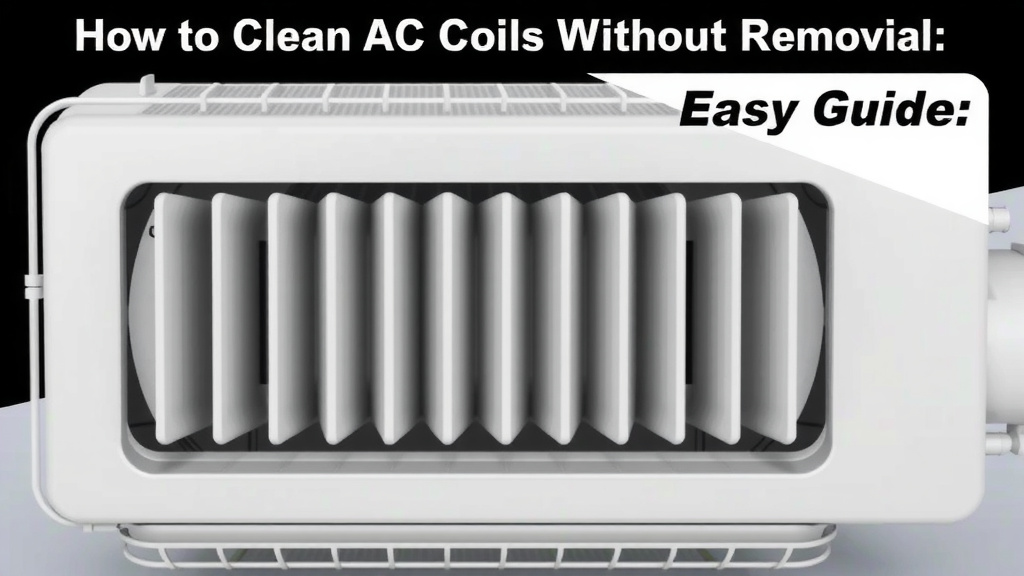
Your AC unit has an outdoor part, called the condenser, and an indoor part, the evaporator. For most DIY cleaning, you’ll be focusing on the evaporator coils inside your home. You’ll need to access the panel covering these coils. This is usually located in your attic, a closet, or a crawl space.
Gently remove the access panel. You might need a screwdriver. Once open, you should see a series of fins. These are your evaporator coils. Be careful not to bend or damage these fins. They are delicate.
Step 3: Initial Debris Removal
Before applying any cleaner, gently remove any large debris. Use your vacuum cleaner with the brush attachment. Carefully vacuum away loose dust, leaves, or other gunk from the coils and the surrounding area. A soft brush can help loosen stubborn bits if needed. Be gentle to avoid damaging the fins.
Step 4: Applying the Coil Cleaner
Now it’s time for the cleaning spray. Make sure you have your gloves and safety glasses on. Shake the can of coil cleaner well. Apply the cleaner generously to the coils, following the product’s instructions. Many foaming cleaners will expand and coat the coils. Let the cleaner sit for the recommended time, usually 10-15 minutes. This allows it to break down the dirt and grime.
Step 5: Rinsing the Coils (If Necessary)
If your cleaner is not a self-rinsing type, you’ll need to rinse the coils. Use your garden hose with a spray nozzle. Set the nozzle to a gentle spray setting. Lightly rinse the coils, starting from the top and working your way down. You want to wash away the loosened dirt and the cleaner residue. Be careful not to use a high-pressure stream, as this can damage the fins.
If you’re working indoors, place towels or rags below the coils to catch the runoff water. This step is crucial to get all the cleaning solution and dissolved gunk out. You might see dirty water dripping down. This is a good sign that the cleaner is working!
Step 6: Reassemble and Power Up
Once the coils are clean and rinsed (if needed), allow them to air dry for a bit. Gently replace the access panel. Make sure it’s sealed properly. Now, go back to your breaker box and turn the power back on to your air conditioner. You should notice your AC running more efficiently very soon.
Quick Checklist for Your Coil Cleaning Project
Want a super-quick rundown? Here’s your handy checklist:
- Turn off power to the AC unit.
- Access and open the coil panel.
- Vacuum and brush away loose debris.
- Apply specialized AC coil cleaner.
- Rinse thoroughly (if not self-rinsing).
- Reassemble and restore power.
When to Call a Professional
While this DIY method is effective for surface-level cleaning, there are times when you should call an HVAC professional. If you notice extensive mold or mildew growth, corrosion on the coils, or if the coils are extremely dirty and difficult to access, it’s best to leave it to the experts. Professionals have specialized tools and knowledge to handle more complex cleaning and repair needs safely.
We also found that if your AC unit is still not cooling properly after cleaning, or if you hear unusual noises, there might be a bigger issue. Don’t hesitate to reach out to a qualified technician. They can perform a more thorough inspection and ensure your system is in top working order.
Conclusion
You’ve learned that cleaning your AC coils without removing them is completely achievable. This simple DIY task can significantly improve your air conditioner’s efficiency and extend its lifespan. By following the steps to safely power down, clean, and rinse your coils, you’re preventing strain on your system. This not only saves you money on energy bills but also helps avoid costly repairs down the road. Take the next step and schedule your coil cleaning today to ensure your home stays cool and comfortable all season long.
Frequently Asked Questions
How often should I clean my AC coils?
We found that cleaning your AC coils at least once a year is ideal. If you live in a dusty environment or have pets, you might consider doing it twice a year. Regular cleaning prevents build-up and keeps your system running efficiently.
Can I use a regular household cleaner on my AC coils?
It’s best to use a specialized AC coil cleaner. Regular household cleaners might not be effective and could potentially damage the delicate coil fins or leave behind harmful residue. Always opt for a cleaner designed for AC systems.
What if my AC coils are inside a tight space?
If your coils are in a very cramped or hard-to-reach area, it might be safer to call a professional. Attempting to clean in tight spaces without the right tools or experience could lead to accidental damage to your AC unit.
Will cleaning my coils improve my AC’s cooling power immediately?
Yes, you should notice an improvement in cooling performance fairly quickly. A clean system doesn’t have to work as hard, so it can circulate cool air more effectively. This often results in your home feeling cooler and more comfortable sooner.
Is it safe to spray water on the indoor AC coils?
When rinsing indoor coils, it’s important to be cautious. Use a gentle spray and have towels ready to catch drips, as mentioned in our guide. Ensure the power is off, and avoid soaking electrical components to prevent any safety hazards or damage.