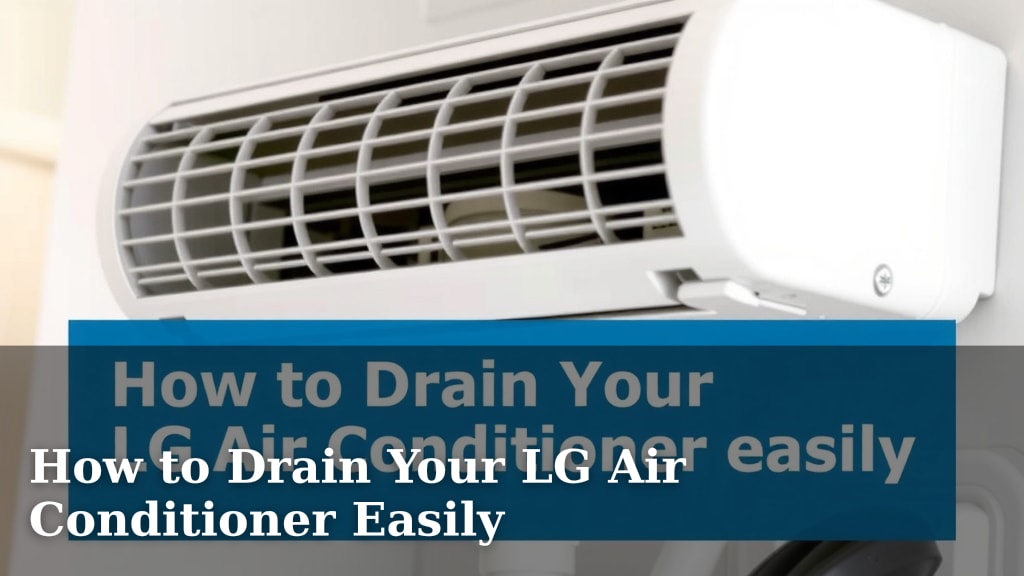
How to Drain Your LG Air Conditioner Easily
Draining your LG air conditioner is essential to prevent water damage and ensure optimal performance. The most common way to drain an LG AC unit is by locating and clearing its drain hose or pan. This often involves disconnecting a plugged drain line or ensuring the unit is properly tilted. Following these steps can help you avoid messy leaks and keep your AC running smoothly.
Ignoring a full condensate drain pan can lead to more than just a simple overflow. It can result in water damage to your walls and floors, and even promote the growth of mold and mildew. Many homeowners find that a simple unclogged drain hose is the key to a happy, healthy air conditioner. We’ve researched common AC issues and found that proper drainage is a top concern.
- Find the drain hose or pan.
- Check for clogs or blockages.
- Clear any debris carefully.
- Ensure proper tilt for drainage.
Ready to tackle that potentially leaky LG AC? Let’s walk through how to safely and effectively drain your unit, step by step.
Dealing With Your LG Air Conditioner’s Drainage
You’ve noticed a bit of moisture where it shouldn’t be, or maybe your LG air conditioner just isn’t cooling as well as it used to. A common culprit? Poor drainage. When water can’t escape your AC unit, it can cause a host of problems. We’ve found that understanding how to manage your LG AC’s water drainage is key to preventing damage and ensuring it runs efficiently.
Locating the Condensate Drain
Your air conditioner produces condensation as part of its cooling process. This moisture needs a way to escape. For most LG units, this involves a condensate drain system. This usually consists of a drain hose and sometimes a drain pan.
Finding the Drain Hose
The drain hose is typically a flexible plastic tube. You’ll usually find it connected to the indoor air handler unit, also known as the evaporator. It’s often a white or clear plastic pipe. Sometimes it’s a more rigid PVC pipe.
The hose will lead away from the unit. It’s designed to direct water outside your home or into a plumbing drain. If you can’t spot it right away, check the area below your indoor AC unit. It might be hidden behind panels or insulation.
Identifying the Drain Pan
Beneath the evaporator coils, there’s usually a drain pan. This pan collects the condensation before it flows into the drain hose. If the drain hose gets clogged, water will fill this pan and can potentially overflow.
The drain pan is often made of metal or plastic. It’s usually accessible from the bottom or side of the indoor unit. You might need to remove a cover or panel to see it clearly.
Common Drainage Problems and Solutions
Clogs are the number one enemy of an efficient AC drain system. Debris like dust, algae, and even small insects can accumulate. This buildup prevents water from flowing freely.
Why Do Drains Get Clogged?
Over time, dust and dirt from your home’s air can settle on your AC’s evaporator coils. As the coils get cold, moisture from the air condenses on them. This water, along with the dust, can then drip into the drain pan. Over time, this mixture can form a slimy buildup.
Many experts say that regular maintenance helps prevent these clogs. If your unit is in a humid area, algae can also grow. This is especially common if the drain pan or hose isn’t regularly cleaned.
Clearing a Blocked Drain Hose
If you suspect a clog, the first step is to locate the end of the drain hose. Often, the clog is right at the opening where the water is supposed to exit. You might see water backing up in the drain pan or hear gurgling sounds.
We found that a simple way to start is by gently trying to dislodge any visible debris. Sometimes, a stiff wire or a small brush can help. Be careful not to force anything and damage the hose.
Using a Wet/Dry Vacuum
A very effective method we’ve seen is using a wet/dry vacuum. You’ll need to attach it securely to the end of the drain hose. Create a good seal so that the vacuum can pull the clog out.
Turn on the vacuum. Let it run for a minute or two. You might be surprised by what it pulls out! This method is often recommended by HVAC professionals.
Flushing the Drain Line
Another common technique is to flush the drain line. You can do this by carefully pouring a small amount of water or a vinegar-water solution into the drain pan or a dedicated access point. This can help wash away minor blockages.
Some homeowners use a specialized AC drain pan tablet or cleaner. These are designed to prevent algae and slime buildup. Many guidelines point to using a diluted bleach or vinegar solution as a DIY alternative (Cleveland Clinic). Just be sure to use it sparingly and follow safety precautions.
Checking the Drain Pan
While you’re checking the drain hose, it’s a good idea to inspect the drain pan itself. Look for any signs of rust, cracks, or standing water. If the pan is full of water and the hose isn’t clogged, the issue might be with the pan’s slope or a blockage further down the line.
Ensuring Proper AC Unit Tilt
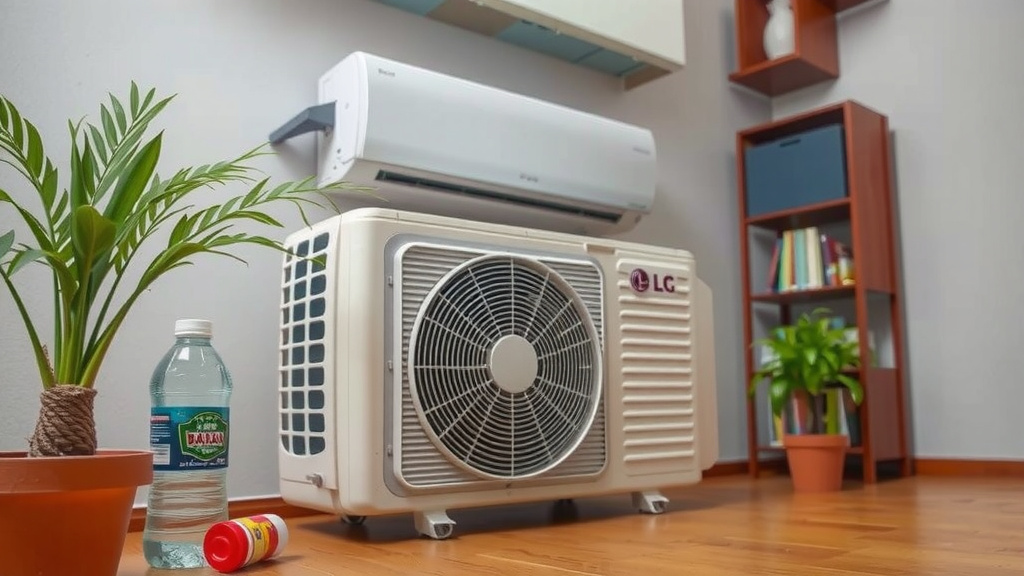
Sometimes, the simplest solution is often overlooked. For optimal drainage, your air conditioner unit, especially the outdoor condenser unit, should be slightly tilted. This ensures that any condensation naturally flows towards the drain.
Why Tilt Matters
Think of it like a tilted funnel. Water naturally moves to the lowest point. If your indoor unit is perfectly level or tilted the wrong way, water can pool in the drain pan instead of flowing out through the hose.
We found that many HVAC installation guides mention the importance of a slight downward tilt towards the drain. This is a preventative measure that can save you a lot of trouble down the line.
How to Check and Adjust the Tilt
You can check the tilt using a level. Place it on the top or a known flat surface of your indoor unit. You want to see a very slight tilt towards the direction of your drain hose.
If your unit isn’t tilted correctly, you may need to adjust the mounting bracket or shims. This is a task best left to a professional if you’re not comfortable working with AC units. An improper adjustment could affect performance or create new issues.
When to Call a Professional
While many drainage issues are DIY-friendly, some problems require expert attention. If you’ve tried clearing the line and the pan, but water is still backing up, there might be a more serious problem.
This could include a crack in the drain pan, a blockage deep within your home’s plumbing, or an issue with the unit’s internal components. We always recommend calling a qualified HVAC technician if you’re unsure or if the problem persists after your attempts.
Signs You Need a Pro
- Persistent water leaks despite your efforts.
- Unusual noises coming from the unit.
- No cool air coming from the vents.
- Mold or mildew growth around the unit.
- You’re uncomfortable performing the maintenance yourself.
Your AC Drainage Maintenance Checklist
Here’s a quick rundown to keep your LG AC draining smoothly:
- Monthly: Visually inspect the drain hose outlet for flow.
- Quarterly: Pour a cup of vinegar or use an AC drain tablet in the pan.
- Annually: Check the drain pan for debris and clean if necessary.
- As needed: Clear any visible clogs in the drain hose.
- During maintenance: Ensure the unit has a slight downward tilt towards the drain.
Conclusion
You’ve now learned how to tackle a common LG air conditioner issue: proper drainage. We’ve covered identifying the drain hose and pan, clearing clogs with methods like using a wet/dry vacuum, and even the importance of a slight unit tilt. Taking these steps can prevent water damage and keep your AC running efficiently. Your next step is to grab your tools and perform a quick inspection of your unit’s drain system. A little preventative maintenance goes a long way in ensuring a comfortable home.
Frequently Asked Questions
How often should I clean my LG AC’s drain line?
We recommend cleaning your LG AC’s drain line at least quarterly, especially in humid climates. Pouring a cup of vinegar or using an AC drain tablet can help prevent slime and algae buildup. This simple task can save you from bigger headaches later on.
What’s the best way to unclog a drain hose without a wet/dry vacuum?
If you don’t have a wet/dry vacuum, you can try gently dislodging visible debris with a stiff wire or a small brush. Carefully flushing the line with a small amount of water or a diluted vinegar solution can also help clear minor blockages. Just be sure not to force anything and risk damaging the hose.
Can a clogged drain line really cause my AC to stop cooling?
Yes, a severely clogged drain line can cause water to back up into the air handler unit. Many AC units have a safety float switch that will shut off the cooling system if the condensate pan fills up to prevent overflow. This can make you think your AC has stopped cooling entirely.
Is it safe to pour bleach down my LG AC’s drain line?
While some sources suggest using diluted bleach, we advise caution. Bleach can be harsh and may damage certain components over time. A diluted vinegar solution or specialized AC drain pan cleaners are generally safer and effective alternatives for preventing algae and slime.
My LG AC is leaking water, but I can’t find a clog. What else could it be?
If you’ve checked for clogs and the drain pan isn’t overflowing, the issue might be more complex. It could be a cracked drain pan, a blockage further down in your home’s plumbing, or the unit might not be properly tilted for drainage. In these cases, calling a professional HVAC technician is your best bet.

![7 Best Window Seal For Portable Air Conditioner [2026]](https://bathroomexplorer.com/wp-content/uploads/2026/07/7-best-window-seal-for-portable-air-conditioner-2026-featured-768x432.jpg)
![7 Best Extension Cord For Window Air Conditioner [2026]](https://bathroomexplorer.com/wp-content/uploads/2026/06/7-best-extension-cord-for-window-air-conditioner-2026-featured-768x432.jpg)