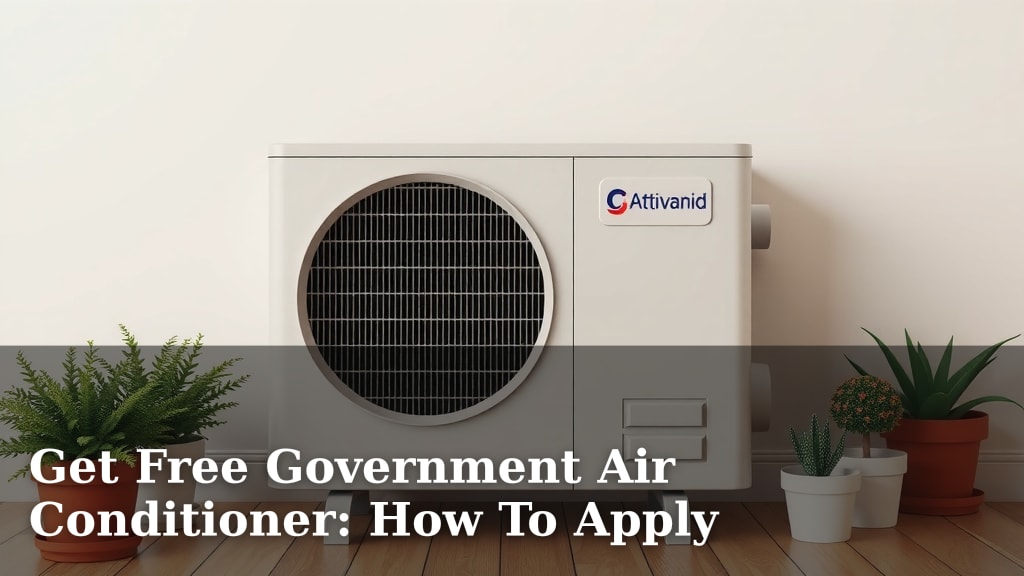
Get Free Government Air Conditioner: How To Apply
Yes, you can potentially get a free air conditioner from the government through various assistance programs designed to help low-income households and those with specific medical needs. These programs often focus on providing energy-saving solutions, which can include cooling equipment, to ensure a safe and healthy living environment. While it’s not a direct “free AC” handout, eligible individuals can receive help with obtaining or subsidizing air conditioning units.
These government initiatives are typically managed at the state or local level. They aim to alleviate the financial burden of essential utilities, especially during extreme weather. You might find that eligibility depends on factors like your household income, family size, and any documented medical conditions that require air conditioning for health reasons.
TL;DR:
- Government programs can help you get a free or subsidized air conditioner.
- Eligibility usually depends on income, household size, and medical needs.
- Programs are often run by state or local agencies.
- The goal is to provide essential cooling for health and safety.
- You’ll need to apply and meet specific criteria.
We’ve researched the ways you might qualify for these cooling solutions. Let’s walk through exactly how you can look into these options to see if you’re eligible for government assistance with an air conditioner.
Securing Assistance for an Air Conditioner from Government Programs
You might be wondering if there are actual government programs that can help you get a free air conditioner. The good news is that yes, such programs do exist, though they often fall under broader energy assistance initiatives. These aren’t just about giving away AC units; they focus on ensuring your home is a safe and healthy place to live, especially during hot weather. Many families and individuals can qualify for help. We’ve researched how these programs work and what steps you can take to find them.
Understanding Eligibility for Cooling Assistance
The primary goal of these programs is to help those who are most vulnerable. This usually means people with lower incomes or those facing specific health challenges. Your eligibility often hinges on a few key factors. These programs are designed to be a safety net. They aim to prevent health risks associated with extreme heat.
Income Requirements
Most government assistance programs have income limits. These limits are typically based on a percentage of the Federal Poverty Level. Your total household income for a specific period is usually compared against these guidelines. The exact percentage can vary by state and program. Generally, if your income is below a certain threshold, you are more likely to qualify.
Household Size and Composition
The number of people in your household also plays a role. Larger families often have higher income thresholds for eligibility. Some programs might also consider specific household members, such as the elderly or young children, as factors that increase need. This helps ensure that families with more dependents get the support they require.
Medical Necessity
A very important pathway to getting help with an air conditioner is through medical necessity. If you or someone in your household has a medical condition that is aggravated by heat, you might qualify. This could include respiratory illnesses, heart conditions, or other serious health issues. You will usually need a doctor’s note or medical certification to prove this need. This documentation is vital for your application.
For example, conditions like asthma or COPD can worsen significantly in high temperatures. According to the Centers for Disease Control and Prevention (CDC), high indoor temperatures can be dangerous for individuals with chronic health conditions.
Types of Government Programs for Cooling Assistance
You’ll find that government assistance for air conditioning isn’t a single, nationwide program. Instead, it’s often a collection of different initiatives. These can be federal, state, or local. Understanding the different types will help you find the right fit for your situation. Many programs work hand-in-hand to provide support.
Low Income Home Energy Assistance Program (LIHEAP)
LIHEAP is a federal program administered by states. Its main purpose is to help low-income households with heating and cooling costs. While it doesn’t always directly provide an AC unit, it can help pay for electricity bills that result from running an air conditioner. In some cases, LIHEAP funds can be used for air conditioning unit purchases or repairs, especially during emergencies or when a doctor recommends it for health reasons.
We found that many states have specific components within LIHEAP for cooling. These might be called “cooling assistance” or “summer energy assistance.” These components are specifically designed to help with the costs associated with staying cool. You’ll need to contact your local LIHEAP office to understand their specific policies.
State and Local Weatherization Programs
Weatherization assistance programs aim to make homes more energy-efficient. This can include adding insulation or sealing air leaks. While not directly about AC units, these programs can indirectly help you stay cooler by improving your home’s ability to retain cool air. Some weatherization programs may also include the installation of energy-efficient cooling systems or minor repairs to existing ones if it significantly reduces energy consumption.
Specific Cooling Centers and Programs
During extreme heat waves, many local governments establish “cooling centers.” These are public places like libraries or community centers where residents can go to cool off for free. While not a permanent solution, they provide immediate relief. Some cities or counties might also have pilot programs or grants specifically for providing AC units to vulnerable residents.
Disability and Medical Assistance Programs
Beyond general income-based programs, some states offer specific assistance for individuals with disabilities or serious medical conditions. These programs might recognize the need for consistent air conditioning as a medical necessity. Eligibility often requires detailed documentation from healthcare providers. These programs understand that for some, air conditioning is not a luxury but a medical requirement.
How to Apply for Air Conditioner Assistance
Applying for these programs requires a bit of effort, but the potential benefits are significant. You’ll want to be organized and thorough. Here’s a general roadmap of what to expect.
Step 1: Identify Potential Programs
Start by researching programs in your area. Your first point of contact should be your local department of social services or human services. You can also search online for terms like “[Your State] energy assistance” or “[Your County] cooling assistance.” The LIHEAP website is another excellent resource for finding your state’s program details.
Step 2: Gather Necessary Documents
You will need to prove your eligibility. Common documents include:
- Proof of income (pay stubs, tax returns, benefit statements)
- Proof of residency (utility bills, lease agreement)
- Identification for all household members (driver’s license, Social Security cards)
- A doctor’s note if applying based on medical necessity
- Proof of any relevant disabilities
Having these documents ready will speed up your application process. It shows you are serious and prepared.
Step 3: Complete and Submit Your Application
Each program will have its own application form. You can usually find these online or at your local assistance office. Fill out the application carefully and completely. Double-check all the information before submitting. Missing information can cause delays or denial of your application.
Step 4: Follow Up on Your Application
After you submit your application, it will be reviewed. You may be contacted for an interview or to provide additional information. It’s important to respond promptly to any requests. Keep records of your application and any communication you have with the program administrators. This helps you track your progress and ensures nothing gets lost.
Making Your Case for Medical Necessity
If you’re applying because of a medical condition, this aspect needs special attention. Your doctor’s support is key here. They need to clearly state why air conditioning is medically necessary for your health. They should detail the condition and how heat impacts it negatively. Think of it as building a strong case for why this assistance is vital for your well-being.
We found that applications with detailed medical documentation are often prioritized. This documentation should be on official letterhead. It needs to be signed and dated by a licensed healthcare professional. The more specific the doctor is, the better. They might need to outline the risks of heat exposure for your condition, citing relevant medical knowledge (Cleveland Clinic).
What to Expect After Approval
If your application is approved, the next steps vary. Some programs might send you a voucher to purchase an air conditioner from a specific retailer. Others might arrange for the unit to be installed directly. Some may provide a direct payment to help cover the cost of electricity. The goal is always to provide a tangible benefit that helps you stay cool and safe.
The timeline for receiving assistance can also differ. It might take several weeks or even months, depending on the program’s funding and workload. Patience is key. During peak demand, especially in summer, wait times can be longer. Try to apply as early as possible in the season if you anticipate needing help.
Program Limitations and Alternatives
It’s important to be realistic. Not everyone will qualify for a free air conditioner through these programs. Funding can be limited, and demand is often high. If you don’t qualify, or if the program doesn’t cover the full cost, explore other options. This could include payment plans with utility companies, energy-saving tips to reduce your cooling costs, or searching for local charities that might offer assistance. Sometimes, a combination of resources can help.
For instance, energy-efficient appliance rebates can lower the purchase price of a new AC unit. Many utility companies offer these rebates to encourage energy conservation. We’ve also seen community organizations that help with utility bills or provide emergency cooling solutions.
Checklist for Applying for Cooling Assistance:
- Confirm you meet income and household size requirements for your state.
- Gather all required documents, including proof of income and residency.
- Obtain a doctor’s note if medical necessity is your primary reason for applying.
- Complete the application form accurately and honestly.
- Submit your application before the deadline or as early as possible.
- Keep copies of everything and follow up on your application status.
Conclusion
Securing assistance for an air conditioner is achievable for many households through government programs. You’ve learned that eligibility often depends on your income, household size, and medical needs. We’ve also outlined the key programs like LIHEAP and how to navigate the application process. Remember to gather your documents and make your case, especially if medical necessity is involved. Take the first step by researching programs in your local area. Your well-being during hot weather is important, and help is available if you apply.
Frequently Asked Questions
What if I don’t qualify for a free air conditioner?
If you don’t meet the strict eligibility for a free unit, explore other options. Your utility company might offer rebates for energy-efficient models or payment plans. Local charities or community organizations may also provide emergency cooling assistance. It’s worth investigating multiple avenues to find the support you need.
How long does it usually take to get approved for cooling assistance?
Approval times can vary widely depending on the program and the season. During peak summer demand, applications may take longer to process, sometimes several weeks or even months. Applying early in the cooling season can improve your chances of receiving help promptly.
Can I get help with air conditioner repairs through these programs?
Some programs, like LIHEAP, may offer assistance for essential AC repairs, especially in emergency situations or when medically necessary. The focus is usually on ensuring the unit is functional for health and safety reasons. Check with your local program administrators about their specific coverage for repairs.
Are there programs for renters seeking air conditioning assistance?
Eligibility for government assistance programs is generally tied to the individual or household, not necessarily homeownership. Renters can often apply for these programs. However, you may need to provide documentation like a lease agreement as proof of residency.
What documentation is most important if my AC need is medical?
If applying due to a medical condition, a detailed doctor’s note is the most critical document. This note must clearly explain the medical necessity of air conditioning for your health, specifying the condition and how heat negatively impacts it. Official letterhead, a signature, and date from a licensed professional are essential.