Prevent AC Freezing: Easy Maintenance Tips
An air conditioner freezing up is a common problem. The best way to keep your air conditioner from freezing up is to **ensure proper airflow** and **maintain sufficient refrigerant levels**. Without enough warm air circulating over the coils, the moisture in the air can freeze. Low refrigerant can also cause the coils to get too cold.
When your AC freezes, it struggles to cool your home effectively. This can lead to a **sky-high energy bill** and potential **damage to the unit**. Understanding the common culprits behind a frozen AC can save you a lot of headaches and money. We’ve researched the most frequent issues.
- Check your air filter regularly.
- Ensure vents and registers are open.
- Inspect your outdoor unit for debris.
- Call a professional for refrigerant checks.
Ready to learn how to prevent that icy buildup? Let’s walk through the simple steps you can take to keep your AC running smoothly all summer long.
It’s a sweltering summer day, and you turn on your air conditioner, expecting that glorious blast of cool air. Instead, you hear strange noises, and your AC isn’t cooling. You might even see ice forming on the unit. Don’t panic! An AC freezing up is a common issue. Let’s dive into how you can keep your air conditioner running at its best.
Preventing Your Air Conditioner From Freezing Up
Keeping your AC from freezing over primarily involves ensuring it gets enough warm air. Without sufficient airflow, the moisture in the air can freeze on the evaporator coils. Low refrigerant can also cause the coils to get too cold. These simple steps can help prevent that icy buildup.
Airflow is Key to a Happy AC
The most common reason your air conditioner might freeze up is a lack of proper airflow. Think of your AC like a living thing that needs to breathe. If its airways are blocked, it struggles to function. This happens when warm air can’t circulate freely over the cold evaporator coils inside your home.
Your Air Filter: The First Line of Defense
Your air filter is like the lungs of your AC system. It traps dust, dirt, and other particles before they can enter your system and clog things up. A dirty, clogged filter is the number one culprit for restricted airflow. We found that neglecting your air filter can lead to a host of problems, including a frozen AC.
How often should you change it? This depends on your filter type and your home environment. If you have pets or allergies, you’ll likely need to change it more often. A good rule of thumb is to check it monthly. You can often see if it’s dirty just by looking at it. If it looks dingy and clogged, it’s time for a replacement.
What to look for: Many experts recommend checking your air filter every 30 to 90 days (Energy Star). If you can see a thick layer of dust and debris, it’s definitely time to swap it out for a fresh one. A clean filter ensures that warm air can easily pass through, preventing the coils from getting too cold and icing over.
Keep Your Vents and Registers Clear
Your air conditioner pushes cool air through vents and registers throughout your home. It also draws warm air back into the system through return vents. If these are blocked, air can’t move properly. Furniture, curtains, or even rugs can obstruct these openings.
What to do: Walk around your house and make sure nothing is blocking your supply and return vents. Ensure your curtains are pulled back and that furniture isn’t pushed right up against them. Keeping these pathways clear is vital for maintaining good airflow and preventing your AC from freezing. We found that simple visual checks can reveal obvious blockages.
Your Evaporator Coil Needs Love Too
The evaporator coil is located inside your indoor unit. It’s where the refrigerant absorbs heat from your home’s air. If airflow is restricted (often due to a dirty filter), the coil can get too cold. When it drops below freezing, the moisture in the air condenses and freezes on the coil.
Cleaning is important: While changing your air filter is your primary responsibility, your evaporator coil needs occasional cleaning. This is typically a job for a professional HVAC technician. However, understanding its function helps you appreciate why airflow is so critical. Many HVAC professionals recommend a professional cleaning annually (HVAC.com).
Checking the Outdoor Unit for Obstructions
Your air conditioner has two main parts: the indoor unit and the outdoor unit. The outdoor unit, often called the condenser, also needs to “breathe.” It releases the heat absorbed from your home into the outside air. If it’s blocked, it can’t do its job efficiently.
Clear Away Debris and Vegetation
Over time, leaves, grass clippings, dirt, and other debris can accumulate around your outdoor unit. Plants and bushes growing too close can also restrict airflow. This buildup forces your AC to work harder and can lead to cooling problems, including freezing.
What to look for: Take a walk around your outdoor unit. You should have at least two feet of clear space around it. Trim any bushes or branches that are too close. If you see leaves or debris packed around the sides, gently clear them away. Be careful not to damage the delicate fins on the unit. We found that keeping this area clear is a simple maintenance task that makes a big difference.
Keep It Clean and Tidy
Beyond just trimming plants, make sure the unit itself is relatively clean. You can gently hose down the exterior of the unit to remove dirt and grime. Do this on a warm day when the AC isn’t running. Avoid using a high-pressure washer, as this can damage the fins. A clean unit can dissipate heat more effectively.
Refrigerant Levels: A Job for the Pros
Another reason your AC might freeze up is low refrigerant levels. Refrigerant is the substance that circulates through your system, absorbing heat from your home and releasing it outside. When refrigerant levels are low, the pressure within the system drops.
The consequence of low refrigerant: This pressure drop causes the refrigerant to get much colder than it should. As it flows through the evaporator coil, it can drop below the freezing point of water. This leads to ice forming on the coil. Low refrigerant is a sign of a leak somewhere in your system.
Why you can’t just add more: Adding refrigerant without fixing the leak is like putting a Band-Aid on a serious wound. The refrigerant will just leak out again, and you’ll be back to square one. Refrigerant is also a hazardous substance. Handling it requires specialized tools and knowledge. Many guidelines stress that refrigerant work should only be done by licensed professionals (Environmental Protection Agency).
When to call for help: If you suspect your AC is low on refrigerant (indicated by poor cooling, hissing sounds, or ice on the lines), it’s time to call a qualified HVAC technician. They can safely detect and repair the leak, then recharge the system with the correct amount of refrigerant.
Don’t Forget About Your Thermostat Settings
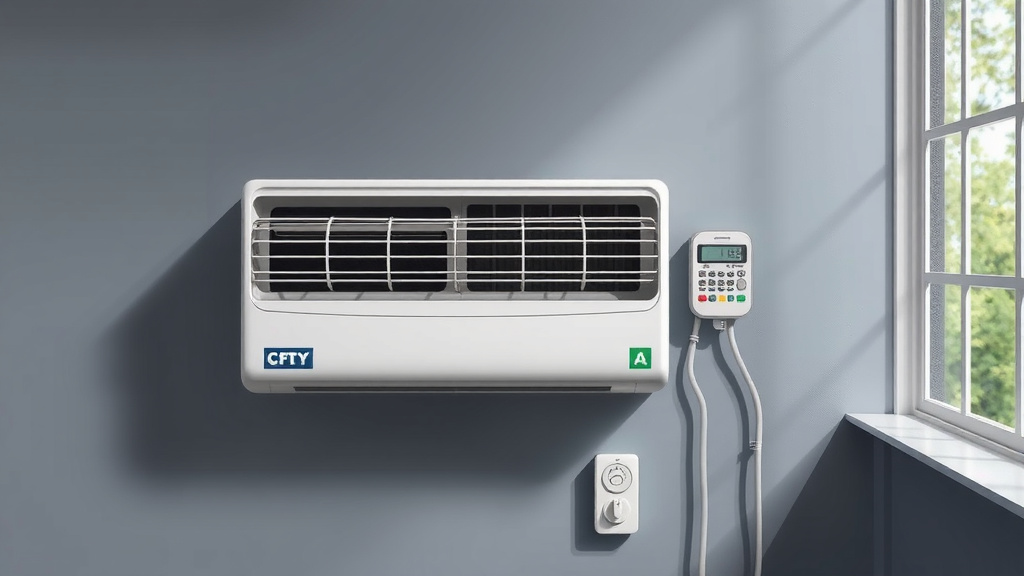
Sometimes, the simplest explanation is the correct one. Your thermostat settings can play a role in preventing your AC from freezing. Setting your thermostat too low can cause your system to overwork.
The ideal setting: Experts often recommend setting your thermostat to a temperature that is comfortable but not excessively cold. For cooling, a setting between 75-78°F (24-26°C) is generally considered energy-efficient and less likely to cause your AC to freeze up (Energy Star). Lowering it too much can overwhelm the system.
Avoid drastic changes: Rapidly changing your thermostat from a high temperature to a very low one can also shock the system. It’s better to make gradual adjustments. Think of it like gently easing into a cold pool rather than diving in headfirst.
Troubleshooting a Frozen AC: What to Do Now
If you discover your AC is already frozen, the first thing you should do is turn the cooling system OFF. Leave the fan ON. This helps to circulate room-temperature air over the coils and melt the ice. This process can take several hours. Do NOT try to chip away at the ice, as you could damage your unit.
Once the ice has melted, check your air filter. If it’s dirty, replace it. Then, try turning the AC back on. If it still doesn’t cool properly or freezes up again, it’s time to call a professional.
When to Call in the Experts
While you can do a lot to maintain your AC yourself, some problems require professional attention. If you’ve checked your filter, cleared vents, and kept the outdoor unit clear, but your AC still freezes up, it’s time to call an HVAC technician. They have the tools and expertise to diagnose and fix more complex issues like refrigerant leaks or electrical problems.
Here’s a quick checklist to keep your AC running smoothly:
- Check your air filter monthly and replace it when dirty.
- Ensure all supply and return vents are unobstructed.
- Keep at least two feet of clearance around your outdoor unit.
- Trim plants and remove debris from the outdoor unit area.
- Set your thermostat to a moderate temperature (75-78°F).
- Call a professional if the AC freezes up repeatedly or shows other signs of trouble.
Conclusion
You’ve learned that keeping your air conditioner from freezing up is largely within your control. By focusing on the simple but vital tasks of ensuring **proper airflow** and maintaining your system’s health, you can avoid costly repairs and stay cool. Regularly changing your air filter and keeping vents clear are easy habits to adopt. Don’t forget to give your outdoor unit some breathing room too! If you’ve done all you can and your AC still struggles, it’s time to call a professional. Take action today by checking your air filter – it’s the easiest step to a better-performing AC!
Frequently Asked Questions
How long does it take for an AC to defrost after it freezes?
It typically takes several hours for the ice to completely melt after you turn the cooling system off and the fan on. Be patient; do not try to speed up the process by chipping away at the ice, as this can damage your unit. Ensure the fan runs continuously until all ice is gone.
Can I just turn my AC thermostat down lower if it’s not cold enough?
While it’s tempting, setting your thermostat much lower than 75°F (24°C) can actually cause your AC to freeze up. This happens because the system works too hard to reach an extreme temperature. It’s best to set it to a comfortable, moderate setting to prevent strain and ice buildup.
What does it mean if I hear hissing sounds from my AC unit?
Hissing sounds, especially around the outdoor unit or refrigerant lines, can indicate a refrigerant leak. Low refrigerant levels are a common cause of AC units freezing. If you hear hissing, it’s a strong sign you should call a professional HVAC technician to inspect the system.
How often should I clean the area around my outdoor AC unit?
You should aim to clear away debris and trim plants around your outdoor unit at least twice a year, typically in the spring and fall. This ensures at least two feet of clearance for proper airflow. A quick visual check monthly is also a good idea.
Is it okay to use a power washer to clean my outdoor AC unit?
No, you should avoid using a power washer on your outdoor AC unit. The high pressure can easily bend or damage the delicate fins of the condenser coil. A gentle hose rinse on a warm day while the unit is off is sufficient for cleaning.
![7 Best Portable House Air Conditioner [2026]](https://bathroomexplorer.com/wp-content/uploads/2026/06/7-best-portable-house-air-conditioner-2026-featured-768x432.jpg)

![7 Best Indoor Air Conditioner No Window [2026]](https://bathroomexplorer.com/wp-content/uploads/2026/06/7-best-indoor-air-conditioner-no-window-2026-featured-768x432.jpg)