
Prevent Legionnaires’ Disease: AC Maintenance Guide
Preventing Legionnaires’ disease in your air conditioner involves **regular cleaning and proper maintenance**. This means **checking for and removing stagnant water** and ensuring your system has good airflow. Following these steps helps keep your AC running safely and efficiently.
Legionnaires’ disease is a serious lung infection caused by Legionella bacteria. These bacteria thrive in **warm, stagnant water**, which can be found in poorly maintained air conditioning systems. Keeping your AC clean is key to **preventing bacterial growth** and protecting your health.
- Keep AC units clean and free of standing water.
- Ensure proper ventilation and airflow.
- Perform regular maintenance checks.
- Address any water leaks immediately.
Let’s walk through the most effective ways to ensure your air conditioning system doesn’t become a breeding ground for Legionella bacteria.
“`htmlKeeping Your Air Conditioner Safe from Legionella
Preventing Legionnaires’ disease in your air conditioner is all about being smart with water. Legionella bacteria love warm, still water. Your AC system, if not maintained, can unfortunately provide just that. We’ll guide you through the simple steps to keep your system safe for everyone.
Understanding the Risks: Where Legionella Hides
The Humidifier’s Humiliation
Many air conditioning units have humidifiers. These can be perfect breeding grounds. If the humidifier isn’t used regularly, water can sit. This stagnant water is where Legionella can really start to party. Keeping this part of your system clean is a big win.
Condensate Drains: The Forgotten Faucets
Your AC produces condensation. This water normally drains away. But what happens if that drain gets clogged? You guessed it – more standing water. A blocked condensate drain is a common culprit. We need to make sure it flows freely.
Cooling Towers: The Big Players
Larger buildings often have cooling towers. These are outside and expose water to the air. They require more involved maintenance. For homeowners, this is usually not a concern, but it’s good to know the potential risks. Regular professional checks are a must for these systems.
Your AC Maintenance Checklist for Safety
Regular Cleaning: Your First Line of Defense
Think of cleaning your AC like brushing your teeth. You do it regularly to prevent problems. For your air conditioner, this means more than just changing the air filter. It involves tackling the water-holding parts.
Cleaning the Humidifier Tank
If your system has a humidifier, clean its tank regularly. Experts suggest cleaning it at least once a year, or more if it’s used often. Use a mild disinfectant solution. Always rinse thoroughly. This prevents bacteria from getting a foothold. You can find specific instructions for your model.
Clearing Condensate Drains
Check your condensate drain line frequently. Look for any signs of blockage, like slime or algae. You can often clear minor clogs yourself. A wet/dry vacuum can help. For tougher clogs, a plumber can assist. Keeping this line clear is super important.
Wiping Down Surfaces
After cleaning, take a damp cloth and wipe down accessible parts of the unit. Focus on areas where water might collect. This simple step removes potential food sources for bacteria. It’s like doing a quick tidy-up for your AC.
Water Management: Keeping it Moving
Preventing Stagnant Water
The key is to eliminate any water that sits still for too long. Make sure your unit is properly angled so water drains out. If you have an older unit, inspect it for any dips or low spots where water could pool. Addressing these can make a big difference.
Fixing Leaks Promptly
Did you know a small leak can create a big problem? If you notice any water leaks around your AC unit, fix them right away. Even a slow drip can create a damp environment. This dampness is an open invitation for Legionella. Don’t delay these repairs.
Airflow and Ventilation: Let it Breathe
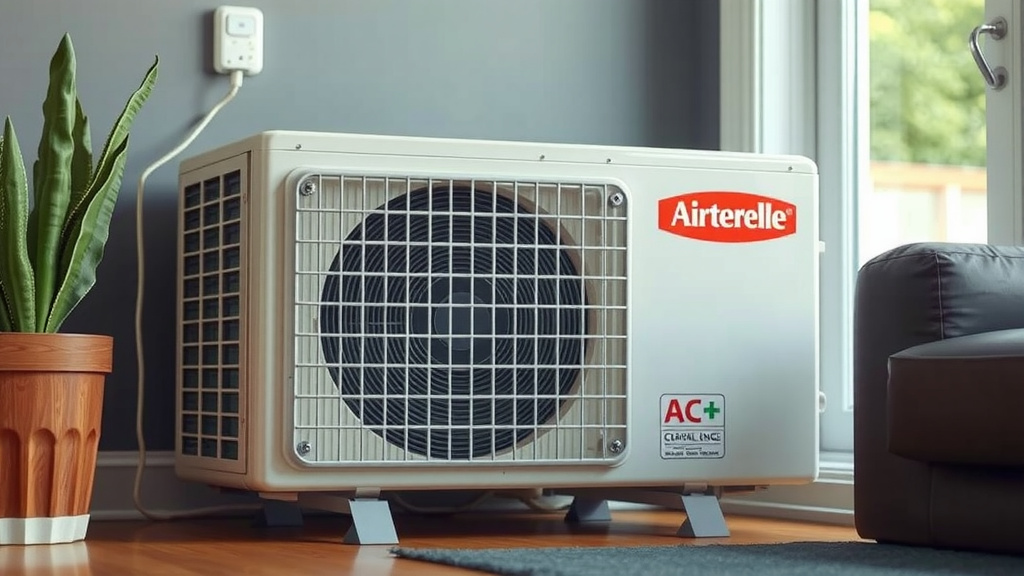
Good airflow helps to dry out any moisture. Ensure that vents aren’t blocked by furniture or curtains. If you have an outdoor unit, make sure it’s not overgrown with plants or debris. Your AC needs to breathe, and so do you. Proper ventilation helps reduce humidity inside your home, which is a double win.
When to Call the Professionals
Some maintenance tasks are best left to the experts. If you have a complex system, like a central air conditioner with a cooling tower, professional help is essential. HVAC technicians have the tools and knowledge to perform thorough cleanings and checks. They can identify potential issues you might miss. Many experts recommend annual professional servicing for your AC system. This can catch problems early, saving you trouble down the line. Think of it as an annual physical for your air conditioner.
Here’s a quick rundown of what to keep in mind:
- Check humidifier tanks for water clarity.
- Ensure condensate drains are clear and flowing.
- Wipe down accessible AC surfaces periodically.
- Fix any water leaks as soon as they appear.
- Keep AC vents and outdoor units free of blockages.
- Schedule annual professional AC maintenance.
Conclusion
Keeping your air conditioner free of Legionella bacteria is straightforward. It centers on smart water management and consistent cleaning. Remember, stagnant water is the enemy. By regularly cleaning humidifier tanks, clearing condensate drains, and promptly fixing leaks, you significantly reduce risk. Don’t forget the importance of good airflow. If you’re unsure about any maintenance, it’s always best to get professional help. Schedule your annual AC check-up today to ensure your system stays safe and healthy all year round.
Frequently Asked Questions
How often should I clean my AC’s humidifier tank?
If your air conditioner has a humidifier, cleaning its tank at least once a year is recommended. You may need to clean it more often if you use the humidifier frequently, especially during dry seasons. Always follow your manufacturer’s specific cleaning guidelines.
What if my AC condensate drain is completely blocked?
A completely blocked condensate drain can cause water to back up, leading to potential water damage and mold growth, which can harbor bacteria. For minor clogs, a wet/dry vacuum might work. For tougher blockages, it’s best to call a qualified HVAC technician to clear it safely.
Can I use regular household cleaners on my AC unit?
For accessible surfaces, a mild soap and water solution or a damp cloth is usually sufficient. For humidifier tanks or more thorough cleaning, consult your AC’s manual. Using harsh chemicals not designed for HVAC systems could damage components or leave harmful residues.
Are window AC units also a risk for Legionella?
While window AC units are generally less complex than central systems, they can still accumulate stagnant water if not maintained. Ensure the unit is properly drained and clean any accessible parts where water might collect, especially after periods of disuse.
How can I tell if my air conditioner needs professional servicing?
If you notice unusual noises, reduced cooling efficiency, strange smells, or visible signs of leaks or mold, it’s time for professional service. Annual professional maintenance is recommended to catch potential problems early and ensure your system is running safely and efficiently.
![7 Best Portable Water Cooled Air Conditioner [2026]](https://bathroomexplorer.com/wp-content/uploads/2026/06/7-best-portable-water-cooled-air-conditioner-2026-featured-768x432.jpg)

![7 Best Price Mini Split Air Conditioner [2026]](https://bathroomexplorer.com/wp-content/uploads/2026/06/7-best-price-mini-split-air-conditioner-2026-featured-768x432.jpg)
