Vacuum Sealed Chicken Freezer Life: How Long It Lasts
You can keep vacuum-sealed chicken in the freezer for a very long time. Generally, properly sealed chicken will last indefinitely in the freezer if you maintain a consistent, freezing temperature. The primary concern isn’t safety, but quality, which may decline over time.
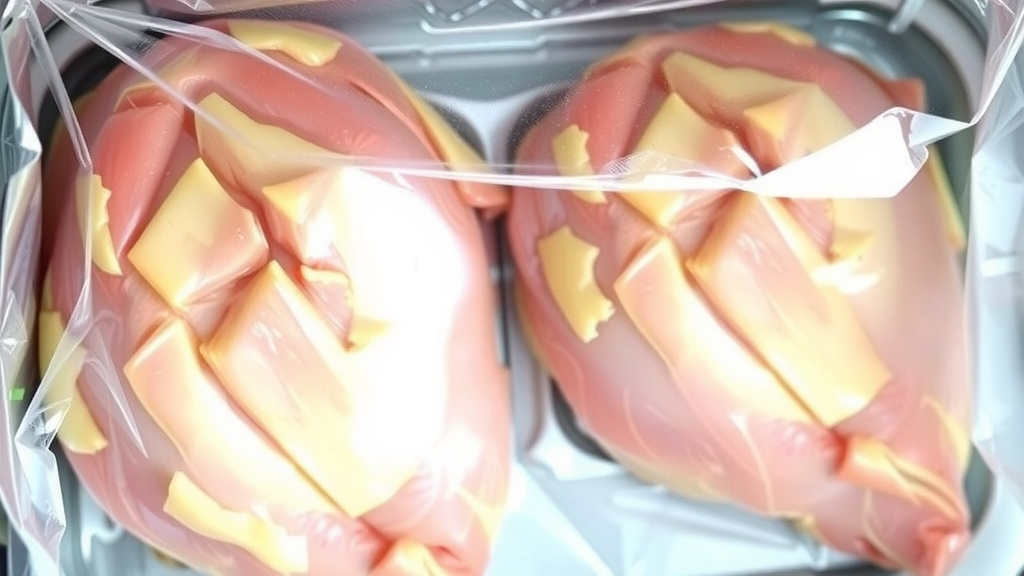
Freezing chicken in a vacuum-sealed bag is one of the best ways to prevent freezer burn. This method removes almost all the air. This significantly extends its shelf life and preserves its taste and texture much better than traditional methods. You can think of it as creating a protective cocoon for your poultry.
TL;DR:
- Vacuum-sealed chicken lasts indefinitely in the freezer for safety.
- Quality may decrease after 6-12 months.
- Freezer burn is significantly reduced.
- Proper sealing is key.
- Always check for signs of spoilage before cooking.
Ready to get the most out of your frozen chicken? Let’s dive into the specifics of how long vacuum-sealed chicken truly lasts and what factors can influence its quality.
“`htmlHow Long Does Vacuum-Sealed Chicken Stay Good in the Freezer?
You’re probably wondering about the exact timeline for your vacuum-sealed chicken. We found that when stored correctly, vacuum-sealed chicken can last indefinitely in the freezer without posing a safety risk. Think of your freezer as a time capsule for food. However, while it’s safe, the quality might start to change after a certain point.
The magic of vacuum sealing is its ability to remove air. Less air means less exposure to oxygen, which is the enemy of freshness. This dramatically reduces the chances of freezer burn, that powdery, dry, and unappetizing coating that can ruin frozen food. So, your chicken is more likely to taste as good as it did the day you sealed it.
Factors Affecting Your Frozen Chicken’s Quality
While safety is pretty straightforward with freezing, quality is a bit more nuanced. Several factors can influence how long your vacuum-sealed chicken retains its best taste and texture.
Temperature Stability is Key
The biggest enemy of frozen food, even vacuum-sealed, is temperature fluctuation. If your freezer door is opened frequently, or if there are power outages, the temperature can rise and fall. This thawing and refreezing process degrades the quality. It can lead to ice crystals forming, which damages the cell structure of the meat. We recommend keeping your freezer set at 0°F (-18°C) or below. This consistent cold is vital for preserving your chicken.
The Initial Quality of the Chicken
What goes into the bag matters! If you’re freezing chicken that’s already nearing its expiration date in the refrigerator, it won’t magically get better in the freezer. For the best long-term results, start with the freshest chicken possible. This means buying it when it’s bright pink and firm, with no off-putting smells. The fresher it is going in, the fresher it will be when you eventually thaw it.
How Well It Was Vacuum Sealed
This might sound obvious, but the seal itself is your chicken’s armor. If the vacuum sealer didn’t pull out all the air, or if there are small leaks in the bag, oxygen can still get in. This can lead to freezer burn, even if it takes longer to appear. Double-check your seals. You want a tight, secure bag with no air pockets visible.
Understanding Freezer Burn in Vacuum-Sealed Chicken
Even with the best efforts, sometimes freezer burn can still sneak in. It happens when moisture escapes from the food’s surface. Oxygen then reacts with the exposed areas, causing a dry, leathery texture and a faded appearance. Vacuum sealing significantly reduces this risk, but it’s not foolproof.
Signs of Freezer Burn
How can you tell if your chicken has freezer burn? Look for:
- Dry, pale spots on the surface of the meat.
- A leathery or tough texture.
- A discolored appearance, often whitish or grayish.
While freezer-burned chicken is still safe to eat, the quality is definitely compromised. You might notice it’s tougher and less flavorful. Sometimes, trimming away the affected areas can help salvage the rest of the piece.
Recommended Storage Times for Optimal Quality
While your vacuum-sealed chicken is safe indefinitely, we found that for the best flavor and texture, it’s wise to consume it within a certain timeframe. Many food safety experts suggest guidelines based on quality, not just safety.
For raw, vacuum-sealed chicken pieces (like breasts, thighs, or drumsticks), you can expect excellent quality for 9 to 12 months. If you’ve sealed a whole chicken, it might last a bit longer, up to 12 months, maintaining good quality. These timelines are based on consistent freezing temperatures.
What about cooked chicken? If you’ve cooked your chicken and then vacuum-sealed it, the quality timeline is a bit shorter. We found that cooked vacuum-sealed chicken generally retains its best quality for about 4 to 6 months. Again, this is for quality, not safety. It’s still safe beyond this, but the texture might become a bit drier or tougher.
It’s helpful to label your bags with the date you sealed them. This makes it easy to keep track. Imagine pulling out chicken you sealed last summer for a barbecue – that’s the goal!
When to Rethink Using Your Frozen Chicken
Even with the best vacuum sealing, there are times you should trust your senses. Always inspect your chicken before you cook it, even if it’s within the recommended quality timeframe.
Here’s a quick checklist to help you decide:
- Smell Test: Does it have a foul or sour odor?
- Color Check: Has it turned a gray or greenish color that wasn’t there before sealing?
- Texture Check: Does it feel unusually slimy or sticky?
- Mold: Are there any visible signs of mold?
- Bag Integrity: Does the bag look compromised with large air pockets or leaks?
If you answer “yes” to any of these, it’s best to discard the chicken. These are signs of spoilage, and even vacuum sealing can’t always prevent it if the chicken wasn’t perfect to begin with or if the seal failed.
Comparing Vacuum Sealing to Other Methods
You might be curious how vacuum sealing stacks up against traditional methods. We found that it offers superior protection against freezer burn compared to simply using freezer bags or aluminum foil. These methods often allow more air to reach the food, increasing the risk of quality degradation over time.
Here’s a quick look:
| Method | Estimated Quality Shelf Life (Raw Chicken) | Freezer Burn Risk |
|---|---|---|
| Vacuum Sealing | 9-12 months | Low |
| Heavy-Duty Freezer Bags (with air squeezed out) | 4-6 months | Moderate |
| Aluminum Foil / Plastic Wrap | 1-2 months | High |
As you can see, vacuum sealing really shines when it comes to preserving quality and preventing that dreaded freezer burn. It creates a much more effective barrier against the elements that degrade food.
“`Conclusion
You’ve learned that vacuum-sealed chicken is a freezer champion! For safety, it lasts indefinitely when kept at 0°F or below. However, for the best taste and texture, aim to use raw chicken within 9 to 12 months and cooked chicken within 4 to 6 months. Always prioritize a stable freezer temperature and a secure seal. Before cooking, give your chicken a quick sniff and visual check. If anything seems off, it’s best to play it safe. Now you can confidently stock your freezer, knowing your chicken will be delicious for your future meals!
Frequently Asked Questions
Can I eat vacuum-sealed chicken if it’s been in the freezer for over a year?
Yes, if it’s been properly vacuum-sealed and consistently frozen at 0°F (-18°C), your chicken is still safe to eat even after a year. Safety isn’t the issue; it’s the potential decline in quality like texture and flavor that you might notice.
What’s the difference in storage time between raw and cooked vacuum-sealed chicken?
Raw vacuum-sealed chicken generally maintains its best quality for 9 to 12 months. Cooked vacuum-sealed chicken has a slightly shorter optimal quality window, typically around 4 to 6 months. Both remain safe beyond these times, but quality can decrease.
How can I be sure my vacuum seal is good enough?
Look for a tightly shrunk bag with no visible air pockets. If you can easily push air out or see gaps around the seal, it might not be fully airtight. A strong seal is your best defense against freezer burn and quality loss.
Does the type of chicken (breast, thigh, whole) affect how long it lasts?
While the vacuum sealing method is the primary factor, whole chickens might retain quality slightly longer than smaller pieces due to less surface area exposure relative to their mass. However, the general quality guidelines of 9-12 months for raw chicken still apply broadly.
What should I do if I find white, dry spots on my vacuum-sealed chicken?
Those white, dry spots are likely freezer burn. While the chicken is still safe to consume, the texture and flavor in those areas will be compromised. You can try trimming away the affected parts before cooking to salvage the rest of the meat.