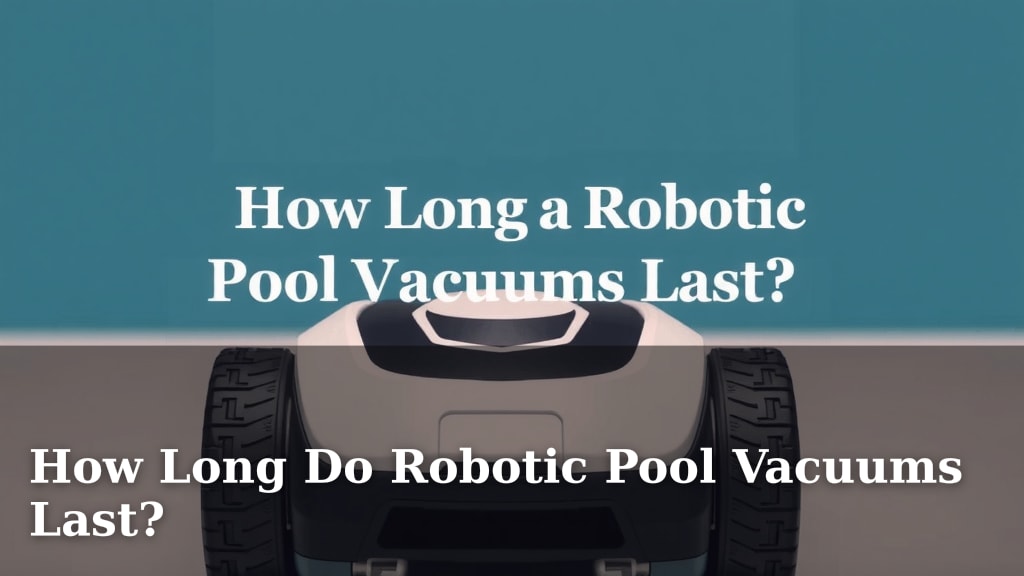
How Long Do Robotic Pool Vacuums Last?
Most robotic pool vacuums last between 3 to 5 years, though some can continue functioning for up to 7 years with proper care. Factors like build quality, usage frequency, and maintenance play a big role in their lifespan. Understanding these elements helps you get the most out of your investment.
When you invest in a robotic pool cleaner, you’re hoping for a reliable helper. You want to know how long you can count on it to keep your pool sparkling. We found that while 3-5 years is typical, good maintenance can extend this significantly. Think of it like your car; regular check-ups keep it running longer.
- Robotic pool vacuums generally last 3-5 years.
- Some models can last up to 7 years with excellent care.
- Key factors include build quality and how often you use it.
- Regular maintenance is crucial for a longer lifespan.
Let’s get into the details of what influences your robotic pool vacuum’s lifespan and how you can help it last as long as possible.
“`htmlUnderstanding Your Robotic Pool Vacuum’s Lifespan
You’ve invested in a robotic pool cleaner, and you’re likely wondering, “How long will this thing actually last?” Many people ask this question. We found that most robotic pool vacuums tend to work well for 3 to 5 years. Some can even go longer, up to 7 years, if you treat them right.
It’s not just about luck. Several factors decide how long your robotic cleaner will keep your pool sparkling clean. Think of it like caring for any appliance or vehicle. Regular attention and proper use make a big difference.
Factors That Impact How Long Your Robot Lasts
Build Quality and Brand Reputation
Not all robotic pool vacuums are created equal. The materials used and the overall engineering play a huge role. Higher-end models often use more durable plastics and stronger internal components. We found that brands known for quality tend to have vacuums that last longer.
Think about it this way: a car made with cheaper parts might need more repairs and won’t last as many miles. The same applies here. Investing in a well-regarded brand can mean a longer service life for your cleaner.
Frequency of Use
How often you run your robotic pool vacuum directly affects its lifespan. If you run it daily during the swimming season, its components will experience more wear and tear. A cleaner used only once a week will likely last longer than one that works overtime.
We found that heavy use, especially in larger pools or those that get dirty quickly, puts more stress on the motor, brushes, and filters. It’s like putting more miles on your car. More usage means more potential for parts to wear out sooner.
Pool Size and Debris Load
Cleaning a large pool takes more time and effort from your robot. Similarly, if your pool tends to collect a lot of leaves, dirt, or sand, your vacuum will have to work harder. We found that a heavy debris load can clog filters faster and strain the motor.
This extra workload can shorten the operational life of your robotic cleaner. Consider the size of your pool and how much debris it typically accumulates when you’re thinking about how long you expect your vacuum to last.
Water Chemistry and Pool Environment
The chemicals in your pool water can impact your vacuum. Harsh chemicals, especially high levels of chlorine or very acidic water, can degrade plastic components and seals over time. We found that maintaining proper water balance is important not just for swimmers, but also for your equipment.
The temperature of the water also matters. Operating your robot in extremely hot water can sometimes cause components to overheat, potentially reducing their lifespan. Keeping your pool water within the recommended range helps protect your investment.
Maximizing Your Robotic Pool Vacuum’s Longevity
Regular Cleaning and Maintenance
This is perhaps the most critical factor in extending your robotic cleaner’s life. After each use, you should clean out the filter basket or cartridges. We found that removing debris prevents clogs and reduces strain on the motor.
Check the brushes and the drive wheels for any tangled debris, like hair or string. You’ll want to gently remove these to ensure smooth operation. A quick rinse with fresh water can also help wash away pool chemicals.
Filter Care
Your vacuum’s filter is its lungs. If it’s constantly clogged, the whole system suffers. We found that cleaning your filter after every single use is the best practice. For cartridge filters, a good scrub with a soft brush might be needed periodically.
Some people use a mild soap and water solution. Always rinse thoroughly. If your filter material starts to look worn or damaged, it’s time for a replacement. A clean filter means better suction and less work for the motor.
Inspecting the Unit
Take a few minutes to look over the vacuum itself. Are the brushes worn down? Are there any cracks in the casing? Is the power cord tangled or damaged? We found that noticing small issues early can prevent them from becoming big problems.
Sometimes, a loose screw or a bit of debris can cause a bigger malfunction if left unchecked. A visual inspection is a simple step that goes a long way.
Proper Storage
When the swimming season is over, or if you’ll be away for an extended period, store your robotic pool vacuum correctly. We found that storing it in a cool, dry place is ideal. Avoid direct sunlight, as UV rays can degrade plastic over time.
Many manufacturers recommend storing the unit on its caddy or at least off the ground. Make sure the power cord is neatly wrapped and not kinked. Proper storage protects it from the elements and accidental damage.
Following Manufacturer Guidelines
Your robotic pool vacuum came with a manual for a reason! We found that these manuals contain important information about operation, maintenance, and troubleshooting. Adhering to the manufacturer’s recommendations is key.
This includes things like the recommended water chemistry levels, operating temperatures, and how to perform more in-depth cleaning or maintenance. Ignoring these guidelines could potentially void your warranty and shorten the cleaner’s life.
When It Might Be Time for a New One
Despite your best efforts, all good things must come to an end. If your robotic pool vacuum starts showing signs of significant wear and tear, it might be nearing the end of its service life. Common indicators include a noticeable decrease in cleaning performance, frequent breakdowns, or expensive repair costs.
We found that sometimes, the cost of repairs can approach the price of a new model, especially if the main components like the motor or drive system are failing. At that point, upgrading to a newer, more efficient model might be the most sensible choice.
Checklist for Extending Your Robot’s Life
- Clean filters after every use.
- Rinse the unit with fresh water regularly.
- Inspect for tangled debris on brushes and wheels.
- Store in a cool, dry place away from sun.
- Check the power cord for any damage.
- Maintain proper pool water chemistry.
Conclusion
You’ve learned that your robotic pool vacuum is built to last, typically between 3 to 5 years, and potentially much longer with diligent care. We found that factors like initial build quality, how often you run your cleaner, and your pool’s unique environment all play a part. The biggest takeaway? Consistent maintenance – especially keeping those filters clean and the unit stored properly – is your best bet for a longer-lasting, reliable pool companion. Your next step is to set a routine for cleaning and inspecting your robot after each use.
Frequently Asked Questions
What if my robotic pool vacuum stops working after only a year?
If your robot fails within the first year, check your warranty. Most manufacturers offer a warranty period that covers defects. If it’s not covered, inspect the power cord and look for any obvious blockages or damage. Sometimes, a simple reset or thorough cleaning can resolve issues.
Can I use my robotic pool vacuum in saltwater pools?
Generally, yes, most modern robotic pool vacuums are designed to work in saltwater pools. However, it’s always best to check your specific model’s manual. Salt can be more corrosive than chlorine, so rinsing the unit with fresh water after each use is even more important in a saltwater environment.
How often should I replace the brushes or filter on my robot?
Filter replacement frequency depends on your pool’s debris load and how often you clean them. We found that many users replace filters every 6-12 months. Brush wear depends on usage and pool surface; inspect them regularly and replace when they appear worn or are no longer effectively scrubbing.
Is it normal for my robotic vacuum to make some noise?
A low hum or whirring sound is usually normal as the motor operates. However, if you hear loud grinding, clicking, or rattling noises, that could indicate a problem. These sounds might mean debris is caught in the impeller, or there’s an issue with the motor or drive gears.
What’s the best way to store my robot during the off-season?
When storing your robotic vacuum for an extended period, ensure it’s clean and completely dry. Store it in a cool, dry place, away from direct sunlight and extreme temperatures. Many models come with a caddy, which is ideal for storage, preventing unnecessary strain on the unit and cord.
![7 Best Dyson Cordless Vacuum For Carpet And Hardwood Floors [2026]](https://bathroomexplorer.com/wp-content/uploads/2026/05/7-best-dyson-cordless-vacuum-for-carpet-and-hardwood-floors-2026-featured-768x432.jpg)