Vacuum Sealed Deer Meat Shelf Life: How Long It’s Good For
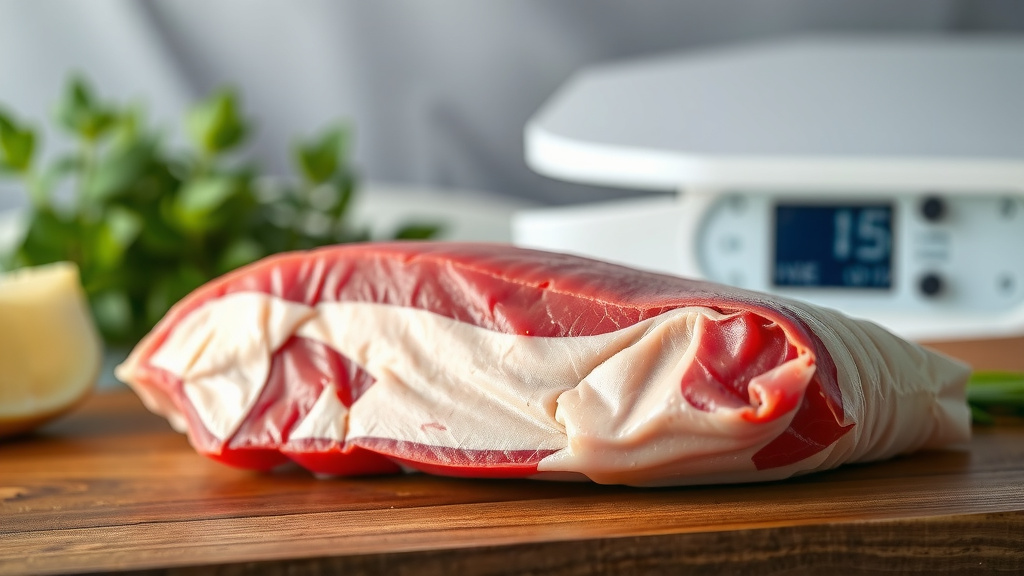
Vacuum-sealed deer meat can last a surprisingly long time. Properly sealed and stored in the freezer, your deer meat can remain good quality for 12-36 months. This method really helps preserve that delicious wild game flavor you worked hard for. You can absolutely trust your frozen venison when it’s vacuum-sealed correctly.
Freezing is your best friend for long-term meat storage. Vacuum sealing takes it a step further. It removes air, preventing freezer burn and extending the shelf life significantly. Many hunters find this method incredibly reliable for their harvested deer.
- Vacuum-sealed venison lasts 1-3 years in the freezer.
- Proper sealing prevents freezer burn and spoilage.
- This method keeps meat quality high.
- It’s a reliable way to store game meat long-term.
Let’s dive into the details of how long your vacuum-sealed deer meat will stay fresh and what factors influence its shelf life.
How Long Does Vacuum-Sealed Deer Meat Stay Fresh?
So, you’ve successfully harvested a deer and want to keep that delicious venison for future meals. That’s where vacuum sealing really shines. You’re likely wondering, “Just how long can I expect my vacuum-sealed deer meat to be good?” The answer is refreshingly long! Properly vacuum-sealed and frozen venison can maintain its excellent quality for about 1 to 3 years.
This means you can enjoy your hard-earned harvest throughout the year, or even longer if stored correctly. Think of it as extending your hunting season into your kitchen. This method is fantastic for preserving that rich, gamey flavor you love.
Understanding the Science Behind Vacuum Sealing
Why does vacuum sealing work so well? It’s all about removing the enemy: air. Air contains oxygen, which can cause several issues for your meat.
Preventing Freezer Burn: Your Meat’s Best Friend
Freezer burn is that unwelcome dry, leathery, and discolored patch you sometimes see on frozen foods. It happens when air comes into contact with the meat’s surface, causing moisture to evaporate. This not only ruins the texture but also affects the taste.
Vacuum sealing creates an airtight barrier. It sucks out almost all the air before sealing the bag shut. This prevents moisture loss and keeps the meat’s natural juices locked inside. Your venison stays moist and flavorful, just as it should be.
Inhibiting Bacterial Growth
Bacteria are the other major foe of fresh meat. Many bacteria need oxygen to thrive and multiply. By removing the air, you create an environment where these pesky microorganisms have a much harder time growing.
While vacuum sealing doesn’t make meat completely sterile, it significantly slows down spoilage. This is especially true when the meat is kept at freezing temperatures. You’re essentially putting those bacteria into a deep sleep.
Factors Affecting Shelf Life
While 1-3 years is a great guideline, a few things can influence how long your venison stays at its peak.
Quality of the Meat Before Sealing
The process starts even before you hit the vacuum sealer button. If the meat was handled poorly in the field or wasn’t properly cooled quickly after the harvest, its shelf life will be compromised, no matter how well you seal it.
Always ensure your deer is field-dressed promptly. Get it chilled as quickly as possible. This initial quality control sets the stage for long-term storage success.
Effectiveness of the Seal
A proper seal is non-negotiable. A weak seal means air can still get in. This defeats the purpose and can lead to freezer burn and spoilage.
Make sure your vacuum sealer is working correctly. Double-check that the bags are completely sealed. Sometimes, a small crease or a bit of moisture at the sealing edge can cause a failure. We recommend doing a quick visual inspection of each seal.
Freezer Temperature Stability
Your freezer’s temperature needs to be consistently cold. Fluctuations in temperature, like when the door is opened frequently or during power outages, can cause ice crystals to form and melt.
This freeze-thaw cycle can damage the meat’s texture and quality. Aim for a freezer temperature of 0°F (-18°C) or below. Keeping your freezer well-stocked also helps maintain a more stable temperature.
How to Maximize Your Venison’s Lifespan
Want to get the most out of your vacuum-sealed venison? Follow these tips.
Proper Preparation is Key
Before sealing, trim away any excess fat or silverskin. These parts can go rancid over time, affecting the flavor of your meat. Cut your venison into convenient portion sizes. This makes thawing and cooking much easier later on.
Use High-Quality Vacuum Seal Bags
Not all vacuum seal bags are created equal. Invest in bags specifically designed for food storage. These are typically thicker and more durable, offering better protection against punctures and leaks.
Label Everything Clearly
This might sound simple, but it’s incredibly important. Label each bag with the cut of meat (e.g., backstrap, roast, burger) and the date it was sealed. This helps you keep track of your inventory and use older meat first.
When to Still Be Cautious: Signs of Spoilage
Even with vacuum sealing, it’s wise to know the signs that meat might no longer be good. While less common with proper technique, it’s good to be aware.
Visual Cues to Watch For
Look for any signs of freezer burn that made it through the seal. If you see significant discoloration (beyond normal freezing) or an unusually dry appearance, it might be best to trim it away or discard it if extensive.
Smell and Texture Test
The best test is often your nose and touch. When you thaw the meat, it should smell fresh, like raw meat. If it has a sour, ammonia-like, or generally “off” odor, do not consume it.
The texture should be firm. If it feels slimy or mushy, that’s another red flag. Trust your instincts; if something seems wrong, it probably is.
Storage Timeline: What to Expect
Let’s break down the estimated shelf life for different types of venison when vacuum-sealed and frozen at 0°F:
| Type of Venison Cut | Estimated Shelf Life (Months) |
|---|---|
| Steaks (Backstrap, Tenderloin) | 12-24 |
| Roasts (Shoulder, Leg) | 18-36 |
| Ground Venison/Burger | 12-18 |
| Stew Meat | 12-24 |
Keep in mind these are general guidelines. Using the highest quality meat and the best sealing practices will always help you reach the longer end of these estimates. Many sources, like the USDA, suggest that properly frozen foods can last indefinitely in terms of safety, but quality will degrade over time (USDA).
Your Vacuum-Sealed Venison Checklist
To ensure your venison stays delicious and safe for as long as possible, run through this quick checklist:
- Harvest Quality: Ensure meat was handled and cooled properly in the field.
- Trim Fat: Remove excess fat and silverskin before sealing.
- Portion Size: Cut into convenient, meal-sized portions.
- Airtight Seal: Double-check that your vacuum sealer creates a perfect seal.
- Freeze Promptly: Get your sealed meat into a consistent -0°F freezer ASAP.
- Label Clearly: Note the cut and date sealed on each package.
Conclusion
You’ve learned that vacuum-sealed deer meat is a fantastic way to preserve your harvest for up to three years when stored properly. By removing air, you prevent freezer burn and slow bacterial growth, keeping your venison delicious. Remember that initial meat quality, a perfect seal, and a stable freezer temperature are key to maximizing its lifespan.
Before you stock your freezer, take a moment to review your sealing technique and labeling. Now you’re ready to enjoy your hard-earned venison throughout the year!
Frequently Asked Questions
Can I tell if vacuum-sealed deer meat has gone bad just by looking?
While vacuum sealing greatly reduces spoilage, you should still visually inspect your meat. Look for any unusual discoloration beyond normal freezing or signs of freezer burn that might indicate air got into the bag. If the seal appears compromised, it’s best to be cautious.
How does vacuum sealing prevent freezer burn better than regular freezer bags?
Regular freezer bags can trap air, which leads to moisture loss and freezer burn. Vacuum sealing removes almost all the air before sealing, creating a tight barrier. This significantly reduces the meat’s exposure to air and prevents that dry, icy coating.
Is it safe to eat vacuum-sealed deer meat that’s been in the freezer for 3 years?
For safety, properly frozen meat can last indefinitely. However, the quality of vacuum-sealed deer meat will start to decline after about 1-3 years. While it might still be safe, the flavor and texture might not be as good as fresher cuts.
What’s the best way to thaw vacuum-sealed venison?
The safest way to thaw vacuum-sealed venison is in the refrigerator. This keeps the meat at a safe, cold temperature throughout the thawing process. You can also thaw it in cold water, ensuring the water is changed every 30 minutes, or in the microwave if you plan to cook it immediately.
Does the type of deer (e.g., young vs. old) affect how long vacuum-sealed meat lasts?
While the age of the deer might slightly impact the initial tenderness and flavor, it doesn’t drastically change the shelf life of vacuum-sealed and frozen meat. The key factors remain proper sealing, consistent freezing temperatures, and the initial quality of the meat.
![7 Best Handheld Vacuum For Dust Mites [2026]](https://bathroomexplorer.com/wp-content/uploads/2026/05/7-best-handheld-vacuum-for-dust-mites-2026-featured-768x432.jpg)