How Long Does Wine Last with a Vacuum Pump
A wine vacuum pump can help you keep wine fresh for up to a week, depending on the wine type and how well you seal it. It works by removing air from the opened bottle, which is the main cause of wine spoilage. So, yes, using a wine vacuum pump is a great way to extend the life of your wine.
While it won’t keep wine perfectly fresh forever, it significantly slows down oxidation. This means you can enjoy that bottle of red or white over several days without a drastic loss in flavor. Many wine lovers find it an effective and simple tool to prevent waste.
- Wine vacuum pumps can extend wine life for about a week.
- They work by removing air to slow down spoilage.
- Not a perfect preservation, but very helpful.
- Results vary by wine type and seal quality.
Let’s dive into how a wine vacuum pump works and how long you can truly expect your wine to last.
You’ve opened a bottle of wine, enjoyed a glass or two, and now you’re wondering about the rest. Will it still taste good tomorrow? Or the day after? That’s where a wine vacuum pump comes into play. It’s a simple gadget designed to help you get more enjoyment out of your wine. But how much more, exactly?
How Long Can You Keep Wine Fresh with a Vacuum Pump?
Generally, a wine vacuum pump can help keep an opened bottle of wine fresh for up to a week. This isn’t a hard and fast rule, though. Several factors influence how long your wine stays drinkable. The type of wine plays a big role. So does how well you use the pump. It’s a great tool to reduce waste and savor your wine over time.
Understanding Wine Spoilage: The Enemy is Air
So, why does wine go bad after you open it? The main culprit is oxidation. When wine is exposed to air, a chemical reaction starts. Oxygen begins to break down the compounds in the wine. This changes its flavor and aroma. Think of it like an apple turning brown after you cut it. That’s oxidation at work.
The Role of Acetic Acid Bacteria
Air also introduces microorganisms. Acetic acid bacteria are naturally present in the environment. They love to feed on the alcohol and acids in wine. When they get enough oxygen, they turn wine into vinegar. You’ll notice a sharp, vinegary smell and taste. This is why keeping air out is so important.
How a Wine Vacuum Pump Works Its Magic
A wine vacuum pump is designed to combat oxidation. It works by drawing air out of the opened bottle. You place a special rubber stopper into the bottle’s neck. Then, you attach the pump to the stopper. With a few pumps, you create a partial vacuum inside the bottle. This removes most of the air that was above the wine. Less air means less oxygen exposure. It’s a straightforward process for a clever result.
Creating a Tighter Seal
The effectiveness of the pump relies on a good seal. The rubber stoppers are key here. They need to fit snugly into the bottle. Once you’ve pumped out the air, the stopper should maintain that seal. This prevents new air from getting back into the bottle. A strong seal is your best defense against spoilage.
Factors Affecting Wine Longevity with a Pump
While a vacuum pump extends wine life, it’s not a magic bullet. The type of wine makes a significant difference. Some wines are more delicate than others. Others have qualities that help them withstand oxidation longer.
Red vs. White Wine: Who Lasts Longer?
Generally, red wines tend to last a bit longer than white wines when using a vacuum pump. This is often due to their higher tannin content. Tannins are compounds found in grape skins. They act as natural preservatives. They can help slow down the oxidation process. Many red wines can stay enjoyable for 3-5 days after opening with a pump.
Lighter-bodied white wines, especially those with high acidity, might start to lose their crispness sooner. They can often be good for 2-3 days. More robust white wines, like an oaked Chardonnay, might last a bit longer, similar to some reds. But it’s always best to taste and see.
The Impact of Wine Structure and Age
The structure of the wine itself matters. Wines with higher acidity and higher alcohol content tend to preserve better. They have a natural resistance to spoilage. Younger wines might fare better than very old, complex wines. Older wines can be more fragile. They may have already started to age gracefully before you even opened them.
A wine that’s already several years old might be more sensitive to oxygen than a young, vibrant one. Think of it like a flower. A fresh bloom can handle a bit of wilting. An older, more delicate petal might crumble more easily.
Storage Temperature is Still Key
Even with a vacuum pump, proper storage is vital. You should always store opened wine bottles upright in the refrigerator. Why upright? This minimizes the surface area of the wine exposed to any remaining air. Refrigeration slows down all chemical reactions. This includes the ones that cause spoilage. So, even with a pump, don’t leave that bottle on the counter. Pop it in the fridge!
Many guidelines suggest that storing opened wine at a consistent, cool temperature is crucial (National Institute on Aging). This helps maintain the wine’s integrity. It complements the work your vacuum pump is doing.
How to Tell If Your Wine Has Gone Bad
Your senses are your best guide. Does the wine smell off? Look for unpleasant aromas. Think nail polish remover, damp cardboard, or vinegar. The color might also change. Whites can become darker, sometimes brownish. Reds might lose their vibrant color and appear duller.
The taste is the final judge. If it tastes sour, vinegary, or just flat and lifeless, it’s probably past its prime. Don’t feel bad if a wine doesn’t last as long as you hoped. It just means it’s time to try a fresh bottle!
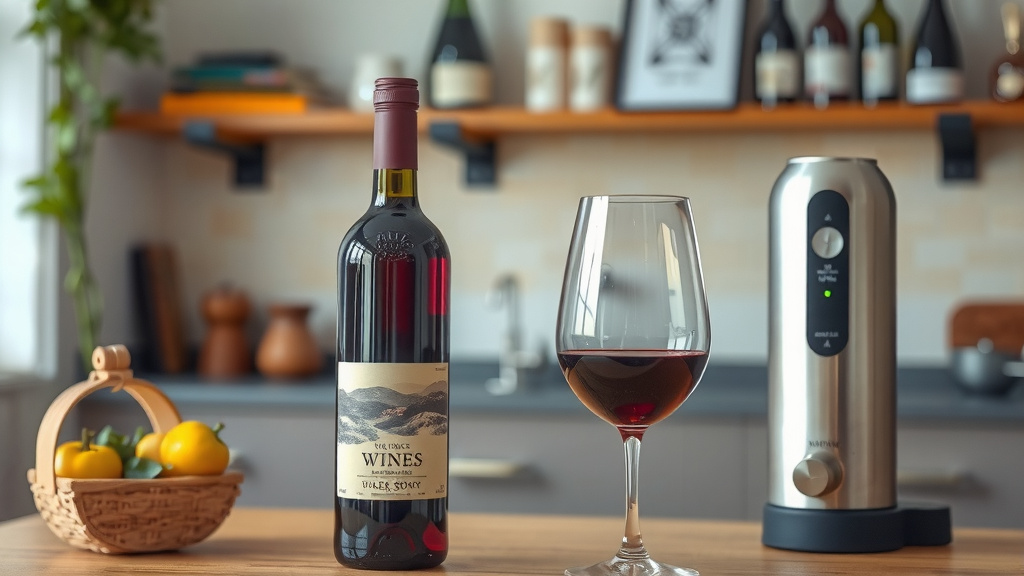
Maximizing Your Wine’s Freshness: A Quick Checklist
Want to get the most out of your opened wine? Follow these simple steps:
- Always use a good quality rubber stopper.
- Pump out as much air as you can.
- Store the bottle upright in the refrigerator.
- Keep the bottle in a cool, dark place when not in the fridge.
- Taste your wine regularly to check its freshness.
- Don’t be afraid to use slightly “off” wine for cooking!
By understanding how a wine vacuum pump works and what factors influence its effectiveness, you can confidently preserve your wine for longer. You’ll enjoy more glasses and waste less. Cheers to that!
Conclusion
You’ve learned how a wine vacuum pump can be your secret weapon against waste. By removing air, it significantly slows down oxidation, letting you enjoy your favorite wines over several days. Remember that results vary with wine type and how well you seal the bottle. Always store your opened wine upright in the fridge to maximize its freshness. With these simple steps, you can savor every last drop and feel good about reducing waste. So, go ahead and grab that pump the next time you open a bottle!
Frequently Asked Questions
Will a wine vacuum pump make my wine last forever?
No, a wine vacuum pump doesn’t make wine last forever. It significantly slows down the oxidation process, extending freshness for days rather than weeks. Think of it as hitting the pause button, not stopping time completely. The goal is to enjoy the wine before it spoils, not preserve it indefinitely.
Can I use a vacuum pump on sparkling wine?
It’s generally not recommended to use a standard wine vacuum pump on sparkling wine. Sparkling wines rely on their carbonation (bubbles) for their character. Vacuum pumps remove air, which will also remove the precious bubbles, flattening the wine. Special stoppers designed for sparkling wine are available to preserve carbonation.
What’s the difference in how long reds and whites last with a pump?
Red wines often last a bit longer than white wines, typically 3-5 days compared to 2-3 days for lighter whites. This is usually because reds have higher tannin levels, which act as natural preservatives. Robust whites might last longer, but it always comes down to tasting the wine.
How do I know if my vacuum pump seal is good?
A good seal means the rubber stopper fits snugly into the bottle’s neck, creating an airtight connection. After pumping, you shouldn’t hear air escaping. If you remove the pump and the stopper pops out easily or feels loose, the seal isn’t strong. Try reinserting the stopper and pumping again.
Can I reuse the same stopper multiple times?
Yes, most wine vacuum pump stoppers are designed for repeated use. Just make sure to clean them after each use. Rinse them with warm water and let them air dry completely. This prevents any residual wine flavors from affecting your next bottle and ensures a good seal.