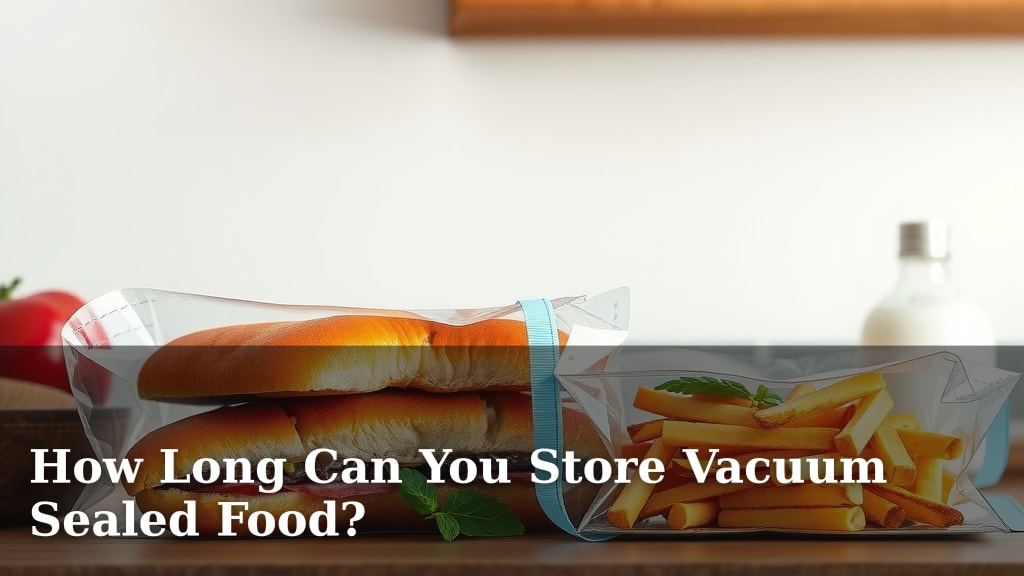
How Long Can You Store Vacuum Sealed Food?
You can store vacuum sealed food for a remarkably long time, often 3-5 times longer than traditional storage methods. For example, many meats can last up to two years in the freezer when vacuum sealed, compared to just six months in a regular freezer bag. This method significantly extends freshness and prevents freezer burn.
Vacuum sealing works by removing air from the packaging. This lack of oxygen drastically slows down spoilage caused by oxidation and the growth of aerobic bacteria. It’s a fantastic way to save money by buying in bulk and preserving seasonal produce. Think of it as giving your food a super-powered protective suit against the elements!
- Vacuum sealing extends food life by 3-5 times.
- Freezer meats can last up to 2 years vacuum sealed.
- It prevents spoilage from oxidation and bacteria.
- Great for bulk buying and saving money.
Ready to learn just how long your favorite foods can last? Let’s dive into the specifics of vacuum sealing and food storage.
Understanding Vacuum Sealing and Food Longevity
You might be wondering, “Just how long can I really store my food using this vacuum sealing magic?” We’ve got the answers for you! Vacuum sealing isn’t just a fancy kitchen gadget; it’s a serious upgrade for your food storage game. It works by removing almost all the air from your packaging. This lack of oxygen is the key. It dramatically slows down the processes that make food go bad. Think of it as putting your food in a protective bubble.
We found that this method can extend the shelf life of many foods by 3 to 5 times compared to standard storage. This means less food waste and more savings in your pocket. Let’s break down what this looks like for different types of food.
Shelf Life Extensions: What to Expect
The exact storage time will vary based on the food type and whether it’s stored in the refrigerator, freezer, or pantry. But generally, vacuum-sealed foods stay fresh much longer.
Refrigerated Foods
In the refrigerator, vacuum sealing keeps produce crisp and meats fresh. For instance, leafy greens can last weeks instead of days. Hard cheeses can stay good for months. We found that many dairy products, like butter, also benefit greatly.
Fruits and Vegetables
Most fruits and vegetables will stay fresh in the fridge for about 1 to 3 weeks when vacuum sealed. This is a huge jump from the usual few days. Berries, in particular, stay firm and mold-free for much longer.
Meats and Cheeses
Raw meats like chicken or beef can last up to six weeks in the refrigerator when vacuum sealed. This is a significant increase from the typical one to two weeks. Hard cheeses can last for six months or even longer, compared to just a few weeks otherwise.
Frozen Foods
This is where vacuum sealing truly shines. Freezing is great, but it often comes with freezer burn. Vacuum sealing eliminates this problem.
Meats and Fish
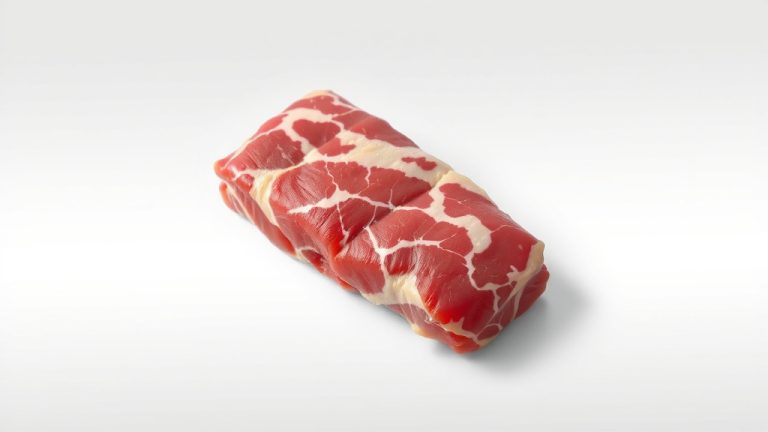
When vacuum sealed and frozen, meats like steak, chicken, and pork can last for 1 to 3 years. That’s a massive upgrade from the standard 6-12 months. Whole fish can also be stored for 1 to 2 years, maintaining its quality.
Poultry and Game
Similar to red meats, vacuum-sealed poultry and game can easily last 2 to 3 years in the freezer. This makes buying in bulk or stocking up on seasonal game a much more practical option.
Vegetables and Fruits for Freezing
While fruits and vegetables are often blanched before freezing, vacuum sealing helps maintain their texture and nutrients. They can last for 1 to 2 years in the freezer, tasting much fresher when thawed.
Pantry Storage
For non-perishable items, vacuum sealing can also extend their life and protect them from pests and moisture.
Dry Goods
Items like flour, sugar, rice, pasta, and oats can last for 1 to 2 years or even longer when vacuum sealed and stored in a cool, dry place. This protects them from moisture and insects.
Nuts and Seeds
Fats in nuts and seeds can go rancid over time. Vacuum sealing removes the oxygen that causes this. They can last for 1 to 2 years, sometimes longer, staying fresh and delicious.
Factors Affecting Storage Times
While vacuum sealing offers impressive extensions, a few things can influence how long your food stays good. The initial freshness of the food is key. If you seal food that’s already close to spoiling, vacuum sealing won’t bring it back to life. It preserves what’s already there.
Food Quality and Preparation
Always start with high-quality ingredients. Clean and dry all produce thoroughly before sealing. For meats, ensure they are properly handled and cooled. Some foods, like certain vegetables, might need blanching before freezing even when vacuum sealed. This helps preserve color and nutrients (Oregon State University Extension).
Storage Conditions
Consistent temperatures are vital. For refrigerated items, make sure your fridge is set to 40°F (4°C) or below. For frozen items, your freezer should be at 0°F (-18°C) or below. Fluctuations in temperature can still impact food quality over time. Pantry items should be kept in a cool, dark, and dry environment.
Type of Vacuum Sealer Bag Used
Using the right bags matters. High-quality, BPA-free vacuum sealer bags are designed to create an effective barrier. They prevent oxygen from re-entering. Always ensure you have a strong seal. A faulty seal can let air back in, reducing the storage time.
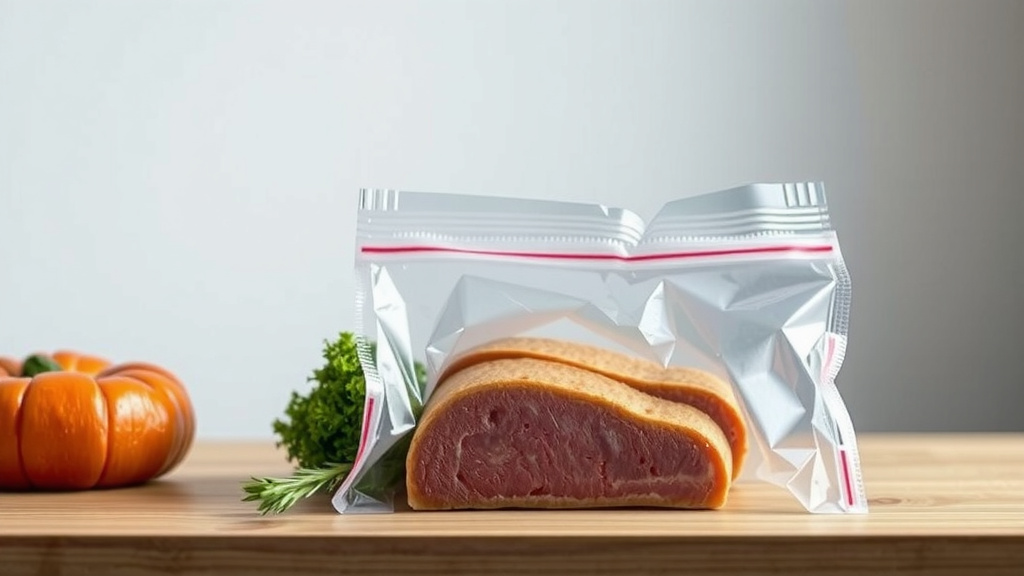
When to Discard Vacuum-Sealed Food
Even with vacuum sealing, food doesn’t last forever. Always use your senses to check for spoilage. Look for changes in color, texture, or smell. If you notice any signs of spoilage, it’s best to discard the food, no matter how long it’s been stored.
Signs of Spoilage to Watch For
These include unusual odors, slimy texture, mold growth, or discoloration. If the vacuum seal itself appears compromised, with air inside the bag, this is a sign that the food may no longer be preserved effectively.
Quick Checklist for Vacuum-Sealed Storage
Here’s a handy checklist to help you get the most out of your vacuum-sealed foods:
- Start with the freshest food possible.
- Properly prepare and cool food before sealing.
- Use high-quality, leak-proof vacuum sealer bags.
- Ensure a strong, consistent seal on every bag.
- Store at the correct, consistent temperatures (fridge, freezer, or pantry).
- Always check for signs of spoilage before consuming.
Conclusion
You’ve learned how vacuum sealing can truly transform your food storage. By removing air, you drastically extend freshness and prevent freezer burn for weeks, months, and even years. This smart method helps you save money and reduce waste by keeping food delicious and safe to eat for much longer. Remember to always start with quality ingredients and maintain proper storage temperatures. Now you’re equipped to confidently store more of your favorite foods. Your next step? Try vacuum sealing a batch of produce or meat this week to see the difference yourself!
Frequently Asked Questions
Can I vacuum seal leftovers to keep them fresh longer?
Yes, absolutely! Vacuum sealing is excellent for leftovers. It helps prevent spoilage and keeps them tasting fresh for an extended period compared to just using regular containers or wrap. You’ll find your meals stay more enjoyable for longer.
Does vacuum sealing help with canned goods?
Vacuum sealing isn’t typically used for commercially canned goods, as they are already preserved. However, if you’re doing home canning, vacuum sealing your jars before the canning process can help ensure a better seal and protect contents from air exposure during storage.
What if my vacuum seal bag starts to inflate after a while?
An inflating bag usually means gas is being produced inside, which is a sign of spoilage. This can happen with certain foods, especially those that might have had a little air trapped or are starting to break down. It’s a good indicator to discard the food.
Is it safe to vacuum seal raw meat for long-term freezer storage?
Yes, vacuum sealing raw meat for the freezer is very safe and effective. It’s one of the best ways to prevent freezer burn and maintain the quality of meats like beef, chicken, and pork for up to several years. Just be sure to freeze it at 0°F or below.
Do I need to blanch vegetables before vacuum sealing them for the freezer?
For best results and to preserve texture and nutrients, it’s generally recommended to blanch most vegetables before vacuum sealing and freezing them. While vacuum sealing alone helps, blanching stops enzyme activity that can still occur slowly and affect quality over long storage periods.
![7 Best Dyson Vacuum For Pet Hair And Hardwood Floors [2026]](https://bathroomexplorer.com/wp-content/uploads/2026/05/7-best-dyson-vacuum-for-pet-hair-and-hardwood-floors-2026-featured-768x432.jpg)