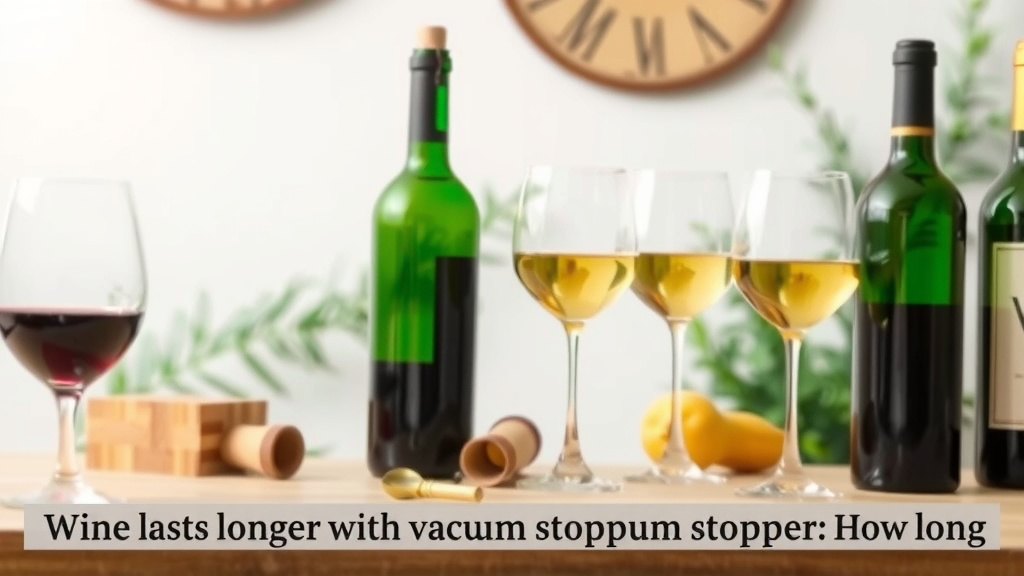
Wine Lasts Longer With Vacuum Stopper: How Long
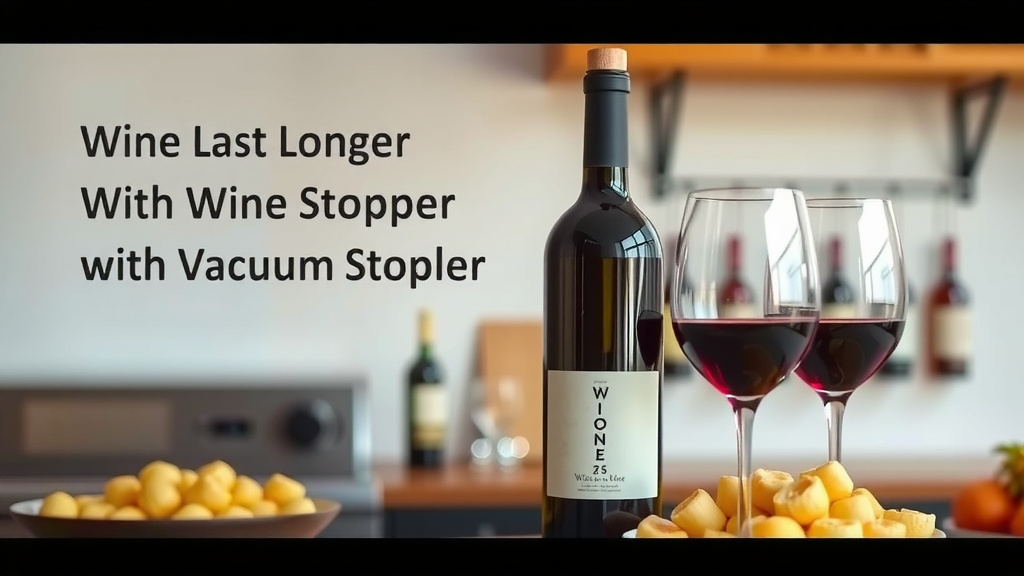
A vacuum stopper can significantly extend the life of your opened wine, typically keeping it fresh for 3 to 5 days. This is because it removes most of the air from the bottle, which is the primary culprit for wine spoilage. You can enjoy your wine over several days without a dramatic loss of flavor or aroma when using this handy tool.
While not a perfect seal like the original cork, a good vacuum stopper drastically slows down oxidation. This means your favorite reds and whites will taste much closer to their original state days later. We found that the effectiveness can vary slightly based on the wine’s type and storage conditions.
- Vacuum stoppers work by removing air to slow oxidation.
- Most wines stay fresh for 3-5 days with a stopper.
- Red wines might last a bit longer than whites.
- Proper storage (like refrigeration) is still key.
- It’s a simple way to enjoy wine over time.
So, how exactly does this magic work to keep your wine tasting great? Below, we’ll break down what you need to know about using a vacuum stopper for your opened bottles.
You’ve popped open a bottle of wine, poured a glass, and now you’re wondering about the rest. Will it still taste good tomorrow? Or the day after? You’ve got a vacuum stopper, and you’re hoping it’s the magic ticket. Well, you’re on the right track! Using a vacuum stopper is a fantastic way to preserve your opened wine. Let’s dig into how long that bottle will truly stay fresh.
Maximizing Your Opened Wine’s Lifespan with a Vacuum Stopper
So, how long does wine actually last once you’ve introduced air to the party? A vacuum stopper is your best friend here. It removes oxygen, the enemy of wine. This dramatically slows down the oxidation process. You can expect most wines to hold up well for 3 to 5 days after sealing with a vacuum stopper.
The Science Behind the Seal
Think of air as a tiny, unwelcome guest in your wine bottle. When you open a bottle, air rushes in. This oxygen starts to change the wine’s flavor and aroma. It’s like leaving an apple cut open on the counter; it turns brown and loses its crispness. Wine doesn’t turn brown, but it does lose its vibrant fruity notes and can develop a dull, almost vinegary taste. A vacuum stopper pulls out most of that air.
What Oxidation Does to Wine
Oxidation is the main culprit behind wine spoilage. It changes the wine’s chemical compounds. The lovely fruit flavors fade away. Aromas become less intense and can turn unpleasant. Even the color can change, especially in white wines, making them appear duller. For red wines, the bright ruby tones might start to look brownish.
How Long Different Wines Last
While a vacuum stopper is a game-changer, not all wines react the same way. Some are naturally more delicate. Others have more structure to stand up to a bit of air. This means you might see slight variations.
Red Wines: A Bit More Robust
Generally, red wines tend to last a little longer than white wines when using a vacuum stopper. This is often due to their higher tannin content. Tannins act as a natural preservative. Think of them like tiny shields protecting the wine. Wines with more tannins, like Cabernet Sauvignon or Syrah, can often stay enjoyable for the full 3 to 5 days, sometimes even a day longer if stored perfectly.
White Wines: Slightly More Sensitive
White wines, especially lighter-bodied ones like Sauvignon Blanc or Pinot Grigio, can be a bit more sensitive to oxidation. You’ll likely get the best results within 3 to 4 days. Fuller-bodied whites, like an oaked Chardonnay, might hold up for the full 5 days. The acidity in white wines helps preserve them, but they can lose their fresh, zesty character faster than reds.
Sparkling Wines: A Different Ballgame
Sparkling wines are a special case. While a vacuum stopper can preserve the wine itself, it generally won’t keep the bubbles. The seal on a vacuum stopper isn’t designed to hold in carbonation. If you want to save your bubbly, you’ll need a specialized stopper that creates a tighter seal for the fizz. Even then, you’re looking at enjoying those bubbles within 1 to 2 days at most.
The Importance of Proper Storage
A vacuum stopper is only part of the equation. Where you store your wine after sealing it makes a big difference. For the longest life, refrigeration is key. This goes for both red and white wines once opened.
Refrigeration is Non-Negotiable
You might think reds should stay at room temperature. However, once opened, even reds benefit from cooler temperatures. Cold slows down chemical reactions, including oxidation. So, after you’ve stoppered your red wine, pop it in the fridge. Many wine experts and organizations like the Wine Spectator recommend refrigeration for opened wines.
Keep it Upright!
Always store your opened wine bottle upright after using a vacuum stopper. This minimizes the surface area of the wine exposed to the air that might still be in the bottle. Unlike an unopened bottle that can be stored on its side, an opened one should always stand tall.
Factors Affecting Wine Longevity
Beyond the type of wine and storage, a few other things can play a role in how long your wine stays fresh. It’s not just about the stopper!
The Age and Style of the Wine
Younger, fruit-forward wines typically don’t last as long as older, more complex wines. Wines with higher alcohol content also tend to be more stable. Fortified wines, like Port or Sherry, can last for weeks or even months after opening, even without a vacuum stopper, due to their high alcohol and sugar content.
How Much Wine is Left?
A nearly full bottle with less air inside will generally last longer than a bottle that’s only a quarter full. The less headspace, the less oxygen there is to interact with the wine. This is another reason why a good vacuum seal is so effective.
Your Opened Wine Preservation Checklist
Want to make sure you get the most out of your wine? Follow these simple steps:
- Use a quality vacuum stopper and pump out as much air as possible.
- Refrigerate both red and white wines immediately after sealing.
- Always store opened bottles in an upright position.
- Try to drink your wine within 3 to 5 days for the best flavor.
- Don’t expect sparkling wine to retain its fizz with a standard stopper.
- Taste your wine! Your palate is the ultimate judge of freshness.
When to Say Goodbye to Your Wine
Even with a vacuum stopper, wine doesn’t last forever. Trust your senses. If the wine smells off – maybe like wet cardboard, nail polish remover, or vinegar – it’s probably past its prime. The taste will likely confirm it. A faint sherry-like aroma can sometimes indicate oxidation, especially in white wines. If it tastes dull, flat, or sour, it’s time to pour it down the drain or find a recipe for cooking with wine.
Conclusion
You’ve learned that a vacuum stopper is a fantastic tool for enjoying your wine over several days. Remember, most wines will stay fresh for 3 to 5 days when properly sealed and stored. Reds generally hold up a bit longer than whites, but both benefit greatly from refrigeration. Don’t forget to store your opened bottles upright. Now that you’re equipped with this knowledge, go ahead and savor that next bottle at your own pace, knowing you can preserve its quality for your enjoyment later!
Frequently Asked Questions
Can a vacuum stopper really stop wine from going bad?
A vacuum stopper significantly slows down the process of wine going bad by removing oxygen, which causes oxidation. While it won’t keep wine fresh indefinitely, it dramatically extends its drinkable life compared to just putting the cork back in. You can expect your wine to taste much better for longer.
Does a vacuum stopper work on sparkling wine?
No, a standard vacuum stopper is not designed for sparkling wine. It removes air, which is the opposite of what you want for bubbly. While it might preserve the wine itself for a short time, it won’t keep the carbonation. You’ll need a specialized stopper if you want to preserve the fizz.
What’s the best way to store wine after using a vacuum stopper?
For the best results, always store your wine upright in the refrigerator after using a vacuum stopper. The cold temperature slows down chemical reactions, including oxidation, and storing it upright minimizes the surface area of the wine exposed to any remaining air. This applies to both red and white wines.
How can you tell if wine has gone bad, even with a stopper?
Trust your senses! If your wine smells off – think vinegar, nail polish remover, or even wet cardboard – it’s likely past its prime. The taste will also be a clear indicator; if it tastes flat, sour, or just not right, it’s time to say goodbye. Don’t be afraid to pour it out.
Are all vacuum stoppers equally effective at preserving wine?
Most quality vacuum stoppers work on the same principle of removing air, and they are generally quite effective. However, the seal quality can vary slightly between brands. Ensuring you pump out as much air as possible and checking that the seal feels secure will help you get the best preservation results.
![7 Best Car Vacuum Cleaner For Pet Hair [2026]](https://bathroomexplorer.com/wp-content/uploads/2026/05/7-best-car-vacuum-cleaner-for-pet-hair-2026-featured-768x432.jpg)