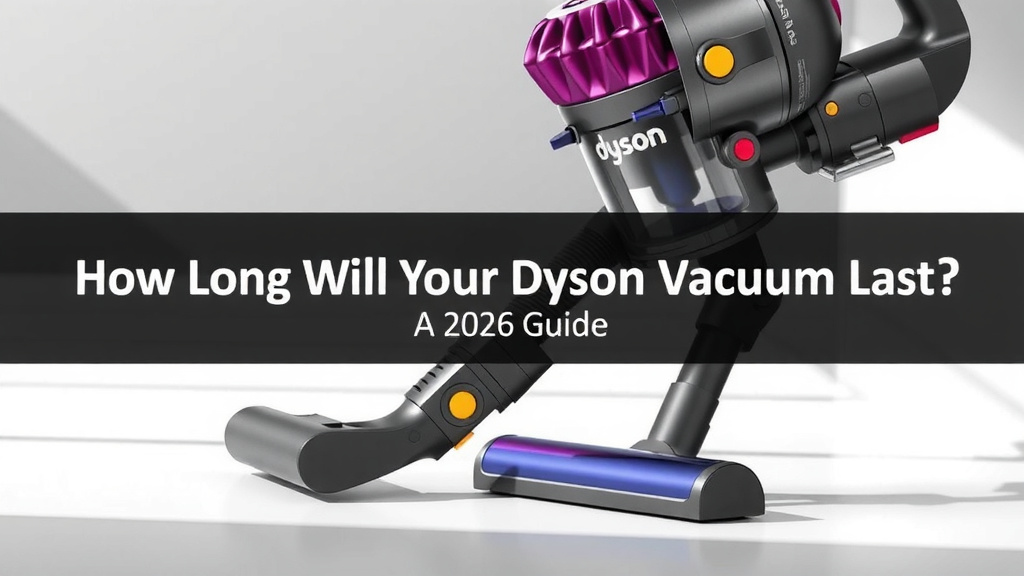
How Long Will Your Dyson Vacuum Last? A 2026 Guide
You’re probably wondering how long your Dyson vacuum cleaner will last. Generally, a well-maintained Dyson vacuum can last anywhere from 7 to 10 years, with some even exceeding a decade. Its longevity depends heavily on how you care for it and how often you use it.
Many factors contribute to your Dyson’s lifespan. Regular maintenance, like cleaning filters and emptying the bin, plays a big part. We found that users who follow these simple steps often report their vacuums performing well for many years. Think of it like taking care of your car; a little attention goes a long way!
- A Dyson vacuum typically lasts 7-10 years with proper care.
- Regular maintenance is key to a longer lifespan.
- Filter cleaning and bin emptying are essential tasks.
- Your usage habits also influence how long it lasts.
- Proper storage can also help prevent damage.
Ready to make sure your Dyson stays in top shape for as long as possible? Below, we’ll break down exactly what you need to do to maximize its lifespan.
Understanding Your Dyson Vacuum’s Lifespan
So, you’re curious about how long your trusty Dyson vacuum cleaner is built to last. We get it; these machines aren’t cheap, and you want to make sure your investment is a good one. Generally, you can expect a well-cared-for Dyson to keep humming along for about 7 to 10 years. Some users even report theirs going strong for 15 years!
What makes one Dyson last longer than another? It really boils down to a few key factors. Think of it like caring for a car; regular maintenance makes a huge difference. Your vacuum cleaner is no different. We found that users who stay on top of simple tasks often have their machines performing like new for many years.
Key Factors Influencing Dyson Longevity
Several elements play a role in how long your Dyson vacuum will actually last. It’s not just about the build quality, though Dyson is known for that. Your habits and the environment where you use it matter too. Let’s break down the main contributors.
Regular Maintenance is Your Best Friend
This is, by far, the most important factor. A little bit of cleaning goes a very long way for your Dyson. Not performing these tasks can lead to reduced performance and even damage over time.
Clean Your Filters Religiously
Dyson vacuums rely heavily on their filters to maintain strong suction and capture dust. If these filters get clogged, your vacuum has to work much harder. This strain can shorten the life of the motor. We found that clogged filters are a leading cause of reduced performance in many vacuums (Dyson Support).
Most Dyson models have washable filters. You should aim to wash them at least once a month, or more if you vacuum frequently or have pets. Make sure they are completely dry before putting them back in. A damp filter can lead to mold and motor damage. This is a simple step that pays off big time.
Empty the Bin Frequently
Don’t let that bin overflow! A full bin restricts airflow, which, again, makes your motor work harder than it needs to. It can also push debris further back into the machine, potentially causing blockages. We found that emptying the bin after each use is a good habit to get into.
Most Dyson bins simply twist or click open for easy emptying. It takes seconds to do. Keeping the bin clear ensures your vacuum can breathe easily and maintain optimal performance. It’s a quick win for your vacuum’s health.
Check for Blockages
Sometimes, larger debris can get lodged in the wand, hose, or brush bar. These blockages can cause your vacuum to overheat or lose suction dramatically. If you notice a sudden drop in power, stop vacuuming immediately and check for obstructions.
Most blockages are easy to spot and remove. Just disconnect the parts and look through them. Sometimes a broom handle or a similar long object can help push out a stubborn piece of debris. Clearing these out prevents unnecessary stress on the motor. This is key to preventing costly repairs.
Usage Habits and Environment Matter
How, where, and how often you use your Dyson also impacts its lifespan. Think about the kind of work you’re asking it to do.
Frequency of Use
If you vacuum your entire house daily, your Dyson will naturally experience more wear and tear than someone who vacuums once a week. This doesn’t mean you shouldn’t vacuum as much as you need to. It just means that heavy daily use requires more diligent maintenance. We found that frequent users benefit most from consistent filter cleaning and bin emptying.
Type of Debris
Vacuuming up fine dust, pet hair, and general household debris is what your Dyson is designed for. However, things like construction dust, large amounts of soil, or sharp objects can be much harder on the machine. If you’re doing heavy-duty cleaning, consider using a more specialized tool or cleaning carefully to avoid damaging the motor or filters.
The Environment of Use
Are you vacuuming a clean apartment or a dusty workshop? The environment plays a role. Extreme temperatures, high humidity, or excessively dusty conditions can affect your vacuum’s components. For most homes, this isn’t a major concern, but it’s something to be aware of if your cleaning tasks are unusual.
Proper Storage and Handling
How you store your Dyson when you’re not using it can also prevent damage and extend its life. Think of it as giving your vacuum a safe place to rest.
Avoid Dropping or Rough Handling
While Dysons are built robustly, they aren’t indestructible. Dropping your vacuum, especially the main body with the motor, can cause internal damage. Always handle it with care when moving it between rooms or storing it.
Store in a Suitable Location
Avoid storing your Dyson in damp basements or excessively hot garages. Extreme temperatures and moisture can degrade plastic parts and affect electronic components over time. A cool, dry place is ideal. Many Dyson models come with wall mounts, which are great for keeping them safe and tidy. We found that this storage method is highly recommended by users.
Common Issues and How to Prevent Them
Understanding common problems can help you address them before they become major issues. Many of these tie back to the maintenance we’ve already discussed.
Loss of Suction
This is the most frequent complaint. Often, it’s simply due to a clogged filter, a full bin, or a blockage somewhere in the airway. If you’ve checked all of these and still have low suction, it’s possible the seals on the bin or wand have worn out, or there might be an issue with the motor.
Brush Bar Not Spinning
If your brush bar stops spinning, check for tangled hair or debris wrapped around it. This is especially common with pet hair. Carefully cut away any tangled material. If it’s still not spinning, the belt or the motor driving the brush bar might be the issue. This often requires professional attention.
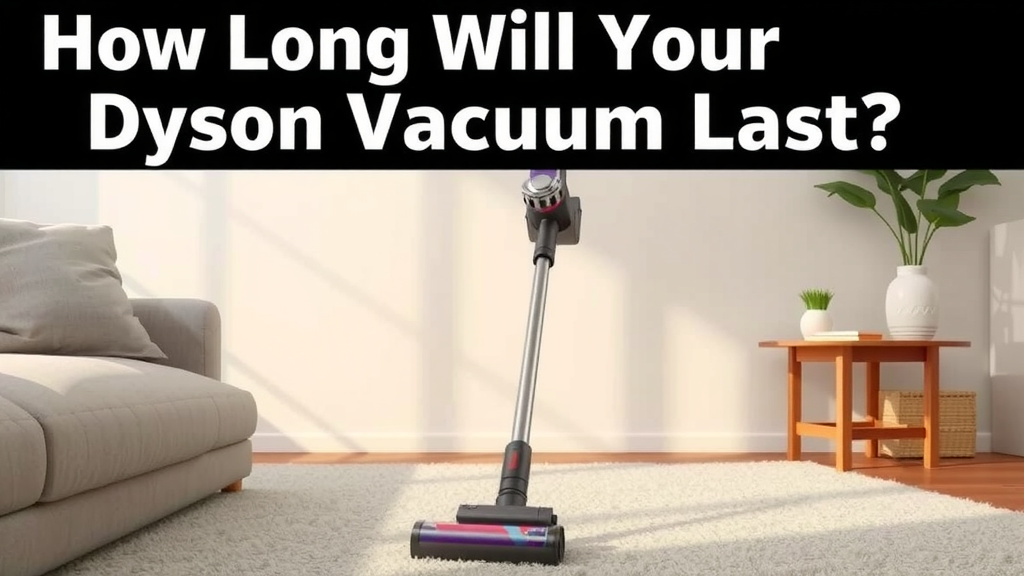
A Quick Maintenance Checklist for Your Dyson
To keep your Dyson running smoothly for years, follow this simple checklist:
- Monthly: Wash and thoroughly dry all filters.
- After Each Use: Empty the dust bin.
- As Needed: Check the wand, hose, and brush bar for blockages.
- When Tangled: Carefully remove any hair or debris from the brush bar.
- Handle with Care: Avoid dropping or rough handling during use and storage.
- Store Smart: Keep your Dyson in a cool, dry place, preferably on its wall mount.
Conclusion
Your Dyson vacuum is built to be a long-term cleaning companion. By committing to a simple maintenance routine, you can ensure yours lasts well over the typical 7 to 10-year lifespan. Regularly cleaning filters, emptying the bin, and checking for blockages are the most impactful steps you can take. Handle your Dyson with care, store it properly, and you’ll avoid common issues like lost suction or brush bar problems. Consistent care means your Dyson will continue to deliver powerful performance for years to come. Make these small efforts today for a cleaner home tomorrow.
Frequently Asked Questions
How often should I wash my Dyson vacuum filters?
You should aim to wash your Dyson’s filters at least once a month. If you vacuum very frequently or have pets, consider washing them more often. Always ensure the filters are completely dry before reinserting them to prevent mold and motor damage.
Is it okay to leave my Dyson vacuum’s bin full?
It’s best to avoid leaving your Dyson’s bin full. An overflowing bin restricts airflow, making the motor work harder and potentially reducing suction power. Emptying the bin after each use is a simple habit that greatly benefits your vacuum’s performance and longevity.
Can I use my Dyson vacuum for heavy-duty cleaning like sawdust?
While Dysons are powerful, they are best suited for regular household debris. Vacuuming very fine dust like sawdust or large amounts of soil can be tough on the motor and filters. For such tasks, consider using a specialized tool or cleaning with extra care.
What does it mean if my Dyson suddenly loses suction?
A sudden loss of suction is often a sign of a clogged filter, a full bin, or a blockage in the hose or wand. Check these common culprits first. If the issue persists after clearing them, there might be a problem with worn seals or the motor itself.
Will storing my Dyson in the garage affect its lifespan?
Storing your Dyson in a garage, especially if it’s prone to extreme temperatures or humidity, can shorten its lifespan. Moisture can degrade plastic parts, and extreme heat can affect electronic components. A cool, dry place is ideal for keeping your vacuum in good condition.



![7 Best Miele Canister Vacuum For Carpet [2026]](https://bathroomexplorer.com/wp-content/uploads/2026/06/7-best-miele-canister-vacuum-for-carpet-2026-featured-768x432.jpg)