
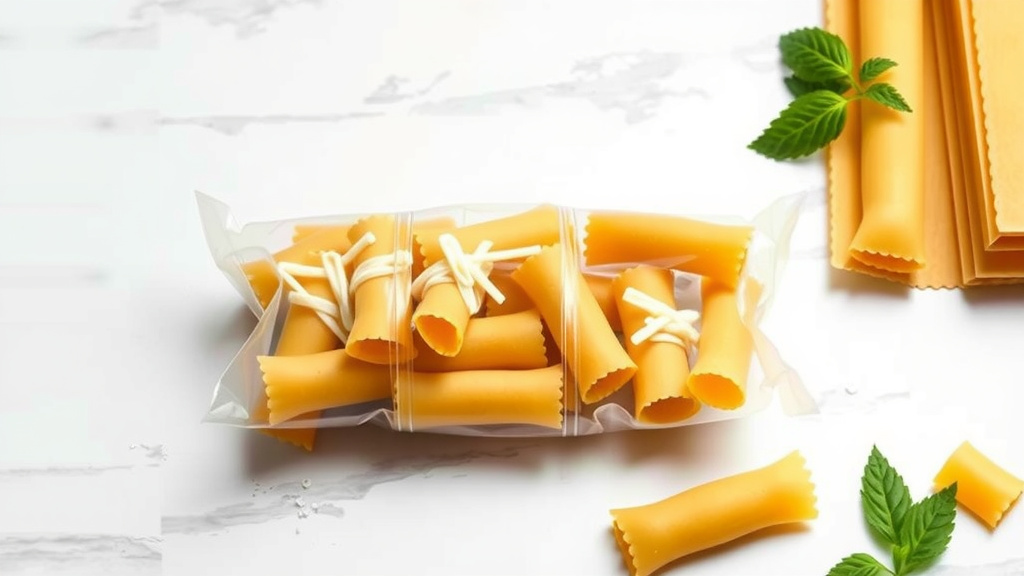
Vacuum Sealed Dry Pasta Shelf Life How Long Does It Last
Your vacuum-sealed dry pasta can last for a very long time, often well beyond the expiration date printed on the package. When properly sealed, dry pasta is protected from moisture and pests, its primary enemies. This means you can likely expect it to stay good for years, sometimes even a decade or more.
This extended shelf life is a fantastic benefit for home cooks. Buying in bulk and vacuum sealing can save you money. It also means you’ll always have pasta on hand for those spontaneous weeknight dinners. We found that the key is maintaining that airtight seal.
- Vacuum-sealed dry pasta can last for many years.
- Proper sealing protects pasta from moisture and pests.
- It’s safe to eat long past the printed expiration date.
- Check the seal for integrity before use.
Let’s dive into why vacuum-sealed pasta lasts so long and how you can be sure yours is still good to go.
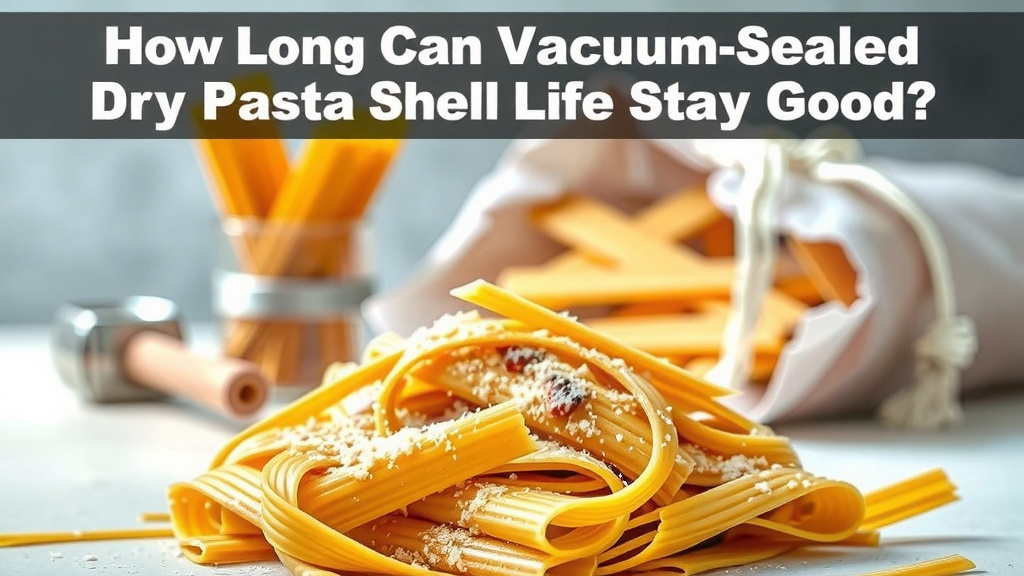
How Long Can Vacuum-Sealed Dry Pasta Stay Good?
You’re probably wondering just how long that vacuum-sealed box of linguine or spaghetti will last in your pantry. The good news is, when you remove the air, you’re essentially creating a time capsule for your pasta. We found that vacuum-sealed dry pasta can last for many years, often significantly longer than the printed “best by” date.
Think of it this way: the biggest enemies of dry pasta are moisture and oxygen. These allow mold and bacteria to grow, and they can also lead to staleness. By removing the air, your vacuum sealer cuts off the oxygen supply. It also creates a very tight barrier, keeping moisture out. This dramatically extends the pasta’s shelf life.
Understanding Dry Pasta’s Natural Shelf Life
Before we even talk about vacuum sealing, let’s look at regular dry pasta. Even in its original packaging, dry pasta is designed for a long life. It’s made with a low moisture content, which is why it’s so shelf-stable.
The Role of Moisture Content
Most dry pasta has a moisture content of around 10-12%. This low percentage makes it very difficult for spoilage organisms to thrive. It’s not like fresh pasta, which is often refrigerated and spoils quickly. Dry pasta is quite resilient on its own.
What About the “Expiration” Date?
That date printed on the package is usually a “best by” or “sell by” date. It’s more about peak quality than safety. Experts at the FDA explain that “best by” dates are when a food is expected to have the best flavor or quality. It doesn’t mean the food is unsafe after that date.
For dry pasta, this means it might lose a bit of its texture or flavor over time. But that’s where vacuum sealing really shines. It preserves that quality for much, much longer.
The Science Behind Vacuum Sealing and Pasta
Vacuum sealing isn’t magic, but it’s pretty close for food preservation! It works by removing the air from a food package before sealing it. This simple step has a big impact.
Eliminating Oxygen
Oxygen is essential for the growth of aerobic bacteria and mold. It also plays a role in oxidation, which can degrade the flavor and nutrients in food. By removing oxygen, you’re starving these spoilage agents.
Preventing Moisture Absorption
A good vacuum seal creates an airtight barrier. This is critical. Even if your pasta is dry to begin with, humidity in the air can eventually seep into the packaging over time. A vacuum-sealed bag acts like a shield against ambient moisture.
Protecting Against Pests
Let’s be honest, pantry moths and weevils are a real concern for stored food. They can chew through cardboard and thin plastic. A robust vacuum-sealed bag is much harder for these tiny invaders to penetrate. You’re building a strong defense for your spaghetti.
How Long Can Vacuum-Sealed Pasta Really Last?
So, to get to the big question: how long are we talking about? Research and common practice show that vacuum-sealed dry pasta can last for five years, ten years, or even longer.
Factors Affecting Longevity
While the seal is paramount, a few other things can influence how long your pasta stays in tip-top shape:
- Type of Pasta: Most standard dry pasta (like semolina-based spaghetti, penne, or macaroni) is very stable. Specialty pastas with eggs or other ingredients might have a slightly shorter lifespan, even when sealed.
- Initial Quality: Start with good quality pasta. If it’s already old or damaged before sealing, it won’t last as long as fresh, good-quality pasta.
- Storage Conditions: A cool, dark, and dry place is always best for storing any food. Avoid extreme temperature fluctuations.
Typical Lifespan Estimates
We found that many sources suggest a shelf life of 2-3 years for properly stored, unsealed dry pasta. With vacuum sealing, this can easily extend to:
- 5-10 years: This is a very common and realistic expectation for vacuum-sealed pasta stored correctly.
- 10+ years: Some home preservers report excellent results with pasta sealed for over a decade. The key here is a perfect seal and ideal storage.
It’s important to remember these are estimates. The integrity of your vacuum seal is the most critical factor. If the seal is compromised, the pasta will start to degrade much faster.
Signs Your Vacuum-Sealed Pasta Might Not Be Good Anymore
Even with the best sealing, it’s always wise to do a quick check. You don’t want to end up with a bowl of mushy, off-tasting noodles. Thankfully, the signs are usually pretty obvious.
Checking the Seal
This is your first line of defense. Before you even open the bag, give it a good look and feel. Is the seal still tight and intact? If the bag has started to puff up, or if you can easily peel the seal apart, it’s likely lost its vacuum. This means air and moisture may have gotten in.
Visual Inspection of the Pasta
Once you’re sure the seal is good (or if you’re checking pasta that might have lost its seal), take a look at the pasta itself. You’re looking for:
- Mold or Discoloration: Any fuzzy patches or unusual colors (beyond the normal color of the pasta) are a red flag.
- Infestation: Tiny bugs or evidence of them (like fine powder or webs) means it’s time to toss it.
- Odd Textures: Pasta should look dry and uniformly colored.
Smell Test
Your nose knows! Open the bag and give it a sniff. Does it smell fresh and neutral, like dry pasta should? Or does it have a stale, musty, or even unpleasant odor? Any off-smell is a good indicator that the pasta is no longer at its best.
The Taste Test (Cautiously!)
If the visual and smell tests pass, you can try cooking a small amount. Taste it. Does it taste like pasta? If it has a strange or bitter flavor, discard it. Remember, even if it’s safe, if it doesn’t taste good, why bother?
Simple Storage Checklist for Long-Lasting Pasta
Want to make sure your vacuum-sealed pasta lasts as long as possible? Follow these simple steps:
- Ensure pasta is completely dry before sealing.
- Use a quality vacuum sealer and bags.
- Double-check that each bag has a strong, airtight seal.
- Store sealed bags in a cool, dark, and dry pantry.
- Avoid storing near heat sources like ovens or direct sunlight.
- Periodically inspect your stored items for any signs of seal failure.
By taking these precautions, you can confidently enjoy your vacuum-sealed dry pasta for years to come. It’s a smart way to save money and ensure you always have a delicious meal option ready to go!
Conclusion
You’ve learned that vacuum-sealed dry pasta is a pantry superhero, capable of lasting for years, far beyond its printed date. By removing air and moisture, you’re creating a protected environment that keeps your pasta fresh and safe. Remember, a good seal and cool, dry storage are your best friends here. Now that you know the potential, why not grab some extra pasta on your next grocery run and seal it up? You’ll thank yourself later when you have a quick, delicious meal option ready to go.
Frequently Asked Questions
How do I know if my vacuum-sealed pasta has gone bad?
Visually inspect the pasta for any mold or discoloration. Give the bag a good sniff; it should smell neutral. If the bag has puffed up or the seal looks broken, air may have entered, compromising freshness.
Can I store vacuum-sealed pasta in the refrigerator or freezer?
While not strictly necessary for dry pasta, refrigerating or freezing can extend its life even further. Just ensure it’s properly sealed to prevent freezer burn or moisture absorption when you eventually bring it back to room temperature.
What if my vacuum sealer bag loses its seal over time?
If a vacuum-sealed bag loses its seal, the pasta is now exposed to air and moisture. Check it for any signs of spoilage like mold or off-smells. If it looks and smells fine, it’s best to use it within a few weeks to a month.
Does the type of pasta matter for vacuum sealing longevity?
Generally, standard semolina-based dry pastas last the longest. Pastas with added eggs or vegetables might have a slightly shorter shelf life, even when vacuum-sealed, so it’s wise to use those sooner.
Is it safe to eat vacuum-sealed pasta that’s many years past its expiration date?
Yes, as long as it has been properly vacuum-sealed and stored in ideal conditions, it is typically safe to eat long past the printed date. The key is the absence of spoilage indicators like mold, off-smells, or infestation.

![7 Best Electrolux Vacuum For Pet Hair [2026]](https://bathroomexplorer.com/wp-content/uploads/2026/05/7-best-electrolux-vacuum-for-pet-hair-2026-featured-768x432.jpg)