Vacuum Sealed Meat Freezer Life: How Long Will It Last
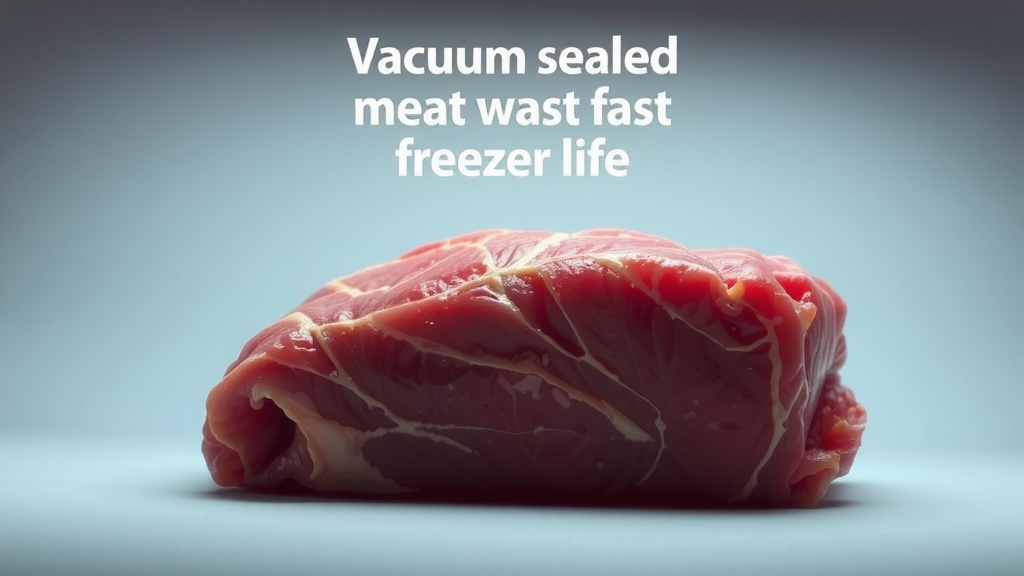
When you vacuum seal your meat, you can expect it to last for a much longer time in the freezer. For best quality, properly vacuum-sealed meat can last in the freezer for up to two to three years. This is significantly longer than the typical six months found in standard freezer bags. You’re essentially creating a barrier against freezer burn and air exposure.
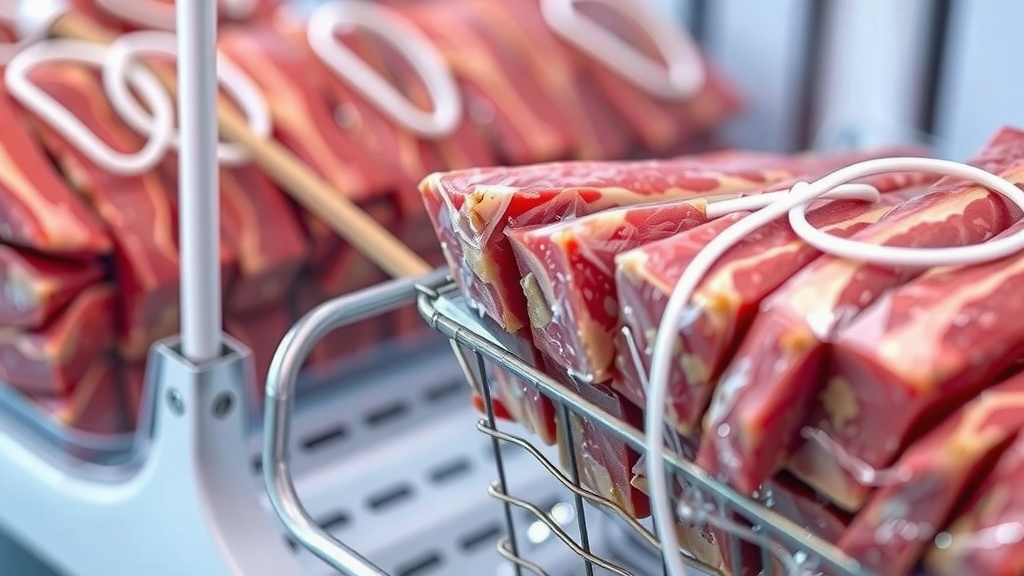
Vacuum sealing removes most of the air from the packaging. This prevents oxidation and the formation of ice crystals that degrade meat quality. Think of it as giving your meat a super-powered protective suit for its freezer journey. We found that this method truly preserves flavor and texture better.
- Vacuum-sealed meat lasts 2-3 years for best quality.
- Standard freezer bags last about 6 months.
- Vacuum sealing prevents freezer burn and air damage.
- It helps maintain meat’s original flavor and texture.
- This method is great for stocking up.
We’ve done the research and found that vacuum sealing is a game-changer for your freezer. Below, we’ll break down exactly how long different types of meat last when vacuum-sealed and why it works so well.
How Long Can Vacuum-Sealed Meat Stay Frozen?
You’re probably wondering about the shelf life of vacuum-sealed meat in your freezer. We’ve found that when done correctly, vacuum-sealed meat can maintain its top quality for an impressive 2 to 3 years. This is a huge leap compared to the typical 6 months you might get from regular freezer bags. That protective seal really makes a difference!
The Science Behind Extended Freezer Life
Why does vacuum sealing work so well? It’s all about removing the air. Air is the enemy of frozen food. It causes freezer burn, which is essentially dehydration and oxidation. When you remove the air, you create an airtight barrier. This keeps moisture locked in and oxygen out. Think of it like giving your meat a personal oxygen-deprived bubble for its freezer stay.
What is Freezer Burn?
Freezer burn happens when food is exposed to air in the freezer. Ice crystals form on the surface of the meat. These crystals damage the cells. This leads to dry, tough, and discolored spots. Vacuum sealing prevents this damage. It keeps the meat moist and preserves its natural color and texture. Many food safety experts, like those at the USDA, highlight air exposure as a primary cause of spoilage in the freezer.
Oxidation and Flavor Degradation
Oxygen doesn’t just cause freezer burn; it also affects the flavor of your meat. Oxidation can lead to off-flavors and smells. Vacuum sealing cuts off the oxygen supply. This means the meat’s flavor stays fresh and robust for much longer. You’re not just extending the time; you’re preserving the taste you expect.
Shelf Life by Meat Type (Vacuum-Sealed)
While 2-3 years is a great general guideline, the exact time can vary slightly depending on the type of meat. We’ve found these estimates are a good way to think about it:
Beef and Lamb
These red meats are quite resilient. Vacuum-sealed, you can expect them to be of the best quality for up to 3 years. This applies to steaks, roasts, and ground beef. That’s plenty of time to build up a fantastic meat stash!
Pork
Similar to beef, vacuum-sealed pork products like chops, roasts, and bacon can also last for up to 3 years. You can confidently buy pork in bulk and know it will stay delicious.
Poultry (Chicken, Turkey)
Chicken and turkey, whether whole or in pieces, generally last well for 2 to 3 years when vacuum-sealed. Some sources suggest aiming for the 2-year mark for the absolute freshest taste, but 3 years is still very achievable for quality.
Fish
Fish is a bit more delicate than red meat or poultry. For the best quality, vacuum-sealed fish should ideally be used within 1 to 2 years. Fatty fish like salmon may have a slightly shorter best-quality window than leaner fish. It’s always good to use your catch or purchases sooner rather than later if possible.
| Meat Type | Estimated Shelf Life |
|---|---|
| Beef & Lamb | Up to 3 Years |
| Pork | Up to 3 Years |
| Poultry | 2-3 Years |
| Fish | 1-2 Years |
Factors Affecting Vacuum-Sealed Meat Longevity
While vacuum sealing dramatically increases shelf life, a few other things play a role. The initial quality of the meat is important. Fresher meat will always freeze better. Also, the temperature of your freezer matters. Keeping it consistently at 0°F (-18°C) or below is key to preventing any potential degradation over time.
Freezer Temperature Consistency
Fluctuations in freezer temperature can be problematic. When the temperature rises, ice crystals can melt and then refreeze. This process can still damage the meat’s texture. A reliable freezer that maintains a steady 0°F is your best friend. We found that regularly checking your freezer’s temperature can prevent many issues.
Proper Sealing Technique
Did you know that even with a vacuum sealer, you can sometimes trap a little air? It’s rare, but it can happen. Double-checking your seals for any gaps is a good practice. Sometimes, running the seal a second time can ensure it’s completely airtight. A good, solid seal is your primary defense.
Tips for Maximizing Your Vacuum-Sealed Meat’s Freshness
Want to ensure your frozen meat stays as good as the day you bought it? Here are a few simple steps we recommend:
- Always start with the freshest meat possible.
- Ensure your vacuum sealer removes as much air as it can.
- Double-check the seals for any signs of weakness.
- Label each package with the date you froze it.
- Keep your freezer at a consistent 0°F or below.
- When ready to use, thaw meat safely in the refrigerator.
Conclusion
You’ve learned that vacuum sealing is your secret weapon for preserving meat. Properly sealed, your beef, lamb, and pork can enjoy peak quality for up to three years. Poultry stays fresh for two to three years, and fish for one to two. By minimizing air exposure, you’re effectively preventing freezer burn and preserving that delicious flavor and texture you love. Now you can confidently stock your freezer, save money by buying in bulk, and enjoy high-quality meat anytime. Take that extra step to vacuum seal your next meat purchase, and start enjoying longer-lasting, tastier frozen meals!
Frequently Asked Questions
Can I freeze vacuum-sealed meat indefinitely?
While vacuum sealing dramatically extends shelf life, it’s not truly indefinite. For the best quality and taste, aim to use your vacuum-sealed meat within the recommended timeframes we discussed. Beyond these periods, the meat is likely still safe to eat, but its texture and flavor might start to decline.
Does the type of vacuum seal bag matter?
Yes, it does. Using high-quality, BPA-free vacuum seal bags designed for food storage is important. These bags are more durable and create a stronger barrier against air and moisture. Generic plastic wrap or standard freezer bags won’t offer the same level of protection, even if you try to remove the air.
What’s the difference in shelf life between vacuum-sealed and regular freezer bags?
The difference is substantial. Regular freezer bags typically offer only about six months of good quality for frozen meat. Vacuum sealing, by removing almost all the air, can extend that quality window to two or even three years for many types of meat, significantly reducing the risk of freezer burn.
How can I tell if my vacuum-sealed meat has gone bad?
Even with vacuum sealing, always check your meat before cooking. Look for any signs of spoilage like a sour smell, slimy texture, or mold. If the seal appears broken or compromised, treat the meat as if it were stored in a regular bag and use it within a few months or discard it.
Is it safe to refreeze vacuum-sealed meat if I thaw it first?
It’s generally not recommended to refreeze meat once it has been thawed, even if it was vacuum-sealed. Thawing and refreezing can compromise the quality and safety of the meat. It’s best to only thaw the amount you plan to cook and use it within a day or two, or cook it and then freeze the cooked product if needed.
![7 Best Leaf Vacuum For Live Oak Leaves [2026]](https://bathroomexplorer.com/wp-content/uploads/2026/06/7-best-leaf-vacuum-for-live-oak-leaves-2026-featured-768x432.jpg)