
Vacuum Sealed Meat Shelf Life: How Long Does It Last
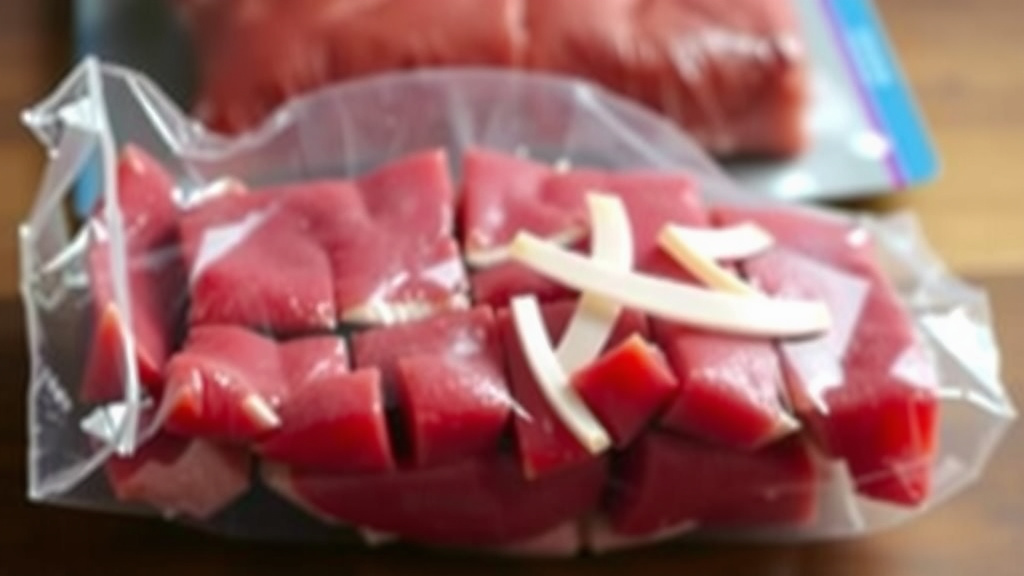
Vacuum-sealed meat can last much longer than traditionally stored meat. You can expect fresh meat to last 1-2 weeks in the refrigerator when vacuum-sealed, and frozen meat to last 2-3 years. This preservation method significantly extends shelf life by removing air, which is key to preventing spoilage and freezer burn.
When you vacuum seal your meat, you’re creating a barrier against oxygen. This slows down the growth of bacteria and other microorganisms that cause food to go bad. It also protects your food from the damaging effects of air exposure, keeping it tasting fresher for longer and preventing that unappetizing ice crystal formation we call freezer burn.
- Vacuum-sealed fresh meat can last 1-2 weeks in the fridge.
- Frozen vacuum-sealed meat can last 2-3 years.
- This happens because it removes air, slowing spoilage and freezer burn.
- Proper sealing is key to maximizing shelf life.
We found that understanding these differences can really help you plan your meals and reduce food waste. Let’s dive into the specifics of how long different types of meat last when vacuum-sealed, and what factors can affect those times.
How Long Does Vacuum-Sealed Meat Stay Good?
You’re probably wondering just how long that vacuum-sealed meat will hold up. We found that the answer depends on a few key things, mainly whether it’s fresh or frozen, and the type of meat itself. But generally speaking, vacuum sealing is a superhero for your meat’s lifespan.
The magic of vacuum sealing is its ability to remove almost all the air. This air is the enemy of freshness. It allows bacteria to grow and causes oxidation, which leads to spoilage and flavor loss. By taking the air out, you dramatically slow down these processes. You’re essentially putting your meat in a time-out from spoilage.
Refrigerator Shelf Life for Vacuum-Sealed Meats
When you’re keeping meat in the fridge, vacuum sealing is a real game-changer. It extends the safe eating window considerably compared to just wrapping it in plastic or foil.
Beef and Lamb: The Long Haul
For fresh cuts like steaks, roasts, or chops, vacuum sealing can make them last a solid 1 to 2 weeks in the refrigerator. This is significantly longer than the typical 3-5 days you’d get with traditional storage methods. We found that this allows you more flexibility with meal planning. You can buy in bulk when it’s on sale and not worry about cooking it all immediately.
Pork: Still a Champion
Pork products, whether they are chops, tenderloins, or roasts, also benefit greatly. Similar to beef and lamb, you can expect them to stay fresh and safe to eat for about 1 to 2 weeks when properly vacuum-sealed and refrigerated. This is a fantastic way to keep pork fresh for your weekend BBQs or weeknight dinners.
Poultry: Chicken and Turkey Delights
Chicken and turkey, often more delicate than red meats, also see a boost. Vacuum-sealed, these birds can last around 1 to 2 weeks in the fridge. This is great news for those who like to prepare larger batches of chicken or buy whole turkeys.
Fish: A Sensitive Case
Fish is a bit more delicate and has a shorter shelf life overall. Even when vacuum-sealed, most fresh fish should ideally be consumed within 3 to 5 days in the refrigerator. While vacuum sealing helps, the natural composition of fish means it spoils faster. Many experts recommend freezing fish if you don’t plan to eat it within a few days, even if it’s vacuum-sealed (Cleveland Clinic).
| Meat Type | Typical Fresh Shelf Life (No Seal) | Vacuum-Sealed Shelf Life (Refrigerator) |
|---|---|---|
| Beef, Lamb, Pork | 3-5 days | 1-2 weeks |
| Poultry | 3-5 days | 1-2 weeks |
| Fish | 1-2 days | 3-5 days |
Freezer Longevity with Vacuum Sealing
Now, let’s talk about the freezer. This is where vacuum sealing truly shines, offering remarkable protection against freezer burn and preserving quality for extended periods.
Red Meats: Years of Flavor
When it comes to beef, lamb, and pork, vacuum sealing can extend their frozen life significantly. We found that you can typically expect your vacuum-sealed steaks, roasts, or ground meat to last 2 to 3 years in the freezer. Without vacuum sealing, you might only get 6-12 months before quality degrades noticeably due to freezer burn.
Poultry: A Long, Frosty Wait
Chicken and turkey also benefit from this extended freezer life. Vacuum-sealed poultry can retain its quality for 2 to 3 years. This means you can stock up on whole chickens or turkey parts during sales and enjoy them much later without sacrificing taste or texture.
Fish: Preserving the Catch
For fish, vacuum sealing is almost essential for long-term freezing. It can help preserve fish for 1 to 2 years, sometimes even longer for fattier fish which are more prone to rancidity. This allows you to freeze your catch or bulk purchases and enjoy them months down the line, tasting much fresher than you might expect.
Processed Meats: A Shorter, but Still Extended, Freeze
Things like sausages, bacon, and deli meats can also be vacuum-sealed for the freezer. While they might not reach the 2-3 year mark of whole cuts, vacuum sealing can extend their quality for around 6 months to 1 year, which is still much better than standard freezer storage.
The Freezer Burn Barrier
Why the massive difference in the freezer? It all comes down to oxygen. Freezer burn is essentially dehydration caused by air exposure. The ice crystals in your food sublimate (turn directly from ice to vapor) when they come into contact with air. Vacuum sealing removes that air, creating a tight barrier that prevents moisture loss and ice crystal formation. It keeps the meat from drying out and developing those unappetizing white, dry patches.
Factors Affecting Vacuum-Sealed Meat Shelf Life
While vacuum sealing is fantastic, it’s not a magic bullet that makes every piece of meat last forever. Several factors play a role in how long your meat will truly stay good.
Initial Quality and Freshness
You can’t improve bad meat by vacuum sealing it. If the meat is already nearing its expiration date or isn’t of the best quality when you seal it, vacuum sealing will only slow down the inevitable. Always start with the freshest meat possible. If it’s a day or two from spoiling in the fridge, vacuum sealing won’t magically make it last weeks.
Temperature Control is Key
This might seem obvious, but temperature is critical. Even vacuum-sealed meat needs to be stored at the correct temperatures. For the refrigerator, that means 40°F (4°C) or below. For the freezer, it’s 0°F (-18°C) or below (CDC). Fluctuations in temperature can still impact quality and safety, even with a good seal.
The Quality of Your Seal
Did you get a good, strong seal? A leaky or weak seal defeats the purpose of vacuum packing. If air can get back into the bag, spoilage processes will start again. We found that making sure the seal area is clean and dry before running the machine is super important for a reliable seal.
Type of Meat and Fat Content
As we touched on with fish, the inherent properties of the meat matter. Fattier cuts of meat can sometimes have a slightly shorter shelf life, especially in the freezer, as fats can eventually go rancid. However, vacuum sealing helps mitigate this significantly compared to non-sealed storage.
Proper Handling and Hygiene
Cross-contamination is still a risk. Always handle your meat hygienically. Wash your hands, use clean surfaces, and ensure your vacuum sealer bags are food-grade. Good sanitation practices are essential for food safety, no matter the storage method.
Tips for Maximizing Your Vacuum-Sealed Meat
Want to get the absolute most out of your vacuum-sealed meat? Here are a few simple tips to keep in mind:
- Always start with the freshest meat.
- Ensure your vacuum sealer machine is working correctly.
- Double-check your seals for any leaks.
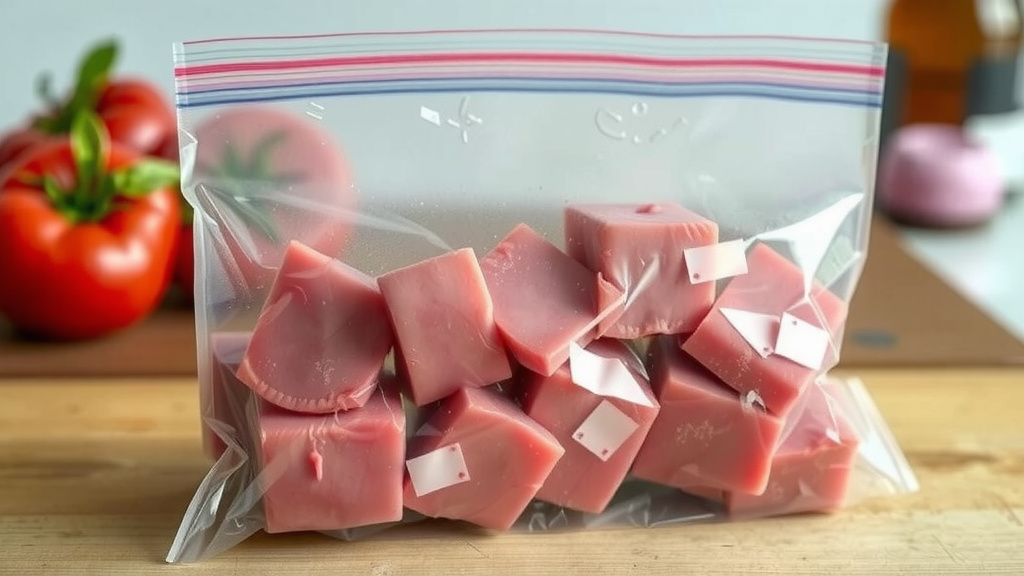
- Label and date your packages clearly.
- Store at consistent, proper temperatures.
- When in doubt, throw it out – trust your senses!
Conclusion
You’ve learned that vacuum sealing is a powerful tool for extending the life of your meat, both in the refrigerator and freezer. For fresh meats, think 1-2 weeks in the fridge, and for frozen, you can enjoy quality for 2-3 years thanks to the barrier it creates against spoilage and freezer burn. Remember that starting with quality meat and maintaining proper temperatures are your best allies. Now you can confidently buy in bulk, reduce waste, and always have delicious meat ready for your next meal.
Frequently Asked Questions
Can I vacuum seal meat that’s already close to its expiration date?
While vacuum sealing slows spoilage, it won’t reverse it. If your meat is already nearing its expiration date or showing signs of spoilage, vacuum sealing won’t make it last much longer safely. It’s always best to start with the freshest meat possible for the best results and safety.
Does the type of vacuum seal bag matter for meat storage?
Yes, using high-quality, food-grade vacuum seal bags is important. Thicker bags with a good barrier against oxygen are ideal for preventing leaks and maintaining the seal. Reusing bags or using bags not designed for vacuum sealing can compromise the integrity of the seal and the shelf life of your meat.
How do I know if my vacuum-sealed meat has gone bad?
Always trust your senses. Look for any unusual discoloration, a slimy texture, or a foul odor. Even if the vacuum seal appears intact, if the meat shows any signs of spoilage, it’s best to discard it to ensure your safety.
What’s the difference in shelf life between vacuum-sealed raw meat and cooked meat in the fridge?
Cooked meat generally spoils faster than raw meat, even when vacuum-sealed. While raw meats can last 1-2 weeks refrigerated, cooked meats are typically safe for about 3-5 days when vacuum-sealed and refrigerated. Always adhere to safe food handling practices for cooked items.
Is it okay to refreeze vacuum-sealed meat that has been thawed?
If the meat was thawed in the refrigerator and remained cold (below 40°F), it’s generally safe to refreeze it, especially if it’s still vacuum-sealed. However, quality can degrade with multiple freeze-thaw cycles, so it’s best to cook it as soon as possible after thawing if you plan to refreeze.
![7 Best Handheld Vacuum For Pool [2026]](https://bathroomexplorer.com/wp-content/uploads/2026/05/7-best-handheld-vacuum-for-pool-2026-featured-768x432.jpg)


![7 Best Hoover Vacuum For Carpet [2026]](https://bathroomexplorer.com/wp-content/uploads/2026/06/7-best-hoover-vacuum-for-carpet-2026-featured-768x432.jpg)